TRAVEL IN KOREA
Korea Places to Visit
Find attractions, culture, festivals, stays, restaurants, shopping and travel courses for a clear Korea trip plan.
Yeongdodaegyo Bridge (영도대교)
46, Taejong-ro, Yeongdo-gu, Busan
Yeongdodaegyo Bridge, connecting Nampo-dong and Yeongdo Island, was the first bridge to connect the mainland to one of the nearby islands in Busan. The bridge lifted to allow ships to pass between the south and north ports, and made a passage for ships anywhere from two to seven times in one day. When the bridge was first constructed, many people would gather to watch the strange spectacle of a bridge rising up to point to the sky. The bridge remains a famous landmark of Busan even to this day.
Yeongdong Bidangang Forest Village (영동 비단강숲마을)
20-27, Sudu 1-gil, Yangsan-myeon, Yeongdong-gun, Chungcheongbuk-do
Yeongdong Bidangang Forest Village is a pure farming village which was at the historical border between the Silla and Baekje kingdoms. Also located nearby is Yeongguksa Temple, where King Gongmin escaped from the Red Turban troops during the Goryeo period. Created by the Geumgang River that flows like silk around Bonghwasan Mountain, the village is surrounded by breathtaking scenery, keeping Mother Nature clean so organisms including marsh snails and mandarin fish can live. In the village, plenty of hands-on activities such as catching snails in the crystalline water like a treasure hunter and riding a tandem bike are available to make a valuable memory. Not only these activities, visitors can also take a rest within the ambience of Bidangang River and pick sweet potatoes and grapes, giving the pleasure of harvesting. Other programs including making a wooden doorplate, wine foot-bathing, flying a pungdeung (lantern), and herb soap-making are offered.
Yeongdong Nangye Korean Traditional Music Festival (영동난계국악축제)
117, Yeongdong healing-ro, Yeongdong-eup, Yeongdong-gun, Chungcheongbuk-do
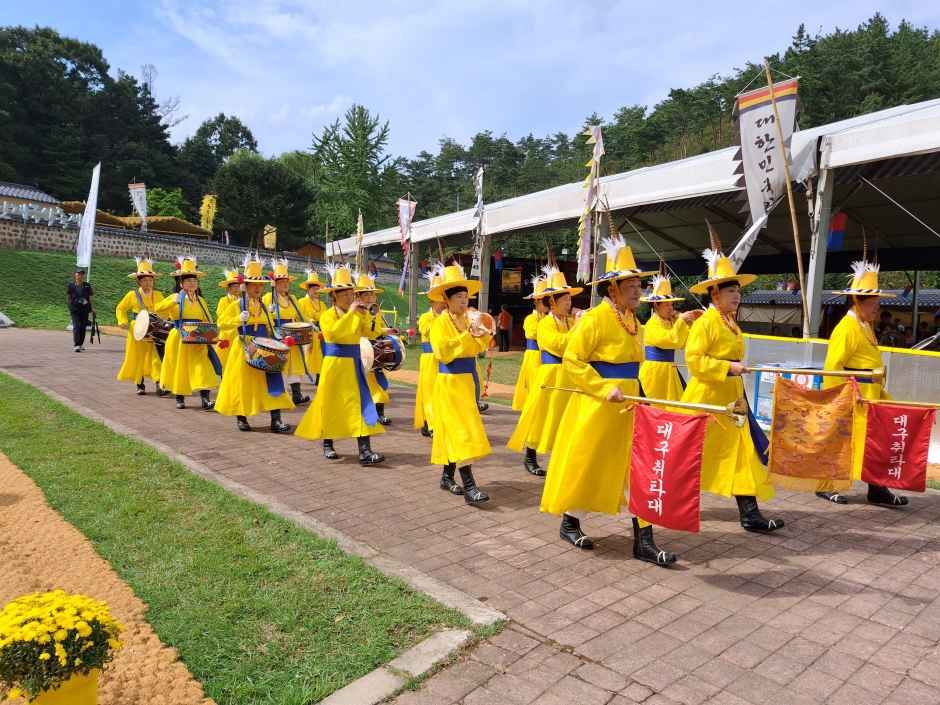
The Yeongdong Nangye Korean Traditional Music Festival is an annual performing arts festival dedicated to gugak, Korea’s traditional music and one of Yeongdong-gun’s most treasured cultural assets. The festival also honors the musical legacy of Nangye Park Yeon, one of Korea’s most renowned traditional musicians, while contributing to the preservation and promotion of traditional performing arts. Building on the achievements of the 2025 Yeongdong World Traditional Music & Arts Expo, the 57th festival seeks to introduce gugak, a treasured element of Korea's cultural heritage, to a wider global audience and contribute to a new wave of global interest in Korean culture. As Korea’s only festival dedicated to traditional Korean music, it offers a wide range of performances and hands-on programs that reinterpret traditional performing arts for contemporary audiences. Through programs that reflect the unique character of Yeongdong, the festival also helps transform local cultural resources into a tourism assets. At the same time, it encourages community participation, enhances cultural engagement among residents, and serves as a vibrant celebration of local unity.
Yeongdong Wine Tunnel (영동 와인터널)
30, Yeongdong healing-ro, Yeongdong-eup, Yeongdong-gun, Chungcheongbuk-do
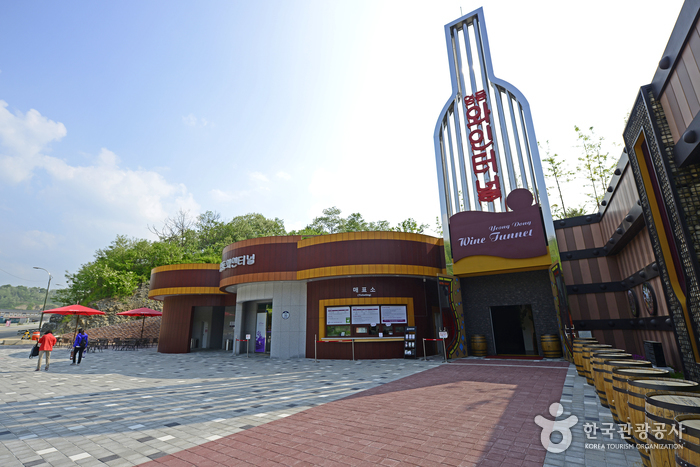
Yeongdong Wine Tunnel is a 420 m-long tunnel within the Rainbow Healing Tourist Site. It was built as a wine storage because caves present ideal conditions for wine storage. Here, visitors can browse the Wine Culture Hall, which details the history of wines; Yeongdong Wine Hall, which sells wine produced in Yeongdong; and a military magazine dating back to the Japanese Occupation. A wine festival is held every October.
Yeongdong Yeongguksa Temple (영국사 (영동))
225-35, Yeonggukdong-gil, Yeongdong-gun, Chungcheongbuk-do
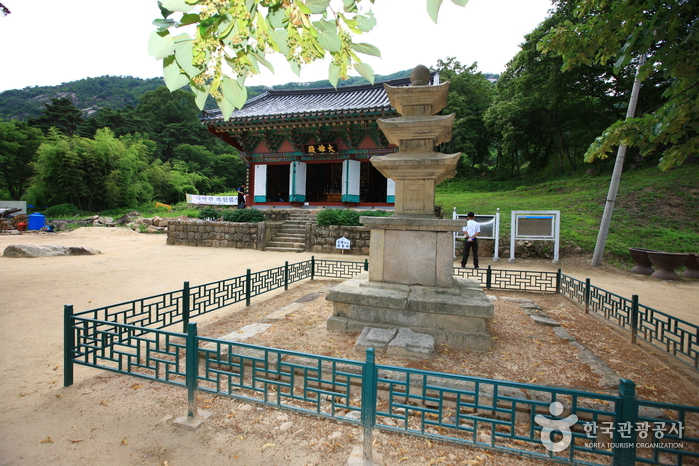
Yeongguksa Temple is nestled at the foot of Cheontaesan Mountain (714.7 meters), at the boundary between Chungcheongbuk-do and Chungcheongnam-do. Visitors must trek through a valley to reach the temple, passing waterfalls and rocks. The time of Yeongguksa Temple's construction is not clearly known but it is said to have been built around the late Silla period, during the time of King Seonjong. The temple prospered when the State Preceptor Wongak, who completed the Cheontae, one of Buddhist orders from Daegak Guksa Uicheon, came to the temple in the middle of the Goryeo period. It continued to flourish until the early Joseon era and then took a dive due to the rule of anti-Buddhism. Despite the situation at the time, the temple's reputation as one of the noted temples remained. However, the situation worsened in the early twentith century, to the point of near closure. The temple was reconstructed by Jubongjosa Monk in 1934. As of now, the temple contains various treasures including the Stele for State Preceptor Wongak, Stupa of Yeongguksa Temple, Three-story Stone Pagoda of Yeongguksa Temple, Three-story Stone Pagoda at Mangtapbong Peak of Yeongguksa Temple. In addition, Bell-shaped Stupa and Round-shaped Stupa, regional tangible cultural assets, are situated in the temple site.
Yeonggeumjeong (영금정)
35, Dongmyeonghang-gil, Sokcho-si, Gangwon-do
Yeonggeumjeong refers to the area covering the shore by the Sokcho Lighthouse in Sokcho-si City. The name Yeonggeumjeong comes from a notion that the sound of waves hitting the rocks is comparable to the melody of geomungo (traditional stringed instrument with 6 strings). At the end of the 50m-long bridge built over a rocky peninsula is a pavilion offering a view of the East Sea.
Yeonggwang Bulgapsa Temple (불갑사 (영광))
450, Bulgapsa-ro, Yeonggwang-gun, Jeollanam-do
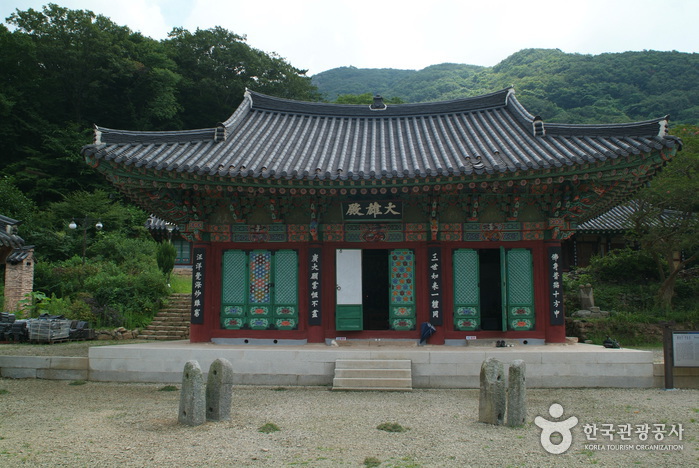
Bulgapsa Temple of Yeonggwang-gun, Jeollanam-do, was the very first Buddhist temple to be built in Korea. Monk Marananta, who was the first Indian monk to spread Buddhism in Korea, is said to have established the temple here around the year 384, during the reign of Baekje King Chimnyu. Daeungjeon Hall, the main hall of Bulgapsa Temple, has been designated as a Treasure. The motifs on the doors of the hall are famed for their beautiful designs. The temple also has other buildings of distinction such as the Manseru Pavillion, Myeongbujeon Hall and Ilgwangdang Shrine, and a population of sericeous newlitse trees, designated as a Natural Monument. The temple is also famous for the magic lily which blooms in the late summer. The path into Bulgapsa Temple is ideal for a restful walk and contemplation.
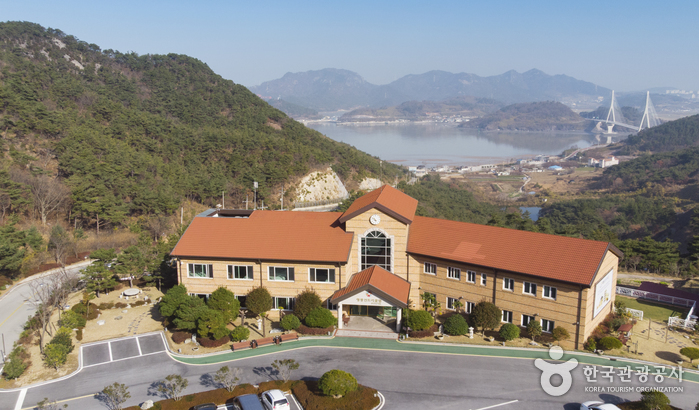
YeongGwang Country Club (영광컨트리클럽)
1362-70 , Haean-ro, Yeonggwang-gun, Jeollanam-do
Yeonggwang West Ocean CC Golftel is located on Baeksu Coastal Road in Yeonggwang-gun, Jeollanam-do. Golftel guests can see the Chilsan Sea, Baeksu Coast Road, fine night views and beautiful natural scenery from their rooms, providing relaxing sensations and fond memories. A second 3-storey building was added to the Golftel in 2020.
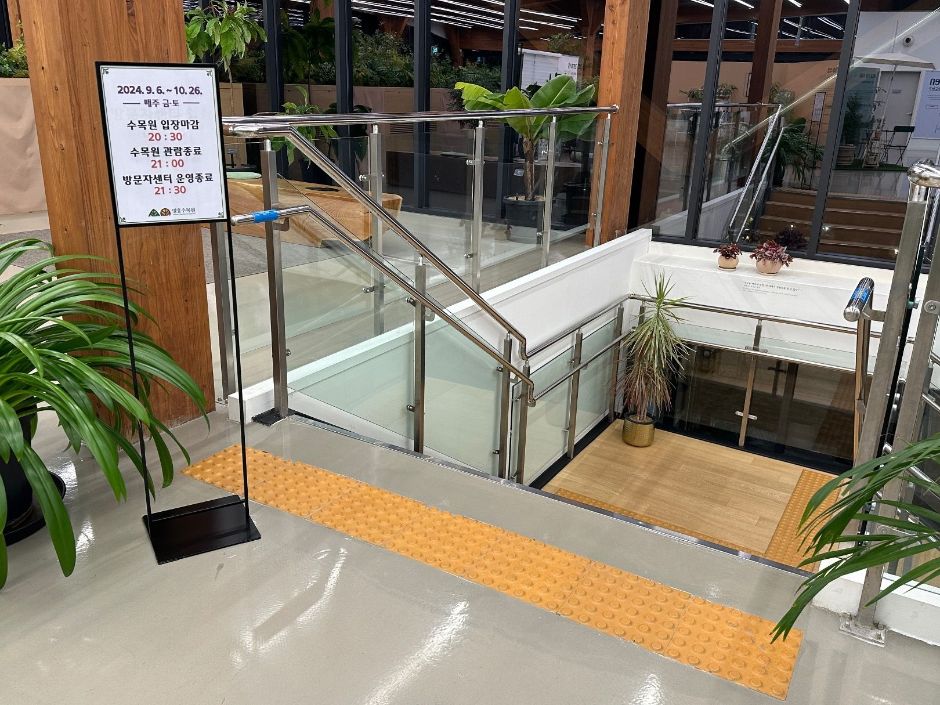
Yeongheung Arboretum (영흥수목원)
435 Yeongtong-ro, Yeongtong-gu, Suwon-si, Gyeonggi-do
Yeongheung Arboretum boasts a flower and wildflower exhibition garden, a display forest, an ecological forest, and Yeongheung Forest Park. Its iconic greenhouse showcases a diverse collection of unique and exotic plants. The visitor center, offering a comprehensive view of the arboretum, features various exhibitions, educational programs, a gift shop, and a café.
Yeongheungdo Simnipo Beach (영흥도 십리포해변)
420-26 Yeongheungbuk-ro, Yeongheung-myeon, Ongjin-gun, Incheon
Simnipo Beach, located on Yeongheungdo Island in Incheon, offers stunning views both day and night. To the west of the beach, a rock formation extends outward, while behind it lies a colony of more than 300 hornbeam trees, the largest in Korea. The beach buzzes with activity during daylight hours, but as night falls, the illuminated backdrop of Incheon International Airport and the lights shimmering over the West Sea merge to craft a captivating spectacle.
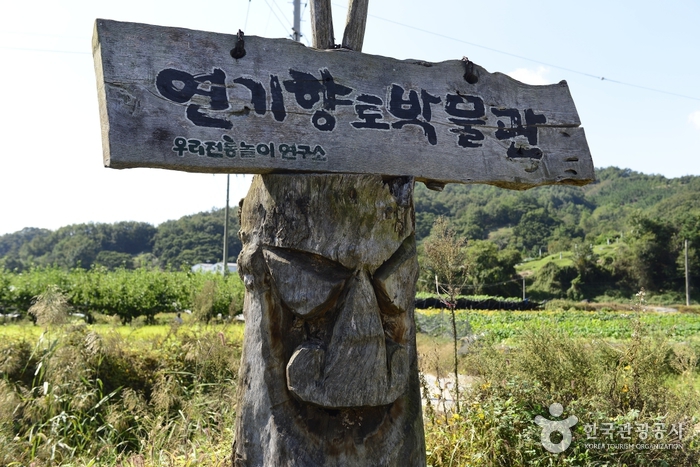
Yeongi Folk Museum (연기향토박물관)
34-4, Yangdae-gil, Yeonseo-myeon, , Sejong-si
Opened in August 1966, the Yeongi Folk Museum showcases relics found in the old site of Sejong Special Self-Governing City. Over 1,000 relics, including Buddhist statues, weapons, pagodas, earthenware, porcelain, bronze ware, roof tiles, paintings, letters, houseware, kitchenware, farming tools, and others are arranged by era.
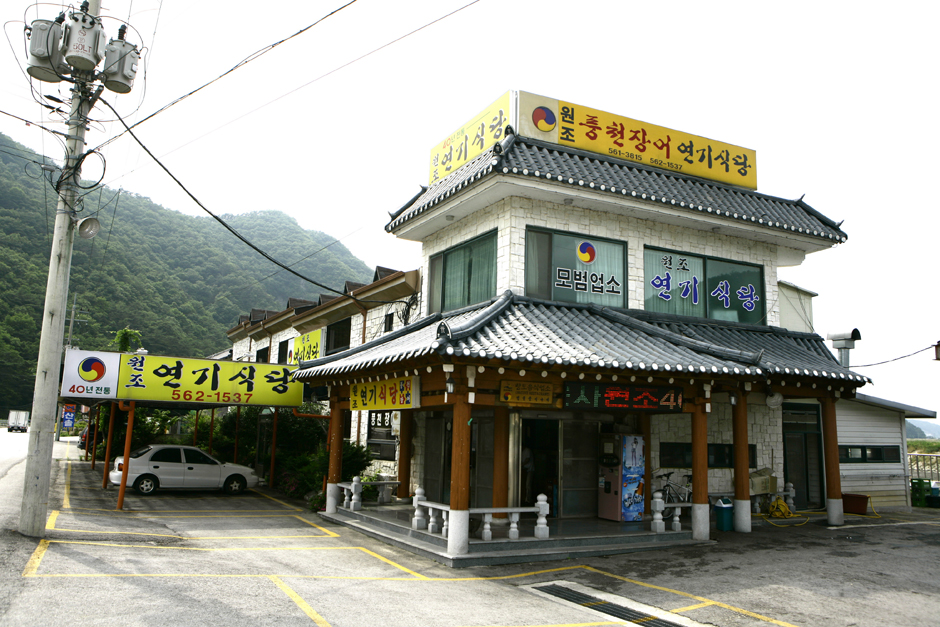
Yeongi Sikdang (연기식당)
전북특별자치도 고창군 아산면 선운대로 2727 2727 Seonun-daero, Asan-myeon, Gochang-gun, Jeonbuk-do
Known as the first restaurant in Gochang to serve grilled freshwater eel, the eel is cooked in the kitchen and served ready to eat, allowing for smoke-free dining experience. 'Jangeotang' (eel soup) is also available, along with a variety of side dishes including fried eel bones, 'Doenjangjjigae' (soybean paste jjigae), chive salad and freshly made acron jelly, making for a more filling, satisfying meal. Mudflat Eel is also available.

Yeongil Meat Restaurant (영일식육식당)
5-8 Cheongha-ro 192beon-gil Cheongha-myeon, Buk-gu, Pohang-si, Gyeongsangbuk-do
A restaurant that actors and staff loved This is a restaurant that actors and staff used to use while they were there for filming. The menu consists mainly of meat from various cuts, but it is fresh and of high quality, so there are many regulars. Among them, the most popular Stir-fried Pork is delicious when cooked over a fire and simmered in the soup. The side dishes provided when ordering are also neat and tasty.
Yeongildae Beach (영일대해수욕장)
95, Haean-ro, Buk-gu, Pohang-si, Gyeongsangbuk-do
With an area of 406,613.4 m² and a length of 1,750 meters, Yeongildae Beach is the largest beach on Korea's eastern coast. Along with Songdo Beach, it is known as one of the most popular beaches in Pohang. It is a great place for families and friends during summer vacations. The beach has several lodging facilities and restaurants that offer fresh seafood and hoe (sliced raw fish) nearby.
Yeonginsan Recreational Forest (아산 영인산자연휴양림 숲속야영장)
16-26, Asanoncheon-ro, Asan-si, Chungcheongnam-do
Yeonginsan Recreational Forest is situated on Yeonginsan Mountain in Asan-si, Chungcheongnam-do. The summit of the mountain provides a panoramic view of the surroundings including the west sea, Sapgyocheon Stream, and more. Various facilities are also available including accommodations and water play site. There are many tourist attractions nearby for visitors to enjoy.
Yeongjin Beach (영진해변)
357-155 Yeongjin-ri, Yeongok-myeon, Gangneung-si, Gangwon-do
Yeongjinhaebyeon Beach is a quiet and clean beach filled with the blue hue of the sea, making it a popular attraction among the locals. Compared to other East Sea beaches in Gangwon-do, the waves are not as rough and there are many rocks around the beach so children can have fun playing in the water. The beach is a popular vacation spot among people who are seeking to relax in peace.◎ Travel information to meet Hallyu’s charm - TV series"Guardian: The Lonely and Great God"This is the place where Eun-tak blows out the candles for her nineteenth birthday and meets Kim Shin. Kim Shin hands over a bundle of buckwheat flowers, which symbolizes “lover,” to Eun-tak, as a foreshadowing of their fate. The breakwater that the two were standing on is still a popular tourist spot visited by many fans of the show.
Plan your Korea trip
Korea travel FAQ
How do I use the travel search?
Enter a place or interest, then narrow the results by region, category or sort order.
Will my filters stay selected on the next page?
Yes. Your search and filter choices stay in the page URL while you move through the results.
Can I find directions to each place?
Place pages include an external Google Maps search when coordinates or an address are available.
Source: Korea Tourism Organization, official website (https://knto.or.kr).