TRAVEL IN KOREA
Korea Places to Visit
Find attractions, culture, festivals, stays, restaurants, shopping and travel courses for a clear Korea trip plan.
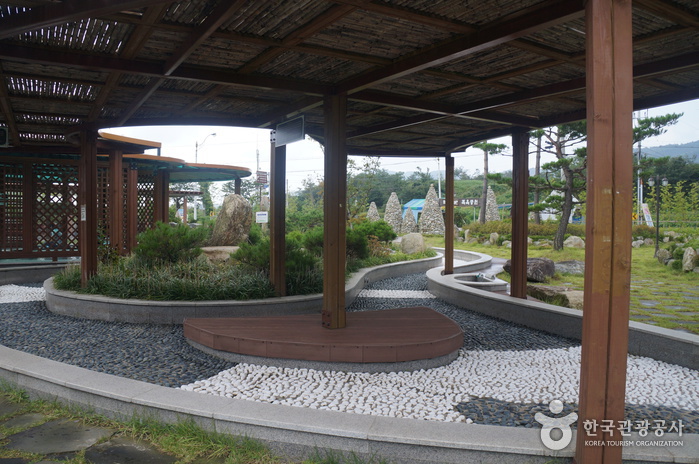
Cheoksan Hot Springs Zone (척산온천지구)
288 Gwangwang-ro, Sokcho-si, Gangwon-do
Cheoksan Hot Springs Zone, located in Sokcho, is a village dedicated to hot spring tourism. Key attractions like Cheoksan Spa & Hotel, Cheoksan Hot Spring Bath, and Footbath Park have been sequentially built to shape the area as it is known today. It offers a unique expereince where visitors can soak in warm hot springs while viewing the snow-capped Seoraksan Mountain, expecially during the cold winter months. Situated just a 10-minute drive from Seoraksan Mountain, this village serves as an ideal relaxation spot after a day of hiking.
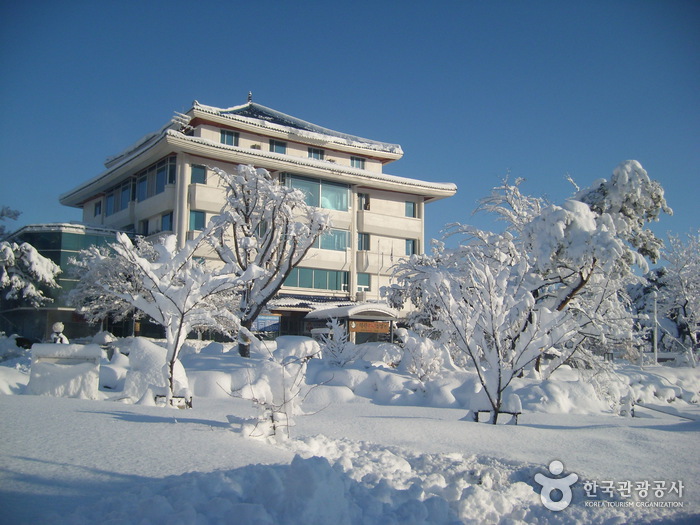
Cheoksan Spatel ( (주)척산온천휴양촌)
327, Gwangwang-ro, Sokcho-si, Gangwon-do
Opened in 1985, Cheoksan Spatel is a natural hot springs with strong alkaline water at 53℃, formed 4000 m below sea level. The water is said to be highly effective in the removal of impurities and treatment of skin conditions. Rooms available include both bedrooms and ondol (under-the-floor heating system) rooms. Each room has a small bath supplied with hot springs water in the bathroom. Guests are also offered a single-use ticket to the hot springs area. There are plenty of onsite facilities as well, from the hot springs area with many different types of baths to ladies-only spa therapy at Spa Healing Center, walking paths through a pine grove, and an observation deck with a view of Seoraksan Mountain’s Ulsan Peak. Other attractions, such as Sokcho Museum, Seoraksan Botanical Garden, and Cheongchoho Recreation Area, is reachable by car in 10 min.
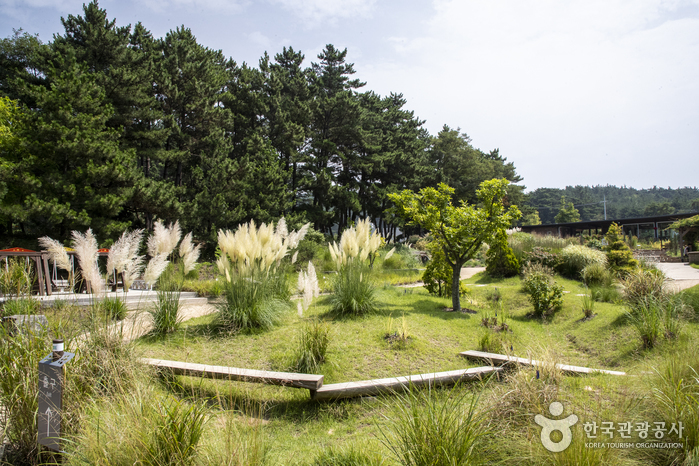
Cheollipo Arboretum (천리포수목원)
187, Cheollipo 1-gil, Taean-gun, Chungcheongnam-do
Cheollipo Arboretum is located on the tip of the Taean peninsula, and was founded by Min Byung-gal (Carl Ferris Miller), the "blue-eyed Korean." Min purchased the land in 1962 and starting in 1970, many trees were planted in earnest. At that time, the park was only open to experts in related fields and members who helped fund the arboretum. In 2009, select sections of the arboretum were finally opened to the general public. The arboretum features more than 16,830 kinds of plants (as of October 2022), including holly, magnolia, camelia, and maple trees, as well as five varieties of Rose of Sharon, the national flower.
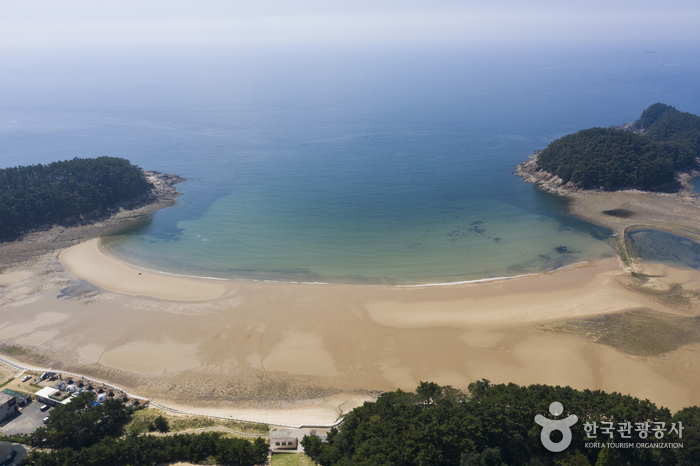
Cheollipo Beach (천리포해수욕장)
265-3, Cheollipo 1-gil, Taean-gun, Chungcheongnam-do
Cheollipo Beach is among the many beaches located within Taeanhaean National Park. It is located 2 kilometers north of Mallipo Beach, a well-known beach in Taean. Another 2 kilometers north is Baengnipo Beach. The beaches in the park are characterized by shallow waters that are 1~2 meters deep with a 1-kilometer beach shore. In particular, Cheollipo Beach is noted as an amazing sunset spot, making it a popular attraction regardless of swimming season.
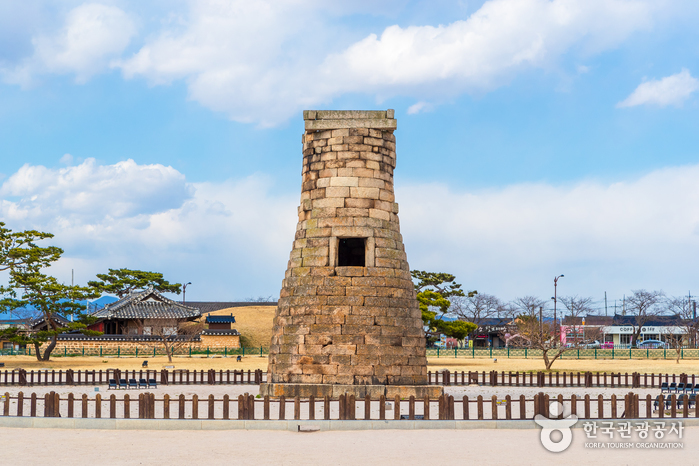
Cheomseongdae Observatory (경주 첨성대)
140-25 Cheomseong-ro, Gyeongju-si, Gyeongsangbuk-do
Cheomseongdae Observatory, constructed during the reign of Queen Seondeok (r. 632-647), is one of the landmarks of Gyeongju. The observatory was built in a cylinder shape at approximately 9 meters in height. The observatory consists of 365 stones, symbolizing the number of days in a year. The rocks are piled in 27 layers symbolizing the 27th ruler, Queen Seondeok, and the days in a lunar month by adding the of two rock layers on top.◎ Travel information to meet Hallyu’s charm - "A Good Day to Be a Dog"Cheomseongdae Observatory, where Bo-gyeom and Ji-ah, bound by a special fate, encounter each other, is the landmark that represents the city of Gyeongju and one of the oldest astronomical observatories in the world. In addition to its superlative value as a historical site, it is also popular as a tourist destination thanks to flowers and plants that bloom each season.
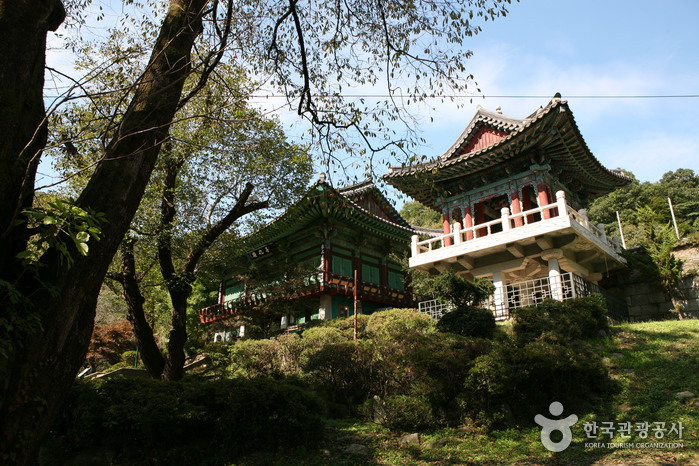
Cheonan Gwangdeoksa Temple (광덕사(천안))
30, Gwangdeoksa-gil, Dongnam-gu, Cheonan-si, Chungcheongnam-do
Gwangdeoksa Temple is said to be established in 637 by Monk Jajang Yulsa during the Silla Kingdom and was refurbished during the reign of King Heungdeok (832). The temple sits in the southeast of Gwangdeoksan Mountain, which borders Asan-si and Cheonan-si, and the southwest of Taehwasan Mountain. It was the biggest temple within Chungcheong and Gyeonggi regions before the Japanese invasion. However, it was burnt down during the Japanese invasion and the main buildings such as Daeungjeon, Myeongbujeon and Cheonbuljeon Halls are relatively new compared to the other original facilities.
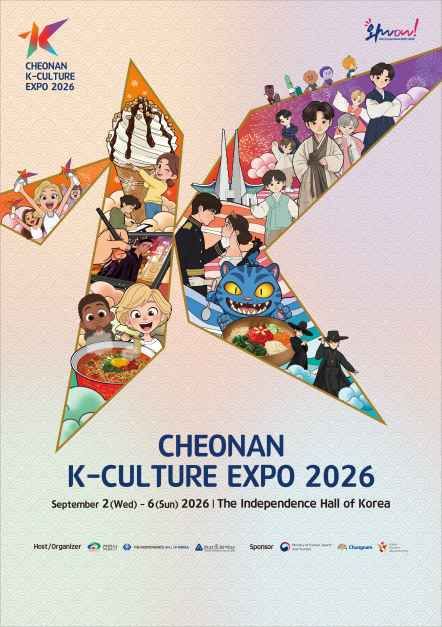
Cheonan K-Culture Expo (천안 K-컬처박람회)
1 Dongnipginyeomgwan-ro, Mokcheon-eup, Dongnam-gu, Cheonan-si, Chungcheongnam-do
The Cheonan K-Culture Expo is a K-culture–driven cultural industry fair held primarily at the Independence Hall of Korea, a landmark symbolizing Korea’s spirit of independence and national identity. Since its inaugural edition in 2023, the expo has been held annually for three consecutive years, integrating exhibition, performance, interactive, and consumer-oriented programs into a comprehensive cultural platform. Through ongoing collaboration with the Independence Hall, cultural and arts institutions, and regional industries, the expo continues to strengthen its operational stability while expanding its scale and scope.

Cheonan World Dance Festival (천안흥타령춤축제)
208 Beonyeong-ro, Seobuk-gu, Cheonan-si, Chungcheongnam-do
The Cheonan World Dance Festival is a global event that brings everyone together through dance, transcending nationalities and language barriers. Dancers from all over the world gather in Cheonan to participate in various festival programs. The National Dance Competition is the highlight of the festival, with a total prize of about 100 million won. There is also the Street Dance Parade across the city center and the International Dance Competition in which dance teams from across the globe participate. Other shows include the energetic performances of the National University Cheerleading Competition and the exciting “Improv Dance Battle,” where everyone can join in on the fun.
Cheonbuk Green Barley Field (천북 청보리밭)
Haman-ri, Cheonbuk-myeon, Boryeong-si, Chungcheongnam-do
Cheonbuk Green Barley Field in Boryeong has become a sought-after destination after gaining popularity on social media for its picture-perfect scenery. This beautiful lush green barley field was also featured in K-dramas, making it a favorite attraction for K-drama fans and travelers alike. Visitors are advised to be careful and not step on the barley while taking pictures. The entrance ticket comes with a drink coupon, redeemable at the café within the fields.
Cheonbuk Oyster Complex in Boryeong (보령 천북굴단지)
Cheonbuk-myeon, Boryeong-si, Chungcheongnam-do
Cheonbuk Oyster Complex in Boryeong is a place near the Hongseong Embankment where various restaurants specializing in oysters are clustered. Boryeong is known for its abundant oyster production, with those caught between November and February considered the finest. In December, the Cheonbuk Oyster Festival is held, featuring events for tourists. Here, visitors can taste a variety of dishes made with oysters, including grilled oysters, raw oysters, and oyster rice.
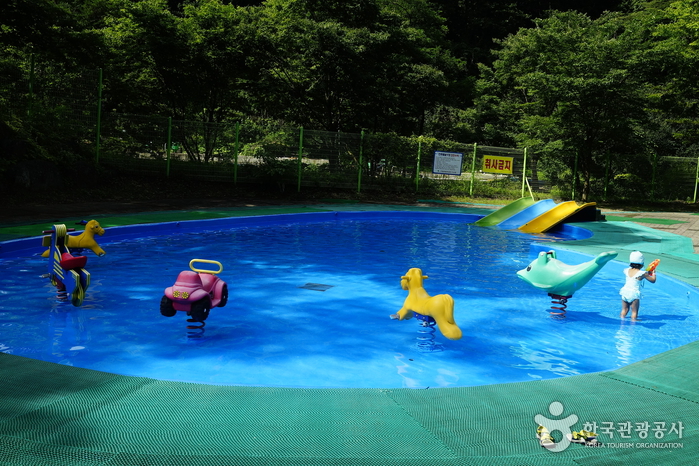
Cheondong Tourist Area Water Park (천동관광지 물놀이장)
534, Darian-ro, Danyang-eup, Danyang-gun, Chungcheongbuk-do
Cheondong Tourist Area’s Water Park is an outdoor water park that opens temporarily in July and August. It has separate pools for adults and children, a lazy river, and a high slide pool. The campground within the Cheondong Tourist Area allows visitors to stay overnight. Nearby tourist sites include Dodamsambong Peaks, Ondal Tourist Area, and Mancheonha Skywalk.
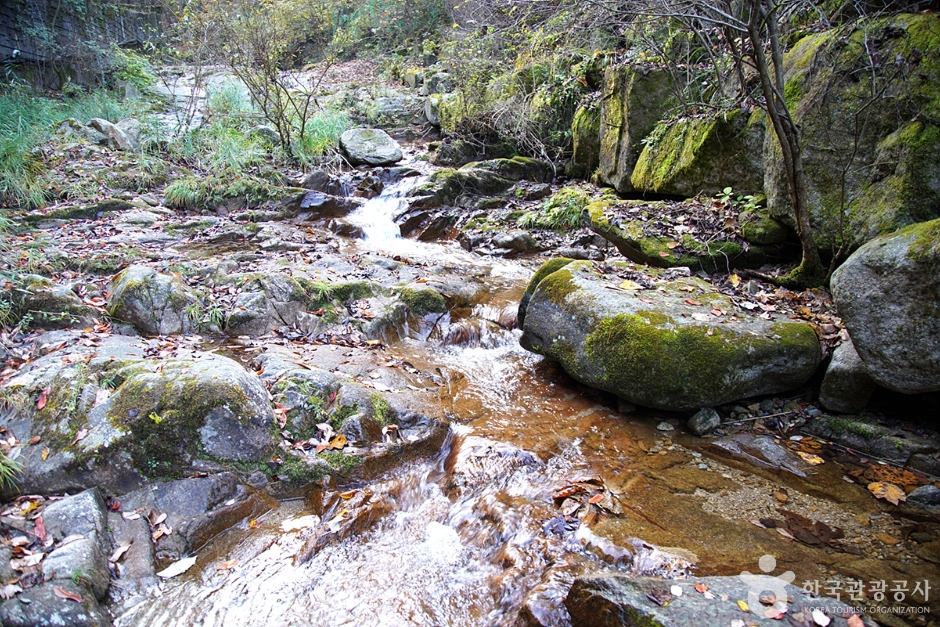
Cheoneunsagyegok Valley (Wonju) (천은사계곡(원주))
Gwirae-ri, Gwirae-myeon, Wonju-si, Gangwon-do
Cheoneunsagyegok Valley is located at the entrance to the hiking trail to Baegunsan Mountain. The area is adorned with a diverse array of tree species, including pine trees, creating an ideal environment for woodland walks. Stretching for about 500 meters from the entrance to Cheoneunsa Temple, the valley features clear, cool waters and broad rocks, making it a favored destination for summer vacationers.
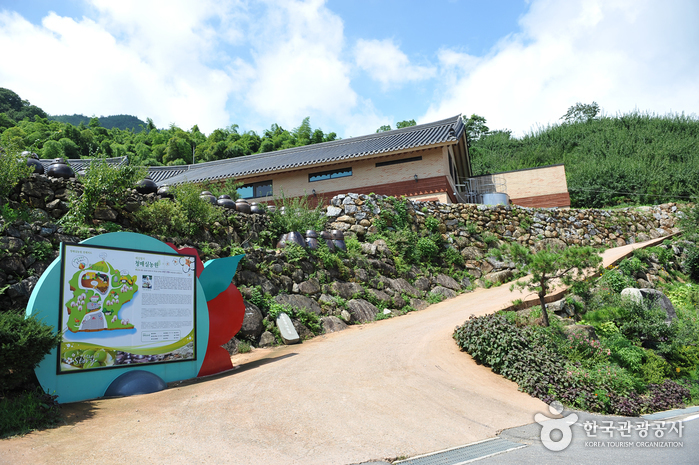
Cheong Maesil Farm (홍쌍리 청매실농원)
55 Jimak 1-gil, Daap-myeon, Gwangyang-si, Jeollanam-do
Cheong Maesil Farm sprawls across an expansive area of over 165,000 m 2 at the foothills of Baegunsan Mountain, which rises to an elevation of 1,217 meters. The farm has been lovingly tended to by the renowned Plum Blossom Doctor, Hong Ssang-ri, for decades, drawing visitors from all over the country. In March, Cheong Maesil Farm transforms into a breathtaking canvas of colors—with blue and red plums, the delicate lily trees and the vibrant cornelian cherries all blossoming in unison. For photo enthusiasts, the farm boasts a dedicated photo zone, while the Pavilion Observatory offers panoramic views that are a favorite among visitors. From this spot, one can marvel at the picturesque scenery of Gwangyang Maehwa Village, Seomjingang River, and Hadong Village on the river’s other side. Visitors in spring are recommended to attend the annual plum festival centered around Cheong Maesil Farm. Moreover, the nearby Gwangyang Plum Culture Center makes for an enriching stopover.
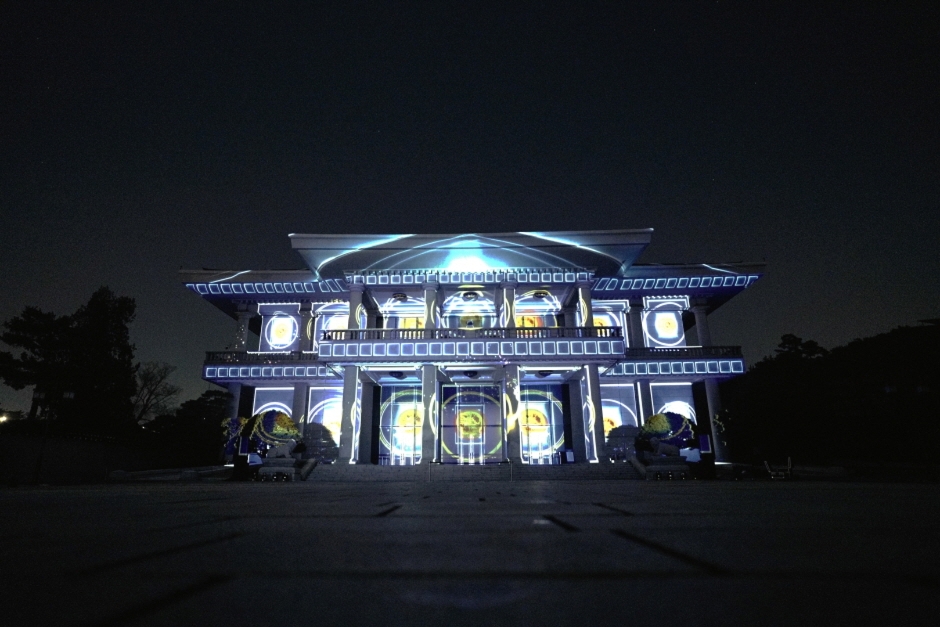
Cheong Wa Dae Media Display (청와대 국민과 함께 영상전시)
1 Cheongwadae-ro, Jongno-gu, Seoul
Cheong Wa Dae Media Display brightens the night through a media facade display on Yeongbingwan Hall. The display shows the history of Cheong Wa Dae through the theme "Twelve Lights".
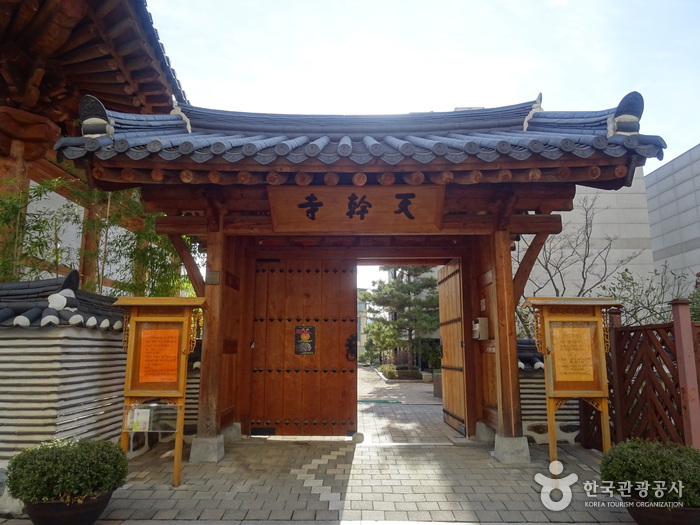
Cheongansa Temple (천간사)
20-8, Bulgwang-ro 10-gil, Eunpyeong-gu, Seoul
Cheongansa Temple was first built in 1960, and was re-built in 2009. It has many pagodas and monuments: a pagoda filled with sari relics of Buddha; Budotap Pagoda, which is a shrine to the monk who found the temple and his sacred relics; and a monument honoring the late first lady Yuk yeong-su. The re-built temple was awarded the Hanok Prize in the Hanok Competition 2011. Located along the Bukhansan Mt. Dulaegil Trail, the temple provide visitors with the chance to enjoy fresh air and a rest from hiking along the trail.

Cheongchoho Lake (청초호)
140 Expo-ro, Sokcho-si, Gangwon-do
Located in the heart of Sokcho, Cheongchoho Lake is a vast natural lagoon with a 5-kilometer circumference. Fed by the Misiryeong Valley of the Taebaeksan Mountain Range via Cheongchocheon Stream, the lake acts as a scenic bridge between the river and the East Sea. At its center sits Cheongchojeong Pavilion; reached by a 75-meter bridge, it offers panoramic views of Seoraksan Mountain and is celebrated as Sokcho’s finest night-view spot. The lakeside is adorned with dragon sculptures from local legend and features illuminated trails perfect for an evening stroll. Visitors can also explore the nearby Seok Bong Ceramic Museum of Art, a bird sanctuary, and the 73.4-meter Expo Tower, a landmark from the 1999 Gangwon International Travel Expo.
Plan your Korea trip
Korea travel FAQ
How do I use the travel search?
Enter a place or interest, then narrow the results by region, category or sort order.
Will my filters stay selected on the next page?
Yes. Your search and filter choices stay in the page URL while you move through the results.
Can I find directions to each place?
Place pages include an external Google Maps search when coordinates or an address are available.
Source: Korea Tourism Organization, official website (https://knto.or.kr).