TRAVEL IN KOREA
Korea Places to Visit
Find attractions, culture, festivals, stays, restaurants, shopping and travel courses for a clear Korea trip plan.
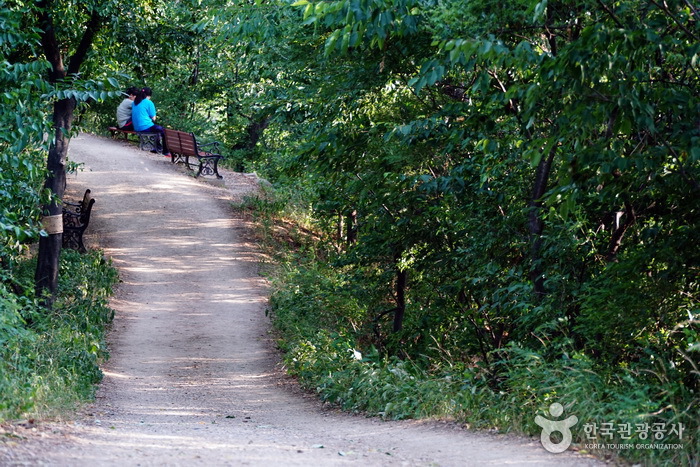
Daegu Dalseong Park (대구 달성공원)
35 Dalseonggongwon-ro, Jung-gu, Daegu
Daegu Dalseong Park is the oldest outdoor leisure place in Daegu. The park was once a fortress location of Dalgubeol, a tribal country of the Three Kingdoms Era. The area was established as a park in 1905, and in 1965, the city of Daegu transformed the park into the well-organized leisure area loved by citizens and visitors today. Within the park is Historical Monument Gwanpungnu Pavilion, built in 1601 and moved from the entrance of Gyeongsanggamyeon to the park in 1906.
Daegu Donghwasa Temple (동화사(대구))
1 Donghwasa 1-gil, Dong-gu, Daegu
Donghwasa Temple is located on the south side of Palgongsan Mountain, about 22 km northeast of Daegu. It was built by Monk Geukdal in the 15th year of King Soji’s reign (AD 493). The original name of the temple was Yugasa Temple, but Simjiwangsa rebuilt the temple under King Heungdeok (r. AD 826-836) and named it Donghwasa Temple, which means "the paulownia tree blooms even in winter," in reference to the blooming trees around the temple. Most of the present temple buildings were constructed between 1723 and 1732.
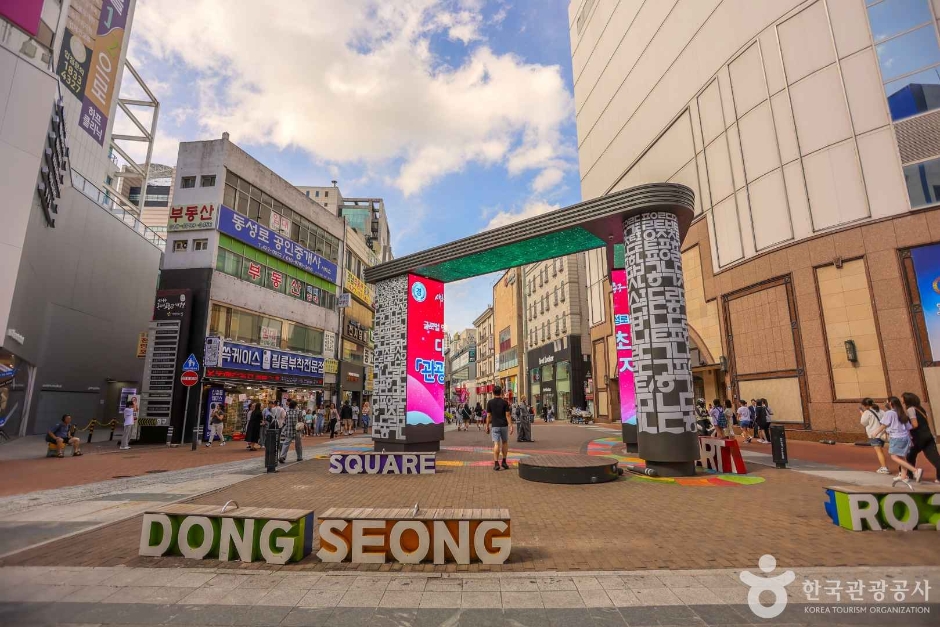
Daegu Dongseong-ro Street (대구 동성로거리)
27 Dongseong-ro 2-gil, Jung-gu, Daegu
Dongseong-ro Street, named for its location in relation to the old Daegueupseong Walled Town's wall, is the epicenter of youth culture in Daegu. It is the central business district, stretching 900 meters from Daegu Station Intersection to Art Square. In addition to the many name brand shops located here, the street includes performance stages and event squares, creating a lively environment. The street is divided into various sections, making it easy for first-time visitors to find their way around.
Daegu Duryu Park (대구두류공원)
161, Duryugongwon-ro, Dalseo-gu, Daegu
Daegu Duryu Park was built near Duryusan and Geumbongsan mountains in 1977. The park encompasses the area of Duryusan Mountain including E-World all the way to Geumbongsan Mountain behind Daegu Culture and Arts Center. The name Duryusan came from the fact that the mountain is spread out in a circular form. The total size of the park is approximately 1.7 million ㎡ at a x_height of 135 meters above sea level. Various statues and memorials including 2ㆍ28 Memorial Tower that commemorates the high school students who started the 4ㆍ19 Revolution, as well as a statue of Yi Sang-hwa and more can be found along the Duryu Park circular road. After the opening on October 1977, the park added a soccer field, a baseball field and other recreational facilities as well as private libraries that provide convenience to the citizens.
Daegu Fatima Hospital (대구파티마병원)
99 Ayang-ro, Dong-gu, Daegu
Founded in 1956 by the Benedictine Sisters of the Missionary Order of Tutzing, the hospital aims to fulfill the Catholic Church's tradition of apostolic healing through Jesus Christ. Comprising 31 medical departments, the hospital opened an International Medical Center in 2010, offering international patients a one-stop service encompassing everything from appointment scheduling, registration, payment, interpretation, and insurance claims. The hospital assists not only USFK personnel and overseas private insured individuals, but also patients with critical illnesses from Russia, Kazakhstan, Mongolia, and other countries with surgical, therapeutic, and health screening services.
](https://tong.visitkorea.or.kr/cms/resource/38/4017238_image2_1.jpg)
Daegu Goods [Tax Refund Shop](대구굿즈)
1F, 69, Seoseong-ro 14-gil, Jung-gu, Daegu
Daegu Goods is a creative souvenir brand that captures the urban brand assets and cultural characteristics of Daegu Metropolitan City. It plans and sells sensory-designed accessories so that citizens and tourists who love Daegu can cherish memories of the city.
Daegu Gyesan Cathedral (대구 계산동성당)
10 Seoseong-ro, Jung-gu, Daegu
Daegu Gyesan Cathedral is one of Daegu's main churches, designed by Father Poisnel, who also designed Myeongdong Cathedral and imported stained glass for the windows directly from France. Being located in the city center, the cathedral is especially beautiful when seen at night.
Daegu Jeil Church (대구제일교회)
50, Gukchaebosang-ro 102-gil, Jung-gu, Daegu
Daegu Jeil Church is the oldest Protestant Church in Gyeongsangbuk-do Province. Initially established in 1898 over four tile-roofed houses, Daegu Jeil Church was rebuilt in 1933 with traditional and Western architectural designs. Subsequently, Deacon Lee Ju-Yeol dedicated a 33m bell tower in 1937, whlie the church underwent an interior renovation in 1969, and an expansion in 1981. In conjuction with its physical development, which was at the forefront of the nation's architectural modernization, the church contributed largely to modernization and expansion of Christianity in the region as well as in Korea. In addition, by introducing modern medicine and education to the citizens of Daegu, the founders of Daegu Jeil Church stimulated social development in the region.
Daegu Korean Chinese Association (대구화교협회)
34, Jong-ro, Jung-gu, Daegu
Daegu Korean Chinese Association building is a red brick two-story Western-style house built in 1929. Seo Byeong-guk, a rich man in Daegu, entrusted the design and construction to Mo Mungeum, a Chinese architect. It is a flat rectangular structure, and the protruding granite porch balances left and right symmetry. There is a theory that the bricks were brought from Pyeongyang and the woods from Geumgangsan Mountain. It was also used as an HID (Headquarters of Intelligence Detachment) building. There is one building, a playground, a statue of Chiang Kai-shek, and a mural of a Chinese figure painted at the entrance. It is a representative modern building in the Daegu area that boasts a beautiful appearance and is currently used as the office of the Daegu Korean Chinese Association. It was designated as a National Registered Cultural Heritage on June 19, 2006, as it shows the style of modern architecture in the 1930s, not many examples of which are left. This is the last stop of Daegu Modern Alley Tour Course 2.
Daegu Modern History Museum (대구근대역사관)
67 Gyeongsanggamyeong-gil, Jung-gu, Daegu
Located in Pojeong-dong, Jung-gu, Daegu, the Daegu Modern History Museum was officially opened on January 24, 2011. The museum is housed in a building that is rich in history. First built by Japan in 1932 as a bank, the building was once a symbol of repression and exploitation during the Japanese colonial rule. Today, the building stands proudly as an educational site and bears the title of ‘Cultural Property No. 49’ in recognition of its historical and cultural significance. The two-story museum (1,971 square meters) houses a permanent exhibition (1F), featured exhibition (2F), and a hands-on exhibition room and classroom for diverse cultural activities and lectures. The history exhibition features the lifestyle of Daegu citizens, local customs, and education of the late 19th century and the early 20th century.
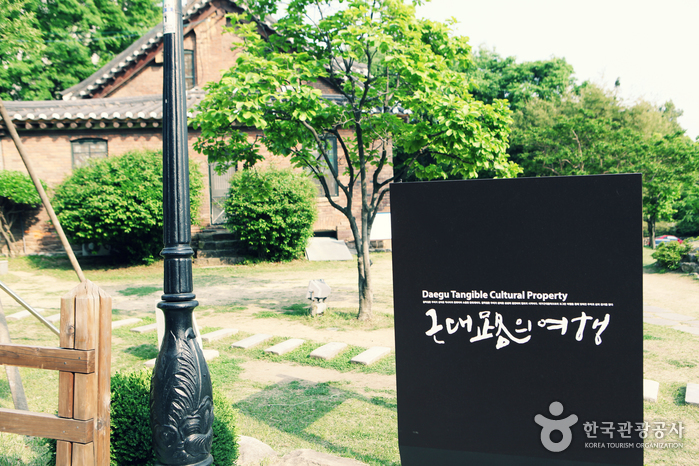
Daegu Modern History Streets (Tour of Modern Streets) (대구 근대골목(근대로의 여행))
66, Gukchaebosang-ro 102-gil, Jung-gu, Daegu
Daegu Modern History Streets is an experiential tour that brings the participants across Daegu’s alleyways and living history. During the Korean War, Daegu was much less damaged than other regions. Because of that, the city retains the changes in lifestyles before and after the war relatively well. There are 13 courses in total, run by regional self-governance groups in Daegu, defined according to different themes and areas. The most popular among them is Course 2, the Modern Cultural Street, which takes visitors on a tour of major sites associated with Daegu’s modernity. Follow the retro aesthetics and the history of Daegu and Korea along places like Kyesan Catholic Church, Jeil Church, old houses, and the former Chinese Elementary School. Note that multilingual tours are offered to international visitors in English, Japanese, and Chinese, in regular tours (14:00 every Saturday) and on-demand tours (available for groups of more than 5). Reservations are offered on the official website.

Daegu National Museum (국립대구박물관)
321 Cheongho-ro, Suseong-gu, Daegu
Daegu National Museum was founded on December 7, 1994 to preserve and exhibit the unique cultural heritage of Daegu and Gyeongsangbuk-do. The museum is housed in a two-story brick building with one basement floor near Beomeo Park. The museum aims to promote the region's history and culture through educational programs.
Daegu National Science Museum (국립대구과학관)
20, Techno-daero 6-gil, Dalseong-gun, Daegu
At Daegu National Science Museum, children can explore the world of science while they play and participate in diverse hands-on activities. Various science programs provide opportunities for children to use their imagination and creativity as they engage in learning.
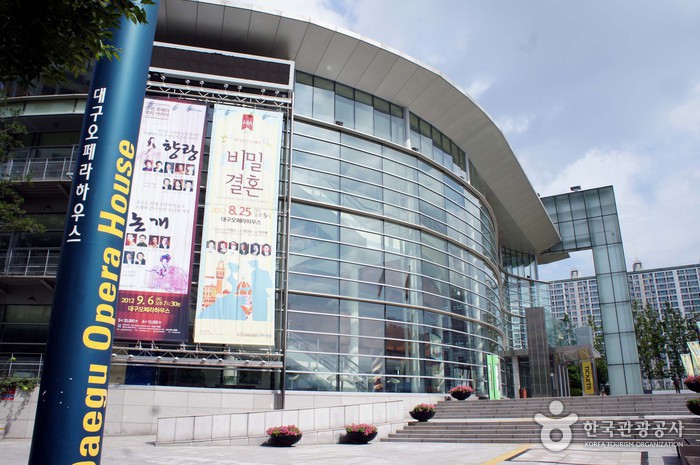
Daegu Opera House (대구오페라하우스)
15, Hoam-ro, Buk-gu, Daegu
Daegu Opera House is the first municipal opera house that opened in Korea. It is equipped with high-tech audio and lighting system, a revolving stage and an audience seats arranged in a horseshoe shape. The exterior of building is also quite exquisite, with a curvy glass roof designed to resemble a grand piano. The opera house holds a wide range of programs that are entertaining and affordable. There are also special performances for international visitors to ensure all who spend a night out at the opera have an enjoyable evening.
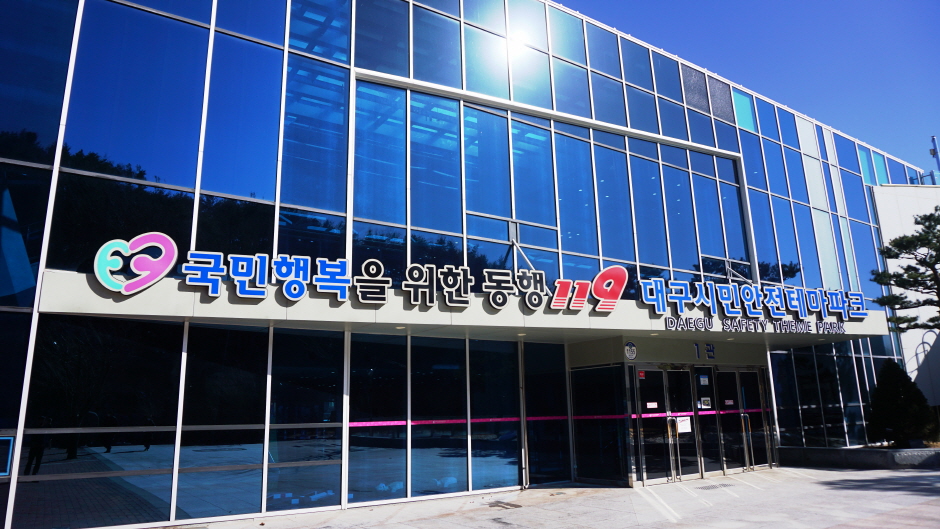
Daegu Safety Theme Park (대구시민안전테마파크)
1155, Palgongsan-ro, Dong-gu, Daegu
Daegu Safety Theme Park was established to provide citizens with education on safety measures in an emergency situation. The theme park has experience stations set up to demonstrate accidents one can encounter in their everyday life and provides an opportunity to exercise simulated safety drills. Noteworthy exhibition halls that provide practical and useful safety information include the Subway Safety Exhibition, Mountain Safety Exhibition, and Earthquake Safety Exhibition. All of the facilities throughout the park, including the exhibition halls and the safety education theater, are designed to emphasize the importance of safety.
Daegu Seomun Market & Seomun Night Market (대구 서문시장 & 서문시장 야시장)
45 Keunjang-ro 26-gil, Jung-gu, Daegu
Seomun Market opened in its current location in the 1920s after reclaiming the Cheonhwangdangji Reservoir, but it has a much longer history. In the Joseon dynasty, Seomun Market was one of three major markets in the nation. It was called Seomun Market because it was located on the west side of the Daegu Fortress. Despite relocating, the alleyways of the original market still feature names of the items available there, such as Hongdukkae Pancake and Chicken Pancake Alley. Textile-related goods are the main products available now, but they also offer a little bit of everything else, including silk goods, dry goods, undershirts, crafts, dishes, clothes, and dried seafood.
Plan your Korea trip
Korea travel FAQ
How do I use the travel search?
Enter a place or interest, then narrow the results by region, category or sort order.
Will my filters stay selected on the next page?
Yes. Your search and filter choices stay in the page URL while you move through the results.
Can I find directions to each place?
Place pages include an external Google Maps search when coordinates or an address are available.
Source: Korea Tourism Organization, official website (https://knto.or.kr).