TRAVEL IN KOREA
Korea Places to Visit
Find attractions, culture, festivals, stays, restaurants, shopping and travel courses for a clear Korea trip plan.
](https://tong.visitkorea.or.kr/cms/resource/55/4017255_image2_1.jpg)
Daechi Jongno Pharmacy [Tax Refund Shop](대치종로약국)
1F, 419, Dogok-ro, Gangnam-gu, Seoul
Daechi Jongno Pharmacy is a trusted pharmacy responsible for the health and vitality of students and residents in the center of education. It serves as a health mentor for local residents through customized health supplement consultations that enhance learning efficiency and meticulous medication guidance.
Daedong Sky Park (대동하늘공원)
182, Dongdaejeon-ro 110beon-gil, Dong-gu, Daejeon
Daedong Sky Park was formed as part of the Rainbow Project on December 2009. A giant windmill, which represents the park, is located 127 meters above sea level. Visitors can see an amazing panoramic view of the city as well as relax at one of the many benches and pagodas. A mural village connected to the Sky Park offers themed coffee shops and has become a popular attraction.
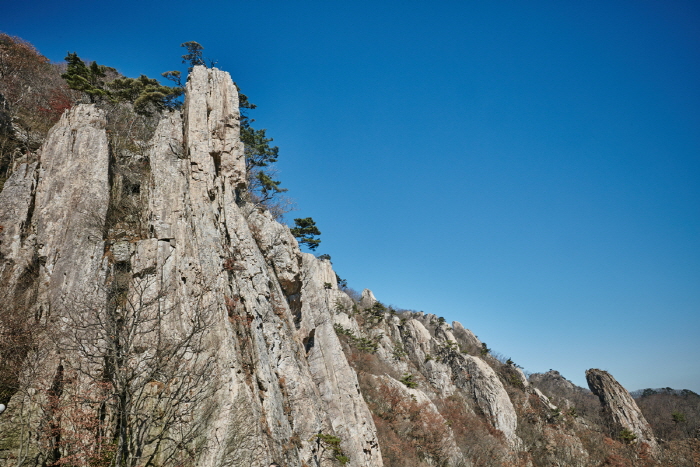
Daedunsan Provincial Park (Geumsan Section) (대둔산도립공원 (금산))
2, Daedunsan-ro, Geumsan-gun, Chungcheongnam-do
While the Wanju section of Daedunsan Provincial Park is more developed and rather larger than the Geumsan section, Geumsan has the distiction of being home to Taegosa Temple, the most important hertiage of the mountain. Daedunsan Mountain features many unique rock formations and small peaks with a clean environment. There are lush forests and beautiful valleys that turn crimson with the arrival of fall. Additional attractions of the park include a battlefield from the Imjin War (1592-1598), and Seokmun Gate, a stone gate before Taegosa Temple.
Daedunsan Provincial Park (Jeollabuk-do Section) (대둔산도립공원(전북))
611-34, Sanbuk-ri, Wanju-gun, Jeonbuk-do
Daedunsan Mountain is defined by the grandiose rock peaks of Macheondae Summit, Chilseongbong, Janggunbong, and Ambong Peaks, as well as surrounding strange rocks and lush trees that fill the area including Samseonbawi Rock, Yongmungol Valley and Geumgangmun Gate. The area spanning from Macheondae Peak to Nakjodae Peak along the northern ridge offers a magnificent view, especially of the sunrise and sunset from Nakjodae. Since its designation as a provincial park in 1977, Daedunsan Provincial Park has served as a scenic site equipped with recreational facilities including a cable car and Geumgang Suspension Bridge. A 5-minute cable car ride followed by a walk up the steep stairs leads to the suspension bridge, stretching 50 meters from Imgeumbawi Rock to Ipseokdae Pedestal. The park is also home to historic temples including Taegosa Temple of Jinsan, Ansimsa Temple of Unju, and Sinsounsa Temple of Byeolgok.
Daedunsan Provincial Park (Nonsan Section) (대둔산도립공원 (논산))
Surakgyegok-gil, Nonsan-si, Chungcheongnam-do
Daedunsan Mountain offers spectacular views and various scenic spots like Gunjigyegok Valley, Surakpokpo Falls, Macheondae Seonnyeopokpo Falls, Nakjodae Peak, Surakgyegok Valley, and more. In particular, the one-kilometer-high cliff and the unique rock formations at Surakpokpo Falls provide great scenery. Surakpokpo Falls and Gunjigyegok Valley are at the entrance of the hiking trail that leads up to Daedunsan Mountain. It is about a two-hour hike from Surakgyegok Valley to Macheondae Peak on Daedunsan Mountain.
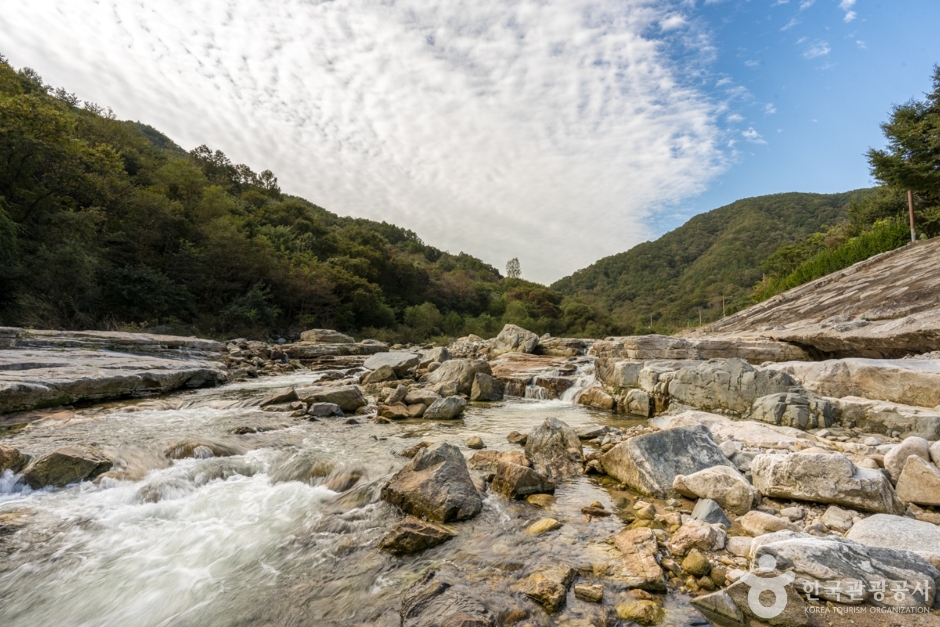
Daegacheongyeogok Valley (Muheulgugok) (대가천계곡(무흘구곡))
Sincheong-ri, Suryun-myeon, Seongju-gun, Gyeongsangbuk-do
Daegacheongyeogok Valley starts just past Seongju Dam and winds its way towards Cheongamsagyegok Valley in Gimcheon city. The valley's crystal-clear waters, combined with its unique rock formation, creates a spectacular view. Its broad expanse, gentle flow, and shallow depths make it a popular summer getaway. Lifeguards are on duty from early June to late August, providing safety for visitors. Additionally, the nearby Gayasan Mountain and Dogyongsanseong Fortress are worth exploring.
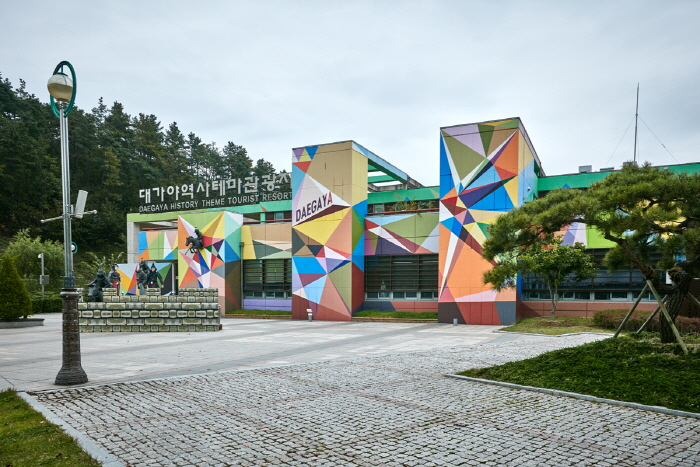
Daegaya History Theme Park (대가야 역사테마관광지)
1216, Daegaya-ro, Goryeong-gun, Gyeongsangbuk-do
Daegaya History Theme Park is located in what was the center of the Daegaya Kingdom. The park offers various areas to learn about not only the history of the area but also the current culture and the future of Goryeong. In particular, visitors can enjoy various items produced during the Daegaya era such as pottery, ironworks, and gayageum (traditional Korean string instrument), as well as visit the park's 4D theater and walk along the forest exploration trail.
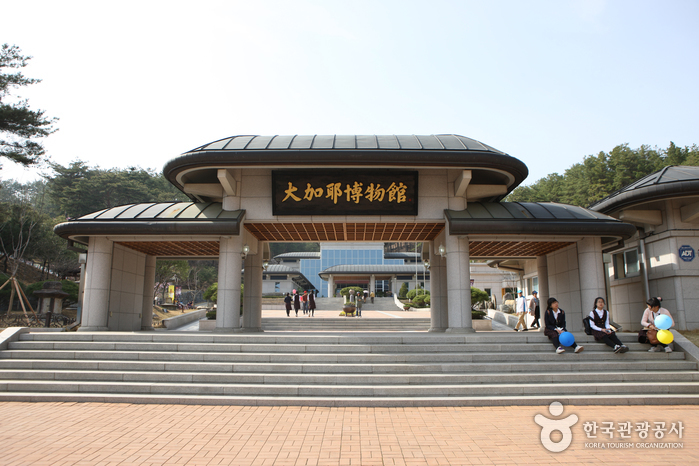
Daegaya Museum (대가야 박물관)
1203, Daegaya-ro, Goryeong-gun, Gyeongsangbuk-do
Daegaya Museum exhibits the history, culture, and customs of the Daegaya Kingdom. The museum consists of the Daegaya Royal Tomb Pavilion, the Daegaya History Pavilion, and Ureuk Museum. The Royal Tomb Pavilion is a 37 meter-wide dome that houses relics of the Jisan-dong Ancient Tombs, a Historic Site. It is essentially the restoration of the Jisandong Tumulus, the first large-scale sunjang (burial of the living with the dead). The History Pavilion houses a collection of relics from the Daegaya Kingdom, while holding special exhibitions and educational activities periodically. The outdoor exhibition center displays items that showcase the ancient lifestyle. Ureuk Museum is a dedicated to Ureuk, a Daegaya musician who invented the gayageum , a traditional Korean twelve-stringed instrument.
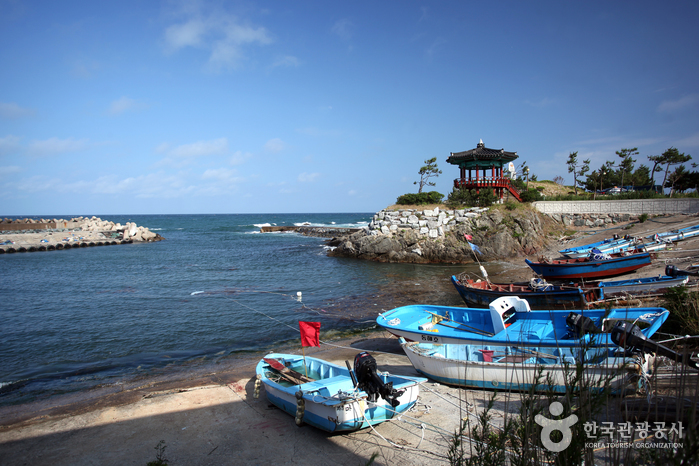
Daege Wonjo Village (Chayu Fishing Village) (대게원조 차유어촌체험마을)
Chuksan-myeon, Yeongdeok-gun, Gyeongsangbuk-do
The crabs caught from the sea near this village had legs that resemble bamboo shoots, earning the name "daege," combining the letters that mean bamboo and crab in Korean. The village was originally known as Chayu Village, meaning "to cross on a wagon," from during the Goryeo period because the village resembled a saddle on a wagon. But recently, it has been renamed Yeongdeok Daege Wonjo Village and a local monument has been established. The nearby Gyeongjeong Breakwater is famous among anglers.
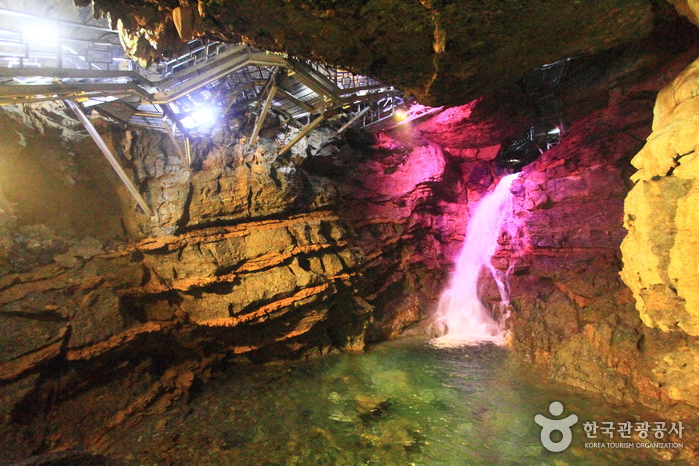
Daegeumgul Cave - Daei-ri Cave Area (대금굴 (대이리 동굴지대))
800, Hwanseon-ro, Samcheok-si, Gangwon-do
Daegeumgul Cave is believed to be as old as Hwanseongul and Gwaneumgul Caves located nearby. The entrance to the cave was exposed during an excavation project, and after a long preparatory period, the cave was opened to the public. This newly opened, well-preserved cave is filled with limestone features such as stalactites, and a considerable amount of water flows through the cave, creating waterfalls, both large and small, along with numerous ponds.
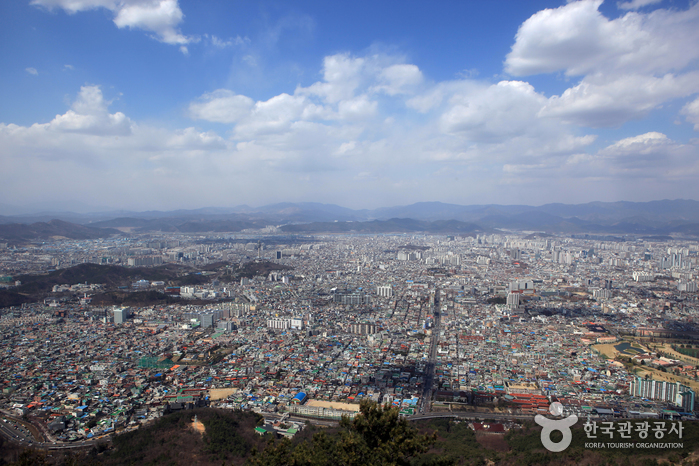
Daegu Apsan Park (대구앞산공원)
574-87 Apsansunhwan-ro, Nam-gu, Daegu
Daegu Apsan Park, as its name suggests, is a mountain park located in front of Daegu. It is a natural park where visitors can take a cable car to the summit observation deck and enjoy a panoramic view of the cityscape below. The park features numerous valleys, springs, as well as landmarks such as the Nakdong River Victory Memorial Hall, Chunghontap tower, youth training center, archery range, riding facilities, children's playground, library, museum, and botanical garden.
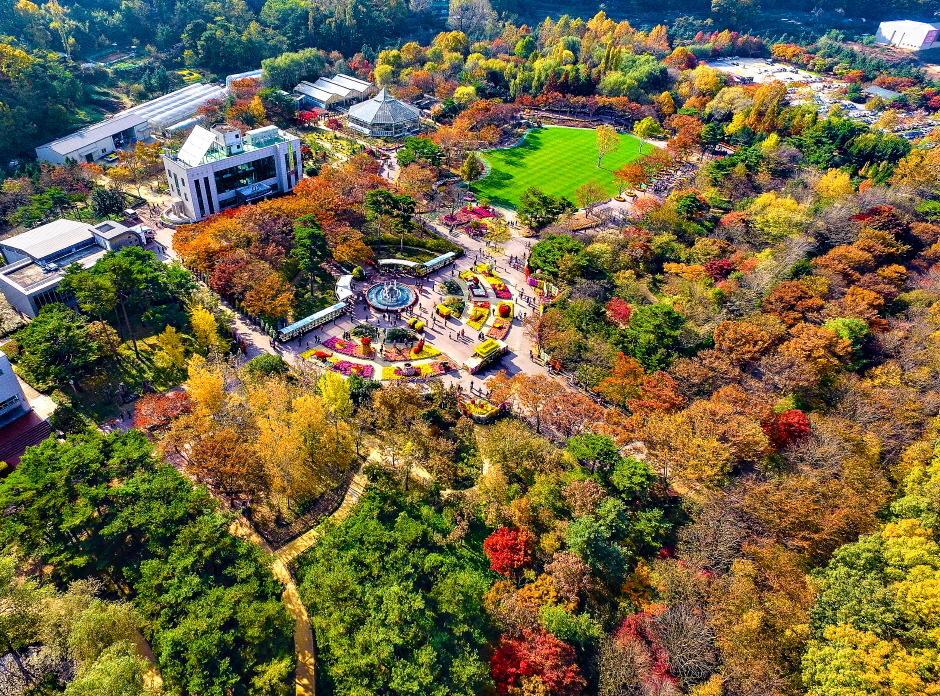
Daegu Arboretum (대구수목원)
342 Hwaam-ro, Dalseo-gu, Daegu
Daegu Arboretum is located at the site of an old sanitary landfill. The restoration of the area passed through many stages from 1996 until the opening in May 2002. It is home to more than thousands of species of plants including giant cacti, flowers, medicinal herbs, and trees in 21 gardens. The arboretum serves as an ecological education center and rest area for Daegu citizens. Ecology experience programs for students and young children are held regularly during summer vacation. Nearby attractions include Apsan and Duryu Parks, as well as Palgongsan and Biseulsan Mountains.
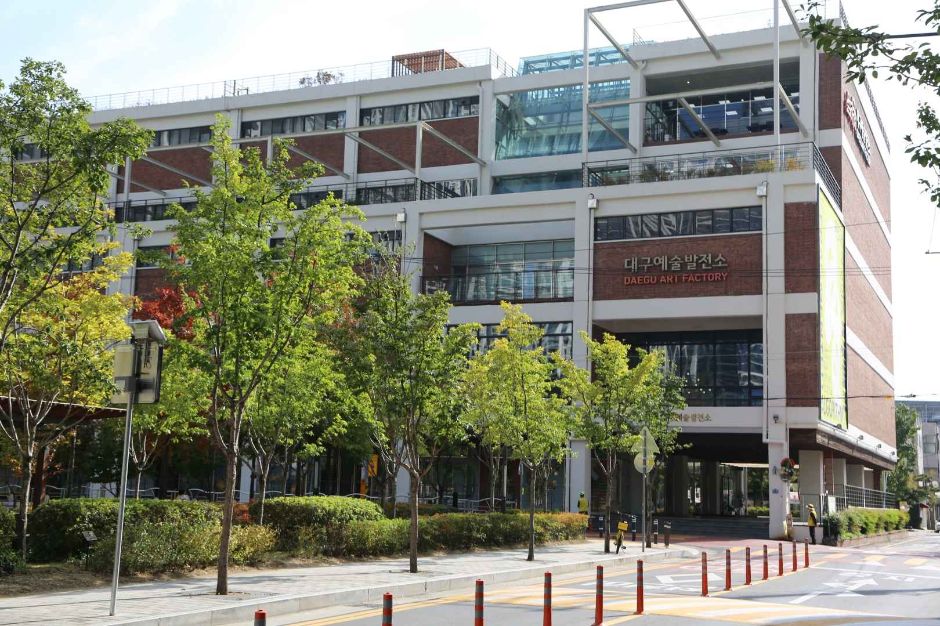
Daegu Art Factory (대구예술발전소)
31-12 Dalseong-ro 22-gil, Jung-gu, Daegu
Daegu Art Factory is housed in an old tobacco plant, renovated into a space for art and culture. It hosts various exhibitions dedicated to Korean and international artists. Some of these include exhibitions dedicated to Daegu’s modernity, works of young artists, experimental projects, AI-based exhibitions, seminars, and art lectures. Through these exhibitions, Daegu Art Factory is cementing its status as an important platform for art exchange in Daegu. There’s also a space for families (children’s book reading room) for greater accessibility.
Daegu Art Museum (대구미술관)
40, Misulgwan-ro, Suseong-gu, Daegu
Daegu Art Museum is a municipal museum supported by the Daegu Municipal Government. The museum holds exhibitions to promote Daegu's art advancement through the study of the art's historical value. The museum also has planned exhibitions introducing the social and artistic issues of the times and the leading trends in the art scene through domestic and overseas exchanges. Diverse performances and events such as academic programs and lectures with famous professors are offered to children, teens and citizens of all ages. The Art Information Center on the third floor within the museum library is where visitors can read art-related books or rest at the lounge. Grand opening: May 26, 2011

Daegu Chimac Festival (대구치맥페스티벌)
36, Gongwonsunhwan-ro, Dalseo-gu, Daegu
The Daegu Chimac Festival is Daegu’s signature summer festival and Korea’s largest food-and-drink event celebrating the much-loved pairing of chicken and beer. Since its launch in 2013, it has grown steadily, now drawing one million visitors and helping boost the local economy while raising Daegu’s profile as a global destination. Selected in 2026 for Korea’s Local 100 list and as a Preliminary Global Festival, this year’s event will run from July 1 to 5 in and around Duryu Park. Beyond chicken and beer, the festival offers a full lineup of performances, exhibitions, hands-on programs, and promotional booths. The main venue, 2.28 Freedom Square, will be transformed into a water concert zone where water play meets electronic music, with a new 360-degree central stage added this year. Across the festival grounds, visitors can explore themed zones such as Daefrica Waterpia, Chimac Sing-along Club, and Chisangnakwon EGG Island. Artist-designed installations and photo zones will bring even more energy to the festival grounds.
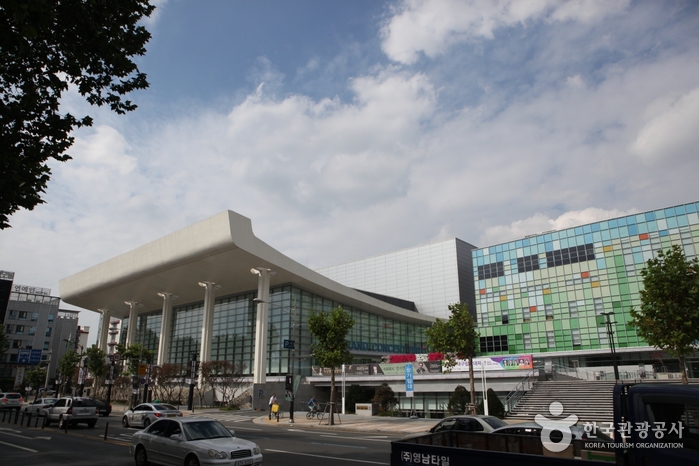
Daegu Concert House (Formerly Daegu Citizens' Hall) (대구콘서트하우스 (구.대구시민회관))
141, Taepyeong-ro, Jung-gu, Daegu
Daegu Concert House, previously Daegu Citizen’s Hall, had undergone renovations from April 2011 to August 2013 to reconstruct eaves and columns of the large concert halls and to build a performance support hall perfect for international concerts. The hall is equipped with sound facilities matching international standards. Grand Hall has 1,284 seats, Chamber Hall (small concert hall) has 248 seats, and the parking lot can accommodate a total of 387 cars throughout 215 spaces in the basement level parking lot and 72 spaces in the parking tower. In addition, the concert hall houses an exhibition hall, practice room, and community facilities. In particular, the Grand Hall offers vivid, visible, and acoustic effect by shortening the distance between the performers and audience so that it fits the international standard for concert halls with the best sound facilities.
Plan your Korea trip
Korea travel FAQ
How do I use the travel search?
Enter a place or interest, then narrow the results by region, category or sort order.
Will my filters stay selected on the next page?
Yes. Your search and filter choices stay in the page URL while you move through the results.
Can I find directions to each place?
Place pages include an external Google Maps search when coordinates or an address are available.
Source: Korea Tourism Organization, official website (https://knto.or.kr).