TRAVEL IN KOREA
Korea Places to Visit
Find attractions, culture, festivals, stays, restaurants, shopping and travel courses for a clear Korea trip plan.
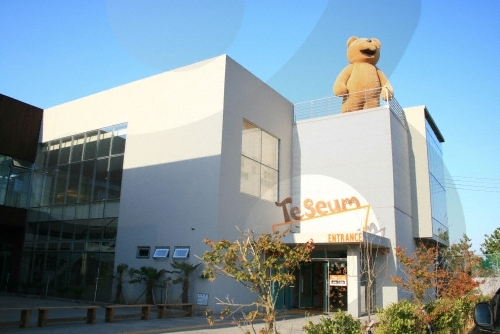
Jeju Teseum (제주테지움)
2159, Pyeonghwa-ro, Jeju-si, Jeju-do
Teseum Safari is a new concept museum, the first of its kind in the world, exhibiting stitched dolls shaped like wildlife animals, marine animals, flowers, birds and more. The wild animal zone on the first floor has a photo zone for visitors to take photos with lions, tigers, and elephants along with teddy bears. On the second floor, varied animal dolls like dolphins, sharks and marine animals such as octopus, turtle, flamingo, crane, and a flock of ducks are available. On the second floor of Building B, a 4m-tall teddy bear is available for children to play with by running around freely at the playground, as well as watching all the teddy bears appearing in a teddy drama “New Heart.” Teseum Art Gallery shows movie parody teddy bear, Greek mythology parody teddy bear, and world costume teddy bears. A gift shop sells various teddy bear goods and lovely teddy bears. A restaurant in the basement sells handmade pizza with personalized toppings is available. In particular, wish trees located throughout Building A on the first and second floors can be a special event for tourists.
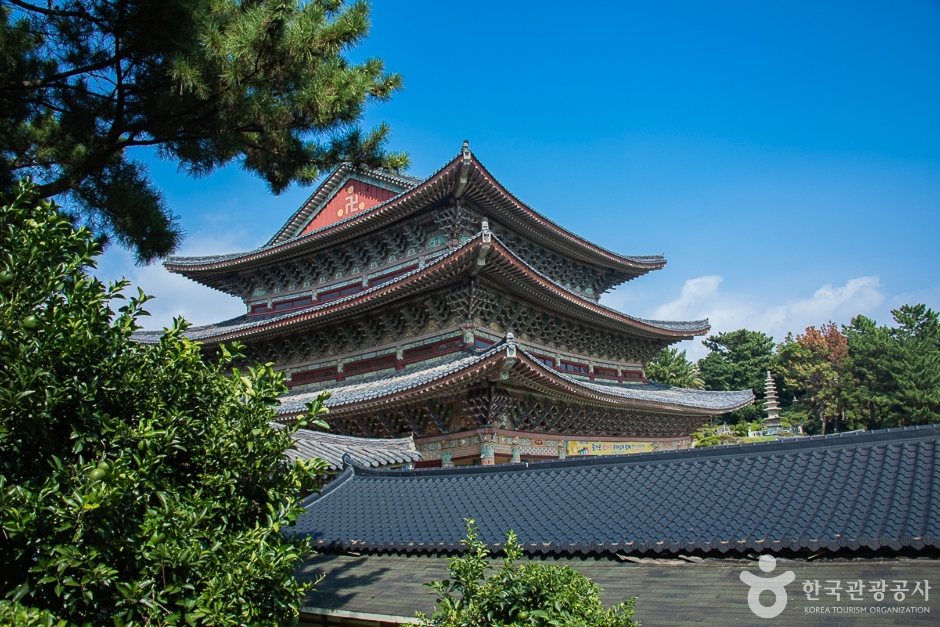
Jeju Yakcheonsa Temple (약천사(제주))
293-28 Ieodo-ro, Seogwipo-si, Jeju-do
Jeju Yakcheonsa Temple is the largest temple in Asia. Originally a small hermitage named Yaksuam, it was named Yakcheonsa because of a famous mineral spring ('Yaksu') nearby. It enshrines tombstones of two royal couples from the Joseon Dynasty: King Munjong and his consort, and King Yeongchin and his consort. The temple also offers temple stays for both Koreans and foreigners.
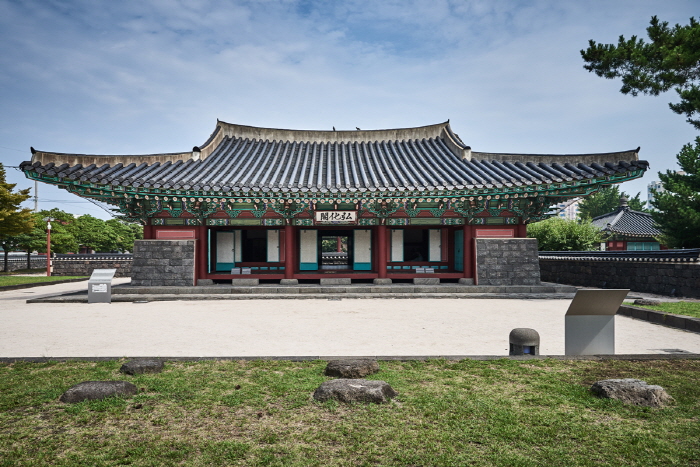
Jeju-mok Government Office (제주목관아)
25 Gwandeok-ro, Jeju-si, Jeju-do
The Jeju-mok Government Office was a gwana, or regional government office, that historically served as the center of Jeju Island’s political, administrative, and cultural activities, spanning from its early days as the State of Tamna through the Joseon period. A significant portion of the structure was destroyed in a fire in 1434, leading to subsequent rebuilding efforts. From 1991, archeological excavations were conducted in four stages, enabling the meticulous restoration of several key buildings within the complex. These include the Honghwagak Pavilion, Yeonhuigak Pavilion, Uyeondang Pavilion, Gyullimdang Pavilion, and Gwandeokjeong Pavillion, all of which were restored by December 2002. Additionally, the complex is known for hosting annual nighttime events.
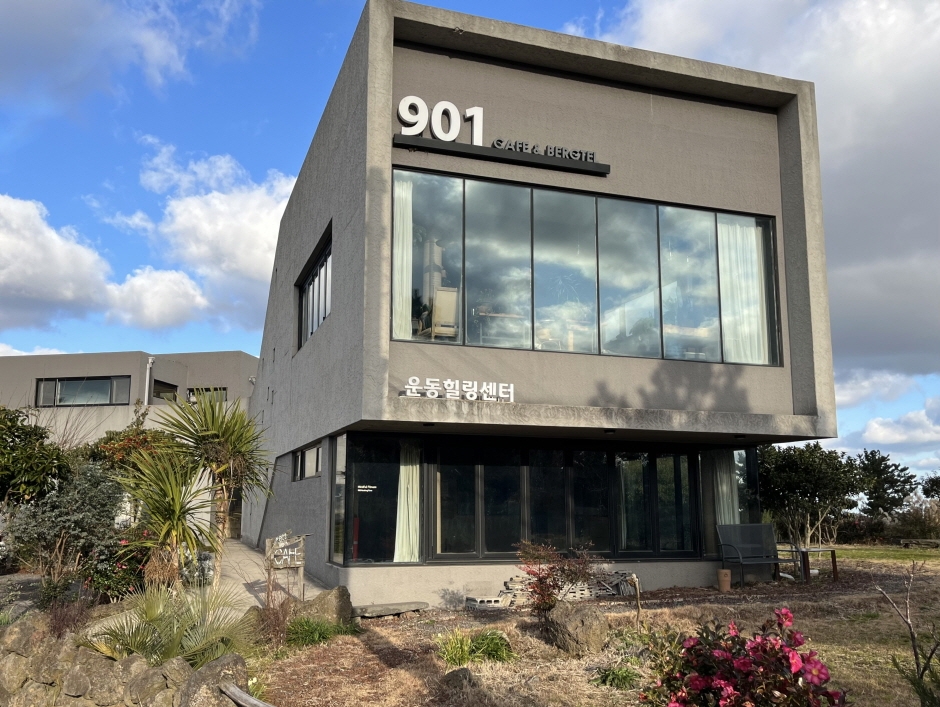
Jeju901 (제주901)
2977-10 1100-ro, Jeju-si, Jeju-do
Jeju901 is an accommodation facility located at the foot of Hallasan Mountain. It gained popularity as a wellness tourist destination thanks to its proximity to nature. It consists of the Stay, a cozy accommodation space, and a vegan café serving healthy vegan foods. Guest rooms are equipped with a queen-sized bed and a bathroom, as well as a table and a small refrigerator in the living room area. The skylight near the head of the bed offers beautiful night sky views. You can feel the nature of Jeju through the large guest room window. Jeju901 operates various wellness programs, including yoga, meditation, and special 'healing' lectures, allowing participants to connect with themselves and take a break from their busy daily lives.
](https://tong.visitkorea.or.kr/cms/resource/07/4043307_image2_1.jpg)
Jejusarang Agriculturare & Fisheries[Tax Refund Shop](제주사랑농수산)
66, Haengwon-ro 13-gil, Gujwa-eup, Jeju-si, Jeju-do
Jeju Sarang Agricultural & Marine Products is a local specialty brand that carefully captures the honest harvests of Jeju's land and sea. With a heart that loves Jeju's clean nature, we deliver trust and abundant flavors to customers' tables through carefully selected healthy food.
Jemincheon Stream (제민천)
201 Muryeong-ro, Gongju-si, Chungcheongnam-do
Jemincheon Stream is a living ecological stream that flows through the heart of Gongju, beginning in Geumhak-dong and joining the Geumgang River at Geumseong-dong. Restored through an ecological stream development project, it now features walking paths, natural-style paving, waterfront green spaces, and rest areas, creating a pleasant place for both residents and visitors. As an urban stream, it also serves as a cultural space where history, stories, nature, and people come together, offering a welcoming waterside environment for everyday relaxation.
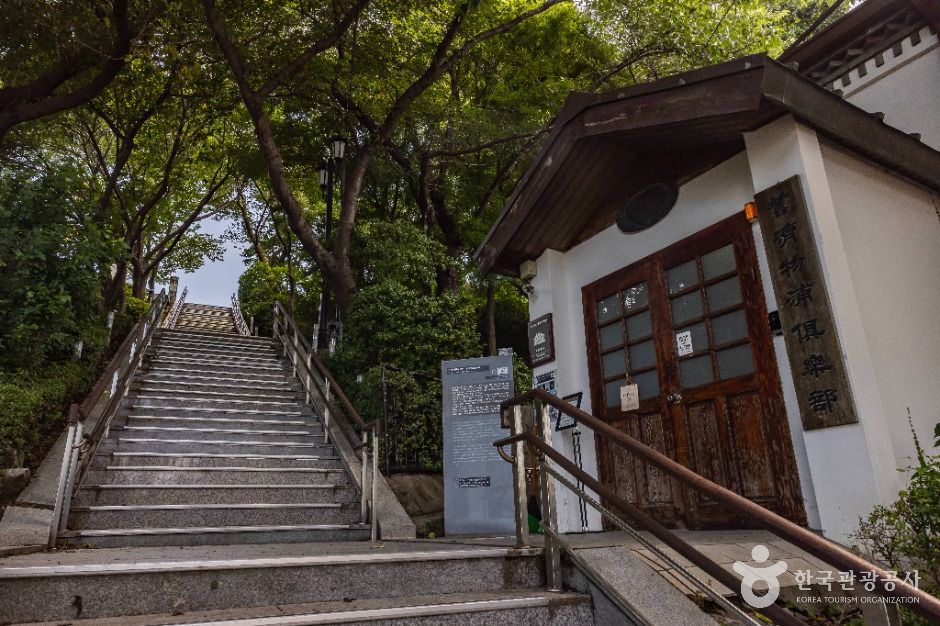
Jemulpo Club (제물포구락부)
25 Jayugongwonnam-ro, Jung-gu, Incheon
Jemulpo Club, also called Jeumulpo Gurakbu, was established in 1901 to be used as the venue for foreigners such as American, English, German, French, Russian and a small minority of Chinese and Japanese all living in Incheon to build up friendships before opening the port. The two-story brick building was comprised of a library room, pool table, tennis court and others facilities. The site was used as Incheon Museum from 1953 to 1990 and Incheon Cultural Center from 1990 to 2006. In 2007, the name was changed to Jemulpo Gurabu, imphasizing the Japanese pronunciation of "club." It now offers a site for experiencing modern culture interactions.
](https://tong.visitkorea.or.kr/cms/resource/96/4044196_image2_1.png)
Jenny Clinic Apgujeong Station Branch[Tax Refund Shop](제니의원 압구정역점)
5F, 38, Nonhyeon-ro 175-gil, Gangnam-gu, Seoul
Jenny Clinic is a skin and petit plastic surgery clinic that finds your own unique charm. Through 1:1 personalized consultations that listen to customers' concerns and delicate procedure programs, we complete a beauty that becomes brighter and more radiant every day.
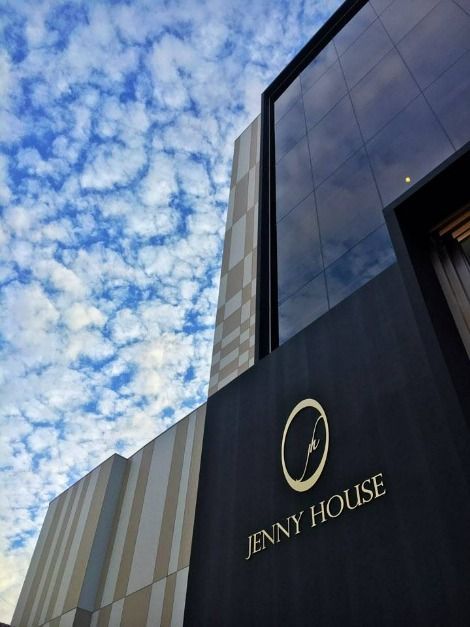
Jennyhouse (제니하우스)
56 Seolleung-ro 146-gil, Gangnam-gu, Seoul
Step into Jennyhouse, Korea’s top luxury beauty salon, for an unforgettable hair and makeup transformation. Renowned for its exceptional service and artistry, Jennyhouse is where celebrities like Son Ye-jin, Han Ji-min, and Suzy achieve their iconic looks. Upon booking a reservation, clients can choose from a range of services tailored to their style and needs. Whether it’s a glamorous red-carpet makeover, a trendy K-beauty hair transformation, or elegant wedding styling, Jennyhouse's team of 80 expert artists ensures a personalized experience. Expect cutting-edge techniques, top-tier products, and meticulous attention to detail. Jennyhouse offers the experience for clients to embrace the best of K-beauty and leave with a look that’s uniquely theirs. At Jennyhouse, every client walks out feeling confident, radiant, and ready to shine.
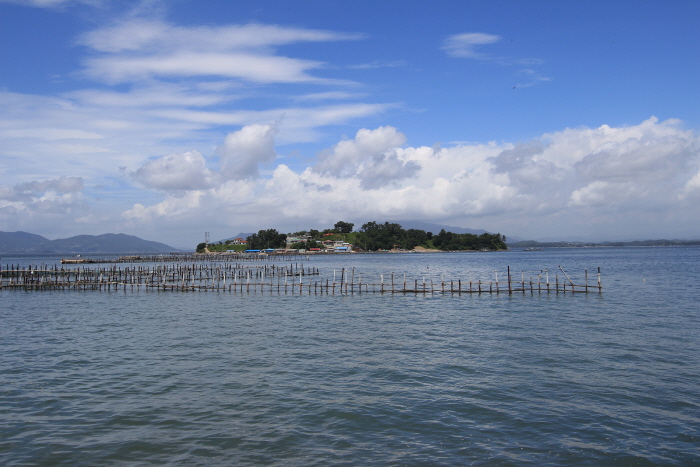
Jeodo Island (저도(딱섬))
17-11, Jeodo-gil, Sacheon-si, Gyeongsangnam-do
Jeodo Island derives its name from the abundance of paper mulberry (a fiber crop largely used for papermaking) growing on the island. The letter "jeo" refers to paper mulberry, while "-do" refers to island. On Jeodo Island, one can get a glimpse of what daily life in a small fishing village is like. The island can also be seen just behind the bamboo weirs from Siran Dock. The view is a combination of a lighthouse, fishing site, lush meadows, and lodgings with the ocean in the background. Fishing using bamboo weirs is a rare sight to see in Korea, and can only be found on the southern coast.
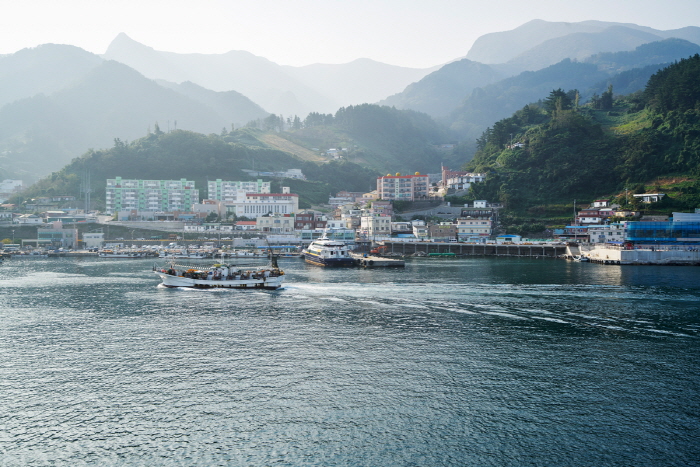
Jeodonghang Port (저동항)
Ulleungsunhwan-ro, Ulleung-gun, Gyeongsangbuk-do
Jeodonghang Port is the biggest port on Ulleungdo Island, where most of the island's squid fishing and related process takes place. Jeodongeohwa, referring to the luring lights from the boats for squid fishing, is one of the famous Eight Major Beauties of Ulleungdo Island. Chotdaebawi Rock, standing next to the port sea wall, has a sad legend about a daughter who died from grievance when her father never came back from fishing.
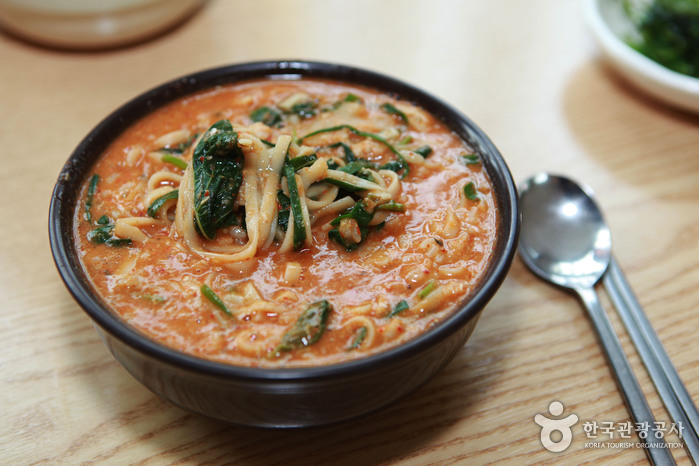
Jeogok Sikdang (저곡식당)
충청남도 금산군 제원면 금강로 286
This restaurant is located at the entrance to Geumsan Insam Eojuk Village. It serves eojuk (fish porridge), a local dish in areas along the Geumgang River, served with Geumsan’s specialty, ginseng, which creates a unique dish with a unique flavor. The restaurant also serves deep-fried ginseng and doribaengbaengi (spicy braised freshwater sprats), another specialty of the Geumgang River area, as well as minmul maeuntang (spicy freshwater fish stew).
![Jeokbyeokgang Cliffs [National Geopark] (적벽강 (전북 서해안 국가지질공원))](http://tong.visitkorea.or.kr/cms/resource/30/3025630_image2_1.jpg)
Jeokbyeokgang Cliffs [National Geopark] (적벽강 (전북 서해안 국가지질공원))
Gyeokpo-ri, Buan-gun, Jeonbuk-do
The area around Jeokbyeokgang Cliffs features great plant distribution value, including a population of Machilus, a designated natural monument. The cliffs are a great location for geological and ecological educational moments when visiting nearby attractions such as Chaeseokgang River and Gyeokgo Beach. The cliff is mostly composed of pepperlite, a unique rock that forms when volcanic rhyolite and sedimentary shale merge together.
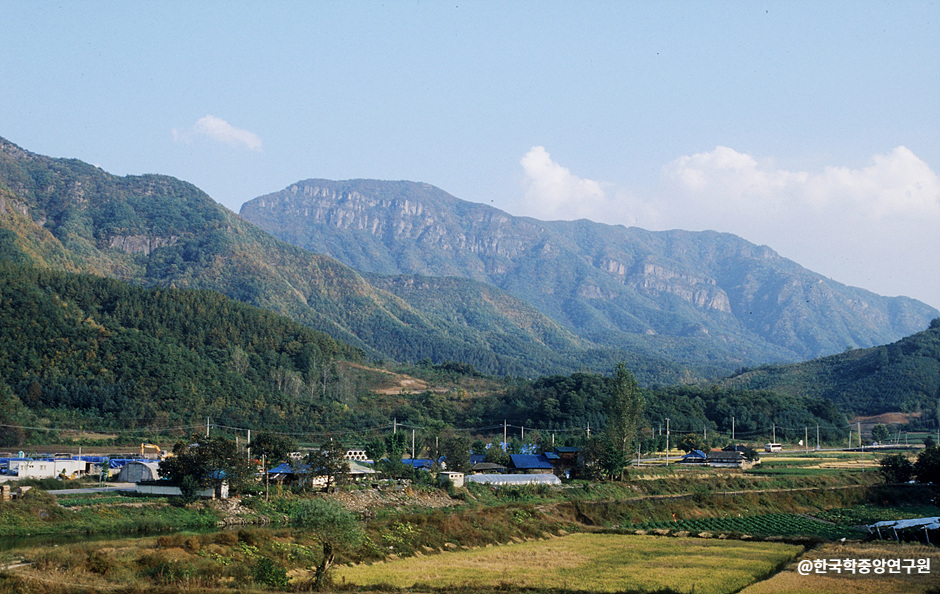
Jeoksangsan Mountain (적상산)
Goemok-ri, Muju-gun, Jeonbuk-do
As one of the best scenic mountains in Korea, Jeoksangsan Mountain (1,030.6 meters) showcases imposing, steep rock walls. Jeoksangsan, also called Red Skirt Mountain, got its name from the view of red maple trees around cliffs in fall that makes the mountain look like a giant red skirt. The mountain boasts a variety of attractions from Hyangnobong Peak (1,029 meters), Cheonilpokpo Falls, Songdaepokpo Falls, Jangdobawi Rock, Janggunbawi Rock, and Allyeomdae Cliff. The rugged shape of the mountain was considered ideal for building a fortress. And after Jeoksangsan became a designated site for storing Joseonwangjo Sillok (annals of the Joseon Dynasty), the fortress surrounding it was further rebuilt. The mountain is also home to Anguksa Temple, an ancient temple built in 1227 (during the 3rd year of King Chungryeol’s reign) by Monk Wolin. The mountain can easily be climbed by hiking or by vehicle; there is a paved road stretching over 15 kilometers that leads to the top of the mountain thanks to the construction of Muju Power Plant, letting tourists visit Sanjeong Lake and Anguksa Temple conveniently.
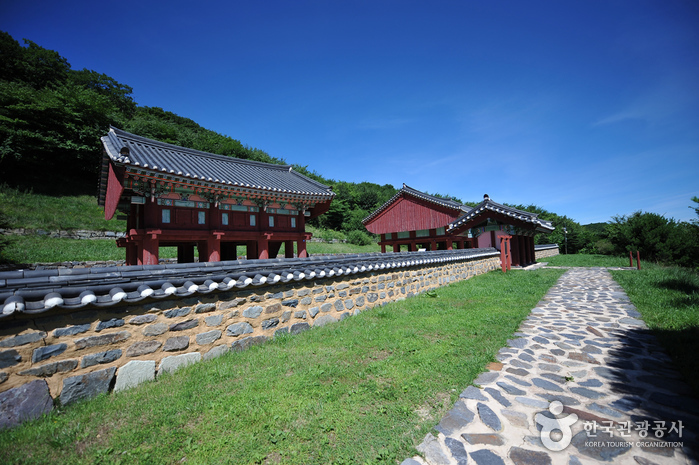
Jeoksangsan National History Archives Site (적상산사고지)
960, Sanseong-ro, Muju-gun, Jeonbuk-do
During the Imjin War (1592-1598), many of the National Archives in the capital and the surrounding area were burned down. After this, the archives were duplicated and stored in a variety of locations thoughout the county. The National Archives of Jeoksangsan Mountain was founded in 1614, when important national archives were moved from Myohyang Confucian Academy, with others being added in 1641. This national archives site served a very important role throughout over 300 years of Korea’s history, until it was closed by the Japanese during the Japanese occupation.
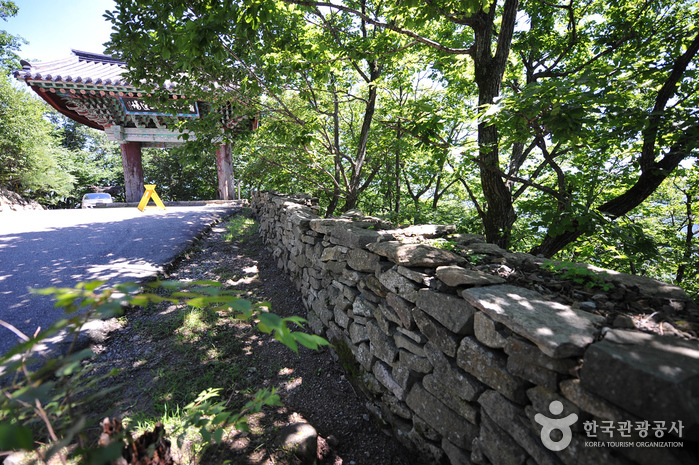
Jeoksangsanseong Fortress (무주 적상산성)
Goemok-ri, Muju-gun, Jeonbuk-do
Jeoksangsan Mountain (elevation 1,034m) in Muju, Jeollabuk-do, is surrounded by precipitous walls of stratified rocks. The basin on the mountain top there is a lake called ‘Jeoksangho’; and along the ridge enclosing the lake stands Jeoksangsanseong Fortress extending over 8,143m. During the Goryeo period the region was a place of refuge for civilians at times of war. The fortress wall was built during the Joseon era.
Plan your Korea trip
Korea travel FAQ
How do I use the travel search?
Enter a place or interest, then narrow the results by region, category or sort order.
Will my filters stay selected on the next page?
Yes. Your search and filter choices stay in the page URL while you move through the results.
Can I find directions to each place?
Place pages include an external Google Maps search when coordinates or an address are available.
Source: Korea Tourism Organization, official website (https://knto.or.kr).