TRAVEL IN KOREA
Korea Places to Visit
Find attractions, culture, festivals, stays, restaurants, shopping and travel courses for a clear Korea trip plan.
Jeongdong Observatory (정동전망대)
15, Deoksugung-gil, Jung-gu, Seoul
Jeongdong Observatory is located on the 13th floor of Seoul City Hall Seosomun building. The observatory has a cafe inside where visitors can enjoy a drink while gazing upon the magnificent view of Deoksugung Palace from above. In addition, the walls of the cafe are decorated with photos of old Jeongdong.
Jeongdong Theater (국립 정동극장)
43 Jeongdong-gil, Jung-gu, Seoul
Jeongdong Theater is located along Deoksugung Stone Wall Path and serves as a cultural hub for local citizens. Opened in 1995, Jeongdong Theater is historically significant as it was established to restitute the legacy of Wongaksa, the first modern theater in Korea. Jeongdong Theater features numerous critically-acclaimed productions, such as “Traditional Art Performance,” “Masters Exhibition,” and “Art Frontier,” as well as programs like “Art Stage at Noon” that are geared toward the general public. As a result, Jeongdong Theater has become one of Korea's representative traditional arts performance theaters and was designated as a Seoul Future Heritage in 2015. The theater successfully held the performance “Miso” in 2010, featuring the traditional musical "Love Songs from Chunhyang," written and created by Jeongdong Theater. The musical attracted many international visitors from all over the world, passing on Korean cultural values and beauty, as well as gaining the attention of critics worldwide. In addition, the theater also produced "The 2nd Story of Miso: Baebijang-jeon," offering a modern interpretation of the fundamental values found in Korea's culture and art.
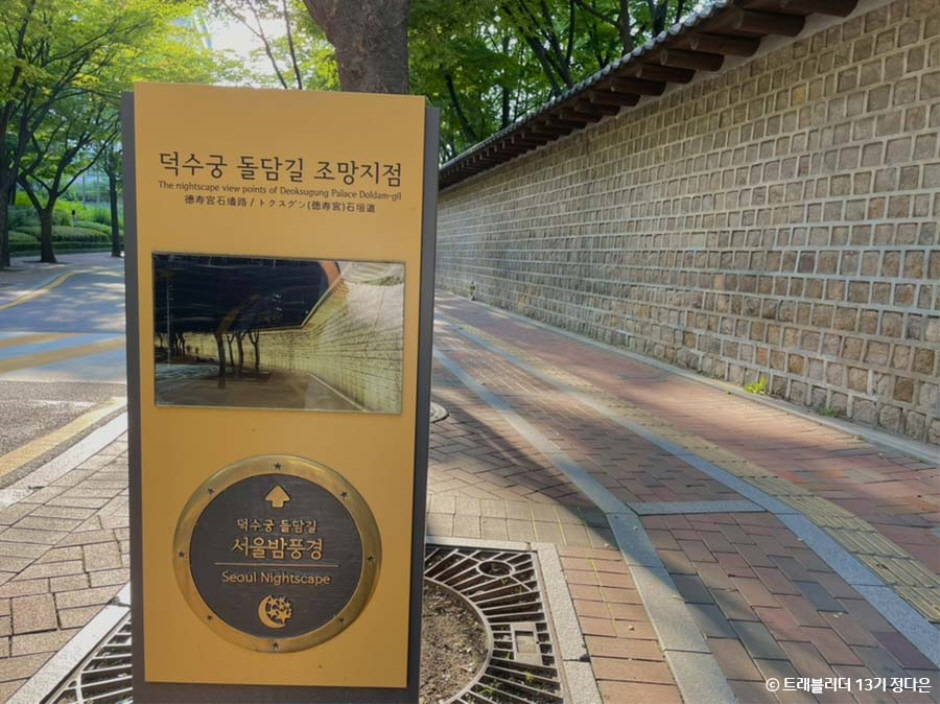
Jeongdong-gil Road (정동길)
2-1 Jeongdong-gil, Jung-gu, Seoul
Jeongdong-gil Road is one of Seoul's most famous walking paths, stretching from the intersection in front of Jeongdong Church to Saemunan-gil Road. The street holds importance in Korea's modern history, with the surroundings serving as a living museum of this. During the Joseon dynasty, the area developed into a residental space for distant members of the royal family, with a palace and royal tombs in the area. In 1999, the pedestrian walking area was expanded by turning the two-way road into a one-way road. Since then, the road has earned many awards and honors.
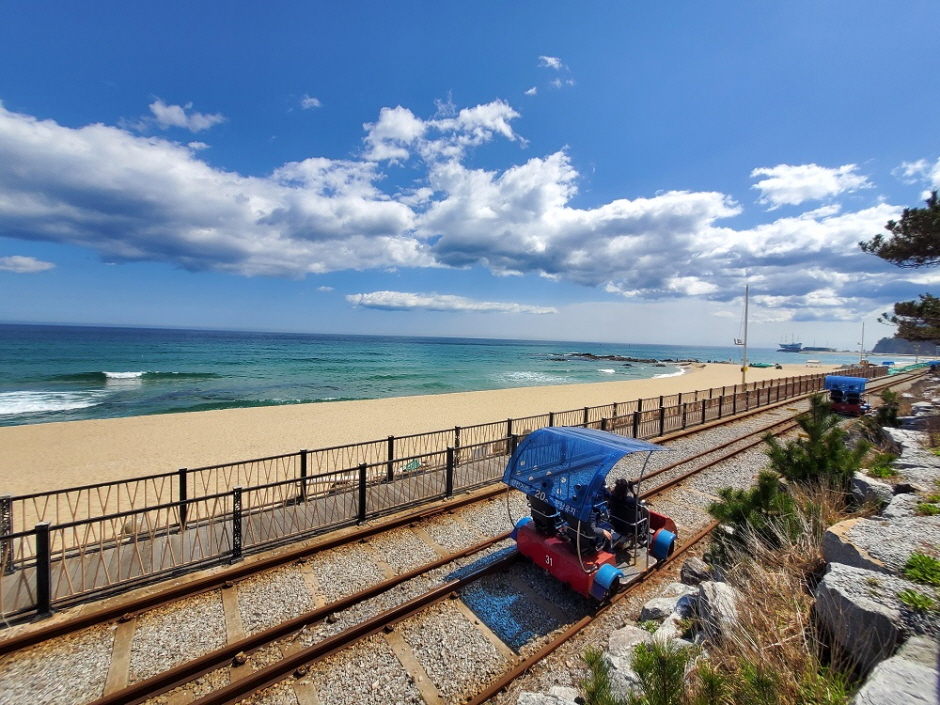
Jeongdongjin Railbike (정동진 레일바이크)
17, Jeongdongyeok-gil, Gangneung-si, Gangwon-do
Jeongdongjin Railbike is one of the must-try leisure activities in Gangwon-do. Departing from Jeongdongjin Station, the railbike brings the cool sea breeze and offers an unobstructed view of the ocean while it runs its course.
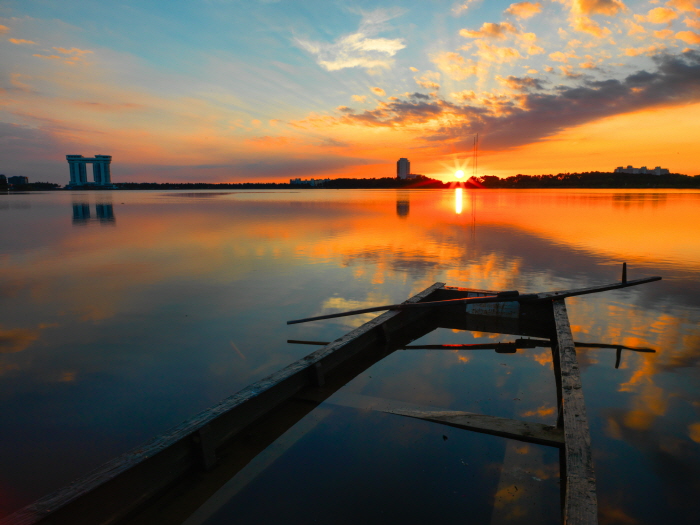
Jeongdongjin Sunrise Festival (정동진 해맞이 축제)
Jeongdongjin2-ri, Gangneung-si, Gangwon-do
Many people come to celebrate a fresh start at the Jeongdongjin Sunrise Festival on the eve of one year and the first day of the New Year at Sandglass Park. The sandglass at the park has a diameter of 8.06 meters, a x_width of 3.2 meters, a weight of 40 tons, and holds 8 tons of sand, making it one of the biggest sandglasses in the world. It takes a whole year for sand to trickle to the bottom and then the sandglass restarts again on New Year’s Day each year at midnight. Festival events include a fireworks display, the turning of the sandglass to start another year, and performances by various artists.
Jeongdongjinhaebyeon Beach (정동진해변)
17 Jeongdongyeok-gil, Gangneung-si, Gangwon-do
Jeongdongjinhaebyeon Beach is a nice, sandy beach with three major swimming spots: in front of Jeongdongjin Station, by Sandglass Park, and by the Jeongdongjin Breakwater. The spots near the railway station and by the park are more popular because they are spacious and easy to reach. The numerous rocks in front of Jeongdongjin Station are home to shellfish, mussels, sea urchins, and edible seaweed. Jeondongjin Station is known to be one of the stations closest to the ocean in the world. It is also a well-known sunrise spot, attracting crowds of sunrise spectators. The Jeongdongjin Sunrise Tourist Train has become a crowd favorite as well, ever since its premiere run in 1997.
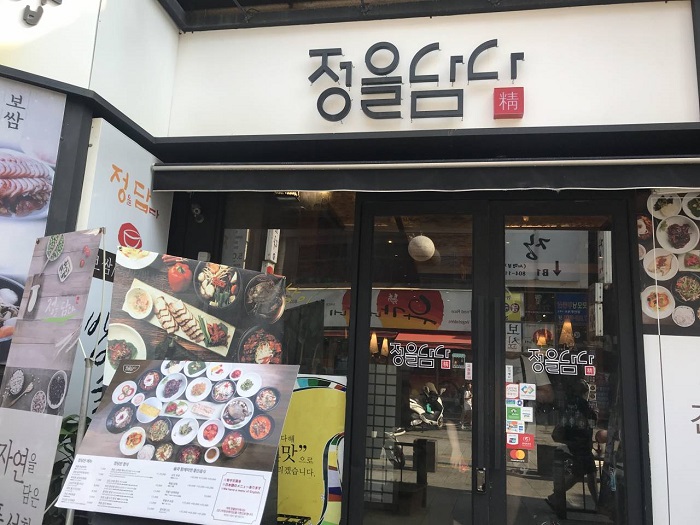
Jeongeul Damda (정을담다)
38 Jungang-daero 692beon-gil, Busanjin-gu, Busan
It is a restaurant serving delicious Bossam (boiled Korean pork with cabbage or lettuce wraps) in Seomyeon. This restaurant's signature menu is kimchi cabbage wraps with pork. This Korean dishes restaurant is located in Busanjin-gu, Busan.
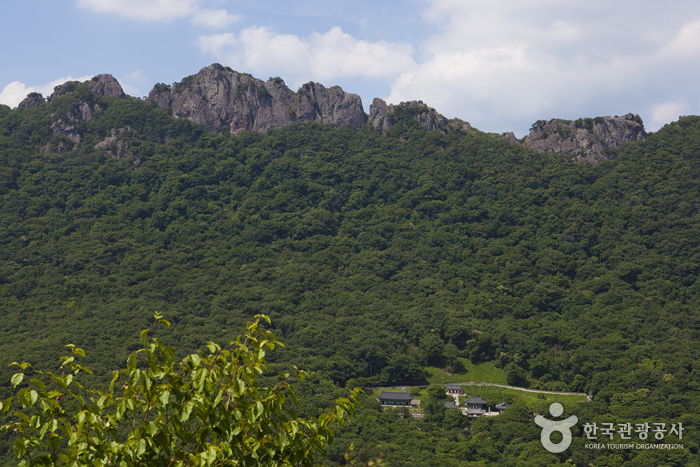
Jeongeup Naejangsan Special Tourist Zone (정읍 내장산 관광특구)
Naejang-dong, Jeongeup-si, Jeonbuk-do
Jeongeup Naejangsan Special Tourist Zone, which covers Naejangsan Mountain, Baegamsan Mountain and Ibamsan Mountain, is known for the most beautiful fall scenery in Korea. In the autumn, the zone is aflame with autumnal tints. Naejangsan Mountain has been referred to as the “Geumgang of Honam” since the Joseon dynasty. Naejangsan Mountain is about 11 kilometers away from downtown Jeongeup, and its name means "many secrets in the mountains." The highest peak of Naejangsan Mountain is Sinseonbong Peak, which is 763 meters above sea level. The nine peaks of the mountain stand in a circle, similar to the shape of a horse’s hoof. As one of the eight scenic views of the nation, it boasts grand scenery. Geumseongyegok Valley, which embraces Geumseonpokpo Falls, Dodeokpokpo Falls and Baegamgyegok Valley, is also famous. Since there are more than ten trekking courses, hikers can choose a course after taking their physical stamina or personal preference into consideration. The length of each course varies from 1.5 to 14 kilometers. For those who are not able to trek long distances, walking the 3.6 kilometer-long nature trail that leads to the flatland is a good option. Visitors can reach the observation platform easily by riding a cable car from the ticket office. The number of tourists has been steadily increasing since the KTX train began to stop at Jeongeup Station. When the autumn colors are at its peak in particular, taking the KTX makes the trip to Naejangsan Mountain much easier for travelers, and prevents traffic jams. The Donghak Peasants Revolution Commemoration is held in May and the Naejangsan Fall Foliage Festival takes place in October. * Current State of Jeongeup & Naejangsan Special Tourist Zone 1) Districts Covered: Naejang Districts (Naejang and Ssangam-dong) and Yongsan Districts (Yongsan and Sinjeong-dong), Jeongeuop-si, Jeollabuk-do 2) Area: 3,448,365㎡ * Tourist Attractions Naejangsan National Park, Okjeongho Lake, Jeongeupsa Park, Jeongeupcheon Stream, Chungyeolsa Shrine, Donghak Peasant Revolution Memorial Hall, etc.
Jeongeup Ssanghwacha Street (정읍 쌍화차거리)
147 Jungang 1-gil, Jeongeup-si, Jeonbuk-do
This unique street, known for its cafés selling ssanghwacha, is located along Jungang 1-gil, which is about 200 meters from Jeonbuk Jeongeup Police Station, right in the heart of downtown Jeongeup. Ssanghwacha is a traditional Korean tea made by brewing ssanghwatang, an herbal concoction that includes ingredients like white woodland peony, Chinese foxglove, angelica root, cinnamon, and licorice. Often, to cater to personal tastes, nuts such as walnuts and pine nuts, along with egg yolk, are added to the brew. This tea is particularly favored by middle-aged Koreans and is commonly consumed for its restorative properties when one is suffering from a cold or feeling run-down. The flavor is distinctively herbal with a bitter edge and a sweet finish. At the street’s entrance, a sculpture featuring a ssanghwacha teapot offers a warm welcome to visitors. The renowned Ssanghwatang Teahouse, with a history spanning over 30 years, remains a strong presence on this street, accompanied by about ten other large and small teahouses specializing in ssanghwatang. These cafés typically serve traditional Korean desserts like garaetteok (rice cake stick) and nurungji (scorched rice), which complement the herbal tea perfectly.
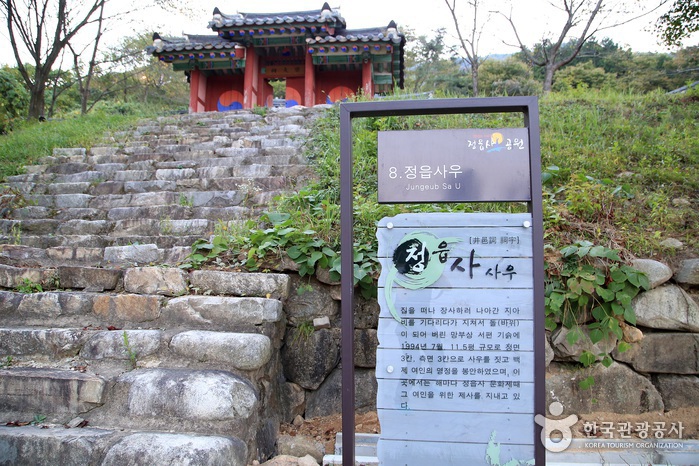
Jeongeupsa Culture Park (정읍사문화공원)
Sigi-dong, Jeongeup-si, Jeonbuk-do
Jeongeupsa Culture Park (located in Sigi 3-dong in downtown Jeongeup-si) was built in honor of ‘Jeongeupsa’ a famous Baekje Gayo (a type of poem from the Baekje dynasty). Jeongeupsa is the only poem of the five Baekje Gayos (Jeongeupsa, Mudeungsangok, Bangdeungsangok, Seonunsangok, and Jirisangok) recorded in Hangeul that remains in existence today. The park, built on the location where the epic poem took place, boasts a 2.5-meter high granite statue of the heroine of Jeongeupsa. Nearby the statue are a shrine and a 2-meter wide monument commemorating the poem. Located in the vicinity are the Jeongeupsa Art Center, the Korean Classical Music Center, the city library, and an outdoor stage.
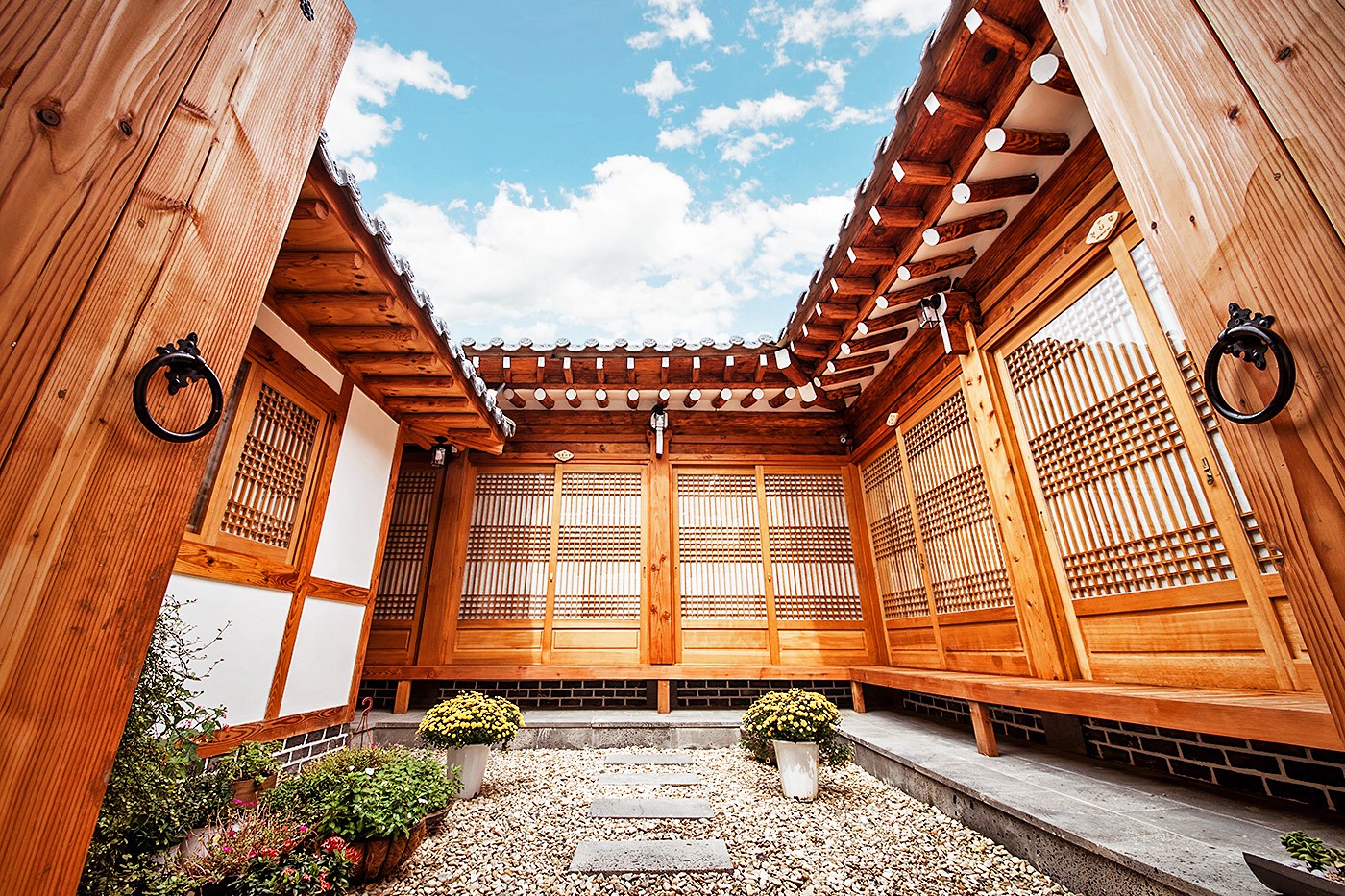
Jeonggahanog / 정가한옥
78-3 , Girin-daero, Wansan-gu, Jeonju-si, Jeonbuk-do
Jeongga Hanok, standing right across the road from Jeonju Hanok Village, Jeollabuk-do, is a newbuild hanok combining traditional style with modern comfort. Guestrooms are cypress-walled and red clay-grounded. Thus the Cypress room has walls and ceilings of cypress wood. The Maple room and the Gingko room both have attics. Nearby tourist attractions, which can all be reached on foot, include Gyeonggijeon Hall, Jeondong Cathedral, Jeonju Hyanggyo Confucian School, Jaman Mural Village - and of course Jeonju Hanok Village.
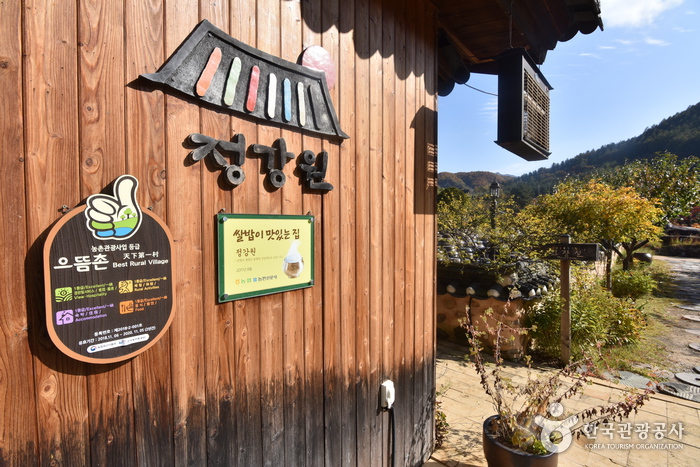
Jeonggangwon(정강원 관광농원)
2010-13 , Geumdanggyegok-ro, Pyeongchang-gun, Gangwon-do
Jeonggangwon Tourist Farm in Pyeongchang, Gangwon-do, is a tourist complex with a farm and wildflower garden, a food museum, and a Korean restaurant - plus a jangdokdae with hundreds of jars full of pickling and fermenting ingredients. It was founded by food researcher Cho Jung-gang to promote Korean food traditions. Accomodation is in traditional hanok or in condominium-style rooms, and guests have free use of a water park, ping-pong tables and a ball park. Breakfast and dinner are provided free of charge, with set meals and various local specialties. There’s a hanbok wearing experience, and pay-for traditional food-making programs include bibimbap, chilli paste, and rice-cakes.
Jeongipum Pine Tree (보은 속리 정이품송)
Sangpan-ri, Boeun-gun, Chungcheongbuk-do
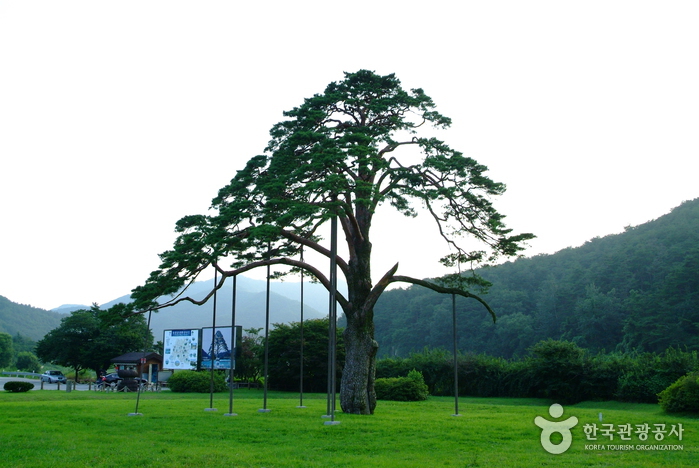
This 600-year-old pine tree stands at the entrance to Songnisan Mountain in Boeun-gun, Chungcheongbuk-do. This old tree, designated as Natural Monument No. 103, is 15 meters in x_height and 4.5 meters in girth. Its branches stretch 10.3 meters to the east, 9.6 meters to the west and 10 meters to the north. Shaped like an open umbrella, this pine tree has long been the symbol of Songnisan Mountain, and has even been awarded the title of a Jeongipum grade official of the Joseon Court. * Legend King Sejo visited Onyang Hot Springs and Songnisan Mountain in 1464 to cure an illness. While passing under this tree, he looked up and saw that his royal sedan chair was about to be ensnared in the tree’s branches. As he called for his bearers to look out, the branches suddenly lifted for the royal procession to proceed. On his way to Seoul, King Sejo was also able to take shelter from a rain shower under this tree. Therefore, he bestowed upon the tree the ministerial rank of Jeongipum.
Jeongjae Head House (정재종택)
2661-8 , Gyeongdong-ro, Andong-si, Gyeongsangbuk-do
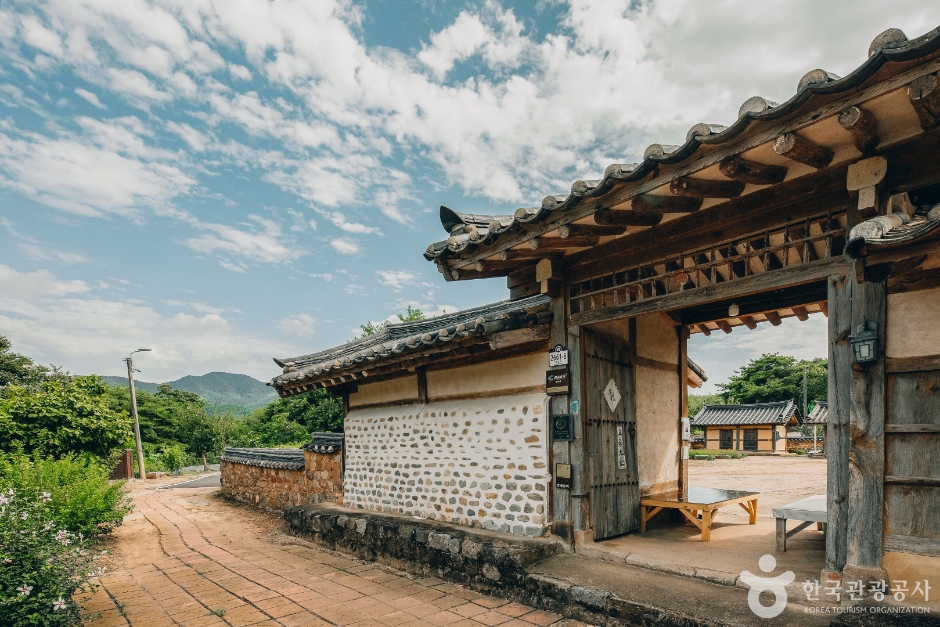
Jeongjae Head House is the head house of Joseon scholar Jeongjae Ryu Chi-myeong, a colleague of the famous Toegye Lee Hwang. The house overlooks Imha Lake in Andong-si, Gyeongsangbuk-do, and is 300 years old. The long endurance of the stone foundations, roof tiles and wooden beams and porch gives the place a solid, calming feel. The house consists of a daemunchae (gate house) jeongchim (square-shaped building), haengnangchae (servants’ quarters), sadang or shrine, and a pavilion called Manujeong which houses a lecture hall but can also be used for lodging. Guests can learn how to brew songhwaju spirit and tarak fermented milk liquor, and listen to gayageum or folk song performances.
Jeongjo Theme Performance Hall (정조테마공연장)
817 Jeongjo-ro, Paldal-gu, Suwon-si, Gyeonggi-do
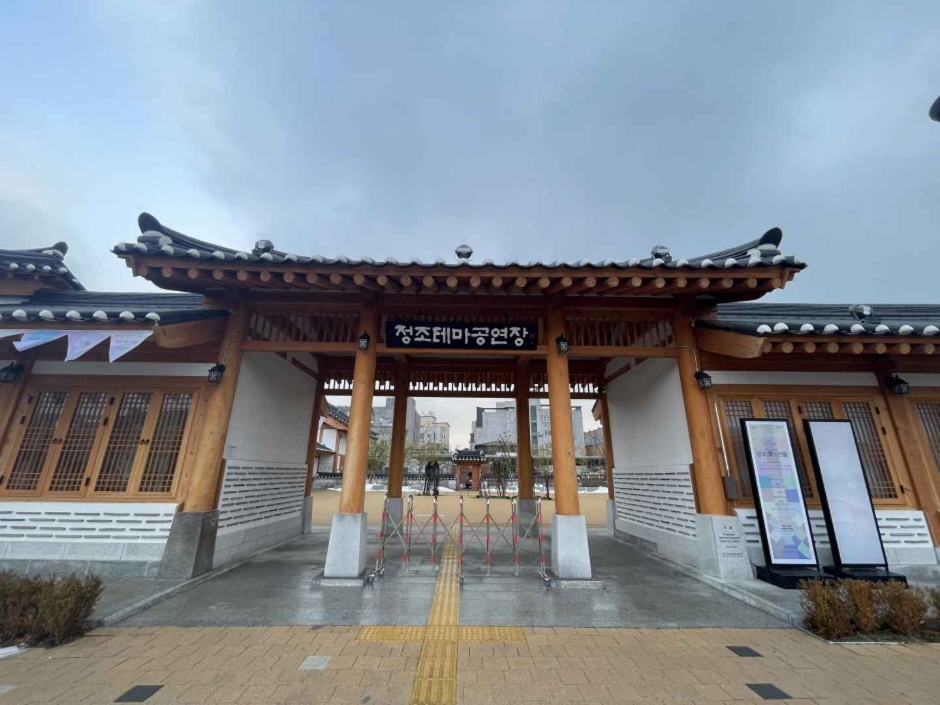
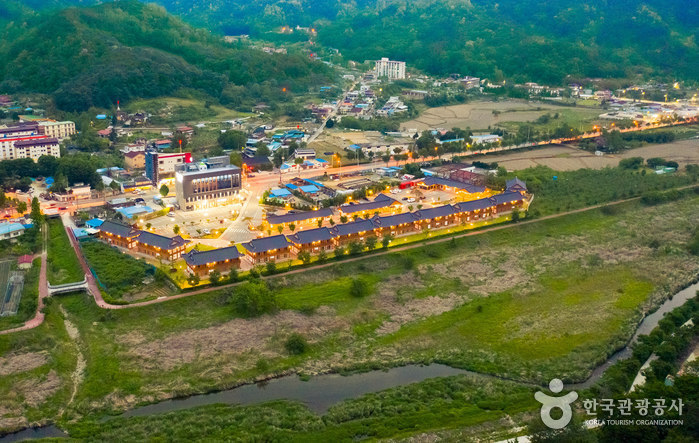
Jeongjo Theme Performance Hall is located in a hanok-style building just next to the Temporary Palace of Hwaseong Fortress in Suwon. The hall serves as venue to a range of performances, both traditional and modern, and is a great addition to family visits to the area.
Jeongjogwan of the Royal Room (왕의지밀 정조관)
5218-10 , Chunhyang-ro, Wansan-gu, Jeonju-si, Jeonbuk-do
Wangui Jimil Jeongjogwan (‘Royal Room of King Jeongjo’) in Jeonju, Jeollabuk-do is a hotel that combines hanok style with modern convenience - one of a group of hotels named after Joseon kings. The hotel has six guest rooms, most with exposed beams and traditonal furniture, and the Grade 2 Gold and Silver rooms, big enough for six people, are especially popular with family travelers. Additional facilities include a hanok cafe, a restaurant, and a convention center. Major tourist attractions such as Namgosa Temple and Jeonju Hanok Village are 10 minutes away by car.
Plan your Korea trip
Korea travel FAQ
How do I use the travel search?
Enter a place or interest, then narrow the results by region, category or sort order.
Will my filters stay selected on the next page?
Yes. Your search and filter choices stay in the page URL while you move through the results.
Can I find directions to each place?
Place pages include an external Google Maps search when coordinates or an address are available.
Source: Korea Tourism Organization, official website (https://knto.or.kr).