TRAVEL IN KOREA
Korea Places to Visit
Find attractions, culture, festivals, stays, restaurants, shopping and travel courses for a clear Korea trip plan.
Jeokseoksa Temple (적석사)
181, Yeonchon-gil, Ganghwa-gun, Incheon
Jeokseoksa Temple is a traditional Buddhist temple that was founded around 1,600 years ago. It is known for "Gamnojeong," which is the water trickling out from the rock crevices on the east side of Daeungjeon Hall (main temple building). While the water is cool and sweet, legend has it that it dries up or turns murky in times of national crisis. According to the records, Palman Daejanggyeong (Tripitaka Koreana printing woodblocks) used to be kept in Jeokseoksa before they were moved to Baengnyeongsa Temple, then to Jeondeungsa Temple, and finally to Haeinsa Temple. Jeokseoksa Temple is connected to Nakjodae Observatory, which offers a magnificent view of the sun setting over the West Sea. In fact, the view is so magnificent that it is admired as one of the 10 best sceneries of Ganghwado Island.
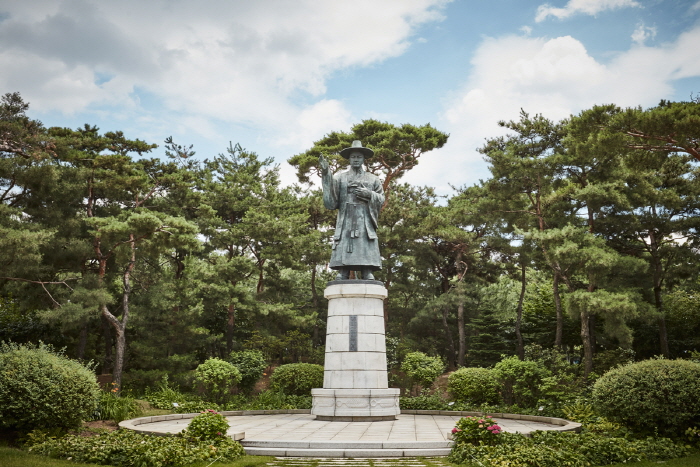
Jeoldusan Martyrs' Shrine (절두산순교성지)
6 Tojeong-ro, Mapo-gu, Seoul
Jeoldusan Martyrs' Shrine is the site where many Catholic believers were executed in 1866 due to persecution. In commemoration of the 100th anniversary of the martyrdom, the Korean Catholic Church opened the Memorial Hall in October 1967, exhibiting materials, relics, and souvenirs related to the Korean Catholic Church and operating a museum. Pope Johannes Paulus II visited the site in 1984, and Mother Teresa visited in 1985.
Jeolgolgyegok Valley [National Geopark] (절골협곡 (청송 국가지질공원))
San 124, Jusanji-ri, Cheongsong-gun, Gyeongsangbuk-do
Jeolgolgyegok Valley is located along the mountain ridgeline connecting Gamebong Peak and Wanggeoam Rock in Juwangsan Mountain. It stretches for 5 kilometers from Jeolgol Valley Visitor's Center to Daemun Bridge. The valley is formed of vocanic tuffs that were welded and compacted after cooling down, which resulted in forming vertical cracks, leaving rocks to fall out and create a steep valley cliff.
Jeollanam-do Heart Health Healing Center (전라남도 마음건강치유센터)
121, Rohaseu-ro, Anyang-myeon, Jangheung-gun, Jeollanam-do
Jeollanam-do Heart Health Healing Center is a specialized mental health and wellness facility located on the second floor of Wonkwang University Jangheung Integrative Medical Hospital. Established to support individuals experiencing emotional challenges such as depression, anxiety, and stress in the wake of COVID-19, the center offers a variety of experiential healing programs. These include integrative medicine treatments rooted in traditional Korean medicine, forest therapy, and aromatherapy. The wellness programs are offered as one-day, two-day (1 night/2 days), or three-day (2 nights/3 days) courses. Each consists of integrative medical treatments, therapeutic sessions, and Korean medicine education, such as making Gyeongokhwan herbal pills. For the two-day and three-day courses, participants can also enjoy forest therapy program is held at Jeongnamjin Cypress Forest Woodland. Programs accommodate 12-24 people, with up to three groups accepted per day. Sessions are not available on weekends or public holidays.
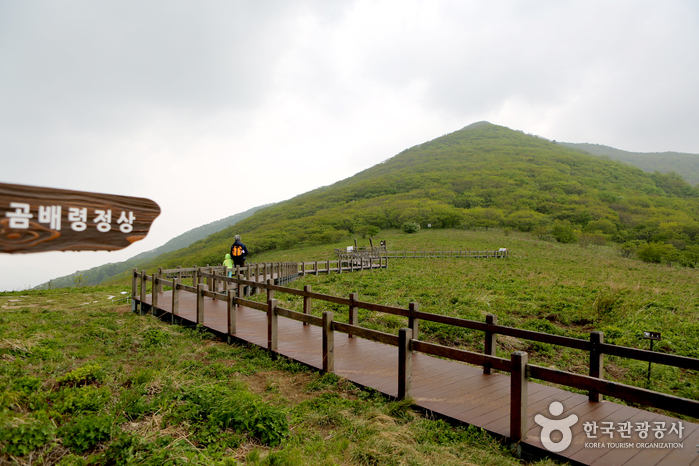
Jeombongsan Mountain Gombaeryeong Pass (점봉산 곰배령)
12 Gombaeryeong-gil, Girin-myeon, Inje-gun, Gangwon-do
This ecological area at the summit of Jeombongsan Mountain, situated 1,100 meters above sea level, spans approximately 16.5 hectares. It is often referred to as the "garden of heaven" due to the sheer diversity of plants and wildflowers in the area. The trail leading to the pass has a relatively gentle slope, making it accessible to all. It extends for 10.5 kilometers and typically takes about four hours to complete. Visitors need to make reservations to visit the pass.
](https://tong.visitkorea.or.kr/cms/resource/81/4043081_image2_1.png)
Jeonbuk Hanji[Tax Refund Shop](전북한지)
B1, 25, Insadong 5-gil, Jongno-gu, Seoul
Jeonbuk Hanji is a high-class Hanji design brand that spreads the tradition and excellence of Jeonju Hanji, which lasts for a thousand years. Through Hanji products crafted with natural materials and traditional handiwork, it adds Korean elegance and natural vitality to everyday items.
](https://tong.visitkorea.or.kr/cms/resource/12/4045212_image2_1.png)
Jeonbuk Shopping Travel Lounge[Tax Refund Shop](전북쇼핑트래블라운지)
1F, 25, Chungyeong-ro, Wansan-gu, Jeonju-si, Jeonbuk-do
Jeonbuk Shopping Travel Lounge is a hub brand that delivers the excellent local specialties and culture of the Jeonbuk region along with the emotions of travel. We present special shopping experiences to visitors through design goods capturing Jeonbuk's unique atmosphere and carefully selected luxury products.
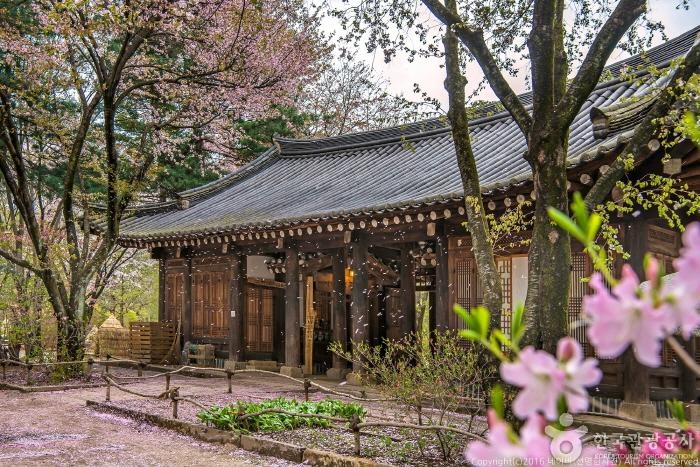
Jeong Gwan Ru (Annex Condo)(호텔정관루별관(콘도별장))
1 , Namiseom-gil, Chuncheon-si, Gangwon-do
Jeong Gwan Ru is the only accommodation available on Nami Island, located in Chuncheon, Gangwon-do. During your stay on Nami Island, you can enjoy the starry night skies, wet fog that blankets the island in the morning, and peaceful walks around the island. Essentially, Jeong Gwan Ru consists of the main building and an annex, and the annex extending along the west bank of Nami Island consists of condo-type villas. Jeong Gwan Ru provides pickup services and has a clean zone to ensure hygiene and cleanliness.
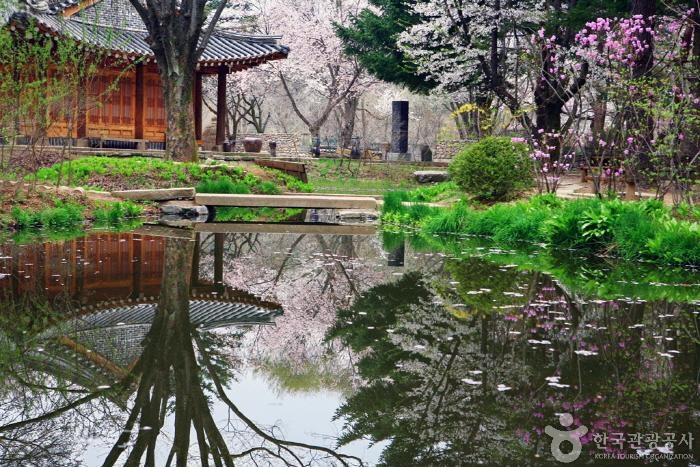
Jeong Gwan Ru (Main Condo) (호텔정관루본관)
1 , Namiseom-gil, Chuncheon-si, Gangwon-do
Jeong Gwan Ru is the only accommodation on Nami Island in Chuncheon, Gangwon-do. During your stay on Nami Island, you can enjoy the starry night skies, wet fog that blankets the island in the morning, and peaceful walks around the island. Essentially, Jeong Gwan Ru consists of the main building and an annex. The main building, Jeong Gwan Jae, is an illustration art hotel decorated with works that have won Nami Concours awards and artworks by internationally recognized artists. There are 44 guest rooms available, among which you can choose ondol (underfloor heated) rooms or rooms with beds.
Jeong Jit Gan Sinpyeong Main Branch (정짓간 신평본점)
6 Bibong-ro, Saha-gu, Busan
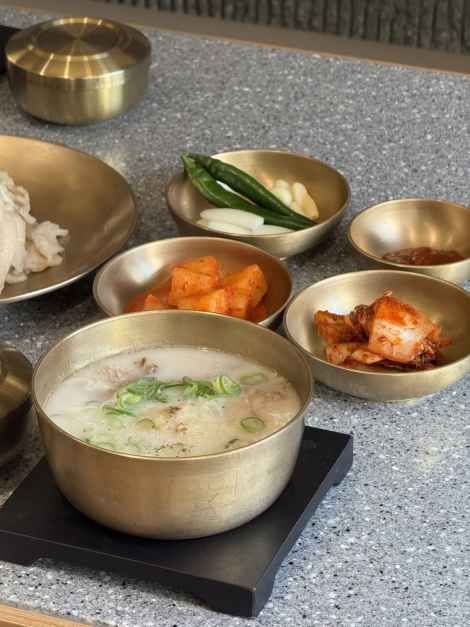
Jeong Jit Gan Sinpyeong Main Branch, located in Sinpyeong-dong, Busan, opened in 2011 and specializes in Busan-style pork soup. “Jeongjitgan” means “kitchen” in the Gyeongsang-do dialect. The restaurant has also been selected by the Michelin Guide. Open 24 hours (except Tuesdays), it is convenient to visit at any time of day. The signature dish is pork soup, and the menu also features a variety of options, including sundae soup, pork intestine soup, and green onion pork belly.
Jeong Jiyong Memorial Hall (정지용 문학관)
56 Hyangsu-gil, Okcheon-gun, Chungcheongbuk-do
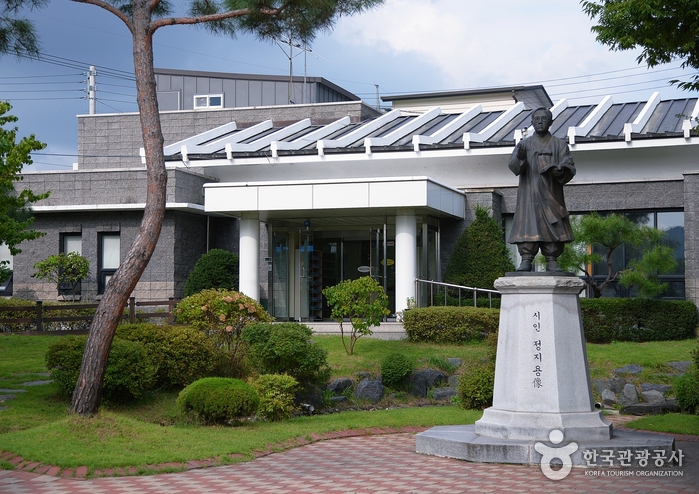
Hagye-ri in Okcheon-gun, Chungcheongbuk-do, is the hometown of Jeong Jiyong, the poet who wrote the poem "Hyangsu" (Nostalgia). The Jeong Jiyong Memorial Hall is located next to Jeong Jiyong's birthplace. The gallery has a Literature Exhibition Hall, which is divided into four parts: Jeong Jiyong's Chronological History, Jiyeong's Life and Literature, Jiyong Literature Map, and Exhibition of his Original Copy of Prose and Poem. At the Literature Experience Center, visitors can learn more about literature through various multimedia platforms. The Video Room shows a documentary about Jiyong's life and literature, while the Literature Class is the venue for lectures, poem discussions, seminars, and other literature club activities.
Jeong’s Family (정스패밀리)
16 , Hyochangwon-ro 8-gil, Yongsan-gu, Seoul
Jeong's Family is a foreigner-only guesthouse in Hanseong Han River Apartments in Yongsan-gu, Seoul. The apartment building is in a quiet residential area and has a fine view over the Han River and the riverside Hangang Park - which is a great place for walking or cycling. The two rooms are furnished with laptop PCs. Guests will recieve a welcome drink when they check-in, and a simple breakfast and dinner are provided upon prior reservation. The guesthouse is close to the airport bus stop, and convenient for public transport to tourist hotspots such as Gangnam, Hongdae, and Myeong-dong. There’s a key deposit system in operation.
Jeongancheon Eco Park (정안천생태공원)
257 Uidang-ro, Uidang-myeon, Gongju-si, Chungcheongnam-do
Jeongancheon Eco Park, located along the Jeongancheon Stream, has well-maintained bike paths and walking trails offering beautiful scenery. The park features a variety of flowers and plants throughout the seasons. Most stunning of all are the tulips and flower lawns in full bloom in spring and the fragrant pink and white lotuses in summer. The 500-meter-long walkway lined with metasequoia trees is beautiful throughout the year and is a popular photo spot in Gongju.
Jeongbangpokpo Falls (정방폭포)
37 Chilsimni-ro 214beon-gil, Seogwipo-si, Jeju-do
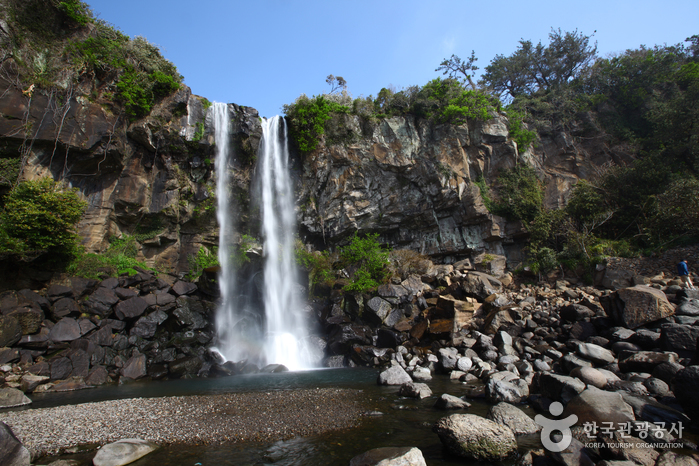
Jeongbangpokpo Falls, one of the three major waterfalls in Jeju-do, along with Cheonjiyeonpokpo Falls and Cheonjeyeonpokpo Falls, is located about 1.5 kilometers southeast of the center of Seogwipo. The waterfall is the only coastal waterfall in Asia that falls directly into the sea, reaching 23 meters in x_height, 8 meters in x_width, and 5 meters in depth. When sunlight is reflected on the pouring water with the magnificent sound of a waterfall, a rainbow of seven colors harmonizes with the blue sea, creating a captivating atmosphere. On the high cliffs along the beach, old pine trees stand with branches hanging over the sea as if they were falling.
Jeongbangsa Temple (정방사)
165, Oksunbong-ro 12-gil, Jecheon-si, Chungcheongbuk-do
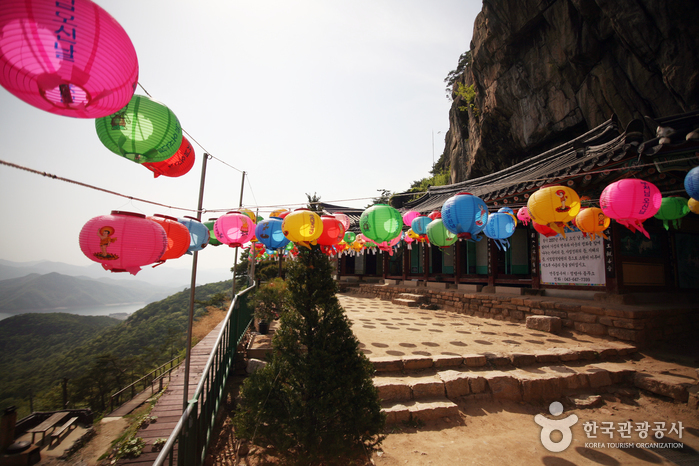
Located on a ridge of Sinseonbong Peak (845 meters) nearby Geumsusan Mountain, Jeongbangsa Temple was founded by Buddhist Monk Uisang in the second year (662) of King Munmu’s reign during the Silla dynasty. Jeongbangsa Temple is a branch of Beopjusa Temple located on Songnisan Mountain and is a well known oratory amongst Buddhists. The temple offers fantastic views of Cheongpungho Lake that are said to calm and clear the mind. A unique feature of this temple is the mountain wall making up a portion of the temple roof.
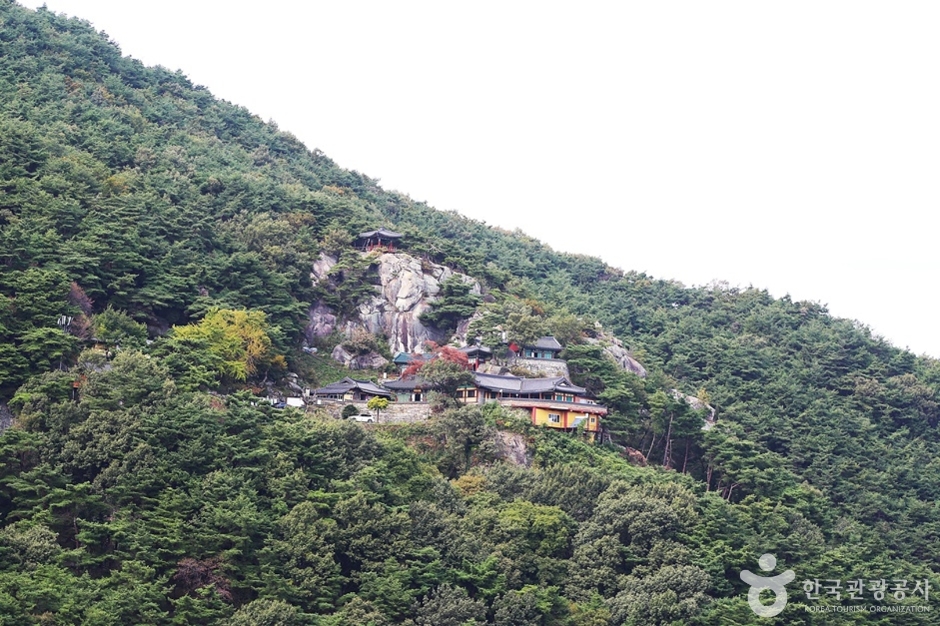
Jeongchwiam Hermitage (정취암)
675-87 Duncheolsan-ro, Sindeung-myeon, Sancheong-gun, Gyeongsangnam-do
Jeongchwiam Hermitage is a temple perched on the rocky cliffs of Daeseongsan Mountain, celebrated as a prime location for witnessing both sunrise and sunset, each offering breathtaking views. Nestled amidst picturesque mountain landscapes, the temple is cherished by many for its serene surroundings. Nearby attractions include the Duncheol Ecological Park and Seonyudonggyegok Valley, both serving as captivating natural destinations for tourists.
Plan your Korea trip
Korea travel FAQ
How do I use the travel search?
Enter a place or interest, then narrow the results by region, category or sort order.
Will my filters stay selected on the next page?
Yes. Your search and filter choices stay in the page URL while you move through the results.
Can I find directions to each place?
Place pages include an external Google Maps search when coordinates or an address are available.
Source: Korea Tourism Organization, official website (https://knto.or.kr).