TRAVEL IN KOREA
Korea Places to Visit
Find attractions, culture, festivals, stays, restaurants, shopping and travel courses for a clear Korea trip plan.
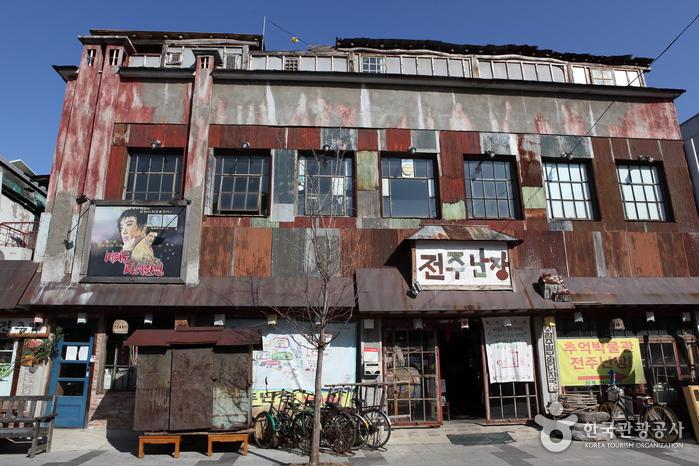
Jeonju Nanjang (전주난장)
33-20 Dongmun-gil, Wansan-gu, Jeonju-si, Jeonbuk-do
Jeonju Nanjang is a theme park style museum with over 25 years of materials for an attraction within Jeonju Hanok Village perfect for photo shoot and experience programs. There are more than 70 theme zones as well as a water well that is over 110 years old. Visitors can enjoy the retro feel as they roam around a museum filled with history.
Jeonju National Museum (국립전주박물관)
249 Ssukgogae-ro, Wansan-gu, Jeonju-si, Jeonbuk-do
The Jeonju National Museum was established in 1990 as an institute for the research, preservation, and exhibition of Jeonbuk-do’s most prized cultural treasures. In November of 2002, a Social Educational Hall was opened as a creative educational space to provide visitors a place to experience traditional culture. The museum houses over 40,000 artifacts, a majority of which were excavated from the Jeollabuk-do area, and has on exhibit over 2,000 pieces spread throughout 4 exhibition halls and 1 outdoor exhibition hall. The museum also serves as a venue for numerous cultural activities and educational programs, providing visitors with the opportunity to gain a deeper understanding of Korea’s proud history.
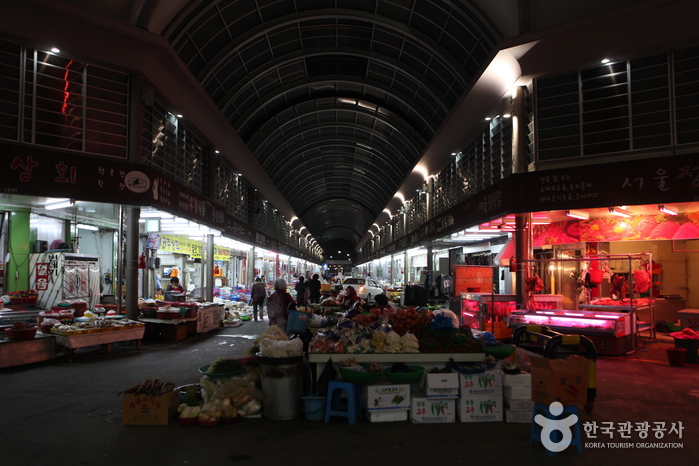
Jeonju New Jungang Market (전주 신중앙시장)
70 Taepyeong 3-gil, Wansan-gu, Jeonju-si, Jeonbuk-do
Jeonju Jungang Market is one of the four major traditional markets in Jeonju. The four major traditional markets in Jeonju constists of Nambu Market, Dongbu Market, Jungang Market, and Moraenae Market, The Jungang Market's Tteok (rice cake) Alley, by the market entrance connected to the road leading to the bus stop, is known for selling delicious rice cakes at a cheaper price than at regular stores.
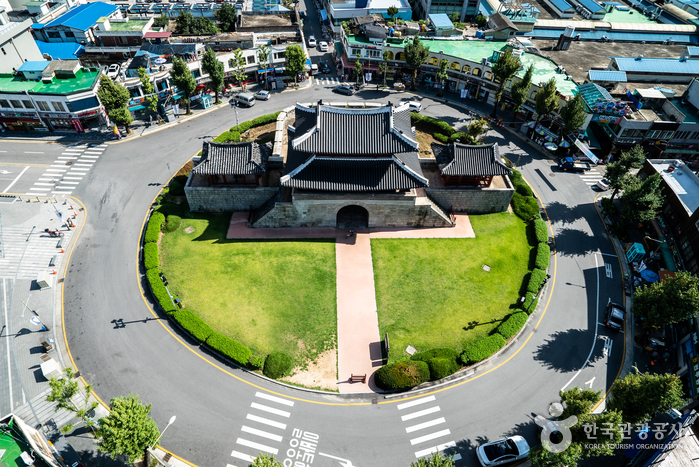
Jeonju Pungnammun Gate (전주 풍남문)
1 Pungnammun 3-gil, Wansan-gu, Jeonju-si, Jeonbuk-do
Pungnammun Gate was built during the Joseon dynasty in 1734 and is a designated Treasure. Pungnammun Gate was the southernmost gate among the four city gates of Jeonju. The structure was severely damaged by fire in 1767, followed by the restoration of the gate tower afterward. The gate was burnt down once again during the Imjin War and was restored to the gate that is seen today.
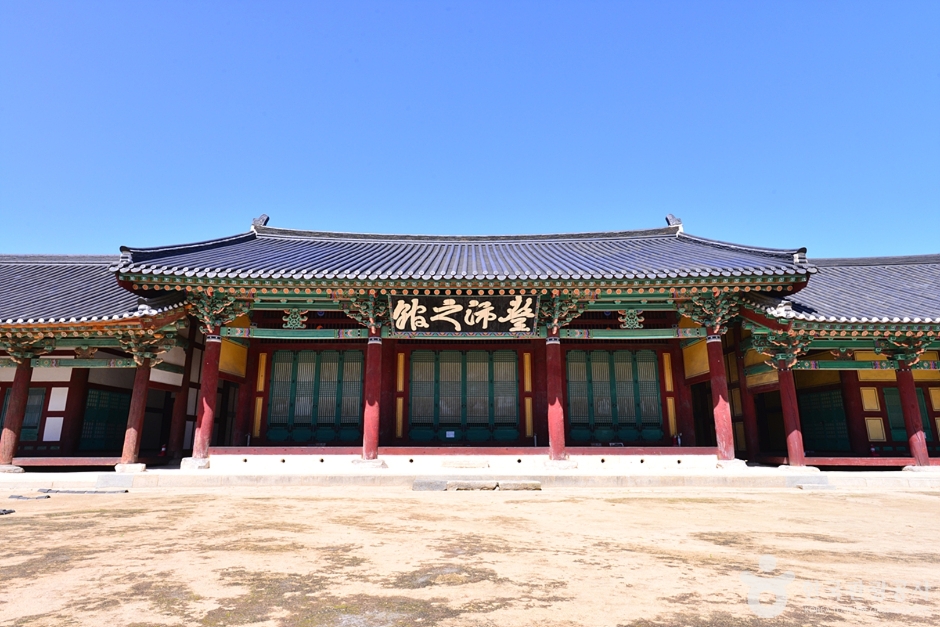
Jeonju Pungpaejigwan Guesthouse (전주 풍패지관 (전주객사))
59 Chunggyeong-ro, Wansan-gu, Jeonju-si, Jeonbuk-do
During the Joseon dynasty, officials and envoys visiting Jeonju stayed here. Today, it is open for anyone to see. The long and spacious maru (wooden central space) is open to the public, making it a comfortable resting place for citizens and tourists. Located in downtown Jeonju, it is easy to find and close to Jeonju Hanok Village.
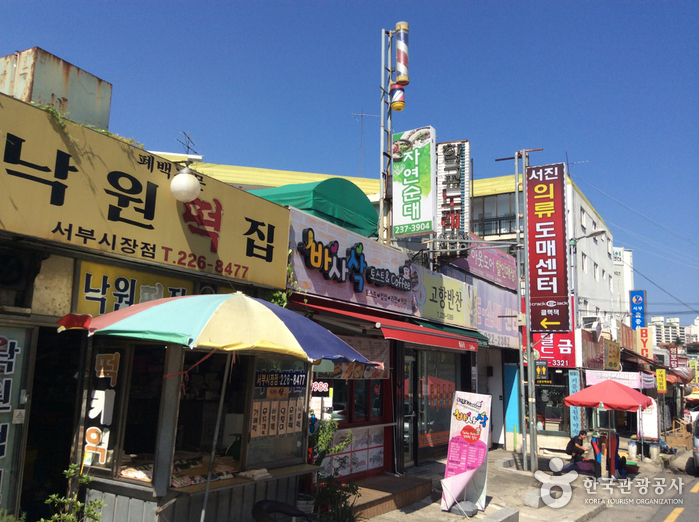
Jeonju Seobu Market (전주 서부시장)
18 Hyodong 2-gil, Wansan-gu, Jeonju-si, Jeonbuk-do
Jeonju Seobu Market is the only market in Jeonju's western area and sells fresh vegetables, fruits and other wholesale products supplied directly from farmlands in Wanju-gun and Gimje. In addition to food products, the market also sells clothing and general supplies. It occasionally holds event, festivals, and singing contests, encouraging the the community to get together.
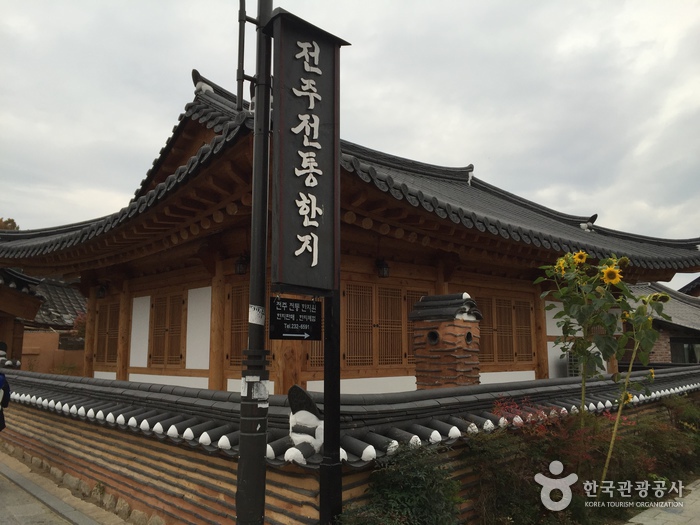
Jeonju Traditional Hanji Center (전주전통한지원)
100-10, Hanji-gil, Wansan-gu, Jeonju-si, Jeonbuk-do
Jeonju has been a major producer of quality hanji paper for more than a thousand years. In keeping with this proud tradition, the Jeonju Traditional Hanji Center aims to preserve traditional paper-making techniques and become a mainstay in the hanji industry. More than 80 percent of the paper produced at the center is exported to Japan while the rest is used in Korea. The center produces, exhibits, and sells hanji used for calligraphy, Oriental paintings, and crafts, as well as special “yellow earth” wallpaper hanji and charcoal hanji, said to provide certain health benefits. Visitors can also sign up for crafting classes, including first-hand experience at making hanji, imprinting patterns and drying the paper.
Jeonju Traditional Liquor Museum (전주 전통술박물관)
74 Hanji-gil, Wansan-gu, Jeonju-si, Jeonbuk-do
Jeonju Traditional Liquor Museum offers visitors the unique chance to explore the world of traditional Korean liquor and engage in related hands-on experience programs. At the museum, visitors can see the tools, machines, and the process used in the making of home-made traditional liquor and even taste them. Guests can also try their hand at making homemade wine and rice wine after making a reservation.
Jeonju Waengi Kongmulgukbap Specialty Restaurant (전주 왱이콩나물국밥전문점)
88 Dongmun-gil, Wansan-gu, Jeonju-si, Jeonbuk-do
Jeonju Waengi Kongmulgukbap Restaurant, located next to Dongmun Art Street in Jeonju, is a local favorite. The restaurant serves only one dish, kongnamul gukbap , rice soup with bean sprouts. With the crunchy texture of bean sprouts and a rich broth made with anchovy and seafood, this hearty meal is perfect to enjoy after exploring nearby tourist attractions.
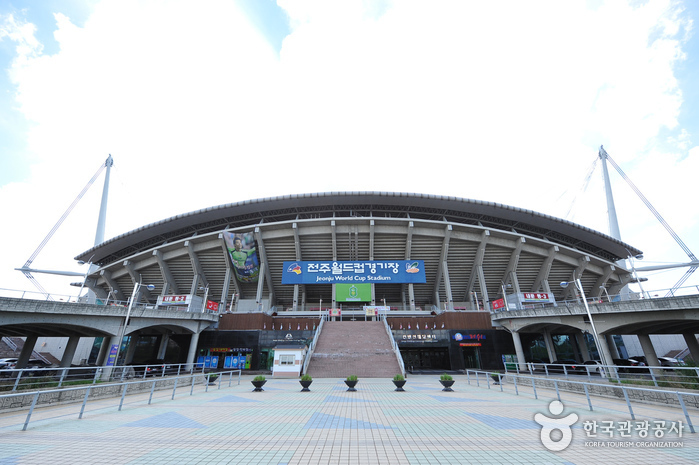
Jeonju World Cup Stadium (전주월드컵경기장)
1055, Girin-daero, Deokjin-gu, Jeonju-si, Jeonbuk-do
The Jeonju World Cup Stadium was built with tradition in mind as its roof and stands are designed with an image of traditional fan, the pillars in sotdae design and cables in 12 strings of gayageum.
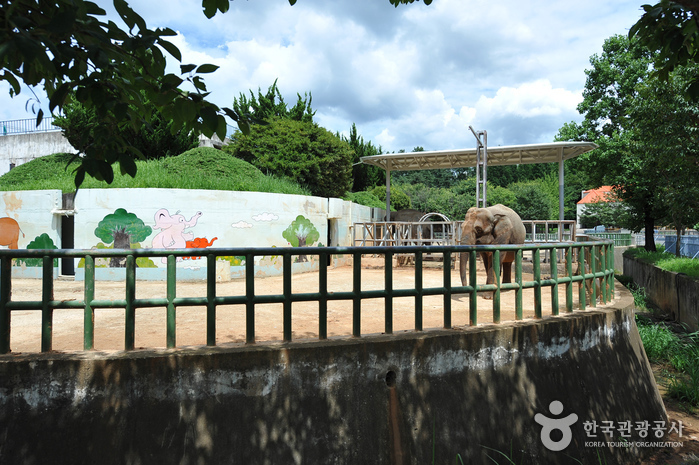
Jeonju Zoo (전주동물원)
68 Sori-ro, Deokjin-gu, Jeonju-si, Jeonbuk-do
Located about 1 kilometer away from Deokjin Park in Deokjin-gu, Jeonju-si, the zoo is equipped with not only diverse animals and plants, but also a field for soccer, a volleyball court and many other sports facilities. In addition to their leisure grounds, the amusement park 'DreamLand' is found to the eastside of the zoo. Opened on June 10, 1978, the zoo houses visitors' all time favorites like tigers, lions, giraffes, hippos, buffalo, rhinos, camels and more exotic animals, coming to a total of 670 animals made up of 106 different species.
Jeonjuhyanggyo Local Confucian School (전주향교)
139 Hyanggyo-gil, Wansan-gu, Jeonju-si, Jeonbuk-do
Jeonjuhyanggyo is a local Confucian school that was established during the Joseon dynasty (1392-1910) and is a designated Historic Treasure. This was a national education center during the Joseon period. The school was originally located at the Gyeonggijeon Shrine site, but was relocated in 1603. The mortuary tablets of seven Chinese Confucian scholars and 18 Korean scholars are enshrined in the main building of Daeseongjeon Hall. The site is popular for its 400-year-old ginkgo tree in the front yard, and is the most beautiful in fall.
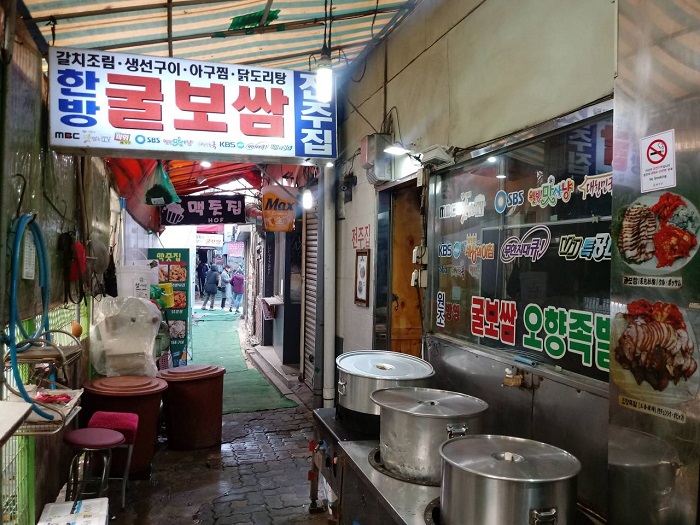
Jeonjujip (전주집)
16-15 Supyo-ro, 20-gil, Jongno-gu, Seoul
A store featured several times in Korean gourmet programs. This Korean dishes restaurant is located in Jongno-gu, Seoul. The most famous menu is kimchi cabbage wraps with pork and oysters.

Jeonnam Area Environmental Disease Prevention Management Center (전남권 환경성질환 예방관리센터)
329-126 Daesan-gil, Ungchi-myeon, Boseong-gun, Jeollanam-do
The Jeonnam Area Environmental Disease Prevention Management Center is an eco-friendly healing center developed in Jeollanam-do to prevent and manage environmental diseases, which have been gradually rising due to various environmental factors such as global warming, industrialization, westernized dietary lifestyle, etc. The center runs educational programs to provide information and enhance understanding of environmental diseases (e.g., atopic dermatitis). s also run experience programs for children to learn while playing, and customized programs to prevent environmental diseases and promote health. Additionally, a meditation room made of eco-friendly materials, a green-tea bath, a red clay and elvan stone jjimjilbang (Korean sauna), an oxygen room, and an accommodation facility are available.
Jeonnam Wando Cheongsando Island (Cittaslow) (전남 완도 청산도 [슬로시티])
7 Cheongsan-ro, Cheongsan-myeon, Wando-gun, Jeollanam-do
Cheongsando Island is an island located in the southern part of Korea, reachable by passenger ferry from Wando in about 40 minutes. The traditional rural village landscape is well preserved here. The name "Cheongsan" means "green mountain," and true to its name, the mountains, sky, and sea are all refreshing. The island boasts a total of eleven slow paths, named so because walking along them slows one's pace due to the beautiful scenery. The view of gudeuljang paddy and low stone walls is also a rare sight to behold.

Jeonpo Café Street (전포카페거리)
92 Dongcheon-ro, Busanjin-gu, Busan
Jeonpo Café Street is a unique and vibrant street lined with diverse cafés. From specialty coffee shops to dessert cafés, bakeries, and brunch spots, visitors can choose from a wide range of options to suit their preferences. Many cafés in the area utilize various spaces, including renovated houses, factories, and warehouses, offering plenty of attractions and things to enjoy.
Plan your Korea trip
Korea travel FAQ
How do I use the travel search?
Enter a place or interest, then narrow the results by region, category or sort order.
Will my filters stay selected on the next page?
Yes. Your search and filter choices stay in the page URL while you move through the results.
Can I find directions to each place?
Place pages include an external Google Maps search when coordinates or an address are available.
Source: Korea Tourism Organization, official website (https://knto.or.kr).