TRAVEL IN KOREA
Korea Places to Visit
Find attractions, culture, festivals, stays, restaurants, shopping and travel courses for a clear Korea trip plan.
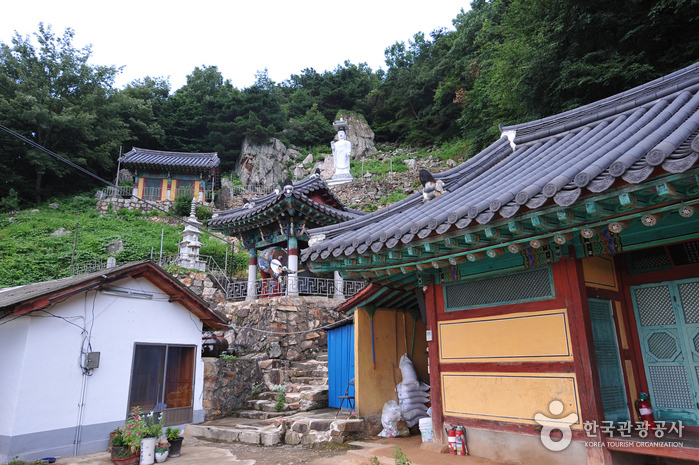
Jeonju Donggosa Temple (동고사 (전주))
103-100, Naksujeong 2-gil, Wansan-gu, Jeonju-si, Jeonbuk-do
Donggosa Temple, located on Seungamsan Mountain in Jeonju, is a Buddhist temple of the Taego Order. The hike up to Donggosa Temple is a refreshing climb, and the temple provides a stunning panoramic view of downtown Jeonju. The temple buildings were constructed one after another along the mountain ridge, and stand in a row on either side of Daeungjeon Hall. The temple is modest and tastefully decorated with portraits of deceased great Buddhist monks and wooden Buddhist murals. The hiking trail to the right of Donggosa Temple leads to Chimyeongjasan Martyrs Ground, which is the graveyard of persecuted Catholics from the late Joseon dynasty.
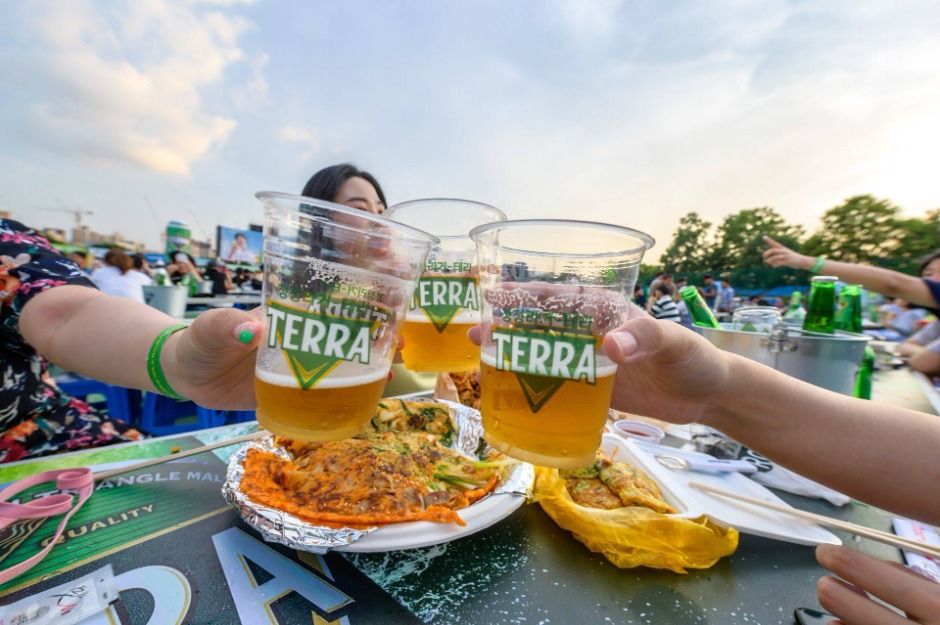
Jeonju Gamaek Festival (전주 가맥축제)
303 Cheonjam-ro, Wansan-gu, Jeonju-si, Jeonbuk-do
The nation's only festival where one can taste Hite beer fresh out of the factory on the same day. Jeonju Gamaek Festival is a festival where the locals' favorite drinking bars and the Korean beer brand Hite collaborate to beat the summer heat and make an unforgettable evening with fresh, cold beer.
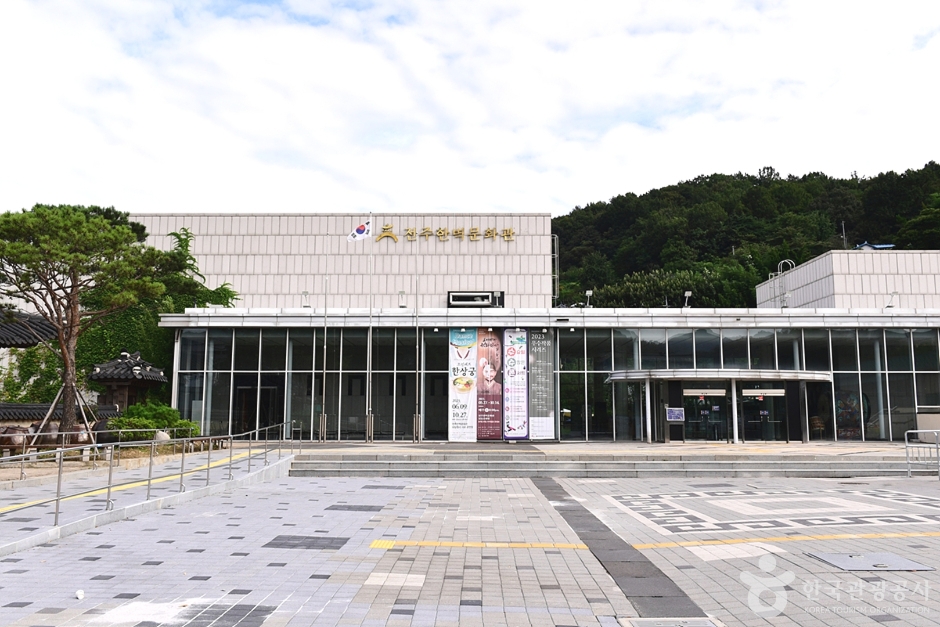
Jeonju Hanbyuk Cultural Center (전주한벽문화관)
20 Jeonjucheondong-ro, Wansan-gu, Jeonju-si, Jeonbuk-do
Jeonju Hanbyuk Cultural Center is a complex cultural space for performances and exhibitions located in Jeonju Hanok Village. Visitors can see Jeonju Madang Changgeuk and the "FANTASIE" series of performing arts, which is a genre-neutral performance of Eastern and Western works. The exhibition room displays paintings, sculptures, and engravings. The center provides traditional cultural experience programs, such as traditional food cooking, hanji (traditional Korean paper) crafts, tea ceremonies, and folk paintings. Traditional weddings are also available in the center.
![Jeonju Handicraft Exhibition Hall [Tax Refund Shop] (전주공예품전시관)](https://tong.visitkorea.or.kr/cms/resource/51/4020551_image2_1.jpeg)
Jeonju Handicraft Exhibition Hall [Tax Refund Shop] (전주공예품전시관)
15, Taejo-ro, Wansan-gu, Jeonju-si, Jeollabuk-do
Jeonju Crafts Exhibition Hall is a specialized craft brand that introduces Jeonju's traditional craft assets through modern curation. You can encounter the essence of Korean aesthetics, from crafts containing the souls of intangible cultural property masters to trendy design products.
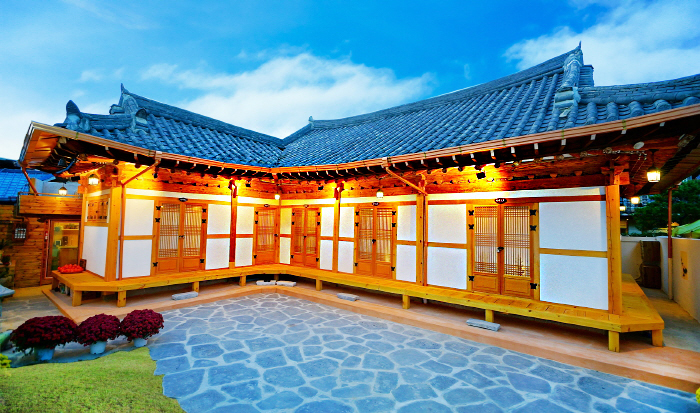
Jeonju hanok house (전주 한옥숙박체험관)
56-1 , Eunhaeng-ro, Wansan-gu, Jeonju-si, Jeonbuk-do
Jeonju Hanok stands at the end of a quiet alley off Eunhaeng-ro in the center of Jeonju Hanok Village, and so is a good base for exploring the village. All guest rooms are ondol-heated and have a loft space that’s popular with children. Water purifiers are installed, and a breakfast of toast, fruit and tea or coffee is provided. The outdoor yard has a table where visitors can relax in good weather.
Jeonju Hanok Railbike (전주한옥레일바이크)
420 Dongbu-daero, Deokjin-gu, Jeonju-si, Jeonbuk-do
Jeonju Hanok Railbike runs along an abandoned section of railroad on the Ajung Line near Jeonju Hanok Village, one of Korea’s largest landmarks. The course runs approximately 3.4 kilometers round-trip from Silli to Waemangsil at a speed of about 15 to 20 kilometers per hour. Railbikes make for a fun activity for individuals, groups of family or company, field trips, experiential study and other varied events. The railbikes are available to enjoy all year round and the rail park houses varied subsidiary facilities including a photo zone, and Ajung Dabang.
![Jeonju Hanok Village [Slow City] (전북 전주 한옥마을 [슬로시티])](https://tong.visitkorea.or.kr/cms/resource/50/3479250_image2_1.jpg)
Jeonju Hanok Village [Slow City] (전북 전주 한옥마을 [슬로시티])
99 Girin-daero, Wansan-gu, Jeonju-si, Jeonbuk-do
Jeonju Hanok Village comprises around 700 beautiful hanok buildings, and is Korea's largest, and the only urban, traditional hanok village. The village started in the early 1900s around the areas of Gyeonggijeon Shrine, Omokdae, and Jeonjuhyanggyo Confusian Academy-all important cultural heritages. To experience what hanok is like, visitors can either book a hanok accommodation or visit the Hanok Life Experience Hall.
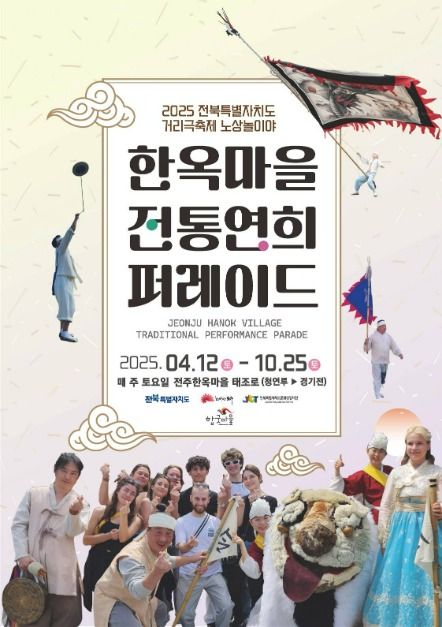
Jeonju Hanok Village Traditional Performance Parade (한옥마을전통연희 퍼레이드-노상놀이야)
44 Taejo-ro, Wansan-gu, Jeonju-si, Jeonbuk-do
The Jeonju Hanok Village Traditional Performance Parade is packed with various street performances, allowing visitors to experience Jeonju's folk culture on the streets. During the parade, visitors can witness Jeonju gijeopnori, a representative traditional performance of Jeonju; madangnori, a traditional performance featuring dance, music, and storytelling through various forms, or sing along to folk labor songs.
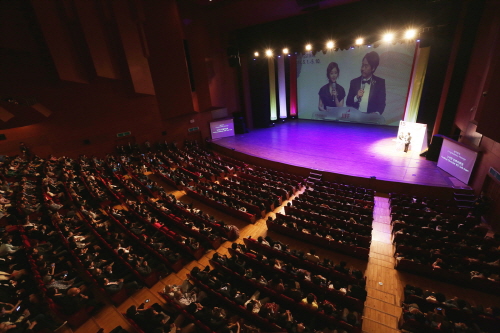
Jeonju International Film Festival (전주국제영화제)
22 Jeonjugaeksa 3-gil, Wansan-gu, Jeonju-si, Jeonbuk-do
Jeonju International Film Festival features an exciting combination of fun and films for people to enjoy.
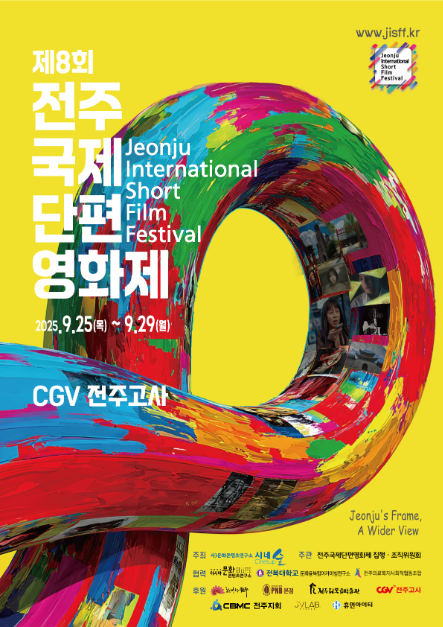
Jeonju International Short Film Festival (제8회 전주국제단편영화제)
72 Jeonjugaeksa 3-gil, Wansan-gu, Jeonju-si, Jeonbuk-do
The Jeonju International Short Film Festival highlights the potential and experimental spirit of short films while exploring new possibilities of cinema through them. Throughout the festival, both Korean and international short films are screened, including award-winning works from competitions, along with an opening ceremony and performances, also offering opportunities to interact with audiences.
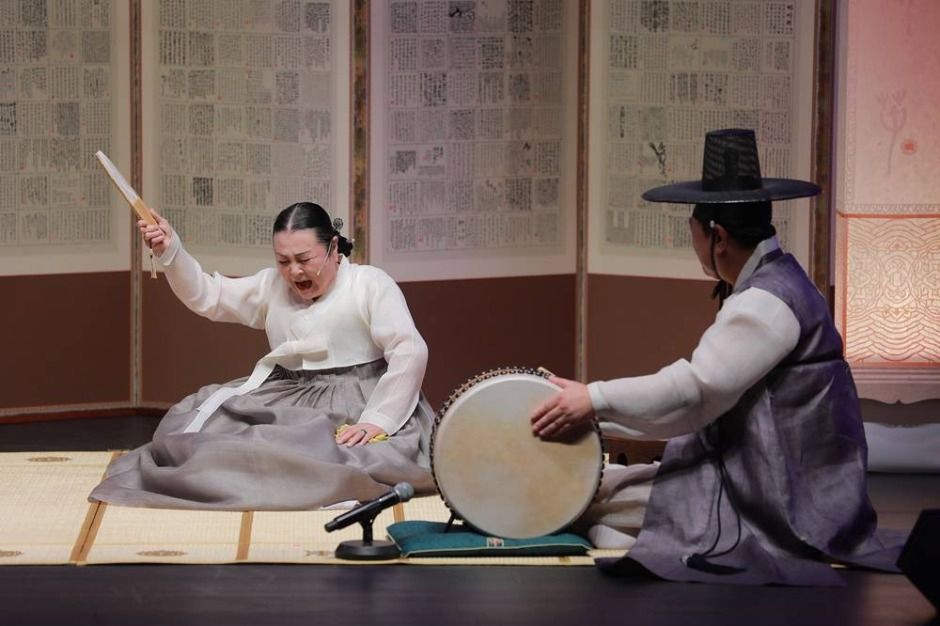
Jeonju International Sori Festival (전주세계소리축제)
31 Sori-ro, Deokjin-gu, Jeonju-si, Jeonbuk-do
Jeonju International Sori Festival offers visitors a chance to enjoy various traditional Korean music as well as music from around the world. Held every year in Jeonju since 2000, music flows throughout the festival period.
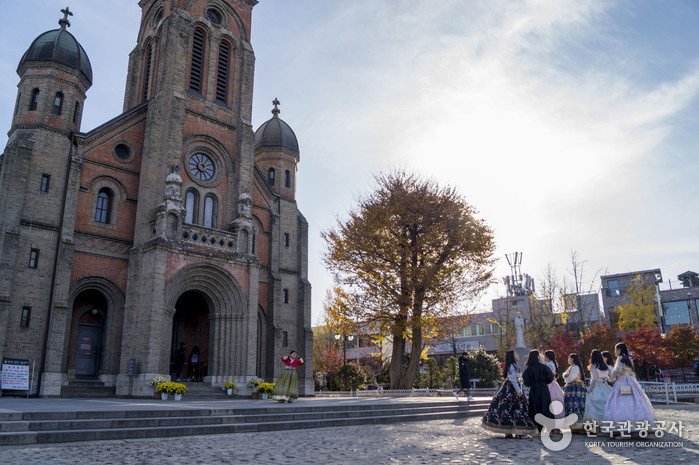
Jeonju Jeondong Catholic Cathedral (전주전동성당)
51 Taejo-ro, Wansan-gu, Jeonju-si, Jeonbuk-do
Jeondong Catholic Cathedral in Jeonju was built in honor of Roman Catholic martyrs of the Joseon dynasty on the very same spot the martyrs lost their lives. The land was purchased by French Priest Baudenet in 1891 (28th year of King Gojong), but construction of the church did not begin until 1908. Construction was completed in 1914, a time during which Korea was under Japanese rule. Though originally built just outside of Pungnammun Gate, the site of the martyrs, the church was later moved to its current location for expansion. The first Romanesque building in the Honam region, Jeondong Catholic Cathedral is made of gray and red bricks and bears a striking resemblance to the Myeongdong Cathedral in Seoul, also designed by Priest Poinel. Not only considered one of the most beautiful Catholic churches in Korea, some even go so far as to say it is one of the most beautiful structures in all of Korea, citing the church’s unique combination of Byzantine and Romanesque architectural styles. The rectangular building is topped with three Byzantine bell towers (to the right, center, and left) and boasts arched ceilings, several of which meet in the form of a cross. It is interesting to note that some of the bricks used in construction of the church were made using materials from the Jeonjueupseong Walled Town, which was torn down by the Japanese. It is also said that the cornerstone of the church came from a wall of Jeonjueupseong Walled Town near Pungnammun Gate.
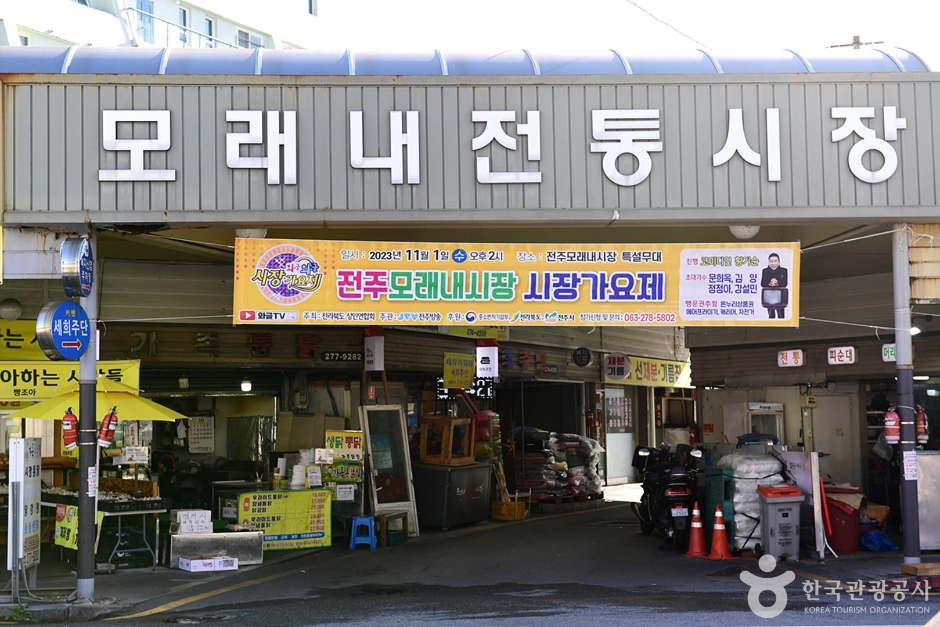
Jeonju Moraenae Market (전주 모래내시장)
8-8 Moraenae 4-gil, Deokjin-gu, Jeonju-si, Jeonbuk-do
Along with Jeonju Nambu Market and Jungang Market, Jeonju Moraenae Market is a traditional market that represents Jeonju. It was first formed in 1970, and sells a wide variety of goods including vegetables, fruits, poultry, fish, dried fish, clothing, and general supplies. The market also gets supplied with fresh fruits from the nearby city of Wanju. Jeonju Moraenae Market is filled with delicious local foods and located in proximity to popular tourist attractions such as Jeonju Hanok Village, Gyeonggijeon Shrine, Jeondong Catholic Cathedral, National Jeonju Museumm and Moaksan Mountain.
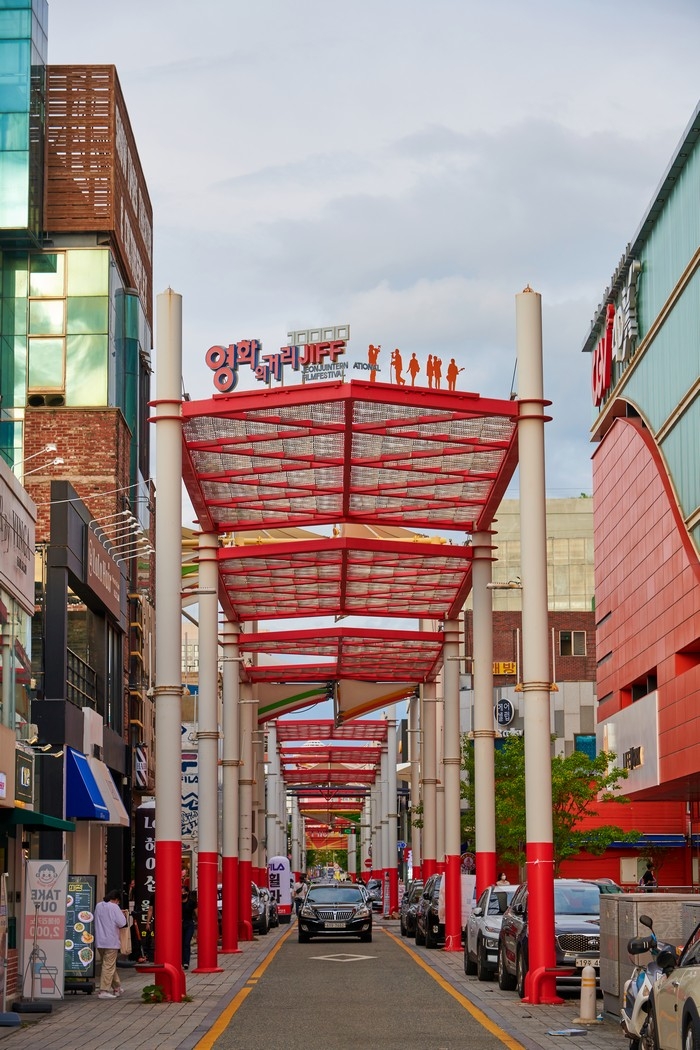
Jeonju Movie Street (전주 영화의 거리)
Gosa-dong, Wansan-gu, Jeonju-si, Jeonbuk-do
Jeonju Movie Street is the venue of Jeonju International Film Festival that is connected to Gaeksa Street, a representative shopping street in the original downtown of Jeonju. Gaeksa Street has a unique atmosphere where various shops and cute cafes are combined with buildings showing traces of time. When the Jeonju International Film Festival is held, the red-colored streets become more dynamic with crowds from all over the country to watch movies.
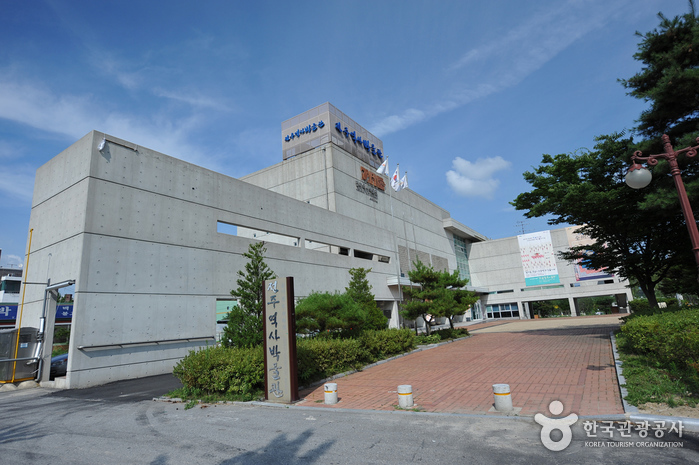
Jeonju Museum of History (전주역사박물관)
259, Ssukgogae-ro, Wansan-gu, Jeonju-si, Jeonbuk-do
The Jeonju History Museum exhibits the long and fascinating history of Korea. The museum is divided into different exhibits, providing visitors with cultural history with emphasis on Jeonju history.
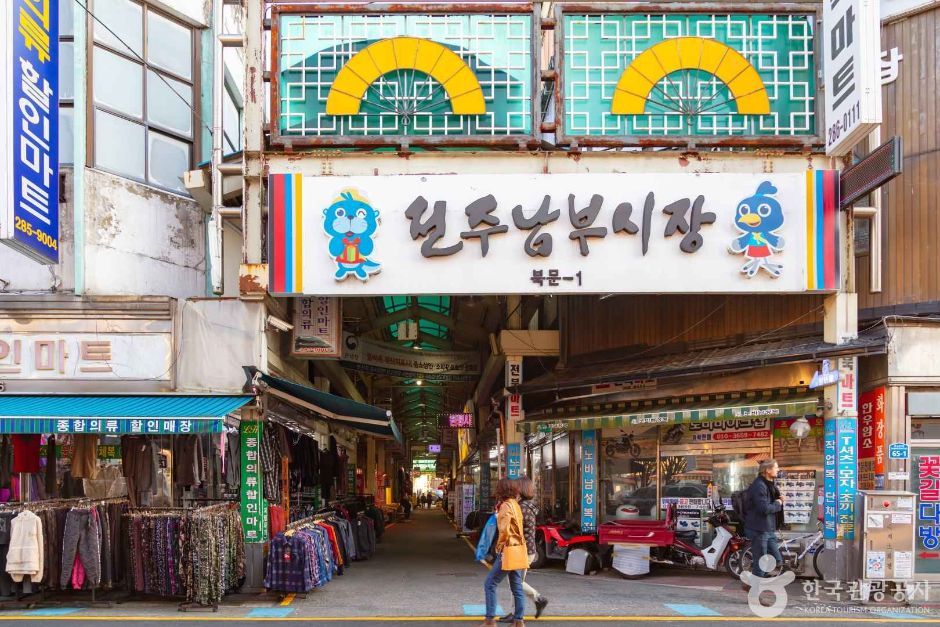
Jeonju Nambu Traditional Market (전주 남부시장)
19-3 Pungnammun 1-gil, Wansan-gu, Jeonju-si, Jeonbuk-do
Jeonju Nambu Traditional Market opened as a regular public market in 1905 at the site of the Joseon-era Nammunbakk Market, located just outside the Southern gate to the city. Currently the market is comprised of about 800 stores with 1,200 workers selling vegetables, fruits, food, dried fish, furniture, silk goods, and general goods. The market was revitalized with the creation of the Youth Market, located in the previously empty shops on the second floor of 6-dong. An influx of young shopkeepers and entrepreneurs has given the marketplace an exciting vibe like that found in Hongdae or Samcheong-dong. The night market held on Fridays and Saturdays also draws in many visitors with a multitude of delicious treats, ranging from traditional dishes such as nokdujeon (mung bean pancake) to fusion treats like bibimbap served in rice paper like a spring roll.
Plan your Korea trip
Korea travel FAQ
How do I use the travel search?
Enter a place or interest, then narrow the results by region, category or sort order.
Will my filters stay selected on the next page?
Yes. Your search and filter choices stay in the page URL while you move through the results.
Can I find directions to each place?
Place pages include an external Google Maps search when coordinates or an address are available.
Source: Korea Tourism Organization, official website (https://knto.or.kr).