TRAVEL IN KOREA
Korea Places to Visit
Find attractions, culture, festivals, stays, restaurants, shopping and travel courses for a clear Korea trip plan.
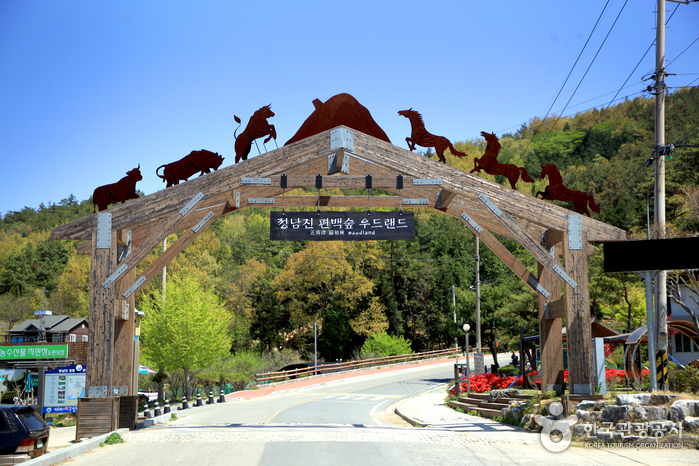
Jeongnamjin Cypress Forest Woodland (정남진 편백숲 우드랜드)
180, Woodland-ro, Jangheung-gun, Jeollanam-do
Jangheung Jeongnamjin is an ecological village situated next to mountains, the sea, and the river. The Jeongnamjin Cypress Forest Woodland is the best spot in the area to enjoy the refreshing air and a forest full of tall, 40-year-old cypress trees. Sitting at the foot of Eokbulsan Mountain overlooking downtown Jangheung-eup, the Jeongnamjin Cypress Forest Woodland is home to the Wood Culture Experience Hall, beautiful lodging facilities, including hanoks (traditional Korean houses), the Jeonnam Woodcraft Center, the Ecological Building Experience Site, Forest of Therapy, and the Cypress Salt House (traditional Korean sauna).

Jeongnamjin Jangheung Water Festival (정남진 장흥 물축제)
83, Chilgeoriyeyang-ro, Jangheung-eup, Jangheung-gun, Jeollanam-do
The Jeongnamjin Jangheung Water Festival is one of Korea’s leading summer festivals. It has been named an Honorary Culture and Tourism Festival by the Ministry of Culture, Sports and Tourism and selected as a Preliminary Global Festival. Set against the clean waters of the Tamjingang River and Jangheung Dam, the festival is packed with water-themed programs and continues to strengthen its presence on the global stage. Its signature event, the Salsu Battle Street Parade, turns the city streets into a giant splash zone where anyone can join in the fun. Other highlights include the World’s Largest Water Fight, Catch the Golden Fish, and a range of action-packed water activities. During the day, visitors can cool off with lively water games and activities. After sunset, the energy continues with K-pop concerts, Jangheung Water Beat, and other spectacular night performances. Programs such as the Papillon ZIP experience and Jangheung Camping Stay also invite visitors to enjoy the area’s nature, food, and local attractions. Open to visitors of all ages and backgrounds, the festival is a refreshing summer getaway where everyone can escape the everyday and dive into the fun.
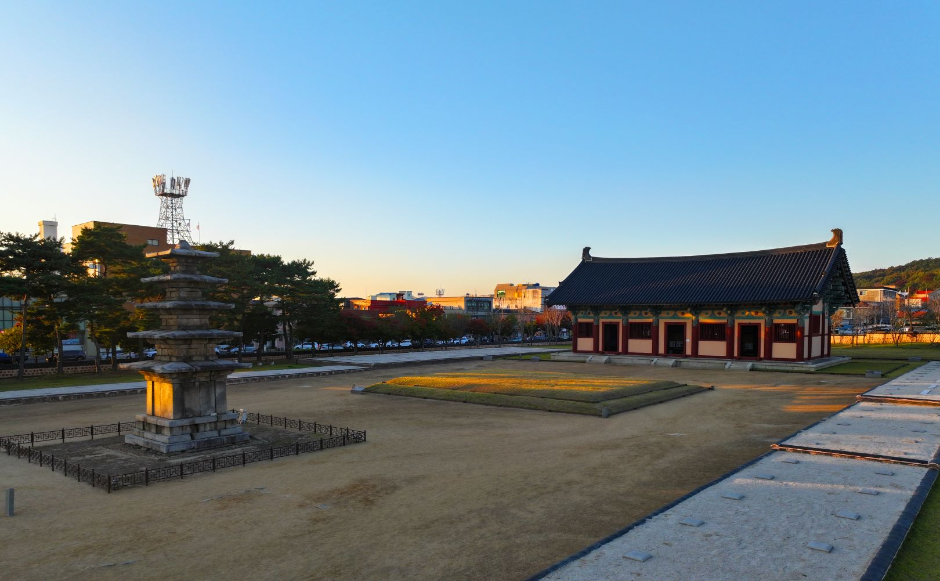
Jeongnimsa Temple Site & Sabi-gil (정림사지와 사비길)
83 Jeongnim-ro, Buyeo-eup, Buyeo-gun, Chungcheongnam-do
Jeongnimsa Temple Site, located in the city center of Baekje, the capital during the Sabi dynasty, is a representative Buddhist site of Baekje. Even after the fall of Baekje, the Five-story Stone Pagoda of Jeonnimsa Temple Site still stands tall today, revealing the historical significance of Baekje. Sabi-gil, an eco-friendly walking trail, takes visitors around many popular attractions from the Baekje era, allowing a glimpse into the history and culture of Baekje.
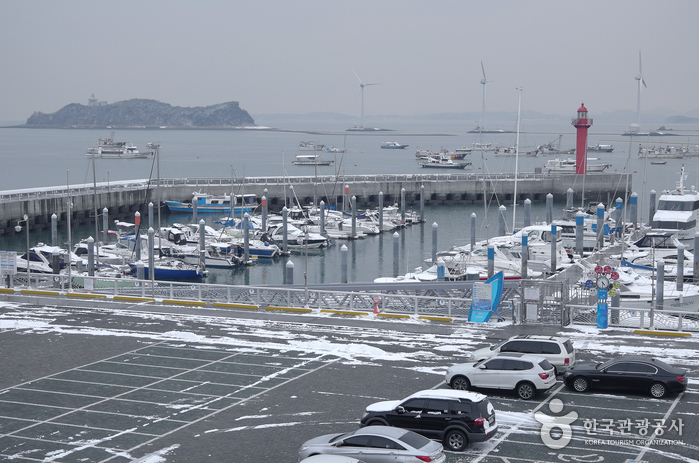
Jeongok Port (전곡항)
5 Jeongokhang-ro, Seosin-myeon, Hwaseong-si, Gyeonggi-do
Jeongok Port is a port facing Jebudo Island and Nueseom Island. It was selected as Korea's first leisure fishing port. It was developed after being chosen as an experimental zone. It was created as a multi-functional theme fishing port, where fishing, yacht experiences, a marina, and an annual fishing competition are available. There are many restaurants nearby serving fresh seafood and shellfish from the West Sea. The West Sea and Jebudo Marine Cable Car is also located nearby, making it a tourist destination that offers not only water activities but also car drives and walks.
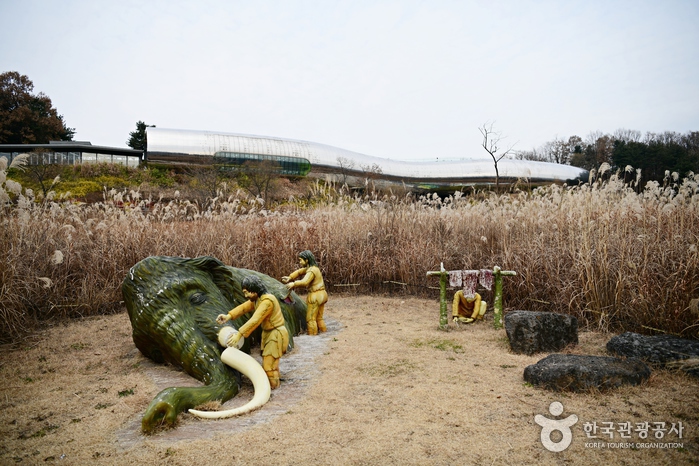
Jeongok Prehistory Musuem (전곡선사박물관)
2 , Pyeonghwa-ro 443beon-gil, Yeoncheon-gun, Gyeonggi-do
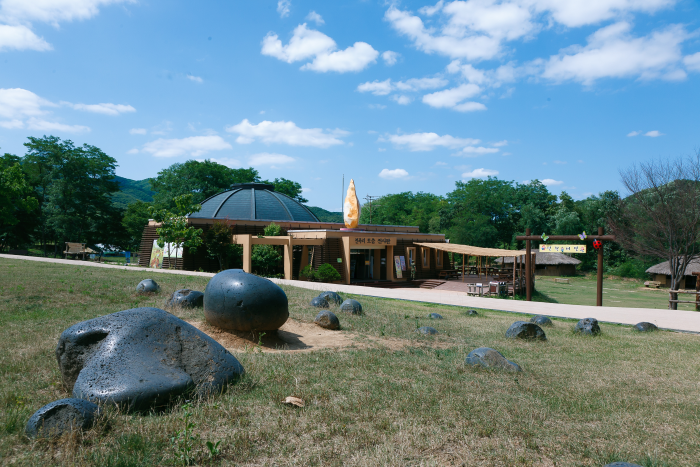
Jeongok Prehistory Museum is a relics museum built in the Paleolithic ruins of Jeongok-ri, a historical site that rewrote the history of Paleolithic research in the world with the discovery of the first Acheulean hand ax in East Asia. Centered on Paleolithic relics such as an Acheulean hand ax excavated from the Jeongok-ri Paleolithic site, the exhibition space is composed of relics of various themes to systematically understand human evolution and Paleolithic culture.
Jeongok-ri Prehistoric Site - Hantangang River Geopark (연천 전곡리 유적-한탄강 국가지질공원)
1510, Yangyeon-ro, Yeoncheon-gun, Gyeonggi-do
The Jeongok-ri Prehistoric Site is the prime site on the Korean peninsula for the study of Paleolithic relics, and was unearthed after the discovery of a stone implement by an American soldier who was visiting an amusement park near Hantangang River in the winter of 1978. It was identified as an Acheulean Paleolithic stone implement by an expert, and gained the attention of paleontologists from around the world. The Jeongok-ri Prehistoric Site is situated on a basalt deposit that was likely formed during the Precambrian era. With the discovery of soil wedge and tephra indicating the top layer to be estimated at least 20,000 years old, the region is also considered highly valuable among geologists.
Jeongseoktong Barbeque Tongjokgui Jogaeteo(정석통바베큐통족구이 조개터)
133, Jungang, 2-ro, Pyeongtaek-si, Gyeonggi-do
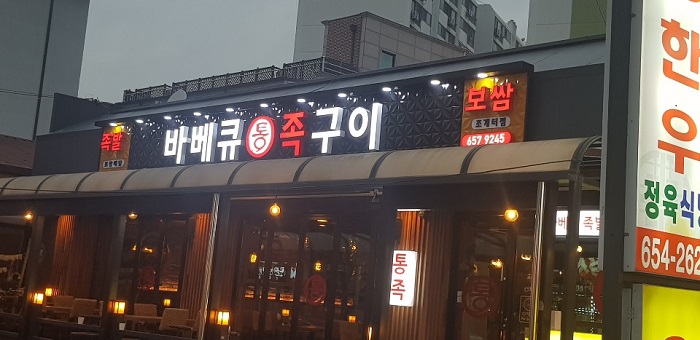
It is a barbecue-flavored Jokbal (pig’s feet) restaurant. This Korean dishes restaurant is located in Pyeongtaek-si, Gyeonggi-do. The most famous menu is braised pigs' feet.
Jeongseon Arirang Festival (정선아리랑제)
Bongyang-ri, Jeongseon-gun, Gangwon-do
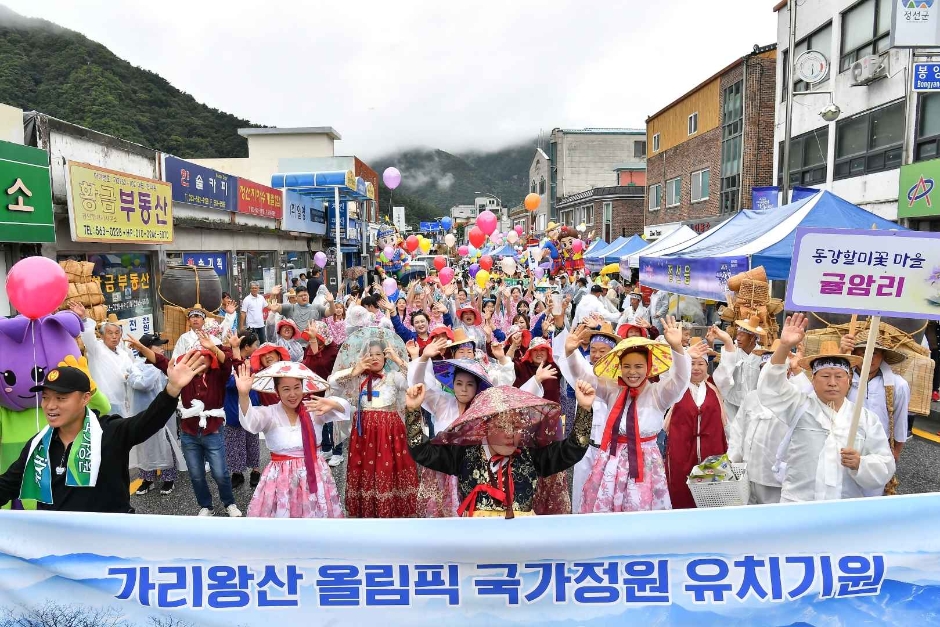
Arirang is a globally renowned Korean folk song. The song is rooted in many different regions and thus Korea has several versions of “Arirang.” “Jeongseon Arirang” is the source of all “Arirang,” and in recognition of its value, it was registered as a UNESCO Intangible Cultural Heritage of Humanity in 2012. The Jeongseon Arirang Festival is held to preserve and develop the folk song. It starts off with the Chilhyeon Ritual Ceremony, held in honor of the patriotic fidelity of chilhyeon, the seven loyalists in the last years of the Goryeo dynasty who appear in the origin story of “Jeongseon Arirang.” The ceremony also prays for a successful festival and the well-being of the county’s people. The festival features 83 events, including the Arirang Parade and the National Arirang Singing Contest. ◎ Jeongseon ArirangBefore attending the Jeongseon Arirang Festival, it is recommended to listen to “Jeongseon Arirang.” Hearing its melodious highs and lows while viewing the winding mountain ridges surrounding Jeongseon will enhance your understanding and appreciation of “Jeongseon Arirang.” ◎ Chilhyeon Ritual Ceremony The Chilhyeon Ritual Ceremony honors the patriotic loyalty of seven sages—Jeon O-ryun, Sin An, Kim Chung-han, Yi Su-saeng, Byeon Gwi-su, Kim Wi, and Go Cheon-u—who remained loyal to Goryeo Dynasty during its fall.
Jeongseon Arirang Training Hall (정선아리랑 전수관)
69, Auraji-gil, Jeongseon-gun, Gangwon-do
Jeongseon Arirang is an important intangible heritage of Korea, being designated Gangwon-do Intangible Cultural Asset No. 1, as well as recorded as a UNESCO Intangible Cultural Heriatge. The song was created in the late Goryeo dynasty by seven worshippers of the dynasty who settled in Jeongseon. The song was made to help the local scholars understand Chinese poetry, and to express the stories and emotions to the locals. The Jeongseon Arirang Training Hall was established to preserve and promote this history, as well as develop the local folk culture. The hall is located by the Auraji riverside at the point where Songcheon and Goljicheon Streams meet. The facilities are comprised of three buildings, divided into an exhibition area, and a experience area. In the experience area, visitors can learn how to perform Jeongseon Arirang by official holders of the intangible heritage. Programs are free but require advance reservation.
Jeongseon Morundae Cliff (몰운대 (정선))
1330, Yaksu-gil, Jeongseon-gun, Gangwon-do
Morundae Cliff is one of the Eight Scenic Sites of Hwaam. The tip of the steep cliff is adorned with three specimens of 500-year-old pine trees. Legend has it that gods would perch on the cliff’s top and enjoy the beautiful view. At the foot of the cliff lies a large sheet of rock that can accommodate hundreds of people. ◎ Travel information discovering the charm of Hallyu - Film This location represents the summit of the fictional Homisan Mountain, featuring a 500-year-old dead tree standing at the edge of a cliff. At Molundae, where even clouds are said to stop and rest because of the beautiful scenery, a book-shaped sculpture displays a poem that says, “The end of the world is the beginning of another love.” It brings to mind Hae-jun and Seo-rae finally facing each other on a snowy night.
Jeongseon Railbike (정선레일바이크)
745, Nochusan-ro, Jeongseon-gun, Gangwon-do
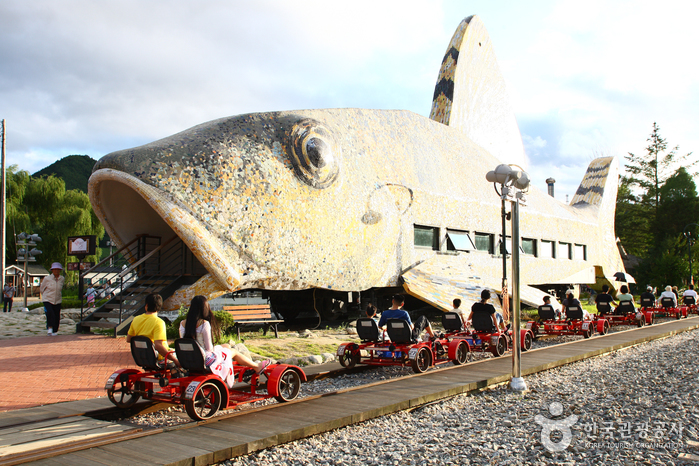
Jeongseon Railbike was the first railbike location to open in Korea. Offering both two- and four-person bikes, riders depart from Gujeol Station and travel 7.2 kilometers along an abandoned railway track to Auraji Station. The tracks pass along the clean river, through a forest, and through old train tunnels decorated with vibrant lights. The track of Jeongseon Railbike is relatively flat, making it easy for all riders to enjoy the passing scenery in comfort. The full track takes about 30~40 minutes to complete. After arriving, visitors can hop aboard the train that takes riders back to Gujeol Station. There are cafes at Gujeol and Auraji Stations designed to look like a grasshopper and a fish, respectively. These train cafes make for great photos! The Ant Pension also is fun, designed just like an ant.
Jeongsimhwa Hall of Jeongsimhwa International Cultural Center at Chungnam National University (충남대학교 정심화국제문화회관)
99, Daehak-ro, Yuseong-gu, Daejeon
The Jeongsimhwa International Cultural Center is the large building on the right, just past the gate of Chungnam National University. ‘Jeongsimhwa’ is the Buddhist name of Ms. Lee Bok-Soon, who donated her lifetime savings (a total of five billion won) to the university back in 1990. She had earned the money over the course of many years by selling gimbap (rice rolled in seaweed), which currently sells for only 1,000 or 2,000 won a roll. The cultural center was built in commemoration of the late Ms. Lee. After a series of setbacks and through the effort of many helping hands, construction was finally completed in 2000. The Jeongsimhwa Hall at the center has 1,817 seats and is used for concerts, performances, and other large-scale events. Baekma Hall (450 seats) and Daedeok Hall (200 seats) are used primarily for seminars. For visitors’ convenience, the Jeongsimhwa International Cultural Center has a parking area with space for up to 268 cars.
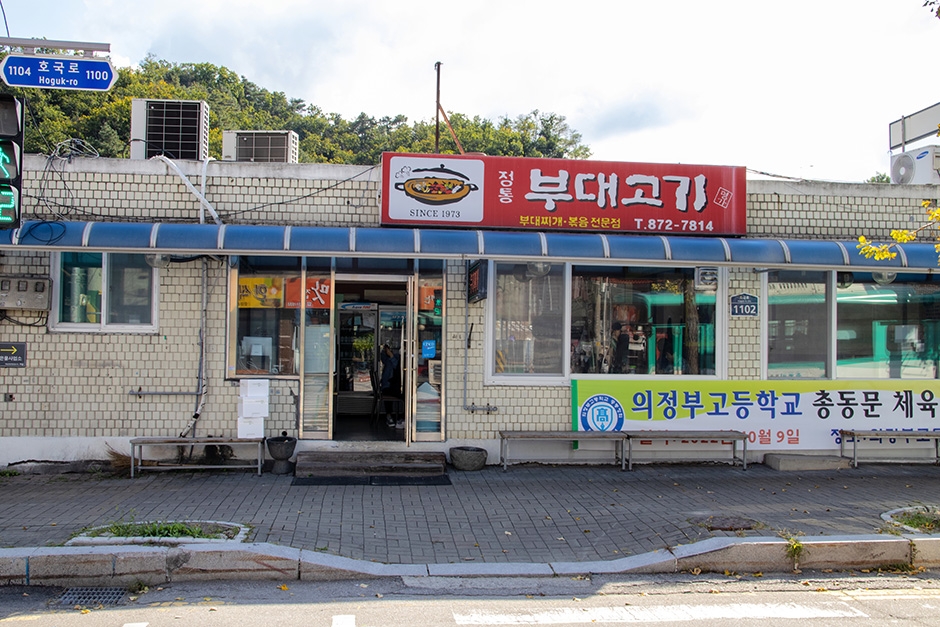
Jeongtong Budaegogi (정통부대고기)
경기도 의정부시 호국로 1102
Opened in 1973, this budaejjigae (Sausage Jjigae) restaurant is known for its exceptional flavor, achieved through spicy kimchi and a carefully crafted broth. Another popular menu item is budaebokkeum, a stir-fried, soupless version of the classic jjigae.
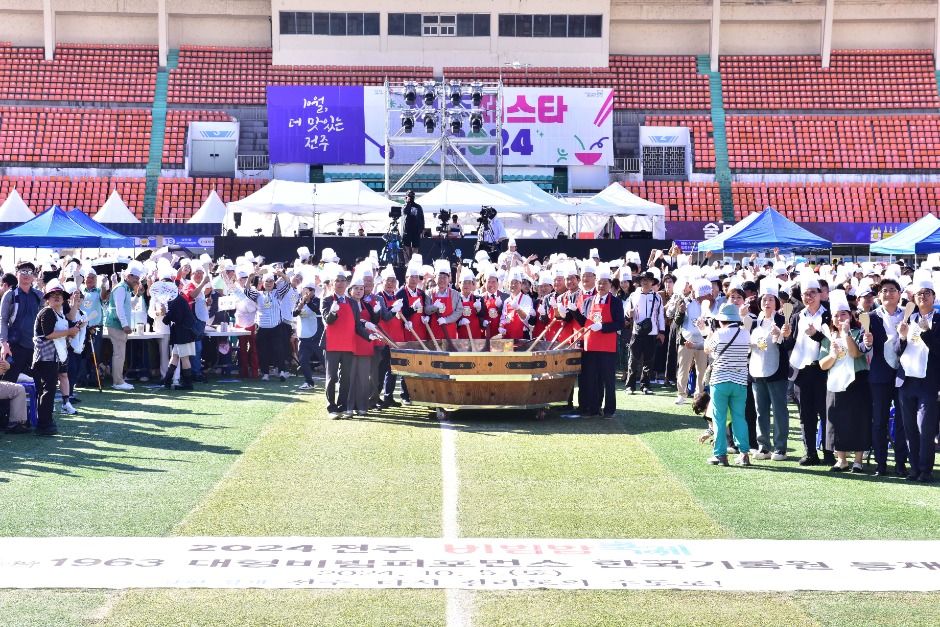
Jeonju Bibimbap Festival (전주비빔밥축제)
1055 Girin-daero, Deokjin-gu, Jeonju-si, Jeonbuk-do
The Jeonju Bibimbap Festival celebrates the taste and charm of one of Korea's representative foods in the city of it's origin, Jeonju. The city has been recognized by UNESCO as a City of Gastronomy, and the festival promotes this branding. Visitors to the festival can enjoy a variety of immersive programs, including hadns-on activities and performances centered on Jeonju bibimbap.
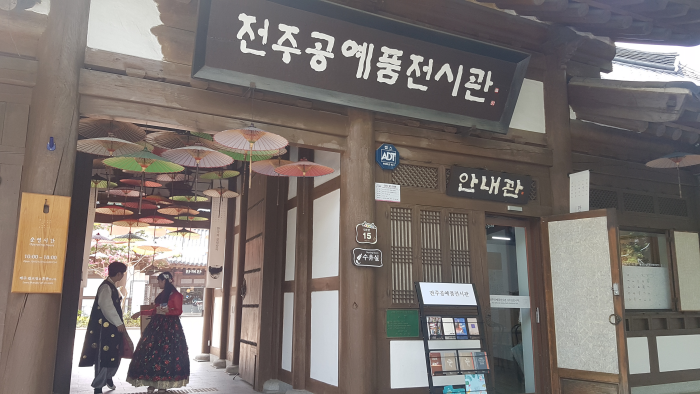
Jeonju Crafts Exhibition Hall (전주공예품전시관)
15 Taejo-ro, Wansan-gu, Jeonju-si, Jeonbuk-do
Jeonju Crafts Exhibition Hall promotes the beauty of traditional Korean crafts, and is made up of a Craft Hall, Special Exhibition Hall, and Experience Hall, Visitors can see traditional art works from master artisans as well as creative works from up-and-coming artists and designers. Visitors can also create their own handcrafted items in one of their many programs.
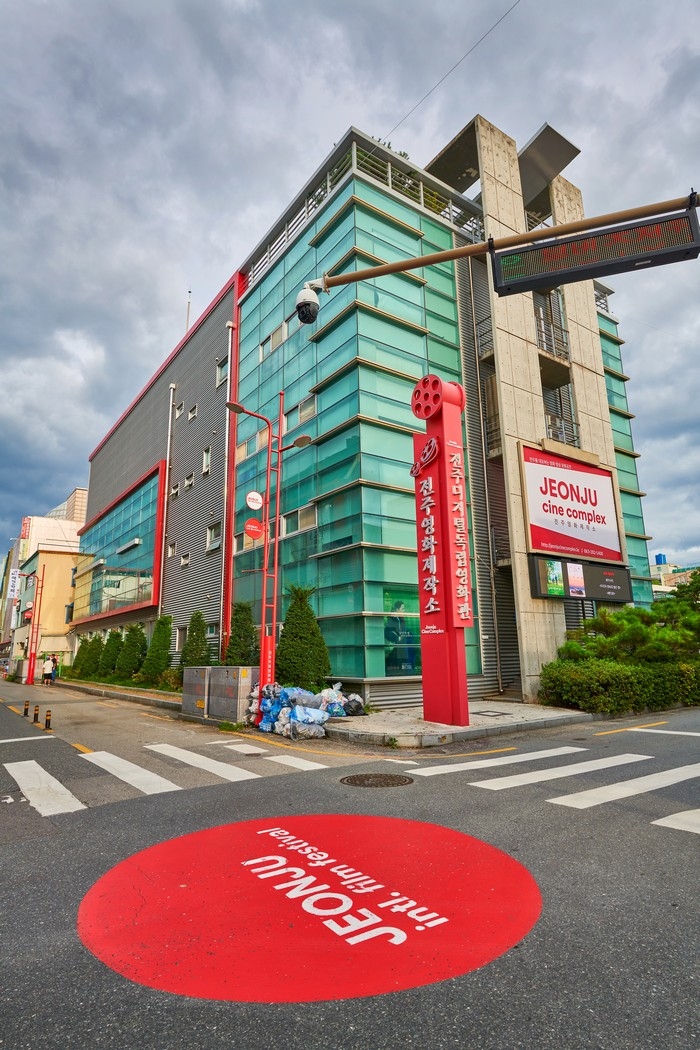
Jeonju Digital Independent Movie Cinema (전주디지털독립영화관)
22 Jeonjugaeksa 3-gil, Wansan-gu, Jeonju-si, Jeonbuk-do
This is a digital film and video integrated solution technology center equipped with post-production facilities for films. It also has the only independent art film screening room in the Jeonju area. With 98 seats, it serves as a hideout for maniacs who love independent films. In the data reading room on the 1st floor, visitors can watch Blu-ray and DVD of independent and art films from domestic and abroad, and one can enjoy Korean classic movies to their heart's content through the VOD service of the Korean Federation of Film Archives.
Plan your Korea trip
Korea travel FAQ
How do I use the travel search?
Enter a place or interest, then narrow the results by region, category or sort order.
Will my filters stay selected on the next page?
Yes. Your search and filter choices stay in the page URL while you move through the results.
Can I find directions to each place?
Place pages include an external Google Maps search when coordinates or an address are available.
Source: Korea Tourism Organization, official website (https://knto.or.kr).