TRAVEL IN KOREA
Korea Places to Visit
Find attractions, culture, festivals, stays, restaurants, shopping and travel courses for a clear Korea trip plan.
](https://tong.visitkorea.or.kr/cms/resource/20/4017620_image2_1.jpg)
Segyero Onnuri Pharmacy [Tax Refund Shop](세계로온누리약국)
1F, 219, Achasan-ro, Gwangjin-gu, Seoul
Segyero Onnuri Pharmacy aims for world-class professional pharmaceutical services based on the Onnuri chain's advanced health management system. We dream of becoming a trusted health hub sought by people worldwide through nutrition consultations optimized for each patient and meticulous medication guidance.
Sehwa Beach (세화해변)
Sehwa-gil, Jeju-si, Jeju-do
Sehwa Beach, located in Sehwa-ri in Gujwa-eup, is a white sandy beach with black basalt that harmonizes perfectly with the emerald waters. Sehwa Beach is well-known in Jeju Island due to its close proximity with Bellongjang Market and Sehwa Folk Fifth-day Market, opening right next to Sehwa Beach, as well as the flea market at Bellongjang Market attracting many visitors.
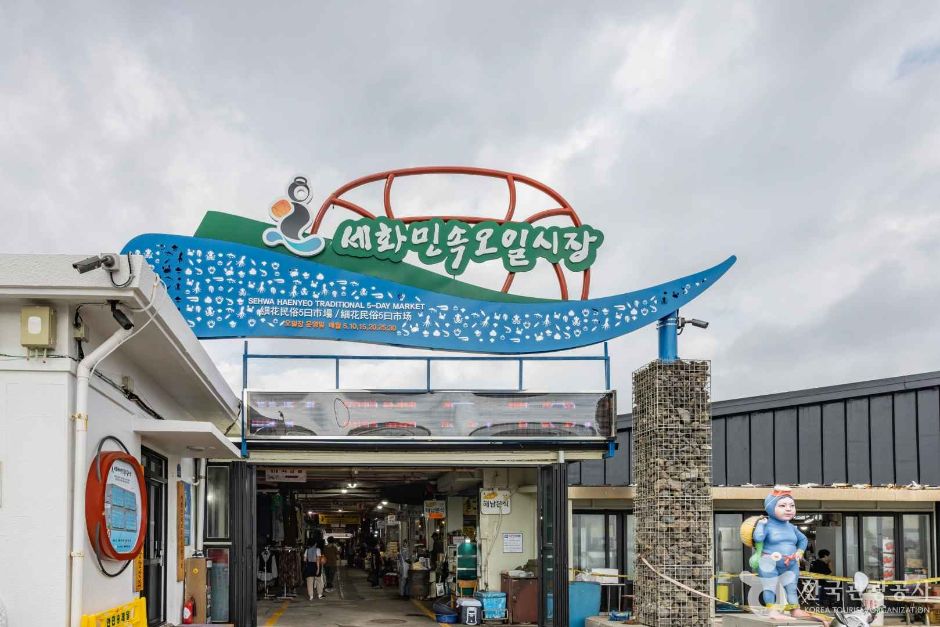
Sehwa Fifth-day Market (세화민속오일시장(5일, 0일)
1412 Haemajihaean-ro, Gujwa-eup, Jeju-si, Jeju-do
Sehwa Fifth-day Market is one of the largest of its kind in eastern Jeju. Being a fifth-day market, it only opens on days ending in 5 or 0. It is at its busiest before noon, with many stores closing their doors by 14:00. This market offers an interesting glimpse into the lives of Jeju locals with its dazzling array of Jeju’s pride, seafood, along with stalls offering lifestyle goods, food, and side dishes. Don’t miss the Manna Sikdang here: This joint is famous for its tteokbokki, stir-fried rice cake, one of the most beloved snack dishes in Korea. There are other places offering snack fare near Manna Sikdang, so visitors are recommended to drop by and sample some Korean favorites. Note that Sehwa Fifth-day Market is situated to the left of Sehwahaebyeon Beach, so one can easily visit the two when in the area. (Market open on: Days ending in 5 or 0 of every month)
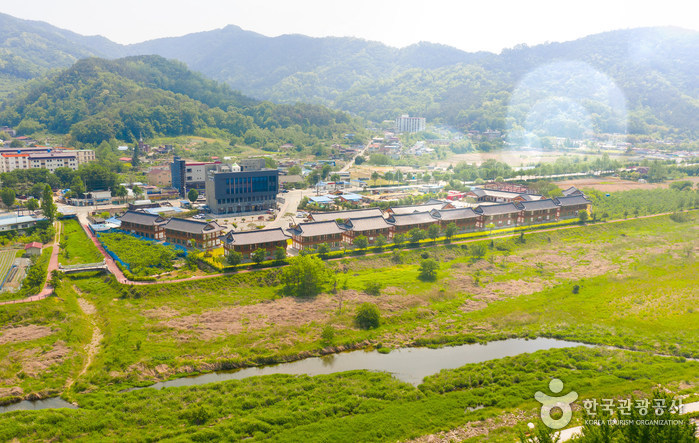
Sejogwan of the Royal Room (왕의지밀 세조관)
5218-18 , Chunhyang-ro, Wansan-gu, Jeonju-si, Jeonbuk-do
Wangui Jimil Sejogwan (‘Royal Room of King Sejo’) in Jeonju, Jeollabuk-do, is a hotel that combines hanok style with modern facilities - one of a group of hotels named after Joseon kings. There are six rooms, divided into Gold and Silver class, and all equipped with bathrooms and toilets. Rooms have exposed beams and traditional furniture, and the scenic views and chirping of insects beyond the large windows add to the charm. Additional facilities include a hanok cafe, a restaurant, and a convention center. Guests can reach anywhere in Jeonju Hanok Village in about 10 minutes by car.
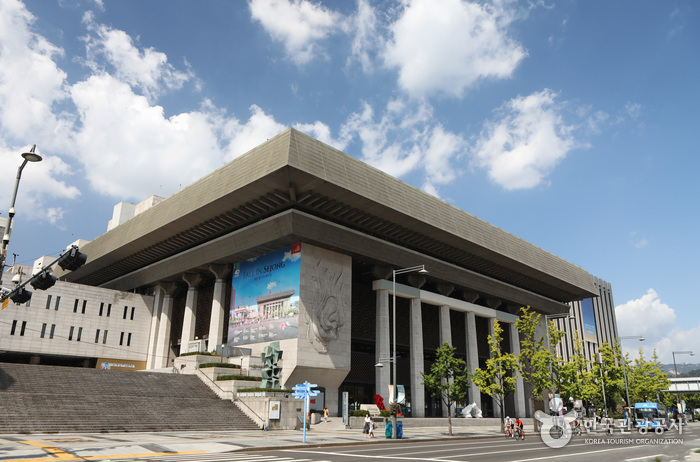
Sejong Center (세종문화회관)
175, Sejong-daero, Jongno-gu, Seoul
Sejong Center, officially known as Sejong Center for the Performing Arts, opened on July 1, 1999 to provide citizens with a cultural art space. Having completed a grand remodeling project in 2007, Sejong Center offers customer-friendly programs aimed at improving the quality of art performances in a comfortable resting area. Comprising the Grand Theater of Sejong Center, Sejong M Theater, Sejong Chamber Hall, Exhibition Hall, and other subsidiary facilities, Sejong Center is a multicultural art center. Various genres of performances including traditional, classic, and crossover have taken place in the center, giving many opportunities for cultural nostalgia. * Opened April 14, 1978

Sejong Central Park (세종중앙공원)
60 Junganggongwon-ro, Sejong-si
Sejong Central Park spans 1.38 million square meters and offers a relaxing green space filled with diverse plants and themed gardens. Opened in phases starting in November 2020, the park features plazas, family leisure and arts forests, and extensive water elements such as ponds, a musical fountain, and cooling mist. With observation decks, visitor facilities, and over 12 sports amenities, including baseball, soccer, and basketball, the park supports both rest and active leisure in harmony with nature.
Sejong Cheongansa Temple (청안사(세종))
128-23, Ganeusil-gil, Jeonui-myeon, Sejong-si
Sitting at the foot of a mountain near Ganeusil Village, Cheongansa Temple belongs to the Jogye Order of Korean Buddhism. It had been believed to have been built in 1900, but the roof tile and white porcelain pieces from the mid-Joseon dynasty period found near the temple suggested that it might have been built even earlier. Cheongsansa had also been thought to be a branch of Biamsa Temple, which is presumably built in the 7th century during the late Baekje kingdom period.
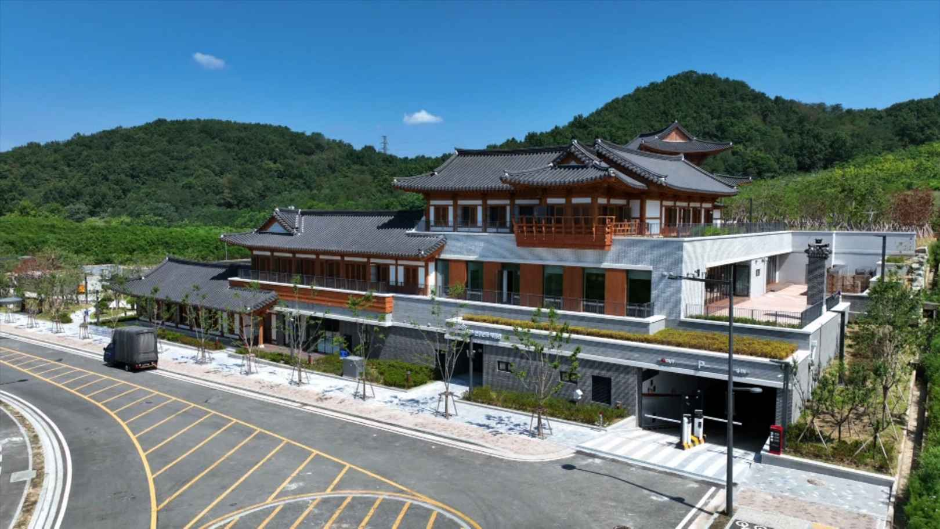
Sejong Cultrual Center of Korean Tradition (세종전통문화체험관)
94 Morongji-ro, Sejong-si
The Sejong Cultrual Center of Korean Tradition provides visitors with an immersive experience of traditional Korean crafts and culture, capturing the essence of Korea. The exhibition and promotional halls showcase crafts and traditional paintings depicting the daily life and rituals of Buddhist temples, along with an interactive experience room. Visitors can participate in traditional arts activities such as samulnori (percussion performance), mask dancing, decorative painting, folk painting, and calligraphy. Cultural experiences include temple food workshops focusing on vegan and fermented dishes, as well as meditation, yoga, and tea ceremonies.
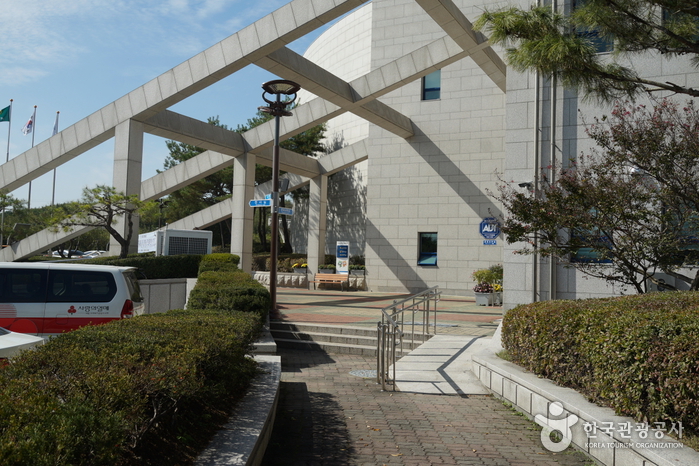
Sejong Culture & Arts Center (세종문화예술회관)
22, Munyehoegwan-gil, Sejong-si
Located in Sejong Special Self-Governing City, the Sejong Culture & Arts Center is a multi-purpose cultural space for performances and exhibitions. It offers a variety of opportunities for local artists as well as a place to enjoy culture and arts for local residents.

Sejong Hangeul Festival (세종한글축제)
216, Dasom-ro, Sejong-si
The Sejong Hangeul Festival is the only festival in Korea dedicated to Hangeul, the Korean alphabet. Held every year around Hangeul Day, it is Sejong City’s signature celebration of the Korean writing system. Launched in 2013, the festival honors the vision behind King Sejong’s creation of Hangeul. In 2025, it was renamed the Sejong Hangeul Festival from its former name, the Sejong Festival. The festival brings the beauty and creativity of Hangeul to life through performances, exhibitions, and hands-on programs with a fresh, contemporary touch. Open to visitors of all ages and nationalities, it offers an easy and engaging way to experience the appeal of Hangeul and the spirit of King Sejong in the heart of the city. Blending traditional and contemporary arts and culture, the festival continues to grow as a distinctive cultural tourism event unique to Sejong City.

Sejong Lake Park (세종호수공원 일원)
216 Dasom-ro, Sejong-si
Sejong Lake Park is a large scale man-made park and is one of the major tourism destinations in Sejong. On weekends, the area is packed with visitors who come to relax and enjoy performances, festivals and cultural events.

Sejong National Arboretum (국립세종수목원)
136 Sumogwon-ro, Sejong-si
The Sejong National Arboretum, designed as the first urban arboretum in Korea, was built adjacent to the Sejong Government Complex, where several government ministries are located. It is largely divided into three sections: the community program center, the educational center, and the garden exhibition center. Each center consists of different themed gardens that exhibit a variety of plant species that align with the center's purpose.
Sejong Singwangsa Temple (신광사 (세종))
24, Togolgogae-gil, Sejong-si
Singwangsa Temple is located on Nojeoksan Mountain. It is estimated to have been built 160 years ago, and renovated in 1920 by head monk Lee Gyeong-jik. The temple, originally called Togoljeol or Suryangsa, was renamed Singwangsa by monk Hyewon in 1980. Visitors will discover that this temple is filled with youthful energy. Although the temple has a short history, its location near Hongik University Sejong Campus has helped the temple become popular among college students.
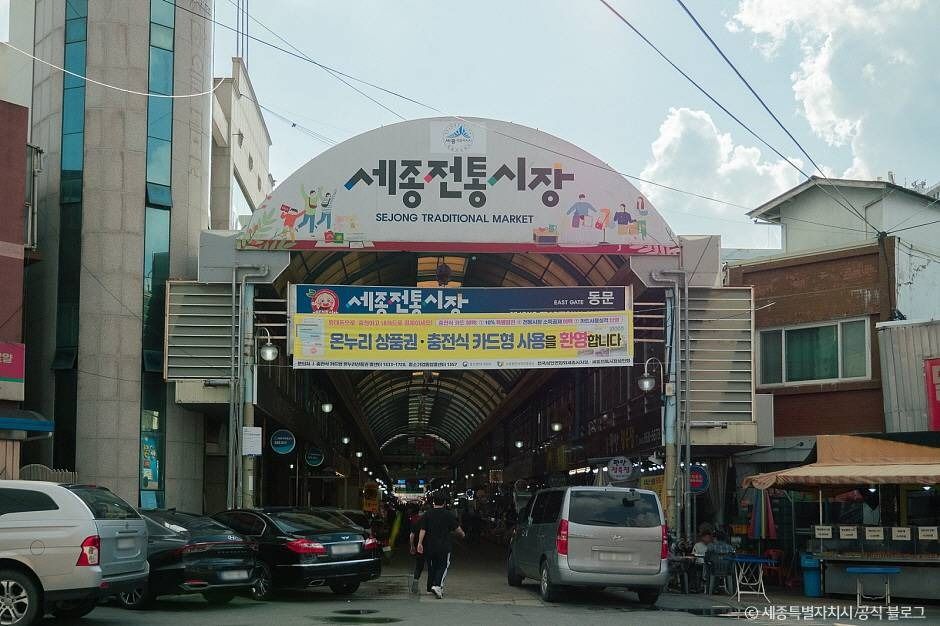
Sejong Traditional Market (세종전통시장(4, 9일))
42 Jochiwon 8-gil, Jochiwon-eup, Sejong-si
First formed in 1931, Sejong Traditional Market is a regular traditional market that transforms into a larger fifth-day market on the 4th, 9th, 14th, 19th, 24th, and 29th of each month. Visitors can find fresh vegetables, fruits, seafood, and everyday goods at affordable prices. Popular snacks include handmade mandu with a 50-year tradition, as well as jjajangmyeon (black bean sauce noodles) and syrup-filled pancakes with nuts, which often draw long lines.
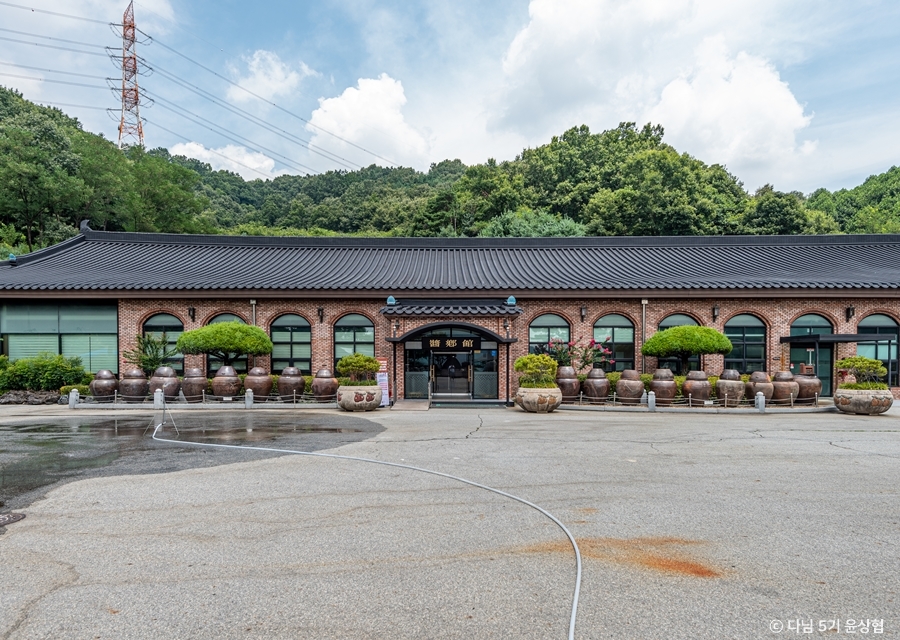
Sejong Traditional Paste Museum (세종전통장류박물관)
90-43 Baeil-gil, Jeondong-myeon, Sejong-si
The Sejong Traditional Paste Museum highlights Korea’s traditional sauce culture, featuring staples like soybean paste, red chili paste, and soy sauce. Its garden, with over 1,000 pots, is a standout attraction. The museum includes indoor exhibition halls, an outdoor exhibit area, a fermentation experience center, a Korean restaurant specializing in fermented sauces, and a paste shop. Visitors can participate in activities such as making grain soap shaped like meju (fermented soybean blocks) or creating their own fermented pastes. In November, visitors can also observe the process of making soybean paste and red chili paste.
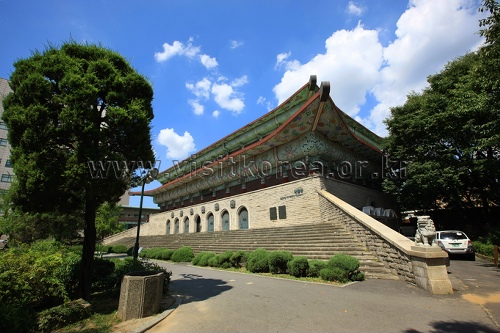
Sejong University Museum (세종대학교 박물관)
209, Neungdong-ro, Gwangjin-gu, Seoul
Sejong University Museum exhibits folk art, wooden crafts, clothing, accessories, pottery, paintings and calligraphy collected for over 40 years by the couple who founded the present day Sejong University, Dr. Ju Young-ha and Dr. Choi Ok-ja. This museum has its origins in the Soodo Gallery, which was built in Chungmuro, the campus’ original location, in 1959. Needing more space to house additional artifacts, the museum moved to its current location, which first opened on May 5, 1973 in a four-story concrete building inspired by traditonal tower design from the Baekje era. This building was later expanded on May 20, 1977. After the university’s name was changed to Sejong University in 1979, the museum was also renamed the Sejong University Museum. The museum showcases unique artifacts to both scholars and students from home and abroad in contribution to the research of Korea’s culture, arts, and archeology.
Plan your Korea trip
Korea travel FAQ
How do I use the travel search?
Enter a place or interest, then narrow the results by region, category or sort order.
Will my filters stay selected on the next page?
Yes. Your search and filter choices stay in the page URL while you move through the results.
Can I find directions to each place?
Place pages include an external Google Maps search when coordinates or an address are available.
Source: Korea Tourism Organization, official website (https://knto.or.kr).