TRAVEL IN KOREA
Korea Places to Visit
Find attractions, culture, festivals, stays, restaurants, shopping and travel courses for a clear Korea trip plan.
Seodaemun Independence Park (서대문독립공원)
251, Tongil-ro, Seodaemun-gu, Seoul
Seodaemun Independence Park was built on the former Seoul Detention Camp. It was used to imprison thousands of Korean independence activists until the liberation from the Japanese occupation on August 15, 1945, as well as the political prisoners during the political turmoil in the 1960s. When the prison was moved to Uiwang-si, Gyeonggi-do in November 1987, the area was restored and turned into a memorial park in August 15, 1992 to honor the sacrifices of the martyrs. The park preserves seven prison buildings, an execution ground, underground women’s prison, and the March 1st Movement Monument that has been moved from Tapgol Park in Jongno. One of the most significant monuments of the Seodaemun Independence Park is Dongnimmun Gate (Independence Gate), which has been designated a Historic Site. Nearby is Dongnipgwan (Independence Hall), originally called Mohwagwan, which was used to greet Chinese envoys during the Joseon dynasty. Today, the hall enshrines 2,327 tablets inscribed with the names of Koreans who died for the cause of national independence. Standing right next to Dongnimmun Gate are the remnants of Yeongeunmun Gate, another Historic Site. Other sights inside the park include the Patriotic Martyr Monument, Declaration of Independence Monument, and Statue of Dr. Seo Jae-pil, who was an independence activist and publisher of Korea’s first independent newspaper. The main highlight of the park is the Seodaemun Prison History Hall, a former prison building that was renovated into a history museum.
Seodaemun Museum of Natural History (서대문자연사박물관)
51, Yeonhui-ro 32-gil, Seodaemun-gu, Seoul
Nestled at the foothills of Ansan Mountain, a natural resting area in the city, Seodaemun Museum of Natural History is the first natural history museum in the nation to be established by a government agency. Opened on July 10, 2003, the museum offers various opportunities to experience and learn about the environment. It also provides the chance to interact with animals and plants, teaching the value of life.
Seodaemun Prison History Museum (서대문형무소역사관)
251 Tongil-ro, Seodaemun-gu, Seoul
Seodaemun Prison was built under the Japanese administration to imprison independence movement activists. It first opened on October 21, 1908 under the name Gyeongseong Prison. Eventually, so many activists were imprisoned that the building had to be expanded. At that time, the name changed to Seodaemun Prison on September 3, 1912. Eighty years later, the prison was turned into Seodaemun Independence Park on August 15, 1992 to commemorate the Korean patriots who were tortured in prison, giving their lives for freedom. Of the many buildings, only seven were preserved for their historical significance, among which three prison buildings and the execution site were designated as a Historic Site. In 1998, the park underwent another transformation into today's Seodaemun Prison History Hall to educate the public on the importance of Korea's independence and the sacrifices of those who fought to achieve it.

Seodong Miro Market (서동미로시장)
16 Seodong-ro 141beon-gil, Geumjeong-gu, Busan
Seodong Miro Market, located in Geumjeong-gu, Busan, derives its name from its maze-like layout. The area encompasses three markets: Seodong Market, Seodong Local Market, and Seodong Traditional Alley Market. The three markets are collectively designated as a cultural tourism market. The market represents a modern interpretation of a traditional market, combining conventional market functions with cultural and artistic elements such as creative spaces and educational programs. Established in June 2012, the Seodong Art Creation Space features a multi-purpose room, exhibition hall, artist studios, classrooms, a small library, a rooftop rest area, and an outdoor performance venue, arranged across two above-ground floors and one basement level.
Seodong Park (서동공원)
41-14, Godo 9-gil, Geumma-myeon, Iksan-si, Jeonbuk-do
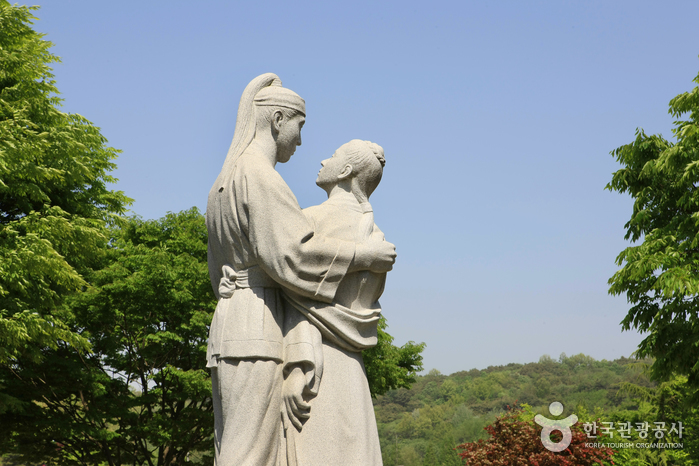
Built alongside the Geumma Reservoir, Seodong Park traces its origins to ancient records from the 600 AD with historical figures (Princess Seonhwa and Seodong, King Mu). More than 100 works of art can be found in the park, including twelve Chinese zodiac animal statues and sculptures of Princess Seonhwa and Seodong. The central plaza features a statue of King Mu, and various amenities such as the Mahan Museum, a children's forest playground, a picnic area, a fountain, and a riverside plaza enrich the experience for visitors.
Seodong Park and Gungnamji Pond (서동공원과 궁남지)
52 Gungnam-ro, Buyeo-gun, Chungcheongnam-do
Gungnamji Pond, a Historic Site located in Seodong Park, is Korea’s first artificial pond and was created by King Mu from the Baekje dynasty, who fell in love with and eventually married Princess Seonhwa. Gungnamji, literally means a pond in the south of the royal palace in Korean, was the given name according to the Samguksagi records. According to a record in the Samguksagi, the History of the Three Kingdoms, King Mu dug this lake south of his palace in the 35th year of his reign (634) and connected it by a 7800-meter long waterway to the water source. The king then had willow trees planted around the bank and had an artificial mound constructed in the middle of the lake.
Seodongyo Theme Park (서동요 테마파크)
616 Chungsin-ro, Buyeo-gun, Chungcheongnam-do
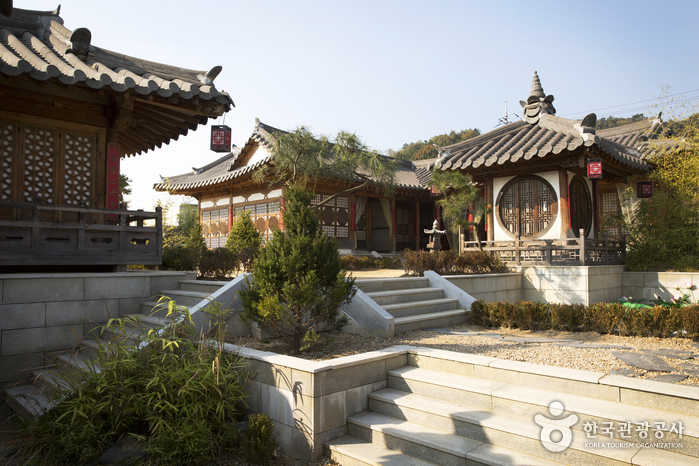
Seodongyo Theme Park is an open film set studio in a huge 33,000 square meter plot of land. The theme park offers various sets from Goryeo to Joseon dynasty as well as royal residences of Baekje dynasty, the commoners’ village, the village of the nobles and more. The set was the backdrop of various dramas including “Ballad of Seodong (2005), “The Great Sheer (2012)” and more. Visitors can also engage in various experience programs.◎ Travel information to meet Hallyu’s charm - TV series "Moon Lovers: Scarlet Heart Ryeo"Seodongyo Theme Park is a Baekje-themed set. The buildings that preserve the traditional architectural style and quaint scenery will make you feel like you’ve traveled back in time along with Hae-soo.
](https://tong.visitkorea.or.kr/cms/resource/44/4042344_image2_1.jpg)
Seoeun Pharmacy[Tax Refund Shop](서은약국)
1F, 50, Nonhyeon-ro 149-gil, Gangnam-gu, Seoul
Seoeun Pharmacy is a trusted pharmacy brand that warmly cares for the health of neighbors like one's own family. We support local residents in living healthy and happy lives through meticulous consultations tailored to the individual's constitution and symptoms alongside devoted dispensing.

Seogwang Tea Garden (서광차밭)
15 Sinhwayeoksa-ro, Andeok-myeon, Seogwipo-si, Jeju-do
Seogwang Tea Garden, located in Seogwipo-si, Jeju, is known as the most well managed and largest tea plantation in Korea. Here, the tea leaves receive just the right amount of sun for it to be made into the highest quality product. Occupying an area 528,928m², the green field is spread out across the slopes of Seogwangseo-ri, attracting many visitors to the site. The fields didn't use to be this green though; the ground was rocky and the soil composition wasn't fertile enough for plants to survive. Seogwang Tea Garden's transformation from a barren land to a lush green plantation became a good example of successful agriculture in the mountain areas. The garden was also where Kim Jeong-hui (pen name Chusa), one of the most celebrated practitioners of calligraphy in the Joseon dynasty, spent his life of exile growing tea plants.

Seogwi Dawon (서귀다원)
717 516-ro, Seogwipo-si, Jeju-do
Seogwi Dawon was originally operated as a tangerine farm but has been transformed into a tea plantation since 2005. This quiet tea garden cultivates Jeju green tea at an altitude of 250 meters on Hallasan Mountain. Compared to other tea gardens, it attracts fewer visitors, making it ideal for a leisurely visit. Tree-lined paths, lush camellia trees, basalt sculptures, and expansive tea fields blend harmoniously, creating a serene landscape where Hallasan Mountain and the green tea fields come together to create a breathtaking panorama.
Seogwipo Gasiri Village (Noksan-ro Canola Flower Road) (서귀포 가시리마을 (녹산로 유채꽃도로))
20 Gasi-ro 565beon-gil, Pyoseon-myeon, Seogwipo-si, Jeju-do
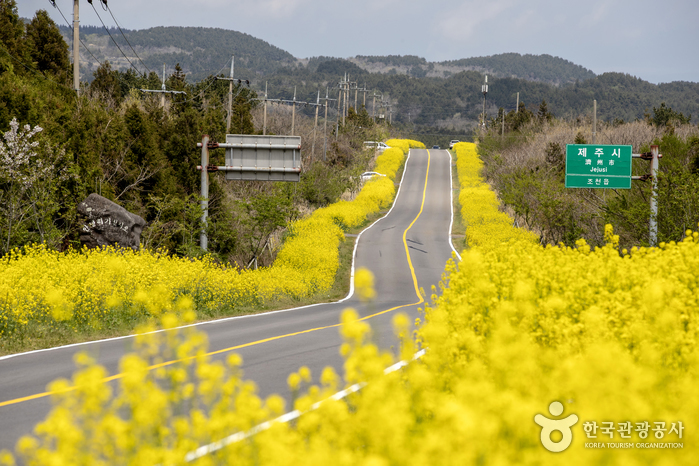
Seogwipo Gasiri Village is where canola flowers and cherry blossoms bloom simultaneously over a 10-kiliometer section from its access road every April, boasting a picturesque driving route. The combination of yellow canola flowers and light pink cherry blossoms is very special. Selected as one of the “100 Beautiful Roads in Korea,” Gasiri Noksan-ro Road is a road that passes through Noksanjang and Gammajang, which were the best horse farms of the Joseon period, and is currently one of the best canola flower roads in Jeju. As such, it is called the "First Sight of the Ten Sights of Gasiri Village." In addition, visitors can enjoy beautiful natural scenery unique to Jeju, such as Ttarabioreum and Keunsaseumioreum Parastic Cones.

Seogwipo Healing Forest (서귀포 치유의 숲)
2271, Sallongnam-ro, Seogwipo, Jeju-do
Seogwipo Healing Forest is the ideal place to reflect on yourself and take time for healing. It is one of the best natural attractions in Jeju, where you are surrounded by nature and can appreciate the diverse charms of the forest. Located 320-760 meters above sea level, there is a diverse range of vegetation, including subtropical, temperate, and boreal forests. In particular, several cypress forests with trees averaging over 60 years of age can be found here, making them among the oldest of their kind in Korea. In addition, Seogwipo Healing Forest is a unique recreational and healing space, located close to a healthcare town, enabling collaborations with the medical and tourism sectors. Here, specialists operate forest therapy programs by leveraging various environmental elements of the forest to boost immunity and promote health. People who live busy lives without time for themselves can enjoy a healing tour surrounded by abundant phytoncide, sunlight, wind, and beautiful sceneries.
Seogwipo Kensington Resort (켄싱턴리조트 서귀포)
684 Ieodo-ro, Seogwipo-si, Jeju-do
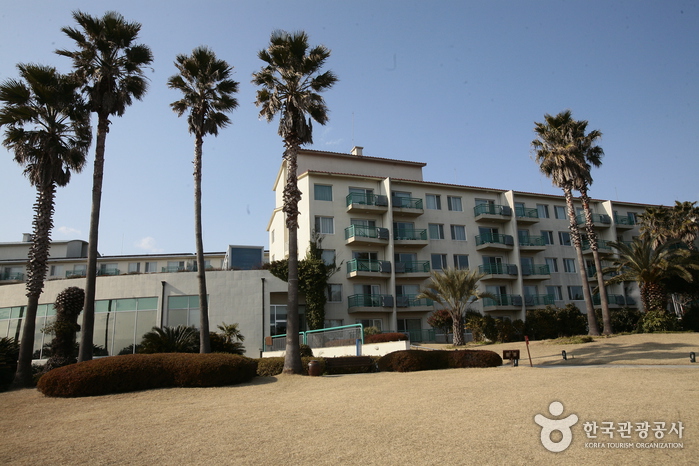
Kensington Resort is located in the pine forest zone of Jeju Island. The resort was built to blend in with the beautiful natural surroundings. On the coast of Seogwipo, Kensington Resort sits along Gangjeongcheon Stream, Jeju's one and only freshwater stream. The resort is in a peaceful, picturesque location within the beautiful nature of Jeju Island.

Seogwipo Maeil Olle Market (서귀포매일올레시장)
18 Jungang-ro 62beon-gil, Seogwipo-si, Jeju-do
Seogwipo Maeil Olle Market is the largest market in Seogwipo. It is a traditional market that was formed in the early 1960s and is a mainstay in the Seogwipo economy. Starting from 2001, the market expanded its shopping center and now stretches over 620 meters in length. The interior of the market is designed in such a way that visitors can easily navigate through shops and vendors. For customers' ease, the market offers free delivery service as well as cultural programs and outdoor performances.
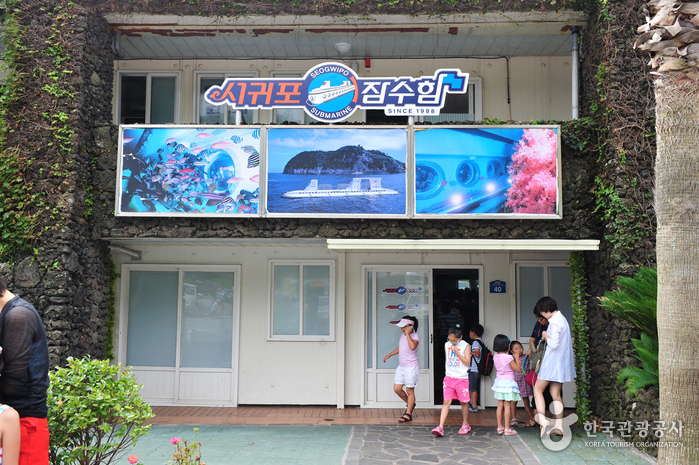
Seogwipo Submarine (서귀포잠수함 )
40 Namseongjung-ro, Seogwipo-si, Jeju-do
Seogwipo Submarine offers tours to explore Munseom Island, a habitat for soft coral reefs. Operating the 67-passenger tourist submarine, the "Jiah," visitors can enjoy a variety of attractions at different depths. From vibrant schools of fish to diver shows, and even the wreckage of a sunken ship at a depth of 40 meters, there's plenty to see. Munseom Island is a designated natural reserve, renowned globally as a diving hotspot, boasting colorful coral reefs and stunning underwater landscapes teeming with marine life.
](https://tong.visitkorea.or.kr/cms/resource/51/4022251_image2_1.jpg)
Seogyodong Gwigeori [Tax Refund Shop](서교동귀걸이)
7, Hongik-ro 3-gil, Mapo-gu, Seoul
Seogyo-dong Earrings is a handmade accessory brand that captures the atmosphere of Seogyo-dong, where trends and sensibilities coexist. Through unique designs and reasonable pricing, it is highly popular among young people who desire individualistic daily point styling.
Plan your Korea trip
Korea travel FAQ
How do I use the travel search?
Enter a place or interest, then narrow the results by region, category or sort order.
Will my filters stay selected on the next page?
Yes. Your search and filter choices stay in the page URL while you move through the results.
Can I find directions to each place?
Place pages include an external Google Maps search when coordinates or an address are available.
Source: Korea Tourism Organization, official website (https://knto.or.kr).