TRAVEL IN KOREA
Korea Places to Visit
Find attractions, culture, festivals, stays, restaurants, shopping and travel courses for a clear Korea trip plan.
Sejong Village Food Street (세종마을 음식문화거리)
Chebu-dong, Jongno-gu, Seoul
Previously known as Geumcheongyo Market, it was officially named Sejong Village Food Street in 2011, as King Sejong was born in this village. The street is full of lively energy and features both long-standing restaurants, also known as nopo in Korean, and recently established trendy eateries. Its convenient location and inviting atmosphere make it a popular place to visit.
Sejong Yeonhwasa Temple (연화사 (세종))
28-1, Yeonhwasa-gil, Sejong-si
Yeonhwasa Temple is said to have been built by Hong Mun-seop. After having a dream, Hong dug the current site of Yeonhwasa Temple to find two stone Buddha statues and built a temple there. It was designated a traditional temple in 1988. The temple features Muryangsujeon Hall, Samseonggak Hall, and Yosachae (monks’ residence). There used to be a building with a tile roof, but following the discovery of a stele with the inscription of “Muin Year” and a pedestal, the roof was improved. The side of the stele is in a trapezoid shape with a wider bottom. It is thought to date back to the Unified Silla era. The temple is also home to a stele with seven relief Buddhist images. Together with the stone images of Biamsa and Jeonganmyeon, this stele is considered to have cast a new light on the Ancient Art.
Sejong-ro Park (세종로공원)
jiha 189, Sejong-daero, Jongno-gu, Seoul
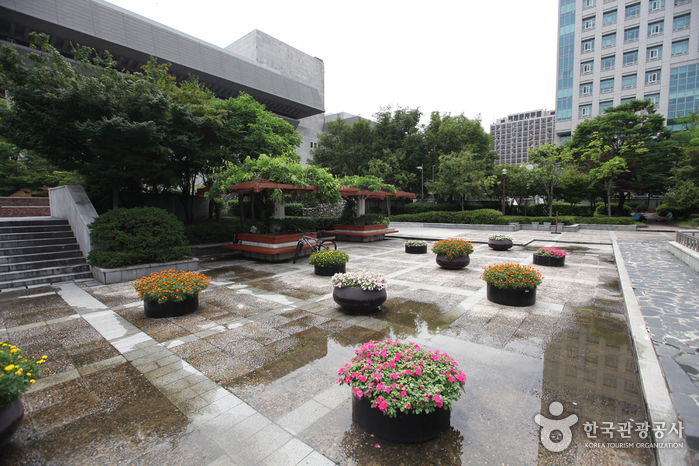
Sejong-ro Park is located next to Sejong Center for the Performing Arts in central Seoul. Inside the park, there are wooden benches and shaded areas where people can sit and relax. Also available are water fountains, a round outdoor stage, and various sculptures. The lunch crowd from the nearby office buildings often come to the park during weekdays. On the weekends, the park is also used as a venue for outdoor weddings. Seoul's anthem and the poem "Bulnori" by Ju Yo-han are written on a memorial stone that can be found inside the park.
Sejonggwan of the Royal Room (왕의지밀 세종관)
5218-22 , Chunhyang-ro, Wansan-gu, Jeonju-si, Jeonbuk-do
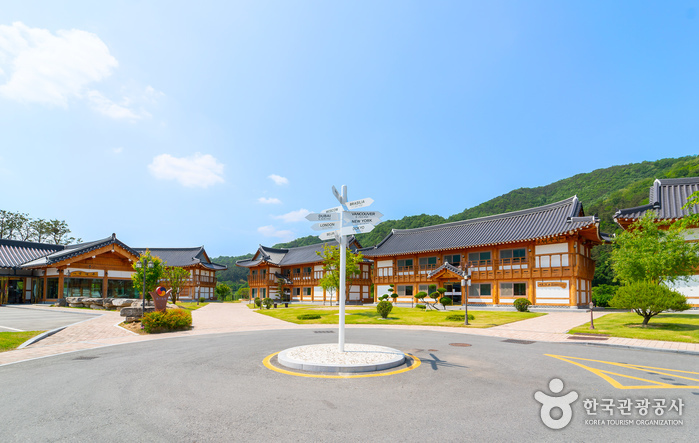
Wangui Jimil Sejonggwan (Royal Room of King Sejong) in Jeonju, Jeollabuk-do, is a hotel that combines hanok style with modern convenience - one of a group of hotels named after Joseon kings. There are eight guestrooms, divided into Gold and Silver class, and all equipped with bathrooms and toilets. Rooms have exposed beams and traditional furniture, and the scenic views and chirping of insects beyond the large windows add to the charm. Additional facilities include a hanok cafe, a restaurant, and a convention center. Guests can reach anywhere in Jeonju Hanok Village in about 10 minutes by car.
](https://tong.visitkorea.or.kr/cms/resource/39/4020539_image2_1.jpg)
SEMI JEWELRY [Tax Refund Shop](새미쥬얼리)
1F, 121-1, Jong-ro, Jongno-gu, Seoul
Sami Jewelry is a jewelry brand where modern sense meets craftsmanship. Based on carefully selected gemstones and sophisticated designs, it showcases high-quality collections that brighten precious moments, from wedding sets to daily jewelry.
SEMIPUBLIC (세미퍼블릭)
3-1 Jochiwon-ro, Jochiwon-eup, Sejong-si
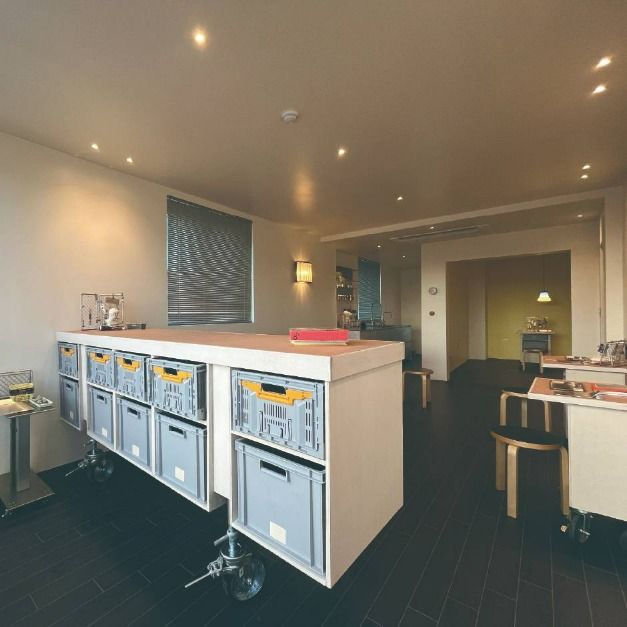
As implied by its name, SEMIPUBLIC is a cultural art space that blends semi-public and semi-private qualities. A studio and local art community centered on creativity, it inspires artistic activities and expereinces using a variety of art materials, design books, and art installations. Visitors can experience the world of art and contemporary aesthetics as well as enjoy the perks of local city life.
Semiwon (세미원)
93, Yangsu-ro, Yangpyeong-gun, Gyeonggi-do
Semiwon is a botanical garden solely focused on lotus flowers. The garden houses the world’s only museum dedicated to showcasing lotus flowers in daily living, cooking, and writing. The 180,000 square-meter park consists of ponds through which water is filtered and purified before flowing back into the Hangang River. The park is most beautiful in summer when the lotus blossoms are in full bloom but is also decorated with seasonal flowers throughout the year. Additional facilities at Semiwon include the Environment Learning Center, Experience Center, and exhibition areas.
](https://tong.visitkorea.or.kr/cms/resource/15/4022615_image2_1.jpg)
Semyeong Pharmacy [Tax Refund Shop](세명약국)
33, Gwangbok-ro, Jung-gu, Busan-si
Semyung Pharmacy bestows professional and devoted pharmaceutical services with the mindset of 'saving people and brightening the world.' We strive to be a space of trust that you can always rely on through accurate prescription preparation as well as warm health consultations tailored to each customer's level.
](https://tong.visitkorea.or.kr/cms/resource/93/4022393_image2_1.jpg)
Seo-myeon 365 Pharmacy [Tax Refund Shop](서면365약국)
Ion City Building, 74, Seomyeon-ro, Busanjin-gu, Busan
-
Seoamjeongsa Temple (서암정사(함양))
27-79 Gwangjeom-gil, Macheon-myeon, Hamyang-gun, Gyeongsangnam-do
Seoamjeongsa Temple belongs to Byeoksongsa Temple, which is at the entrance of the Chilseongyegok Valley of Jirisan Mountain. Monk Woneung rebuilt Byeoksongsa Temple, which had been damaged during the Korean War in 1950. This hermitage features the Buddha statues Woneung carved into the natural bedrock, a grotto sanctuary with statues of the Pure Land, Daebanggwangmun Gate, and Sajagul Cave.
Seobok Exhibition Hall (서복전시관)
156-8 Chilsimni-ro, Seogwipo-si, Jeju-do
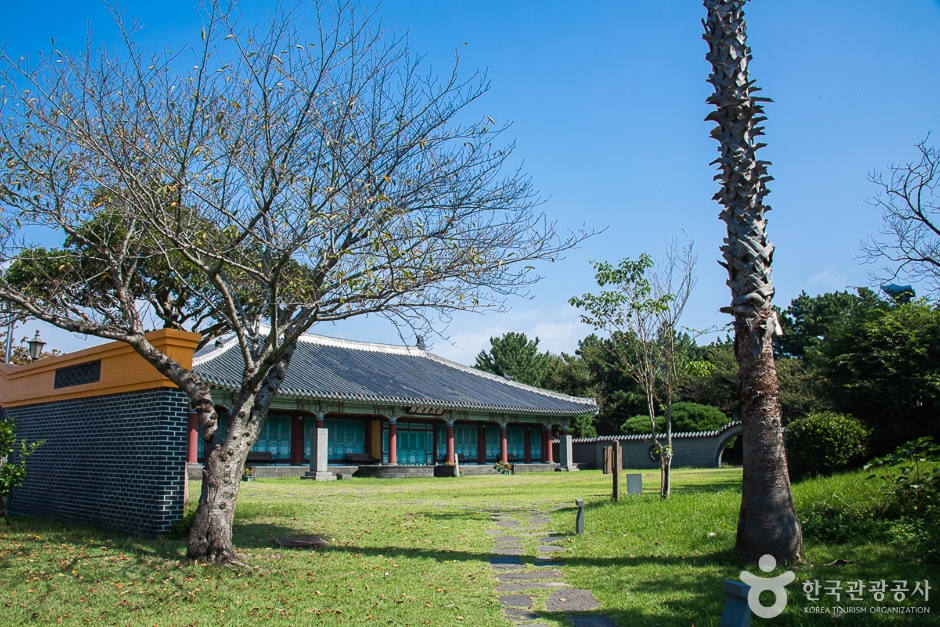
Seobok Exhibition Hall is a museum dedicated to commemorating Seobok, who is said to have come to Jeju Island in search of the miraculous plant "Bulrocho" for the longevity of Emperor Qin of China. The exhibition hall displays various artifacts, including a statue of Seobok, a bronze carriage, replicas of terracotta soldiers and sculptures in Mausoleum of the First Qin Emperor. It also features a coastal observatory and rest area. Located 150 meters from Jeongbangpokpo Falls.
Seobyeok Historic House (서벽고택)
22-2, Jungdeul 2-gil, Cheongsong-gun, Gyeongsangbuk-do
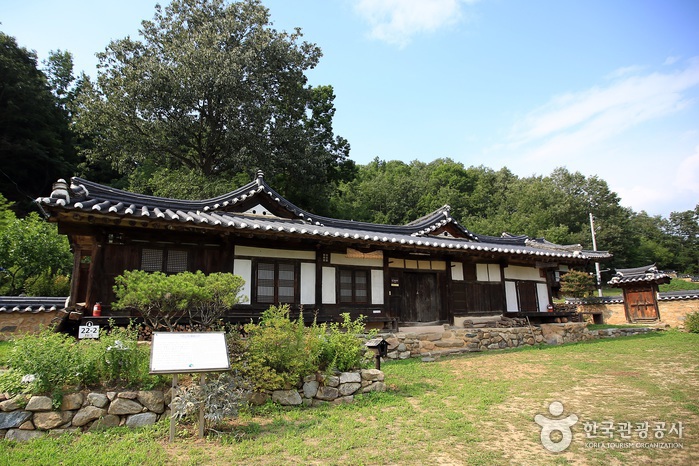
Located in Jungpyeong-dong at the family village of the Pyeongsan Sin clan, the Seobyeok Historic House was originally created when Sin Hanchang, a scholar from late Joseon dynasty, got married and moved out of his parents’ house. The house was expanded by Sin Chigu in 1739. The house and is built in a rectangular shape with 6 kan (traditional Korean measurement; space between two pillars) in the front, 4 kan on the sides and a courtyard in the middle.
Seocheon Maryang-ri Camellia Forest (서천 마량리 동백나무 숲)
103, Seoin-ro 235beon-gil, Seocheon-gun, Chungcheongnam-do
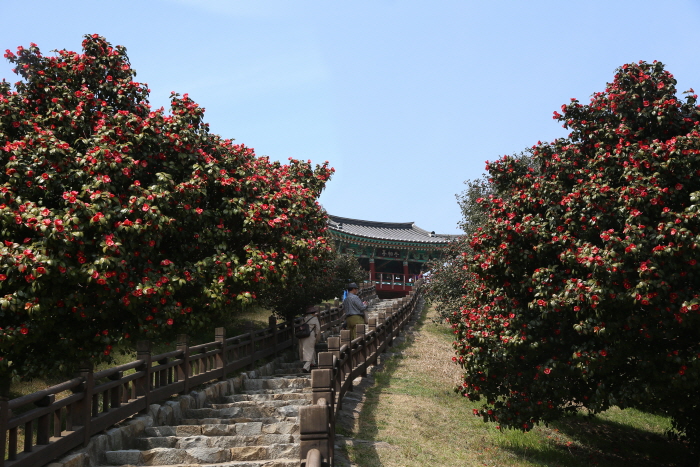
One of the eight scenic views of Seocheon, Maryang-ri Camellia Forest is designated as a Natural Monument. The lush forest covers an area of 8,265 ㎡ with the trees being nearly 500 years old. The best time to enjoy the camellias is from late March to early May. Dongbaekjeong Pavilion standing at the peak of the hill offers a beautiful view of the nearby Oryeokdo Island in the blue sea and is also a prime spot for taking in the sunset. The western side of the forest has few remaining trees, but the eastern side is still lush with over 70 trees. While camellia trees typically grow to be 7 meters tall, the strong sea breeze has caused the trees in this forest to have a stunted growth of just 2 meters, as well as growing at a slant.
Seochon Village (서촌마을)
45 Pirundae-ro, Jongno-gu, Seoul (Nuha-dong)
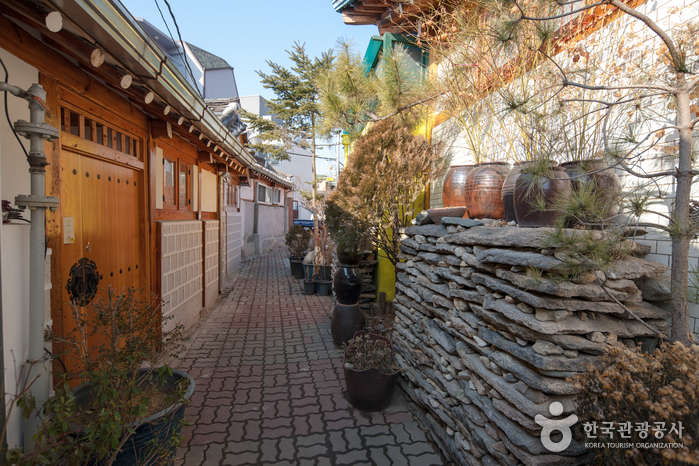
Seochon Village is the name given to the area to the west of Gyeongbokgung Palace. It is a historic village, home to old shops and hanok buildings that have stood the test of time. Korean traditions and contemporary sensibilities coexist within Seochon Village’s maze-like alleyways, creating the unique ambience that makes the district so beloved. One can find shops, guesthouses, cafés, and restaurants in the village.
Seodaejeon Park (서대전공원)
30 Gyeryong-ro 904beon-gil, Jung-gu, Daejeon
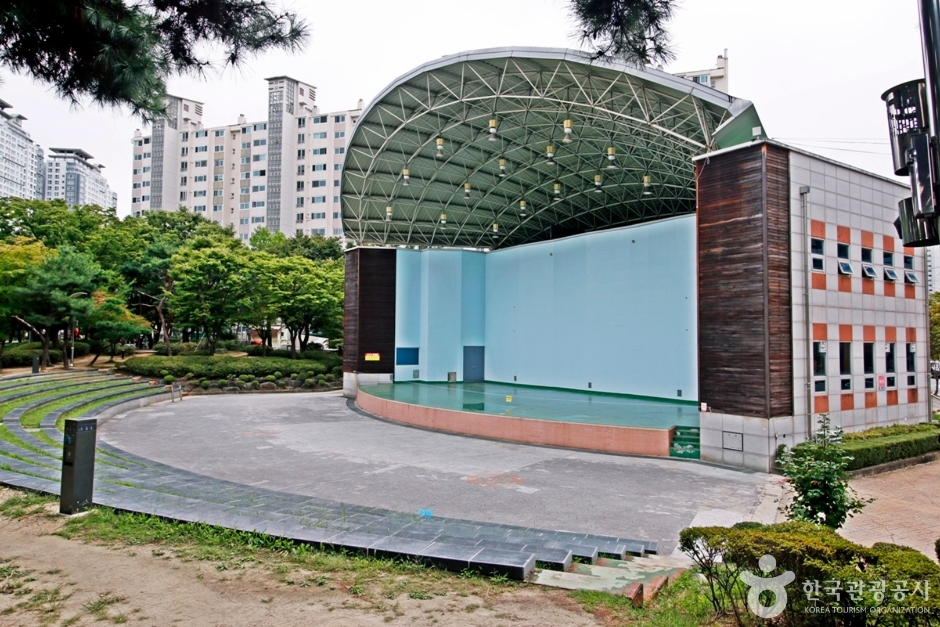
Seodaejeon Park is located at the site of a previous military base that closed in 1975. The site served as the venue for the 1993 Daejeon Expo, and was turned into the current park visitors see now at that time. The park features a large grassy field, outdoor performance stage, and more. The park serves as the venue for various festivals throughtout the year, including a Children's Day event and Kalguksu festival.
Seodaemun Culture & Sports Center Swimming Pool (서대문 문화체육회관 실내수영장)
39 Baekryeonsa-gil, Seodaemun-gu, Seoul
Seodaemun Culture & Sports Center Swimming Pool, covering 973 square meters, features a total of seven lanes with both adult and children's pools. The facility provides regular swimming lessons, survival swimming lessons, aqua aerobics, and more. The water quality is maintained using a natural salt electrolysis system. For free swimming, visitors can purchase tickets from the kiosk on the second floor, receive wristbands from the information desk, and enjoy the facility at an affordable cost.
Plan your Korea trip
Korea travel FAQ
How do I use the travel search?
Enter a place or interest, then narrow the results by region, category or sort order.
Will my filters stay selected on the next page?
Yes. Your search and filter choices stay in the page URL while you move through the results.
Can I find directions to each place?
Place pages include an external Google Maps search when coordinates or an address are available.
Source: Korea Tourism Organization, official website (https://knto.or.kr).