TRAVEL IN KOREA
Korea Places to Visit
Find attractions, culture, festivals, stays, restaurants, shopping and travel courses for a clear Korea trip plan.
Cheongoksan Mountain (Bonghwa) (청옥산(봉화))
Daehyun-ri, Seokpo-myeon, Bonghwa-gun, Gyeongsangbuk-do
Cheongoksan Mountain, towering 1,277 meters above sea level, stands southeast of Mangyeongdae Observatory atop Taebaeksan Mountain. The entire mountain area is designated as a national recreational forest. As the largest of its kind in Korea, it offers an array of facilities including a water playground, fitness station, and campground. Midway up the moutain, visitors can discover Hongjesa Temple and marvel at Goseon Valley, where a 40km-long stream gracefully skirts the mountain. Nearby attractions include Hyeonbulsa Temple, known for its Pagoda to the Fallen Patriots, Bulyoungsa Temple, Cheongnyangsan Mountain, and Samijeong Pavillion.
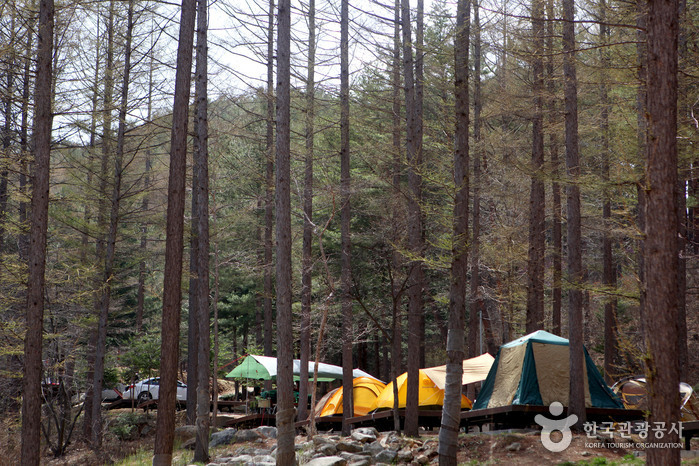
Cheongoksan National Recreational Forest (국립 청옥산자연휴양림)
1552-163, Cheongok-ro, Bonghwa-gun, Gyeongsangbuk-do
Cheongoksan National Recreational Forest is located in Bonghwa-gun, Gyeongsangbuk-do. The forest is composed of 100-year-old white pine trees brimming with pine nuts, along with pines and larches. In the forest, you can see the trees standing tall amidst the majestic rock formations. If you walk along the mountain trail, you will come to a suspension bridge, and after crossing, you will enter a section of forest that has maintained an old, almost primeval, feeling. In spring, beautiful wild flowers blossom throughout the forest, magnolias in particular, bloom within the valley. Cheongoksan National Recreational Forest features a variety of facilities such as a nearby water park, children’s playground, fitness center, campsite and an outdoor lecture field. The water in the water park is cold and very clean, using natural stream water. In nearby Baekcheongyegok Valley, you may also see Manchurian trout, which live in clean, fresh water streams. Hyeonbulsa Temple is also located in the valley.
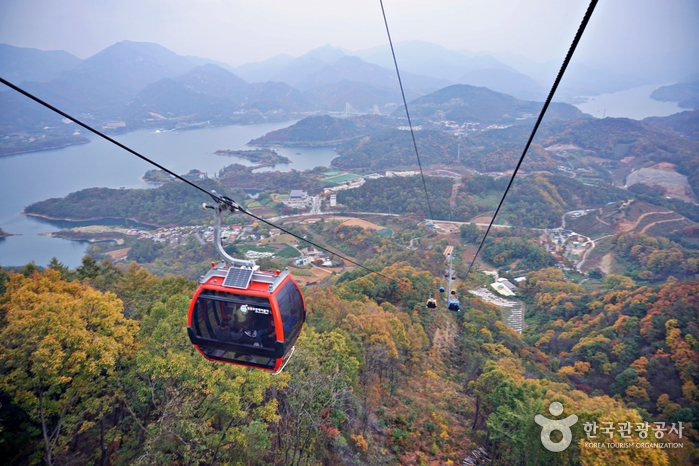
Cheongpung Cable Car (청풍호반케이블카)
166 Munhwajae-gil, Jecheon-si, Chungcheongbuk-do
Cheongpung Cable Car takes passengers back and forth between Multae-ri in Cheongpung-myeon and Bibongsan Mountain along a 2.3-kilometer ropeway. There are a total of 43 cabins that accommodate up to 10 passengers per car, with ten cabins featuring transparent flooring to offer a thrilling bird's-eye-view of Cheongpung-myeon. The cable car can reach a maximum speed of 5 meters per second and takes around 10 minutes from the departure point to Bibongsan Mountain peak. Bibongsan Mountain sits at the center of Cheongpungho Lake and has an elevation of 531 meters. The sight from top offers a feeling as if one is looking down at an archipelago. The cable car allows children and the elderly to enjoy the sight without the hassle of hiking up to the summit.
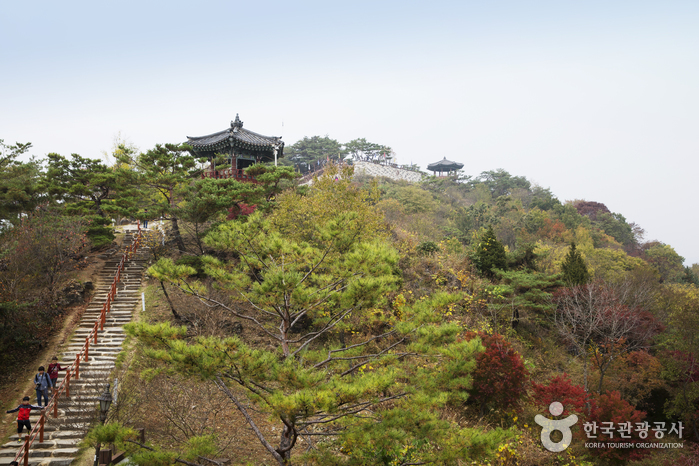
Cheongpung Cultural Heritage Complex (청풍문화재단지)
2048, Cheongpungho-ro, Jecheon-si, Chungcheongbuk-do
Cheongpung Cultural Heritage Complex in Jecheon, Chungcheongbuk-do contains a variety of cultural heritages and artifacts that were collected from the region before it was flooded in 1985 during the construction of Chungju Dam. Here, visitors can see Hanbyeongnu Pavilion (Treasure), Stone Standing Buddha (Treasure), Paryeongnu Pavilion, Geumnamnu Pavilion, Geumbyeongheon Hall, Eungcheonggak Pavilion and the Cheongpunghyanggyo Local Confucian School as well as nearly 2,000 household artifacts. It has become an outdoor museum of the glorious culture of the upper reaches of the Namhangang River.
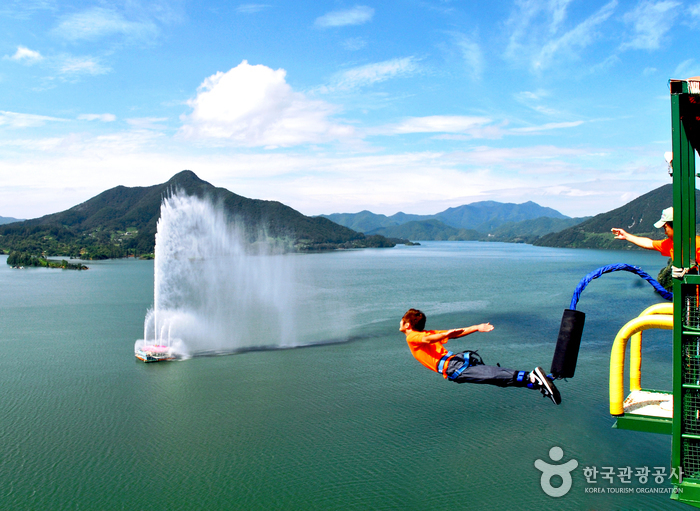
Cheongpung Land (청풍랜드)
6, Cheongpungho-ro 50-gil, Jecheon-si, Chungcheongbuk-do
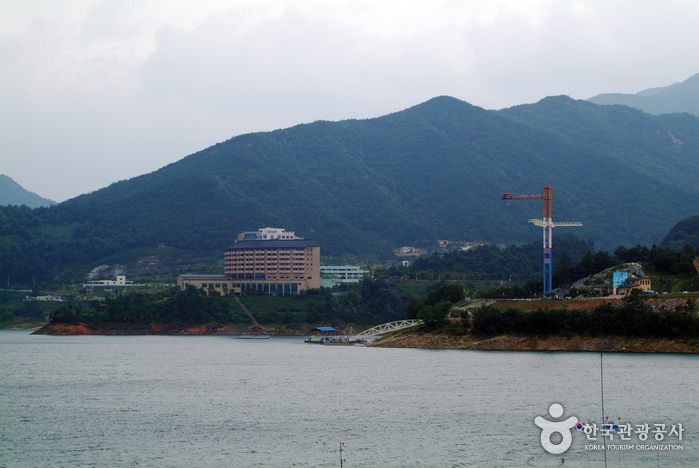
Cheongpung Land was created in 2002 near Chungjuho Lake in Cheongpung-myeon, Jecheon-si, Chungcheongbuk-do. It features beautiful scenery and the maximum use of practical space to build Korea’s first multi-tower. Based on planning, constructing, and test runs, it is operated by Over Class Inc. which is cosigned by Jecheon-si. The multi-tower’s three main facilities are a 62-meter Bungee Jump, Korea’s first-ever Ejection Seat, and Big Swing. The bungee jump highlights safety by adding a safety line to the gear to prevent falling accidents caused by breaking of the bungee cord rubber.
Cheongpung Land (청풍랜드)
San 26, Gyo-ri, Cheongpung-myeon, Jecheon-si, Chungcheongbuk-do
Cheongpung Land est un parc de loisir créé en 2002 près du lac de Cheongpunghoban (lac de Chungjuho à Cheongpung-myeon, Jecheon-si dans la province du Chungcheongbuk-do. Le parc accueille trois attractions pleines de sentations fortes : une tour de saut à l’élastique haute de 62 mètres, le tout premier siège éjectable de Corée et « Big Swing », une expérience à gravité nulle. On peut également y admirer des geysers d’eau jaillissant à 162 mètres dans l’air, ainsi qu’une vue panoramique sur le paysage environnant. Le parc est l’une des plus grandes attractions touristiques de la région, et se trouve non loin d’autres destinations populaires, comme le site de tournage du drama historique de KBS « Daejo Wangeon », le mont Geumsusan et le parc national de la montagne Woraksan.
Cheongpungho Scenic Monorail (청풍호 관광모노레일)
879-17 Cheongpungmyeongwol-ro, Cheongpung-myeon, Jecheon-si, Chungcheongbuk-do
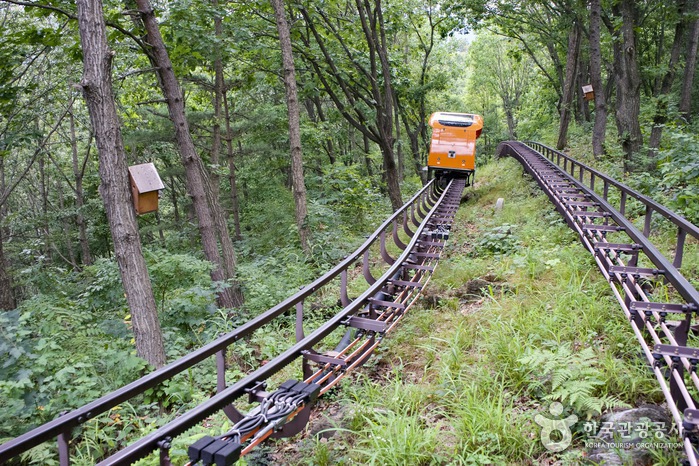
The Cheongpungho Scenic Monorail offers a unique journey along a three-kilometer track from Dogok-ri in Cheongpung-myeon, Jecheon, to Bibongsan Mountain, situated at 531 meters above sea level. Typically, reaching the summit of Bibongsan Mountain on foot from Dogok-ri takes about an hour. However, the monorail service significantly reduces this time by half. Additionally, passengers can enjoy panoramic views of Cheongpungho Lake from various perspectives during their ride.
Cheongpungjip (청풍집)
90, Muhakcheonbyeon-gil, Chungju-si, Chungcheongbuk-do
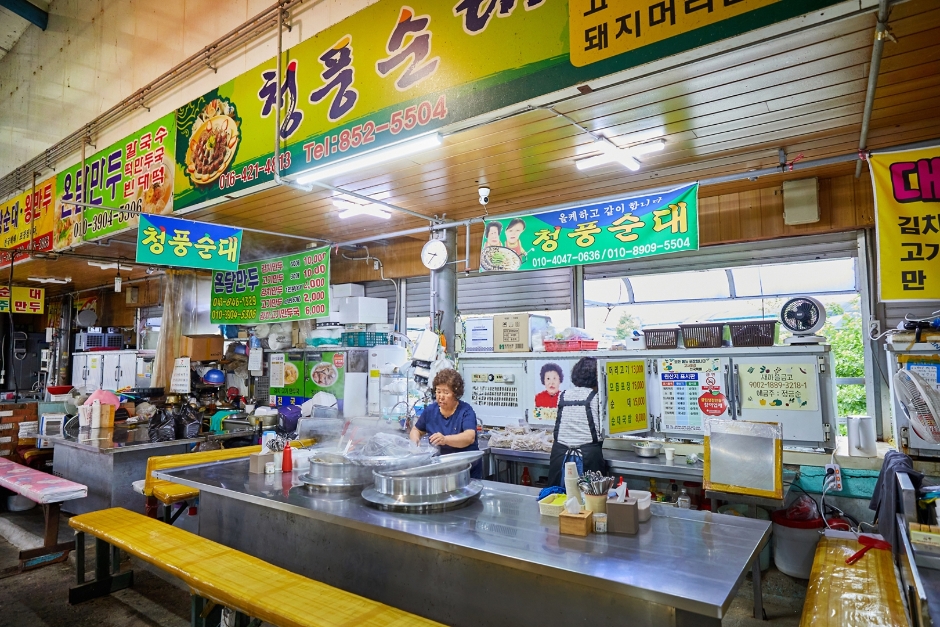
Sundae is a beloved traditional dish enjoyed as a snack in Korea. It is made by filling pork or beef intestines with mung bean sprouts, dried napa cabbage, glass noodles, and other ingredients, which are then flavored with soybean paste. Different regions and different shops have their own takes on the dish, along with different choices of sauce. Cheongpungjip, located in Muhak Market, Chungju, is famous for its Chungju-style sundae soup, served with dried radish or napa cabbage leaves. Its taste is so well-known that visitors from other cities come to this place just to get the soup as a takeout. The management is also known for their hearty approach to business, with extra sundae, intestines, or side dishes being a common addition to the flavors of Chungju’s tradition. You can find the store within the Sundae and Mandu Alley.
Cheongpyeong Recreational Forest (청평자연휴양림)
8-6 Bukhangang-ro 2246beon-gil, Gapyeong-gun, Gyeonggi-do
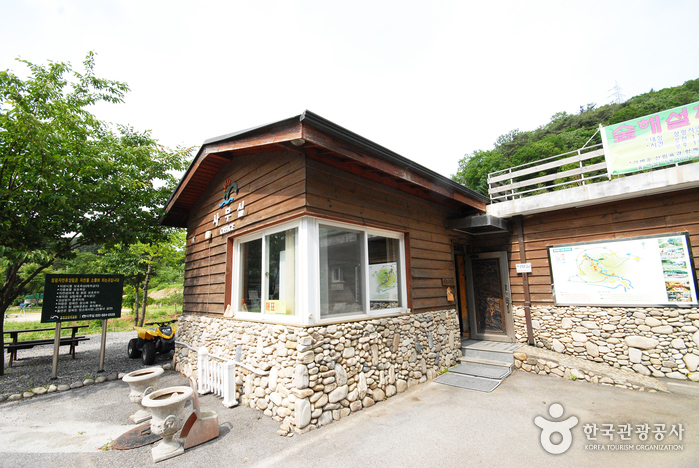
Cheongpyeong Recreational Forest boasts a pristine natural landscape, fresh mineral water, and leisurely walking trails for visitors to rest from the hustle and bustle of the city life. The sight of Cheongpyeongho Lake and the surrounding trees of different kinds offer beautiful varying landscapes throughout the year. The forest is a perfect location for family as well as group retreats.
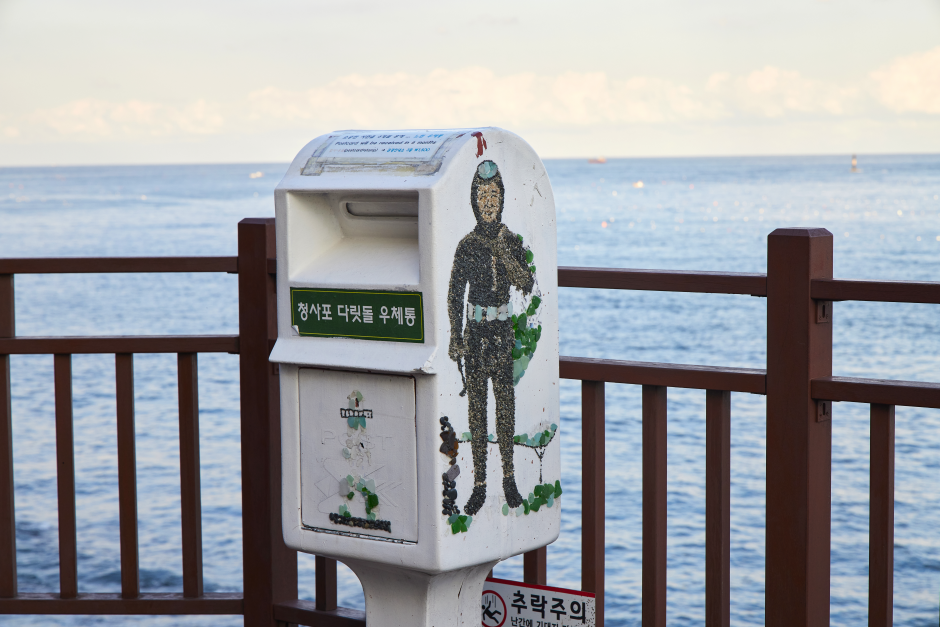
Cheongsapo Daritdol Observatory (청사포 다릿돌전망대)
167 Cheongsapo-ro, Haeundae-gu, Busan
Cheongsapo Daritdol Observatory, which opened on September 17, 2017, is located in the middle of the closed railroad of the Donghae Nambu Line from Mipo to Songjeong. It is 20 meters high from the sea level, 72.5 meters long toward the sea, and 3 to 11.5 meters wide. A half-moon-shaped transparent floor is installed at the end of the observatory, allowing visitors to feel the thrill of walking on the sea. From right in front of the observatory to the marine lighthouse, visitors can enjoy the beautiful coastal scenery of Cheongsapo and as well as the view of sunrise and sunset while looking at Daritdol, which refers to five neatly lined up reefs. [Source: Haeundae-gu Office Cultural Tourism]
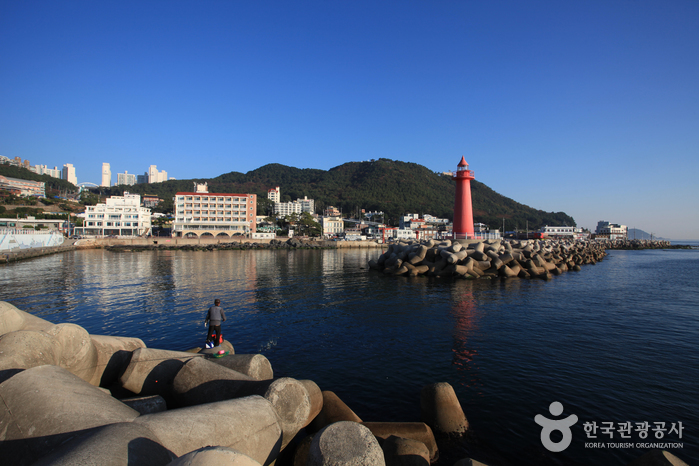
Cheongsapo Port (청사포)
Jung-dong, Haeundae-gu, Busan
Cheongsapo Port is located on the right side near the end of Dalmaji Hill in the direction of Songjeong in Haeundae. Along with Gudeokpo Port and Mipo Port, Cheongsapo Port is among the three ports lined against the coastal shore between Haeundae and Songjeong. Cheongsapo Port is famous as a place to view beautiful sunrises and where quality seaweed can be found. The rocks scattered along the port's shore are crowded with fishers. Railroad tracks that run along the shoreline make the area even more special, known to be one of the only two railroad tracks in Korea to be situated near the sea. The area around the port gained popularity after appearing in a movie, and many restaurants have opened up, selling the freshest seafood.
Cheongseokgul Cave (옥화1경 청석굴)
12-16 Unam 3-gil, Miwon-myeon, Sangdang-gu, Cheongju-si, Chungcheongbuk-do
Cheongseokgul Cave is a natural cave where prehistoric humans lived, with artifacts from the Paleolithic era, such as choppers and chopping tools (hammers), points, and hand axes, discovered inside. The place stays cool even during hot summer, and is currently home to bats and golden-capped fruit bats. Nearby attractions are an artificial waterfall and a sky observatory with a valley in front of the cave available for water activities and kayaking.

Cheongsong Apple Festival (청송사과축제)
269 Geumwol-ro, Cheongsong-eup, Cheongsong-gun, Gyeongsangbuk-do
*The information below is based on the 2025 festivals. Details for the 2026 festivals will be updated as they become available.*The Cheongsong Apple Festival is held in autumn when the renowned Cheongsong apples, called a “masterpiece crafted by nature,” are at their peak. The festival celebrates the joy of a bountiful harvest, sharing the delicious taste and nutrition of Cheongsong apples through various enjoyable and educational activities.
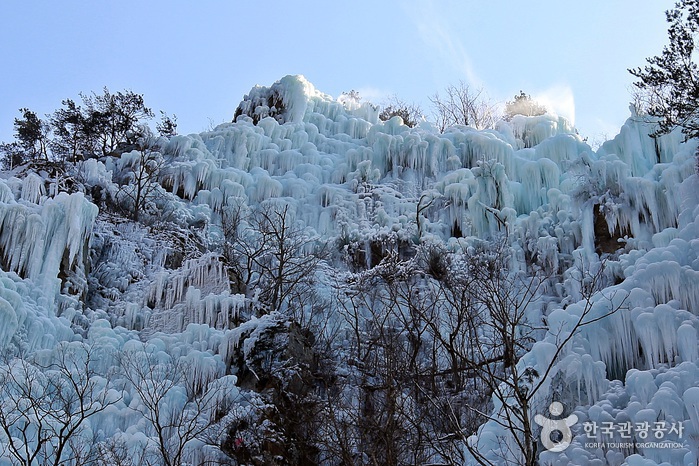
Cheongsong Eoreumgol Valley (Cheongsong National Geopark) (청송 얼음골 (청송 국가지질공원))
1 Naeryong-ri, Juwangsan-myeon, Cheongsong-gun, Gyeongsangbuk-do
Cheongsong Eoreumgol Valley is a gorge located on Juwangsan Mountain in Cheongsong. It is known for its warm winters and cool breezes in the summer, creating a mystical atmosphere. In May 2017, it was recognized for its geological value and certified as a UNESCO Global Geopark. During the summer, when the temperature exceeds 32 degrees Celsius, ice forms in the valley, melting when the temperature drops below 32 degrees Celsius. The area boasts impressive rock formations and stunning landscapes, attracting many tourists with its springs, and artificial falls.
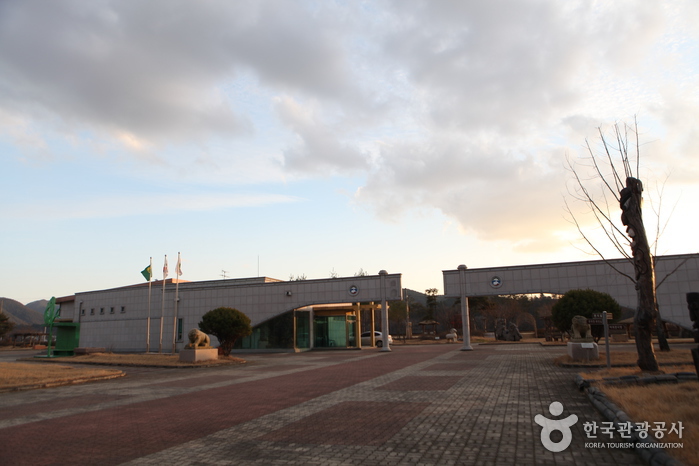
Cheongsong Folk Museum (청송민속박물관)
222, Juwangsan-ro, Cheongsong-gun, Gyeongsangbuk-do
Cheongsong Folk Museum was opened in 1999 to promote the history, culture, and customs of the region. The three-story museum offers indoor & outdoor exhibition halls. The indoor exhibition halls showcase educational materials related to farming and the customs of Cheongsong. Exhibitions - such as the Traditional Guest Room, Weaving Room, Items of Everyday Use, and Cheongsong Porcelain - offer glimpses of how people lived in the past. The outdoor exhibition space reproduces a traditional tavern, waterwheel, millstone operated by a horse or ox, monument to ward off misfortunes and protect prosperity, and natural stones used for worship, with which visitors can experience farm life in the past.

Cheongsong Yasong Art Gallery (군립 청송야송미술관)
5162, Gyeongdong-ro, Cheongsong-gun, Gyeongsangbuk-do
The Cheongsong Yasong Art Gallery opened on April 29, 2005. The art gallery exhibits 350 Korean paintings and pottery works of Yasong Lee Won-jwa, who is a traditional Korean painter native to Cheongsong. Also on display are around 50 works of noted painters and sculptors from in and out of Korea, and over 10,000 art books, all of which have been donated to the gallery. The two-story building was formerly Sinchon Primary School, which was remodeled into an art gallery after its closure.
Plan your Korea trip
Korea travel FAQ
How do I use the travel search?
Enter a place or interest, then narrow the results by region, category or sort order.
Will my filters stay selected on the next page?
Yes. Your search and filter choices stay in the page URL while you move through the results.
Can I find directions to each place?
Place pages include an external Google Maps search when coordinates or an address are available.
Source: Korea Tourism Organization, official website (https://knto.or.kr).