TRAVEL IN KOREA
Korea Places to Visit
Find attractions, culture, festivals, stays, restaurants, shopping and travel courses for a clear Korea trip plan.
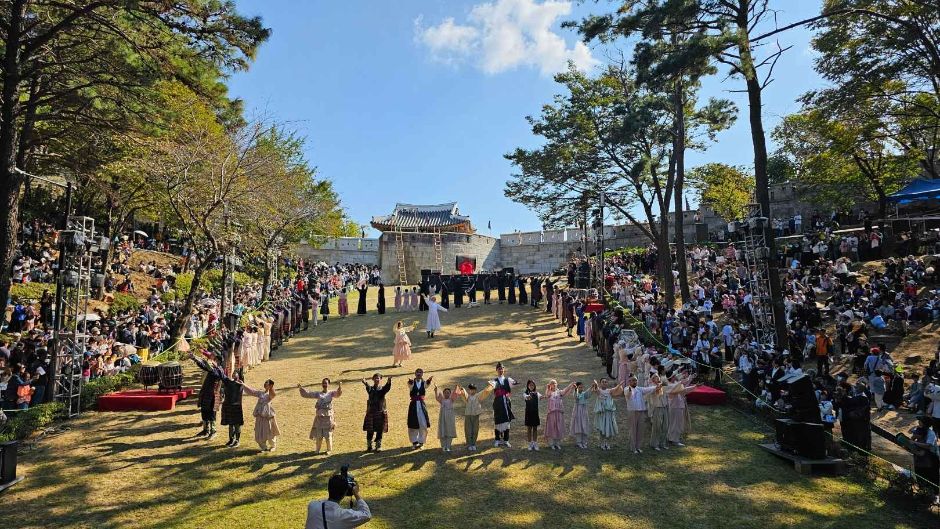
Dongnaeeupseong History Festival (동래읍성역사축제)
80 Munhwa-ro, Dongnae-gu, Busan
*The information below is based on the 2025 festivals. Details for the 2026 festivals will be updated as they become available.*The Dongnaeeupseong History Festival offers an immersive experience of the history and culture of Dongnaeeupseong Walled Town, where the Battle of Dongnaeseong Fortress took place against the Japanese army during the Imjin War in 1592. Highlights include a musical dramatizing the patriotic spirit of the Dongnae Governor during the battle and various hands-on experiences, such as participating as Dongnae citizens using traditional Joseon-era coins.
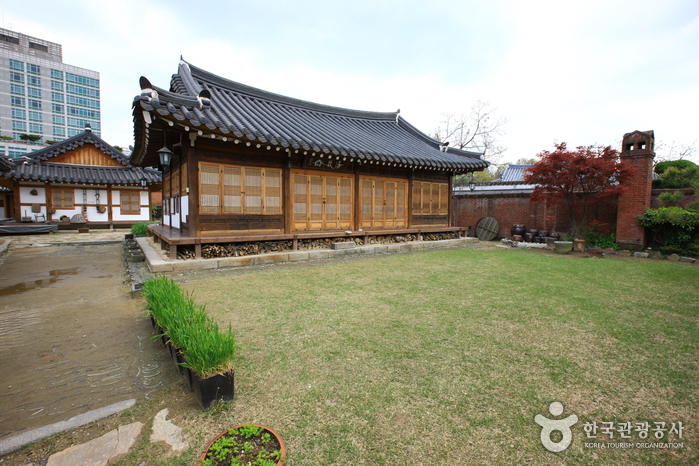
Dongnagwon House (동락원)
33-6, Eunhaeng-ro, Wansan-gu, Jeonju-si, Jeonbuk-do
The Dongnagwon House in Jeonju Hanok Village provides a getaway to experience hanok stay and traditional Korean life. Affiliated with Jeonju Kijeon College, Dongnagwon is also a memorial hall dedicated to W. M. Junkin, who came to Korea as a missionary from the South Presbyterian Church of the United States in 1892. Dongnagwon is a reproduction of the old hanok houses in Jeonju from the time when W. M. Junkin was doing his missionary work in the area. It is comprised of three buildings: Anchae (main hall), Sarangchae (guest house), and Haengnangchae (servants’ quarters). Visitors to Dongnagwon can learn and experience traditional Korean culture such as music, crafts, and dance while inhabiting traditional lodging. In addition to providing accommodation for individual guests, Dongnagwon is also used for group accommodations or activities such as seminars, conferences, and family events. For groups of 30 or more, it is possible to rent out the entire venue (in addition to all facilities, including Seungdokdang, Seunghwadang, Cheongyuje, and the front yard).
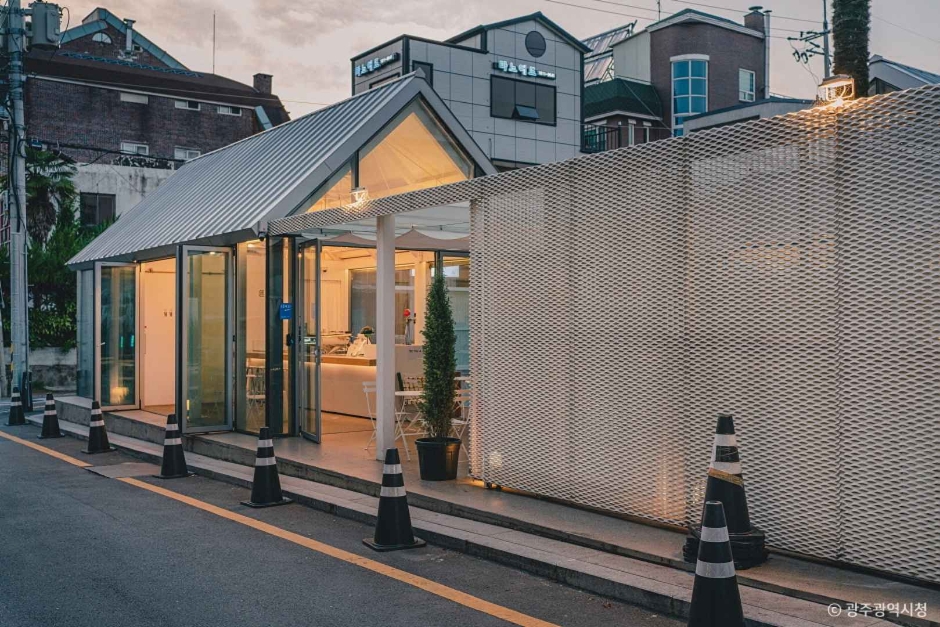
Dongnidan-gil Cafe Street (동리단길 카페거리)
Dongmyeong-dong, Dong-gu, Gwangju
Dongridan-gil Cafe Street, once an affluent neighborhood filled with opulent homes and traditional hanok houses, is now a popular attraction in Gwangju. The street is lined with various cafes, each boasting its own unique menu and interior, perfect for those seeking unique menus and picture-worthy spots. Surrounding the Cafe Street, there are many parks, wall murals, and art installations, making it an ideal place for a leisurely stroll or a relaxing break.
Dongnimmun Gate (독립문)
251, Tongil-ro, Seodaemun-gu, Seoul
Dongnimmun stands at the location originally known as Yeongeun, where envoys were once treated. When a Chinese envoy visited, the King would go out through this door to greet. In 1898, to announce the independence from Japan, Dongnimun was constructed with the fund collected by the citizens. The traces of the past still remain on Dongnimmun with two pillars in front of Dongnimmun being the remains of Yeongeunmun. The Arc de Triomphe in France can be recalled in comparison to Dongnimmun. Dongnimmun was built using granite with a passageway x_height of 14.28 meters. On the top it is written ‘Dongnimmun’ in Korean with the national flag drawn on each side. On the inner-left side there are stone stairs leading to the attic. The national flower Mugunghwa are planted around Dongnimmun. Now it is surrounded by roads and it is eye-catching to view when passing by.
![Dongnimmunbawi Rock [Ullengdo & Dokdo National Geopark] (독립문바위 (울릉도, 독도 국가지질공원))](http://tong.visitkorea.or.kr/cms/resource/24/3084524_image2_1.JPG)
Dongnimmunbawi Rock [Ullengdo & Dokdo National Geopark] (독립문바위 (울릉도, 독도 국가지질공원))
Dokdo-ri, Ulleung-eup, Ulleung-gun, Gyeongsangbuk-d
Dongnimmunbawi Rock, situated on the East Island of Dokdo, is a striking formation resulting from the accumulation of volcanic ash. It projects prominently into the sea, its lower part sculpted by waves into an arch-like cave. This natural structure earned its name due to its resemblance to Dongnimmun Arch (Independence Gate) in Seoul, mirroring the iconic landmark's distinct architectural features.
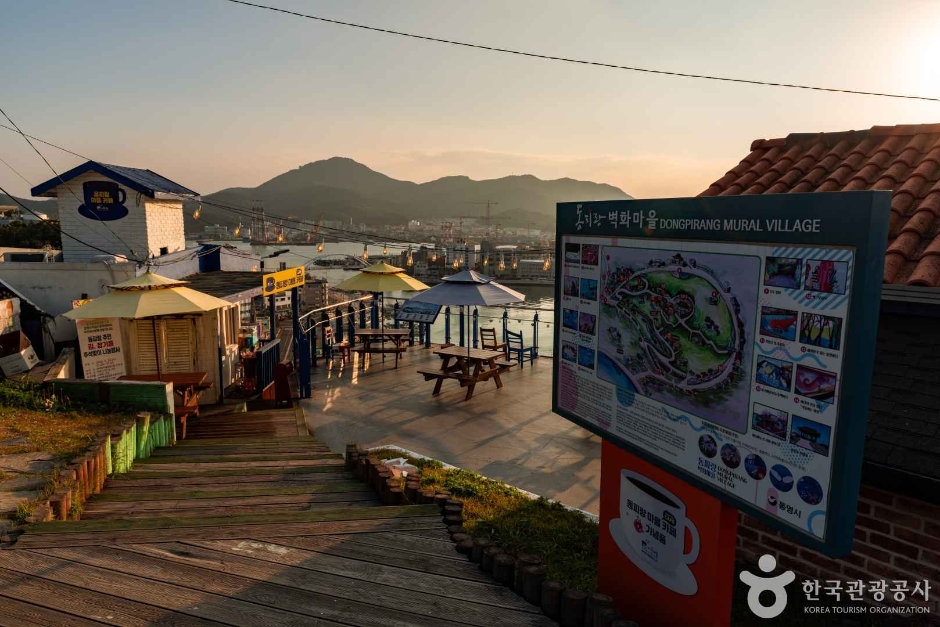
Dongpirang Village (동피랑마을)
6-18 Dongpirang 1-gil, Tongyeong-si, Gyeongsangnam-do
The name Dongpirang is a combination of the Korean words "dong," meaning east, and "birang," meaning hill in the Tongyeong dialect. In October 2007, the Tongyeong Agenda 21 association invited people throughout the nation to paint murals on the walls of Dongpirang-gil Street. Thanks to the participants' paintings, this hillside village on the sea became a new place, revitalized by art. The view overlooking the sea and Gangguan Port is fantastic as well.
Dongpyun Korean Medicine Clinic (동편부부한의원)
#202, 2nd Floor, 188 Burim-ro, Dongan-gu, Anyang-si, Gyeonggi-do
Dongpyeon Korean Medicine Clinic focuses on restoring body balance through holistic treatments. Specialized in detox care, weight control, skin improvement, and pre/postnatal therapy, it helps the body recover naturally by addressing root causes, not just symptoms.
Dongsaengmal Observatory (동생말전망대)
57-167 Igidaegongwon-ro, Nam-gu, Busan
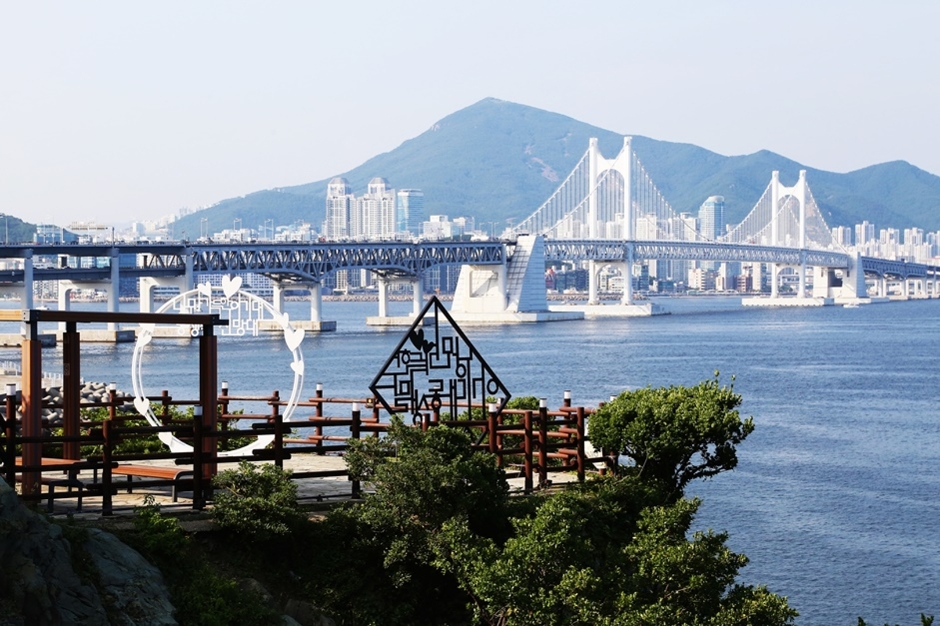
Dongsaengmal Observatory is situated along the Igidae Coastal Trail, near the Igidae Park, the starting point of the trail. As a starting point of the Igidae Coastal Trail and Haeparang Trail, the observatory offers stunning views, especially in July when fog creates a dreamy atmosphere around the Marine City and Gwangandaegyo Bridge. Visitors can also enjoy the city’s night views and capture beautiful pictures with the installed sculpture.
Dongsan Cheongna Hill (동산청라언덕)
2029 Dalgubeol-daero, Jung-gu, Daegu
Cheongna Hill is the place where Christian missionaries resided during the early 20 century, planting many ivies along the site. It is also called Dongsan Cheongna Hill for being on the eastern side of Daegu's center. There are many attractions in this beautiful garden including Chamness’ House, Switzer’s House, Blair’s House, 90 stairs, Daegu 3.1 Independence Movement Road, Daegu's first western apple tree, a memorial stone inscribed with the song "Thinking of My Friend” , and the cemetery of the missionaries and their family. Cheongna Hill is also the starting point of Daegu's Street Tour Course 2 as well as a popular drama film location.
Dongsang Market (동상시장)
25 Guji-ro 180beon-gil, Gimhae-si, Gyeongsangnam-do
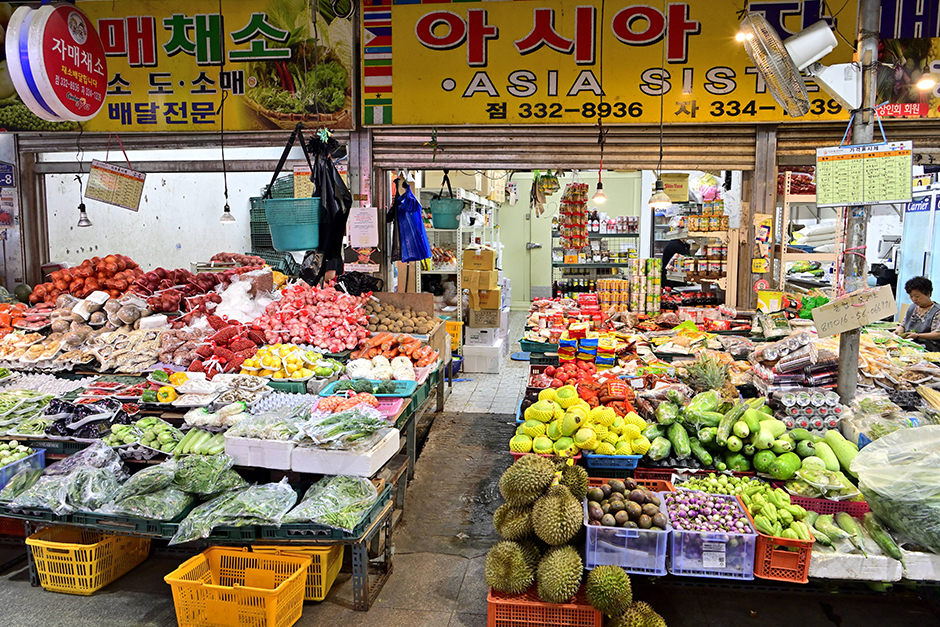
Formed in 1945, Dongsang Market is a lifestyle-centric traditional market that offers a slew of daily necessities like vegetables, fruits, rice cakes, fishery products, and side dishes, as well as a popular alley specializing in Kalguksu (noodle soup). Designated as a cultural tourism market in 2017, it has since evolved into a vibrant space where traditional Korean culture harmoniously coexists with diverse global cultures. As more foreign workers have begun frequenting the market in recent years, a number of Asian grocery stalls have opened. In particular, vegetables favored by Southeast Asian customers, ritual foods, and Kalguksu (noodle soup) have become local specialties.
Dongsang Unjangsangyegok Valley (동상운장산계곡)
Daea-ri, Dongsang-myeon, Wanju-gun, Jeonbuk-do
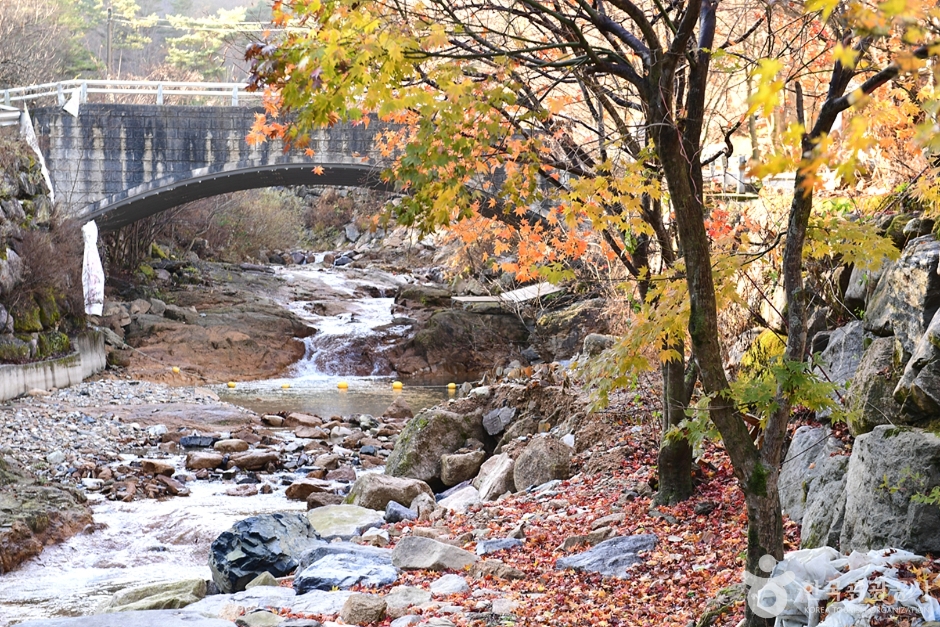
Dongsang Unjangsangyegok Valley is a valley located at the easternmost part of Wanju. Spanning approximately 9 kilometers, it combines Dongsanggyegok Valley and Unjangsangyegok Valley. With its picturesque valley and refreshing waterfalls, it attracts visitors from all over the country during the summer months for recreation. In autumn, the colorful foliage further enhances the joy of hiking.
Dongsanjeong (동산정)
173 Seongnam 1-gil, Muan-eup, Muan-gun, Jeollanam-do 51-10 Geomdang-gil, Simwon-myeon, Gochang-gun, Jeonbuk-do
This restaurant operates its own eel farm, offering freshwater eel at relatively affordable prices. The first floor functions as a retail space, while the second floor is the dining area. Live eel can be purchased and prepared on-site, then either taken to-go or grilled upstairs to eat right away.
Dongtan Central Park (동탄센트럴파크)
22 Dongtangongwon-ro 2-gil, Hwaseong-si, Gyeonggi-do
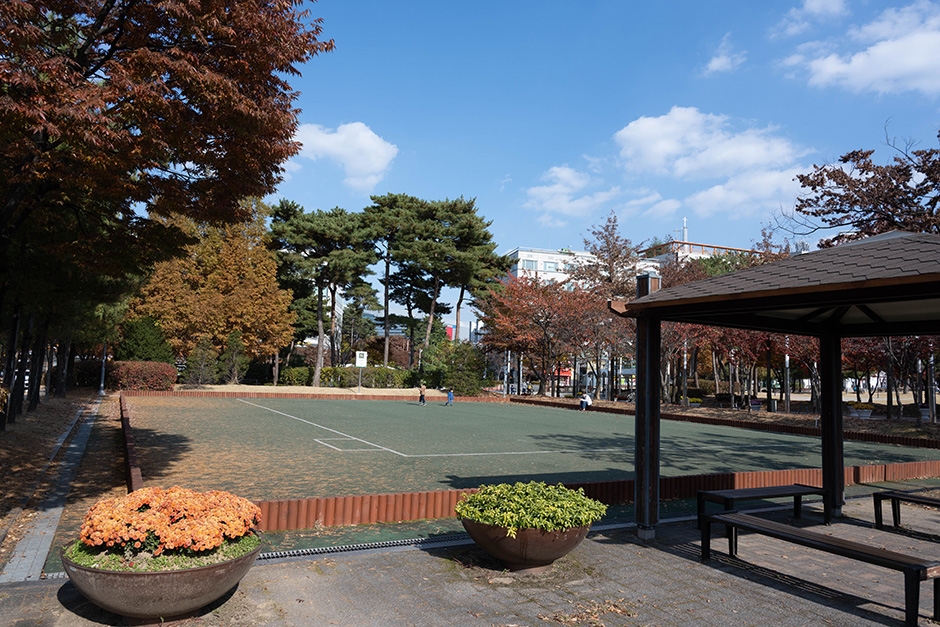
Dongtan Central Park is a sports facility and park in Hwaseong, Gyeonggi-do. Completed in 2008, the facility has a variety of sports amenities and equipment as well as a recreational area for the public to enjoy light exercises in the park. The sports field at the center of the park is the largest of its kind in Korea, comprising a soccer field, futsal field, Gateball court, tennis court, inline skating trail, basketball court, climbing wall, and much more. Community events like flea markets and summer splash activities are also held in the park. There are also a variety of dining options and cafes near the park area. <br><br> * Pets are allowed (leash and waste bags required)
Dongtan Lake Park (동탄호수공원)
67 Dongtansunhwan-daero, Hwaseong-si, Gyeonggi-do
Dongtan Lake Park, an artificial lake created by damming Songbangcheon Stream, is nestled in the heart of a residential area. This urban oasis offers a well-being space featuring expansive grassy fields and a picturesque picnic area by the lake. The park is equipped with walking trails, sports facilities, a water playground, and a large water fountain that hosts regular fountain shows. Additionally, from May to September each year, the Luna Show, a captivating multimedia fountain display, enhances the park's nighttime ambiance.
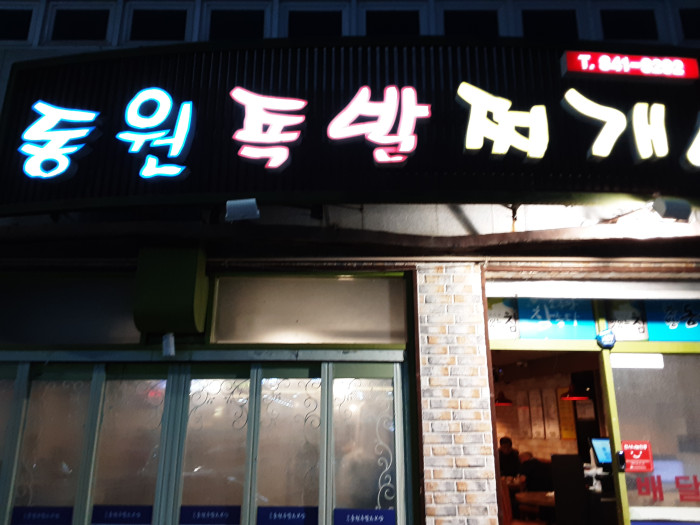
Dongwon Jokbal (동원족발)
42, Bokju-gil, Andong-si, Gyeongsangbuk-do
Jokbal (pig’s feet) is a representative food loved by Koreans. This restaurant's signature menu is braised pigs' feet. This Korean dishes restaurant is located in Andong-si, Gyeongsangbuk-do.
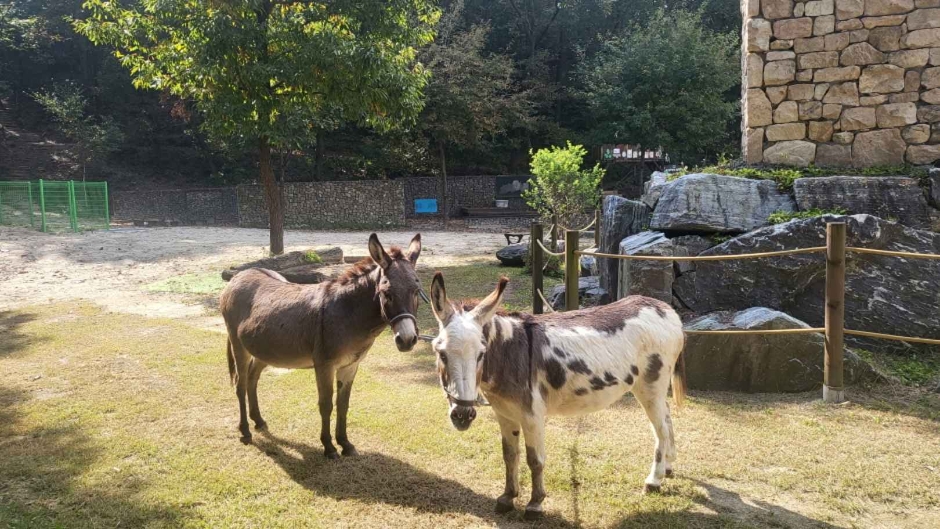
Donkey Starz (동키스타즈)
154 Dongsan-ro, Hobeop-myeon, Icheon-si, Gyeonggi-do
Donkey Starz opened in 2015 as a donkey breeding tourism ranch in Icheon, Gyeonggi-do. The donkeys live in a natural environment with plenty of space to run around, creating happy, healthy donkeys that anyone can approach. The ranch offers experience programs as well as spaces to relax and enjoy beverages for a healing time.
Plan your Korea trip
Korea travel FAQ
How do I use the travel search?
Enter a place or interest, then narrow the results by region, category or sort order.
Will my filters stay selected on the next page?
Yes. Your search and filter choices stay in the page URL while you move through the results.
Can I find directions to each place?
Place pages include an external Google Maps search when coordinates or an address are available.
Source: Korea Tourism Organization, official website (https://knto.or.kr).