TRAVEL IN KOREA
Korea Places to Visit
Find attractions, culture, festivals, stays, restaurants, shopping and travel courses for a clear Korea trip plan.
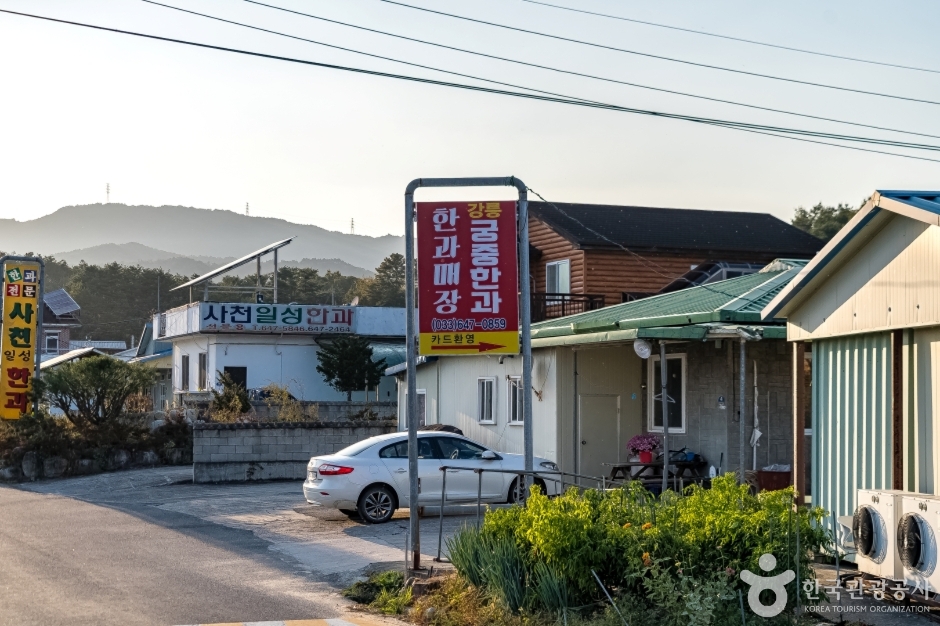
Gangneung Moraenae Hangwa Village (Galgol Hangwa) (강릉 모래내한과마을(갈골한과)
20 Hangwamaeul-gil, Sacheon-myeon, Gangneung-si, Gangwon-do
Gangneung Moraenae Hangwa Village enterprise specializes in producing hangwa (traditional Korean sweets). These sweets are crafted using age-old methods that have been passed down through generations in the village. Additionally, visitors have the oppotunity to sign up for a traditional hangwa-making experience, although it is important to note that reservations must be made in advance via telephone. The enterprise is conveniently located 12 kilometers from Gangneung Station, a mere 15-minute drive by car.
Gangneung Museum of Art (강릉시립미술관)
46 , Hwabusan-ro 40beon-gil, Gangneung-si, Gangwon-do
Gangneung Museum of Art was opened in September 2006 and re-opened as a museum managed by the city of Gangneung in April 2014. Gangneung Museum of Art has nearly 530,000 m 2 of exhibition space across two floors, and the building also has a view of Gangneung’s city center as well. The museum hosts exhibitions that allow everyone to communicate through artworks, not just artists, and is trying to expand cultural education in the city by providing various experience programs. In addition to special exhibitions by famous Korean and international artists, there are also frequent exhibitions based on the local colors of Gangwon-do and the people of Gangneung, offering an opportunity to get a deeper understanding of Gangneung.
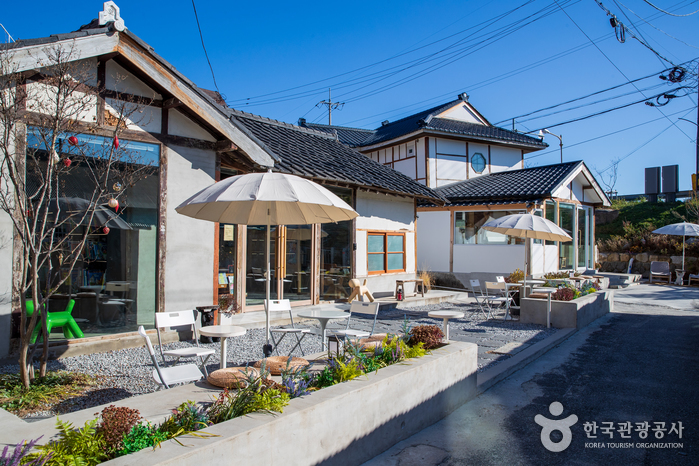
Gangneung Myeongju-dong Streets (강릉 명주동 거리)
Myeongju-dong, Gangneung-si, Gangwon-do
Myeongju-dong in Gangneung has been the center of administration and culture from the Goryeo dynasty onwards. Nowadays, visitors can enjoy a range of concerts, performances, and events at the Myeongju Art Space, Haetsal Museum, Jageun Stage, Gangneung Coffee Festival, Myeongju Flea Market, and more. The streets here are lined with unique cafes, cultural spaces, and history.

Gangneung National Heritage Night (강릉 국가유산 야행)
6 Imyeong-ro 131beon-gil, Gangneung-si, Gangwon-do Imyeonggwan Guesthouse
Gangneung National Heritage Night is a program selected by the Korea Heritage Service as a representative Korea heritage brand project. It promotes the active use of cultural heritage through a variety of activities such as performances, hands-on experiences, and art programs set in historically significant areas. The program encourages visitors to engage with and appreciate the meaning and value of cultural heritage, offering immersive nighttime experiences that highlight Gangneung’s history and culture through sights, food, and entertainment.
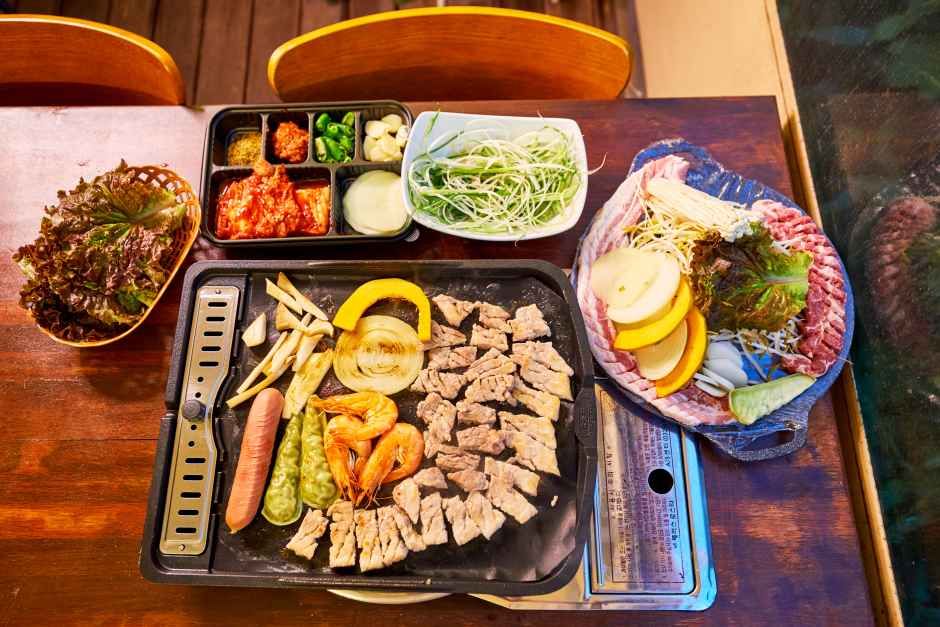
Gangneung Night (강릉의 밤)
74 Sanyang-gil, Gangneung-si, Gangwon-do
Gangneung Night is a barbecue restaurant inspired by the idea of glamping. The owner, with 30 years of butchery experience, serves top-quality cuts of beef and pork. Outdoor tables seat anywhere from two to ten people. Guests grill the meat themselves with the provided utensils and equipment, adding to the camping vibe. After the meal, families can take photos at spots set up around the restaurant.
Gangneung Solhyang Arboretum (강릉 솔향수목원)
156 Sumogwon-gil, Gujeong-myeon, Gangneung-si, Gangwon-do
Gangneung Solhyang Arboretum was built in 2008 and opened on October 30, 2013 in Gujeong-ri, Gujeong-myeon. The arboretum was formed around the scenic Yongsogol Valley and the foothills of Chilseongsan Mountain, which still preserves the prestigious Geumgang pine tree forest. The arboretum spreads across an area of 78.5 ha and is organized in 25 themes that boast a total of 220,000 plants of 1,127 different species. Visitors can enjoy a wide variety of scenery that change with season as well as themed areas such as eco-forest path dense with a colony of ginger trees and bamboos, pine forest square, wildflower gardens and more. The main attraction of this arboretum is the walking path named "Breath of Thousand Years Healing Path."
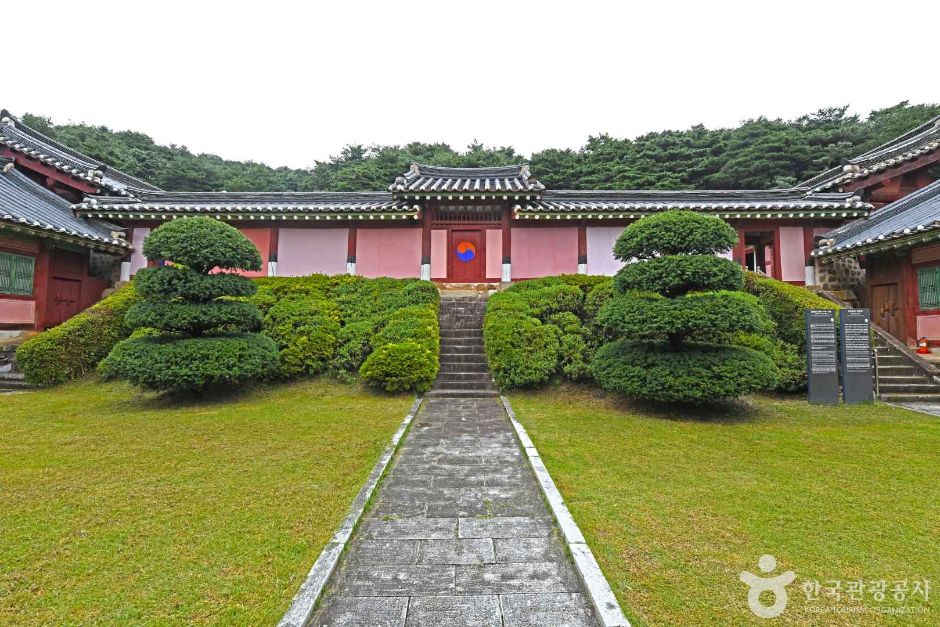
Gangneunghyanggyo Local Confucian School (강릉향교)
29 Myeongnyun-ro, Gangneung-si, Gangwon-do
Hyanggyo (local Confucian school) is an educational institution from the Joseon era. It housed memorial tablets for esteemed Confucian scholars, such as Confucius and Mencius, and hosted commemorative services. Gangneunghyanggyo consists of traditional hanok buildings, including Daeseongjeon Shrine, used for rites; Myeongryundang Lecture Hall, a space for education; and the East (Dongjae) and West (Seojae) Dormitories, where students resided. Today, Seokjeon (rite to honor Confucius and Confucian scholars) is held every spring and fall.
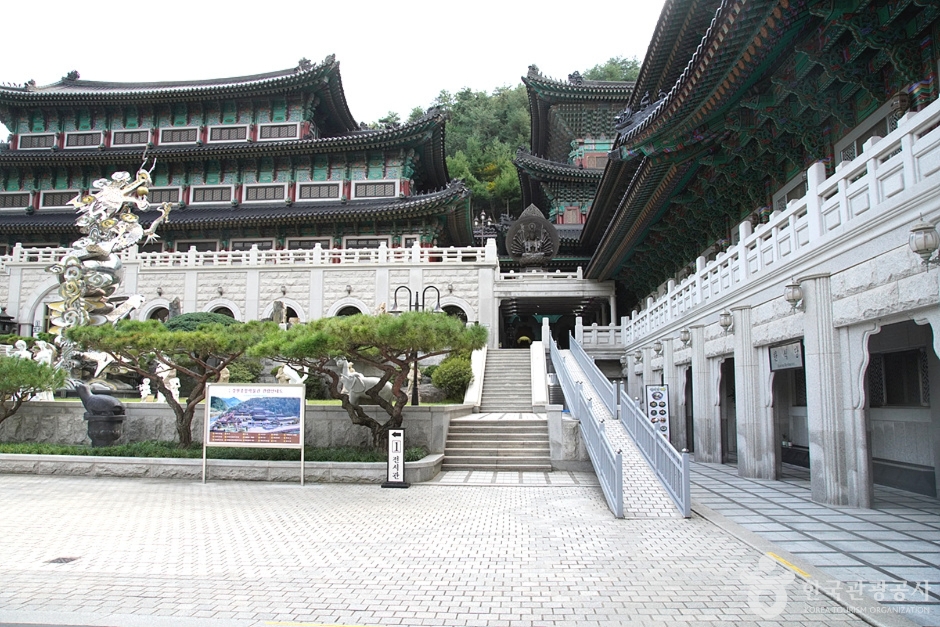
Gangwon Comprehensive Museum (강원종합박물관)
3016 Gangwonnambu-ro, Singi-myeon, Samcheok-si, Gangwon-do
Gangwon Comprehensive Museum boasts a collection of over 20,000 artifacts from various global cultures, encompassing fields like natural history, ceramics, metalwork, folklore, religion, woodwork, and stonework. Its mission is to collect and preserve these artifacts to enhance humanity's understanding of the environment they inhabit. The museum's building draws inspiration from historic East Asian architecture, adding to its cultural richness. Located in an inland area of Samcheok, the museum is about 25 kilometers from KTX Donghae Station, making it a 25-minute car journey away.
](https://tong.visitkorea.or.kr/cms/resource/26/4042326_image2_1.JPG)
Gangwon Ginseng Cooperative [Tax Refund Shop](강원인삼협동조합)
987, Seorak-ro, Hongcheon-eup, Hongcheon-gun, Gangwon-do
Gangwon Ginseng Cooperative is a health specialty brand that showcases top-quality Korean ginseng cultivated in the clean highlands of Gangwon-do. Through red ginseng products that have undergone strict purchasing processes and modern manufacturing facilities, we help modern people with energy recovery and immunity enhancement.
](https://tong.visitkorea.or.kr/cms/resource/54/4022754_image2_1.jpg)
Gangwon Ginseng Nonghyup [Tax Refund Shop](강원인삼농협)
987, Seorak-ro, Hongcheon-eup, Hongcheon-gun, Gangwon-do
Gangwon Ginseng Nonghyup is a health food specialty brand that showcases high-quality ginseng and red ginseng products grown in the clean nature of Gangwon-do. Based on strict quality control and traditional methods, it provides various products that help modern people's vitality and health promotion.
Gangwon Hyuhyuam Hermitage (휴휴암(강원))
3-16, Gwangjin 2-gil, Yangyang-gun, Gangwon-do
This hermitage is located by the sea at Hyeonnam-myeon, Yangyang-gun, Gangwon-do. Its name reflects its dedication to the value of rest by freedom from the troubles of mundane life. The temple was built in 1997 by the monk Hongbeop as a small Buddha hall named Myojeokjeon Hall, but the discovery of a large rock shaped like a reclining Avalokiteshvara in 1999 made the temple a popular site for prayers. A large rock named Yeonhwadae, named after its shape of a lotus flower in bloom, is located below the Myojeokjeon Hall near the sea. Yeonhwadae is a great place to see the reclining Avalokiteshvara and turtle-shaped rock in the area, and many other tourists flock to see the interesting rock formations of the area, like toe rocks, foot rock, and fist rock. Lucky visitors can catch a glimpse of schools of big-scaled redfin surfacing to feed at the beach. Hyuhyuam Hermitage is also home to Myojeokjeon Hall, Darani Cave Buddha Hall, Gwaneum Buddhist Bell, and a statue of the Avalokiteshvara. The Avalokiteshvara statue, in particular, enjoys great popularity from its hilltop vantage point, having the blue seas of the East Sea to its back.
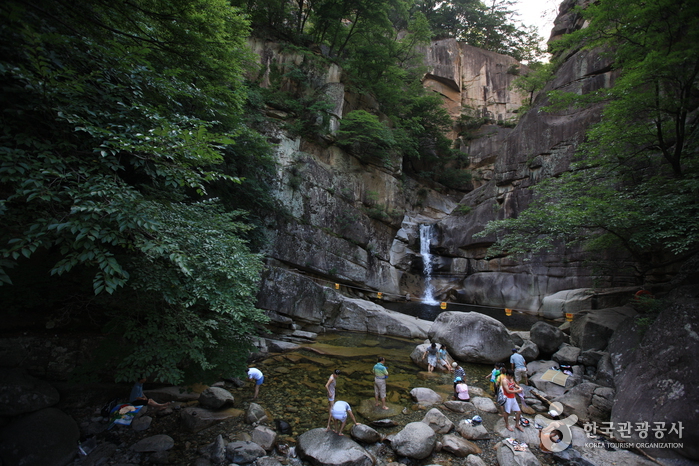
Gangwon Yongchupokpo Falls (무릉계곡 용추폭포(강원))
538, Samhwa-ro, Donghae-si, Gangwon-do
Located approximately 2.5 kilometers west of Samhwasa Temple, the entrance of Mureunggyegok Valley, Yongchupokpo Falls is a three-tiered waterfall in a shape of a pot that gets its waters from Cheongoksan Mountain (1,403.7 meters). Located 70 meters below Yongchupokpo Falls is Ssangpokpo Falls, where the water from Yongchupokpo Falls and Bakdalgyegok Valley meets to create a deep and beautiful base.
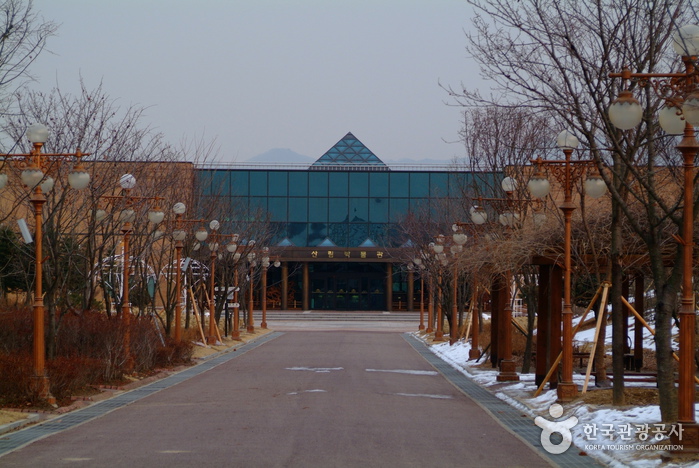
Gangwon-do Forestry Museum (강원도 산림박물관)
24, Hwamogwon-gil, Chuncheon-si, Gangwon-do
Gangwon-do Forestry Museum, located within the Gangwon Provincial Botanic Garden, was established to draw the public closer to forest parks as a cultural space to enjoy nature as well as develop forest-friendly infrastracture for vacationers. The museum has four exhibition rooms, 3D experience room, tree plaground, and more for visitors to enjoy. * Opened October 31, 2002
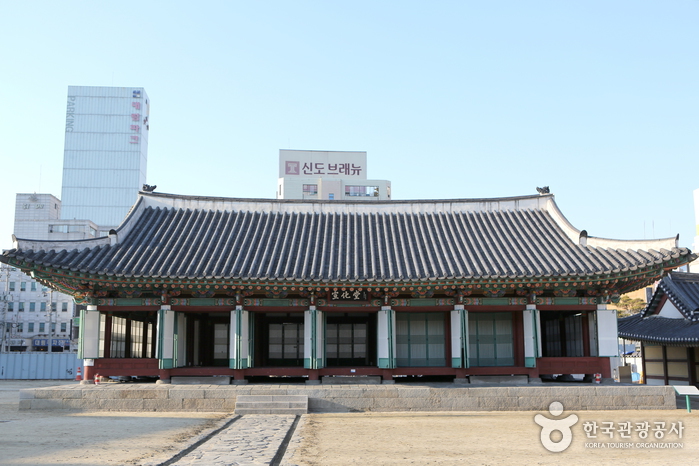
Gangwongamyeong Provincial Office, Wonju (원주 강원감영)
Ilsan-dong, Wonju-si, Gangwon-do
Gangwongamyeong Provincial Office, dating back to the Joseon era, is celebrated for its stunning night views. Originally serving as the office for the provincial governor of Gangwon-do during the Joseon period, it functioned in this capacity for 500 years. Presently, only a few structures, including the Seonhwadang Hall, still stand. The site underwent restoration and was opened to the public in 2018.
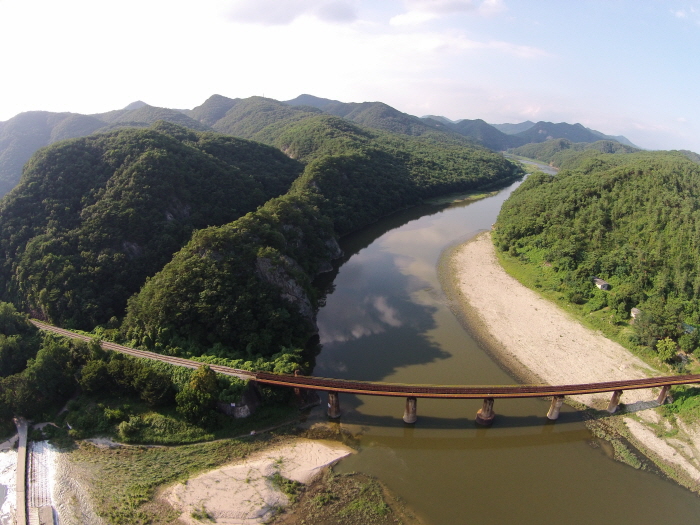
Ganhyeon Tourist Area (간현관광지)
12, Sogeumsan-gil, Jijeong-myeon, Wonju-si, Gangwon-do
Ganhyeon Tourist Area, which is located 18 kilometers to the west of the city of Wonju, is seated where the Seomgang River and Samsancheon Stream, which are branches of the Namhangang River, come together and meet. 40- to 50-meter-high uniquely-shaped rocks and cliffs on both sides of the river form harmony with thickly wooded forests and the dark blue-colored river, and a vast white sandy beach stretches on the sides of the river to complete the fabulous scenery of the area. The river water is clean and the sandy beach is open and extensive, which makes it a popular summer vacation spot for those who like to play in the water. * Things to enjoy in Ganhyeon Tourist Area * Ganhyeon Rock located on the opposite side of the tourist area now has 37 rocky paths where people can enjoy rock climbing. Frequently changing flows and depths of the water potentially pose a great safety risk so visitors must be extremely careful when playing in the water. It should be noted that camping, cooking, campfires, fishing, etc., in or by the water are strictly prohibited. It takes approx. 1 hour 20 minutes for a round trip on Sogeumsan Suspension Bridge, which is located by the entrance of the mountain trail within the Ganhyeon Tourist Area, and the bridge boasts the greatest length and largest scale (100 meters high, 200 meters long, 1.5 meters wide) among all mountain walkway bridges in Korea. To provide visitors with an exhilarating experience, the floor of the bridge is made of specially manufactured steel grating, which enables those who walk over the bridge to enjoy the thrill.

Ganjeolgot Lighthouse (간절곶)
39-2 Ganjeolgot 1-gil, Ulju-gun, Ulsan
The sunrise along the East Coast can be viewed earliest at Cape Ganjeolgot in Daesong-ri, Uljin-gun. The breathtaking view of the sunrise can be seen a minute earlier than Cape Homigot in Yeongilman Bay and five minutes earlier than Jeongdongjin in Gangneung. Cape Ganjeolgot is in the spotlight as a new tourist attraction along with Jinha Beach and Seosaengpo Japanese Fortress. The lighthouse is located 20 minutes away from the entrance to Ulsan Nambu Beltway.◎ Travel information to meet Hallyu’s charm - TV series"Kokdu: Season of Deity"This is the place where Jin-woo, after being possessed by Kokdu, an underworld god, bickers with Gye-jeol and her diagnosis of amnesia. As one of the most famous tourist sites on the eastern coast of Korea, Ganjeolgot Cape impresses with the green meadows, the blue sea, and the 5 m-tall Hope Mailbox.
Plan your Korea trip
Korea travel FAQ
How do I use the travel search?
Enter a place or interest, then narrow the results by region, category or sort order.
Will my filters stay selected on the next page?
Yes. Your search and filter choices stay in the page URL while you move through the results.
Can I find directions to each place?
Place pages include an external Google Maps search when coordinates or an address are available.
Source: Korea Tourism Organization, official website (https://knto.or.kr).