TRAVEL IN KOREA
Korea Places to Visit
Find attractions, culture, festivals, stays, restaurants, shopping and travel courses for a clear Korea trip plan.

Gilsang Ceramics (길상도예)
15-9 Gangnam-daero 39-gil, Seocho-gu, Seoul
The pottery workshop experienced by BTS It is a famous pottery workshop for ARMY as a place where BTS experienced in ‘RUN BTS’. Jimin made cups for V, Jin for Jung kook, and V for SUGA. You can design and make cups, vases, plates, water bottles, etc. with a potter's wheel and handbuilding. It's also fun to make it after the works of BTS members.
Gilsangsa Temple (Seoul) (길상사(서울))
68 Seonjam-ro 5-gil, Seongbuk-gu, Seoul
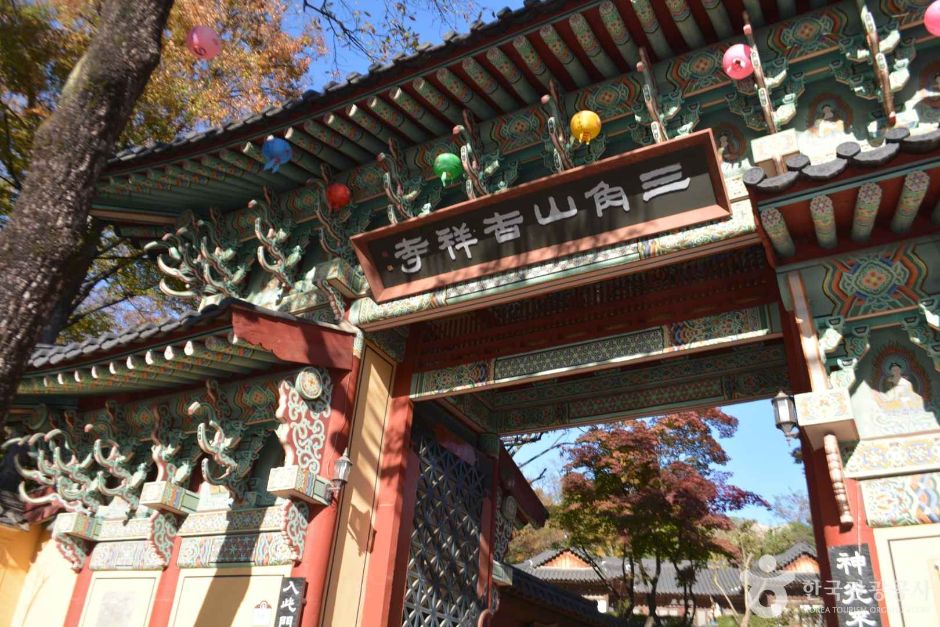
Gilsangsa Temple is a prominent temple located in Seongbuk-dong, Seoul. The name Gilsangsa means "a favorable and auspicious temple." Visitors can experience temple, participate in Buddhist practices, and even enjoy Templestay programs on weekends. In fall, visitors can admire red spider lilies and wildflowers, immersing themselves in the beauty of nature and finding inner peace.
Gilsangyo Pottery Experience (길상요 도자기체험)
132, Dojayesul-ro 6beon-gil, Sindun-myeon, Icheon-si, Gyeonggi-do
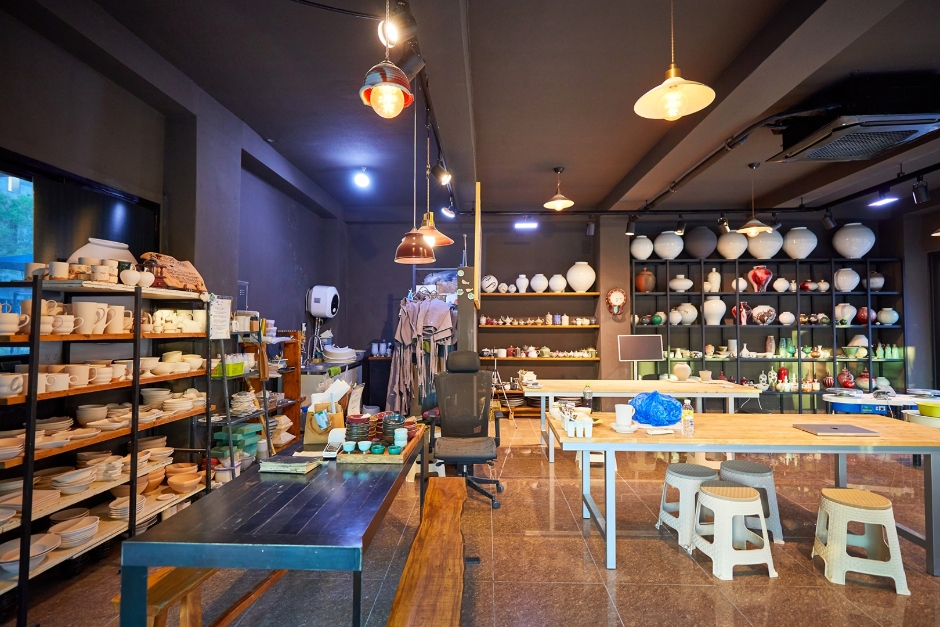
You can experience pottery making at Gilsangyo, run by Kim Jong-young, a potter who has won numerous awards for jiggering techniques of forming pottery using a spinning plaster. Based on white porcelain clay, your experience will begin with the help of an expert after choosing a pottery design. Even if you are new to pottery, you will be able to complete a piece of pottery before you know it by following the instructions of the expert. After a 30-minute experience, you will paint the pottery and bake it with your name engraved. You can receive the finished pottery by courier in about two to three weeks.
Gimcheon Samyeongdaesa Park (김천 사명대사공원)
94-3 Unsu-ri, Daehang-myeon, Gimcheon-si, Gyeongsangbuk-do
Gimcheon Samyeongdaesa Park serves as a nexus for exploring Gimcheon's rich cultural and historical treasures, including Hwangaksan Mountain and Jikjisa Temple. The park is an oasis of tranquility, offering visitors the chance to unwind amidst nature. It boasts hanok accommodations, along with wellness facilities such as a massage room and an outdoor foot bath. Other attractions include the Solhyang Teahouse, offering a serene tea ceremony experience, and the Hanbok Experience Center. Nearby attractions such as Jikjisa Temple, Gimcheon Museum of Art, and Gimcheon World Porcelain Museum are easily accessible, enriching the cultural journey.
Gimcheon World Porcelain Museum (김천 세계도자기박물관)
118, Jikjisa-gil, Gimcheon-si, Gyeongsangbuk-do
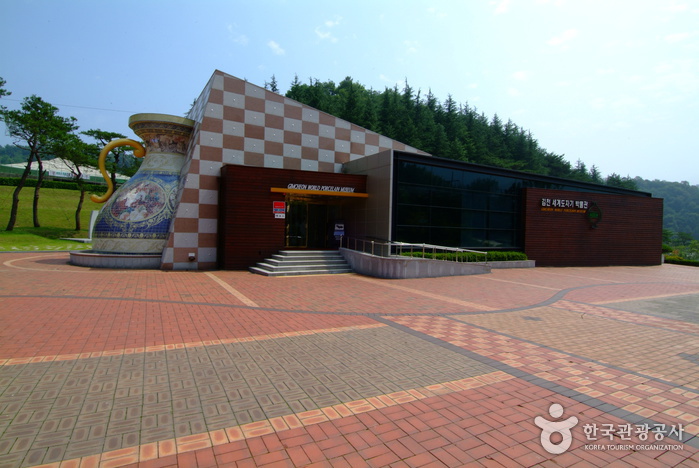
Gimcheon World Porcelain Museum is located at the entrance to Jikjisa Temple. Nearly 1,000 artifacts, including Western porcelain and crystal donated by the Korean-Japanese Bokjeonyeongja are on display. The museum has three exhibition halls and one video hall that exhibit refined, elegant porcelain from all over the world.
Gimhae Arts and Sports Center (김해문화의전당)
2060, Gimhae-daero, Gimhae-si, Gyeongsangnam-do
The Gimhae Arts and Sports Center is a performance hall for high-class performances. Maru Hall is a multi-purpose theater that also contains a moving orchestra shell with a sound reflection board for a smaller concert hall inside the theater. Nuri Hall is an experimental theater for performances in a variety of themes. The center also features the outdoor theater Aedureum Madang, Yunseul Art Gallery, Media Center, Sports Center, and Aram Learning Center, as well as a café and restaurants.
Gimhae Astronomical Observatory (김해천문대)
254, Gaya thema-gil, Gimhae-si, Gyeongsangnam-do
Gimhae Astronomical Observatory opened on February 1, 2002 as part of the Millennium Commemorative Project that started in December 1998. It was built to satisfy the general public’s curiosity about the universe and celestial bodies, inspire young people, and give everyone a unique, memorable experience. The observatory is shaped like an egg, in memory of the legend of King Kim Suro, the founder of the Garak Kingdom, according to which the king was born from an egg. It is said that the queen of King Suro, Heo Hwang-ok, was a princess from the Indian country of Ayuta. Since sophisticated navigation equipment had yet to be invented, it can be assumed that she found her way to the Garak Kingdom by following the stars. It is also said that a prince of the Garak Kingdom built an observatory on the highest point of a mud fortress in Jinrye in order to make astronomical observations. The place is still referred to as Bibidan, which means a place to watch the stars. These historical facts indicate the stars were very important to the Gaya, an ancient kingdom established mainly in the Gimhae area. The peak of Bunseongsan Mountain, where the observatory is located, offers sweeping views of the entire area of Gimhae. The night sky of Gimhae offers a breathtaking sight.
Gimhae Buncheong Ceramics Festival (김해분청도자기 축제)
17 Buncheong-ro, Jillye-myeon, Gimhae-si, Gyeongsangnam-do
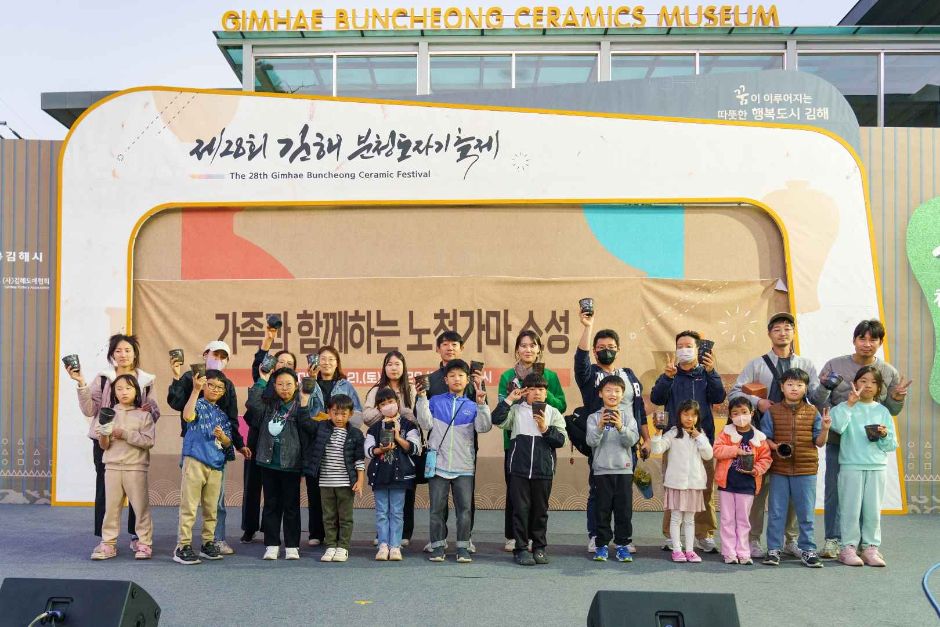
*The information below is based on the 2025 festivals. Details for the 2026 festivals will be updated as they become available.*The Gimhae Buncheong Ceramics Festival highlights the excellence of Buncheong ceramics and their everyday appeal. The festival offers a chance to see a wide variety of ceramics and participate in hands-on activities such as traditional kiln firing.
Gimhae Gaya History Park (김해가야테마파크)
161 Gaya thema-gil, Gimhae-si, Gyeongsangnam-do
Gimhae Gaya History Park is a resting area that provides comfortable relaxation in the daily lives of the busy people and also a cultural complex where you can experience various cultures with your family, lover and friends. Interactive theme park combining Education + Entertainment Edutainment park where you can see, hear, touch and learn about the history of Gaya and the brilliant heritage of its people through plays, experiences and exhibits.
Gimhae Gujibong Peak (김해 구지봉)
Gusan-dong, Gimhae-si, Gyeongsangnam-do
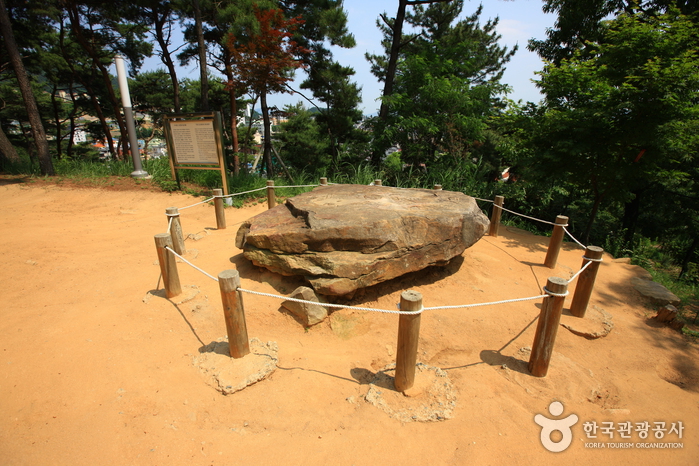
Gujibong Peak in Gusan-dong, Gimhae in Gyeongsangnam-do is believed to be the birthplace of King Suro, the founder of the Gaya kingdom. The peak was originally named Gusubong (“gu” meaning “turtle,” “su” meaning “head”) after its resemblance to the head of a turtle. The flat part of the peak (the turtle’s “head”) is home to the Tomb of King Suro. On the summit is a southern-style dolmen dating back to the 4th century BC that consists of 5 or 6 support stones and a large cover stone measuring 2.5m in diameter. The cover stone bears the inscription “Gujibongseok,” said to be written by Han Ho. Gujibong Peak is considered a sacred place by the local people because, according to legend, it is the place where the creation of the Gaya Kingdom took place. During the Japanese colonial rule, the “neck” of the turtle was destroyed by the construction of a mountain road. Years later, a pedestrian road was built to rejoin the neck and restore the feng shui of the mountain.
Gimhae Lotte Water Park (김해 롯데워터파크)
555 Jangyu-ro, Gimhae-si, Gyeongsangnam-do
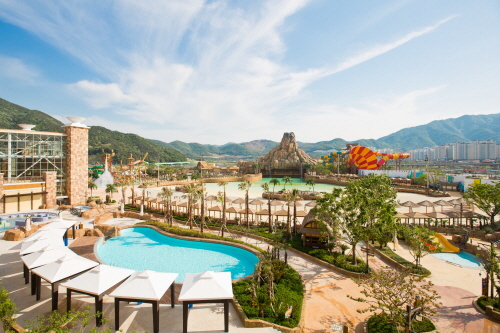
Gimhae Lotte Water Park is the largest water park in Korea, featuring a Polynesian theme with 17 types and 43 water attractions. It includes a giant volcano-shaped structure called Giant Volcano, along with indoor and outdoor water parks that can be enjoyed year-round, as well as Rapids River Zone and Torrent River Zone. Facilities include wave pool, lazy river pool, spa pool, swing slide, and more, making it a must-visit leisure destination in Busan.
Gimhae Nakdonggang River Rail Park (김해낙동강레일파크)
41, Masa-ro 473beon-gil, Gimhae-si, Gyeongsangnam-do
Gimhae Nakdonggang River rail bike runs for about 3km in distance and you may enjoy nakdonggang river's beautiful view while riding on the rail bike. Experience a unique atmosphere as you bypass the vintage railway bridge, and a wine cave can also be found in the vicinity.
Gimhae National Museum (국립김해박물관)
190 Gayaui-gil, Gimhae-si, Gyeongsangnam-do
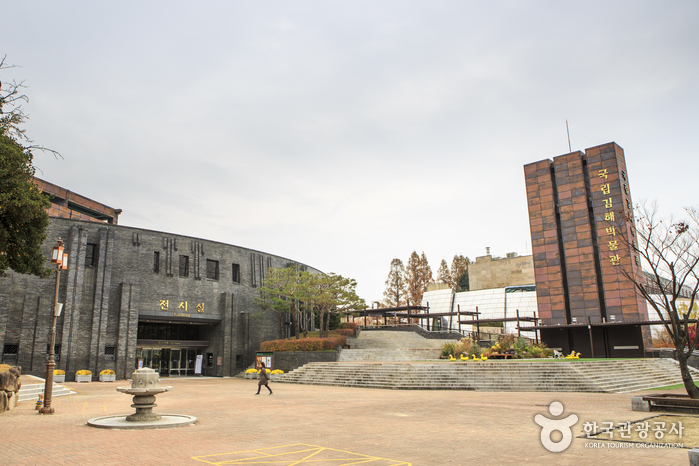
The Gimhae National Museum was opened on July 29, 1998, in order to research and preserve the cultural heritage of the ancient kingdom of Gaya. The museum is at the foot of Gujibong Peak in Gimhae-si, the spot where the kingdom is believed to have been founded. The museum exhibits the cultural assets of Gaya, as well as cultural relics from the prehistoric age in the Busan and Gyeongsangnam-do areas, and the cultural heritage of Byeonhan, which was the foundation for the growth of Gaya. The exterior of the museum is made using black bricks representing iron ore and charcoal famous during the Gaya Kingdom. There are two exhibition halls, while the walkway to the halls have approximately 1,300 artifacts in display.
Gimje Geumsansa Temple (금산사(김제))
1 Moak 15-gil, Geumsan-myeon, Gimje-si, Jeonbuk-do
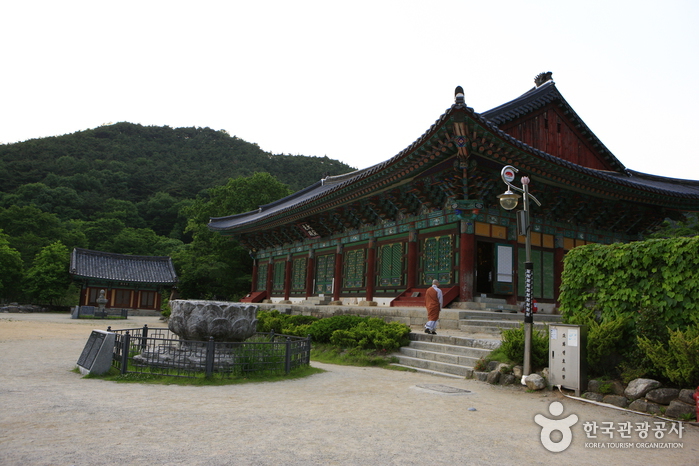
Geumsansa Temple, which stands tall at the entrance to Moaksan Provincial Park, was founded in the first year of King Beop of Baekje (599). It was rebuilt by Jinpyo in 776, leading to the appearance of a great temple. The precinct has about ten designated cultural heritages, including the Mireukjeon Hall, which is designated as a National Treasure. Many other annexed buildings make it one of the best ancient temples in the southern region. The wooden Mireukjeon Hall is Korea's only three-story Buddhist temple with a full-story interior. In spring, many tourists visit to see the spectacular sight of cherry blossom trees stretching from the mountain entrance to Geumsansa Temple. Even in the middle of winter, believers come to visit the Maitreya Bodhisattva statue in Mireukjeon Hall, bowing or circling the pagoda. The Maitreya Bodhisattva statue in Mireukjeon Hall is considered the world's largest indoor standing Buddha statue. Among the three Buddha statues, the middle Maitreya Bodhisattva statue is 11.82 meters tall, and the left and right Buddha statues are 8.8 meters tall. Various cultural events are held at the 1400th Anniversary Memorial Hall, built in 1999. * Major cultural properties: Mireukjeon Hall (National Treasure), Stone Pillar (Treasure), Stone Lotus Pedestal (Treasure), Stele for Royal Preceptor Hyedeok at Geumsansa Temple (Treasure), Five-story Stone Pagoda of Geumsansa Temple (Treasure), Bangdeung Stairs at Geumsansa Temple (Treasure), Hexagonal Multi-story Stone Pagoda of Geumsansa Temple (Treasure), Flagpole Supports of Geumsansa Temple (Treasure), Three-story Stone Pagoda at Simwonam Hermitage of Geumsansa Temple (Treasure), Daejangjeon Hall of Geumsansa Temple (Treasure), and Stone Lantern of Geumsansa Temple (Treasure)
Gimje Horizon Festival (김제지평선축제)
442 Byeokgolje-ro, Buryang-myeon, Gimje-si, Jeonbuk-do
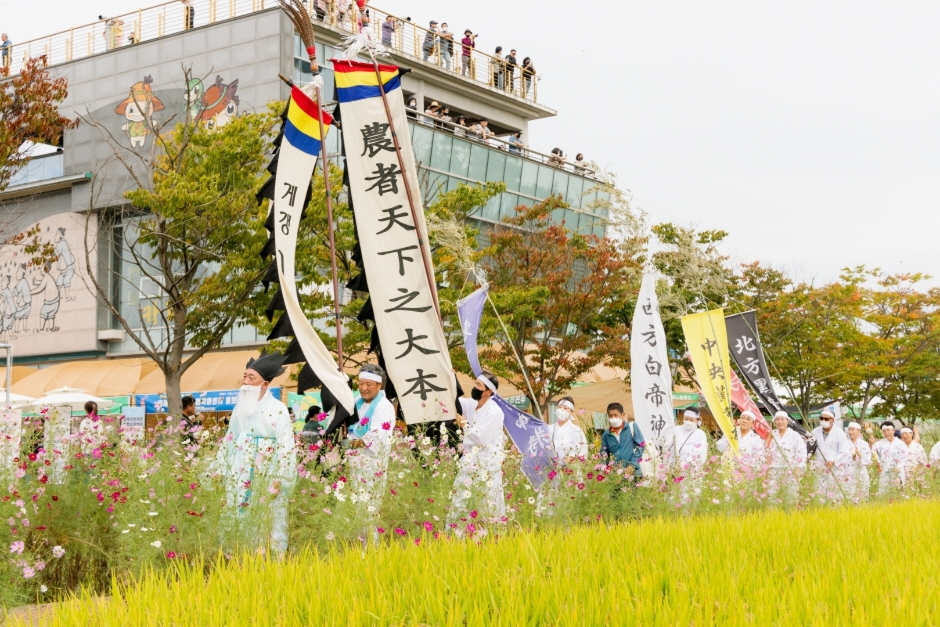
In Korea, finding an unobstructed horizon is a rarity, making Gimje’s expansive horizon a unique and stunning sight. Held in the autumn when the fields are tinged with gold, the Gimje Horizon Festival celebrates this unique landscape. The festival aims to promote Gimje’s famous rice and preserve traditional agricultural culture based on the theme of, “where the land meets the sky.” The torch parade at night is the highlight of the festival. The spectacular performance in front of the huge twin dragon sculptures standing at the center of the Byeokgolje Reservoir (Historic Site No. 111) perfectly captures the festival’s vibrant and passionate atmosphere. Throughout the festival venue, there are farming activities, such as harvesting rice and threshing, as well as rural experiences of the past, such as catching grasshoppers and riding an ox cart. ◎ Byeokgolje Reservoir Built during the Baekje period, the manmade reservoir shows the wisdom of Korea’s ancestors and the old agricultural system. On the embankment more than 3 kilometers long, five floodgates were installed to discharge water into the rice fields.
Gimje Munsusa Temple (문수사(김제))
158, Hwangsan 5-gil, Gimje-si, Jeonbuk-do (Hwangsan-dong)
Munsusa Temple, located in Hwangsan-dong, Gimje, is a branch temple of Geumsansa Temple. The temple is located in the heart of nature atop Bonghwangsan Mountain (alt. 100 meters), which is surrounded by the seemingly endless Mangyeong Plains. The temple was built by the great monk Hyedeok Seonsa in the 25th year of King Mu of Baekje after he was visited in his dreams by Munsu Bosal (a Buddhist Saint). The temple was named ‘Munsu’ after ‘Munsugol,’ the original name of the neighborhood in which the temple is located. In front of the temple stands an ancient zelkova tree whose giant girth measures well over 5 meters. The tree, which is called gwimok (meaning holy, miraculous tree), was recently designated a specially protected tree and is now the focus of preservation efforts. Every January 14th (according to the lunar calendar), local lovernment of Gimje holds a sacred ritual for the tree while the temple holds a ritual to honor the mountain spirit.
Plan your Korea trip
Korea travel FAQ
How do I use the travel search?
Enter a place or interest, then narrow the results by region, category or sort order.
Will my filters stay selected on the next page?
Yes. Your search and filter choices stay in the page URL while you move through the results.
Can I find directions to each place?
Place pages include an external Google Maps search when coordinates or an address are available.
Source: Korea Tourism Organization, official website (https://knto.or.kr).