TRAVEL IN KOREA
Korea Places to Visit
Find attractions, culture, festivals, stays, restaurants, shopping and travel courses for a clear Korea trip plan.
Geumisanseong Fortress (금이성)
Songseong-ri, Sejong-si
Geumiseong is a mountain fortress built on the summit of Geumseongsan Mountain, which rises 430 meters above sea level. It overlooks Jeonui and Cheonan to the north and Geumgang River to the south. The architecture style of Geumiseong Fortress is a combination of the styles of the Baekje dynasty and the early Unified Silla. Based on the relics found inside the fortress, it is thought to have been built in the Goryeo period. The robustness of the fortress takes advantage of the rugged topography, so much so that it had been known as ironclad bastion among common people. The eastern side of the fortress has considerably collapsed, but the southern part is in a relatively good condition. The western and northern walls are also in bad conditions. Some earthenware pieces were found where there once stood a watchtower. Also, some pieces of roof tiles were found where there was a fortress building in the central part of the fortress on mountain summit. The earthenware pieces are hard porcelain and soft glass wares like bowls and pots. The tile pieces mostly feature fishbone patterns in dark gray color.
Geumjeongsanseong Fortress (금정산성)
78-5 Bungmun-ro, Geumjeong-gu, Busan
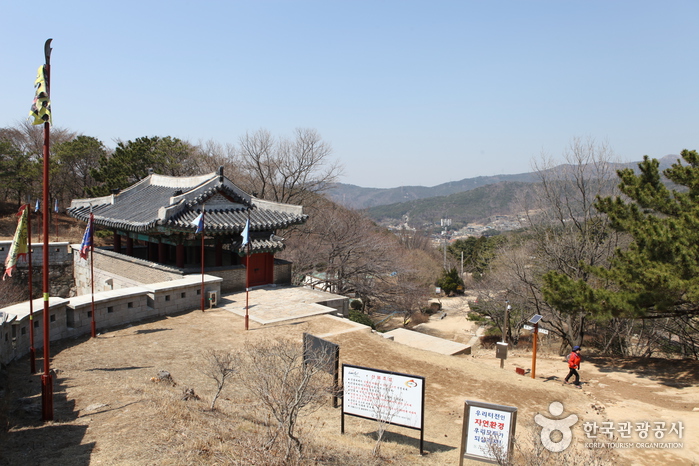
Geumjeongsanseong Fortress, with a circumference of 18,845 meters along the ridges and valleys of Geumjeongsan Mountain, is a large-scale fortress built during the Joseon dynasty between 1701 and 1703. The fortress is accompanied by Geumjeongsanseong Village and is known for producing Sanseong makgeolli (unrefined rice wine), a traditional Korean alcoholic beverage. Additionally, there are numerous restaurants, cafés, and attractions, making it a place where nature, history, cuisine, and sightseeing coexist.
Geumjinhaebyeon Beach (금진해변)
176-2 Geumjin-ri, Okgye-myeon, Gangneung-si, Gangwon-do
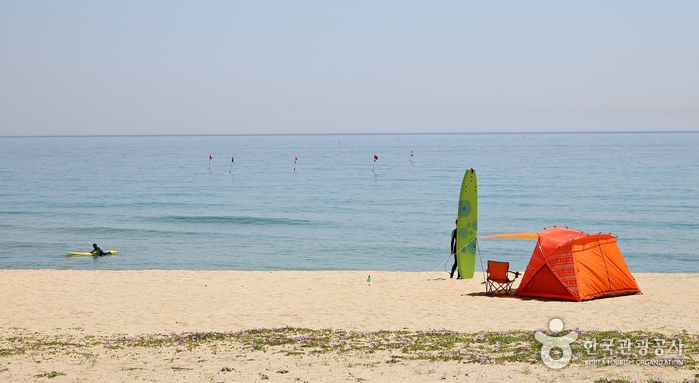
Located to the south of Gangneung, Geumjinhaebyeon Beach stretches over 900 meters in length and covers an area of 63,000 square meters. It is known for its fine white sand beach and shallow waters with a gentle slope, making it a favorite spot for family visitors. Surfing enthusiasts can take advantage of surfing lessons offered at the beach. Additionally, while in the area, visitors can also explore the nearby Geumjin Hot Springs.
Geumma Reservoir (금마저수지)
Donggodo-ri, Geumma-myeon, Iksan-si, Jeonbuk-do
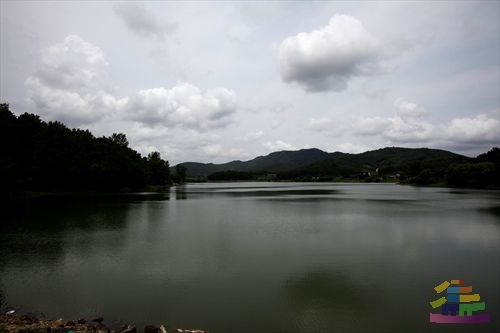
Looking towards the south from the top of Mireuksan Mountain, one can see Geumma Reservoir. The reservoir is shaped like the Korean peninsula. Hence it is also referred to as Jido Yeonmot, or Map Pond. The terrain is especially beautiful when viewing it through the fog in the early mornings. The water comes from Mireuksan Mountain, ensuring a steady supply of water throughout the year. There are no factories or other contaminants nearby so the water quality is of the highest grade. Near the reservoir, one can find Seodong Park and Mahan Hall. Seodong Park is a sculpture park displaying various sculptures such as a bronze statue of Baekje’s King Muwang of Baekje and a statue of Seodong’s Princess Seonhwa. Mahan Hall showcases the lifestyle and culture of Mahan, a tribal confederation during the Samhan period. The park also features various facilities such as an observatory, fishing spot and a promenade.
Geumnam Butterfly Garden (금남로공원 금남나비정원)
20-2 Geumnam-ro, Dong-gu, Gwangju
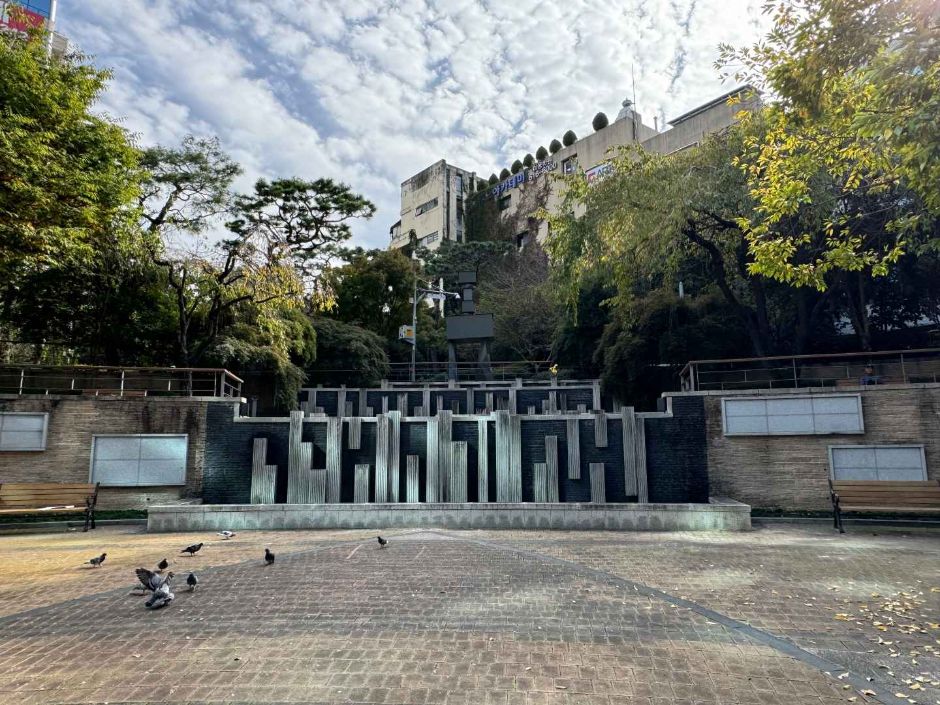
Geumnamro Neighborhood Park, once the site of the Bank of Korea’s Gwangju branch, now hosts the enchanting Geumnam Butterfly Garden. Inspired by the glowing butterflies, the garden is a stunning curation by Gwangju, a UNESCO Creative City of Media Arts. It offers a magical setting for a night tour, transporting visitors into a fantasy world of vibrant colors and purple hues.
Geumnam Egret Habitat (금남 백로 서식지)
45-13, Gamseong-gil, Geumnam-myeon, Sejong-si San 4-beonji
The Egret Habitat in Gamgseong-ri covers a small mountain located in Yuseong-gu District. Existing since the Joseon dynasty era, the habitat is home to common herons and cattle egrets. Up to 5,000 birds have been observed at one time. The best time to visit the habitat and see the egrets is between April and May.
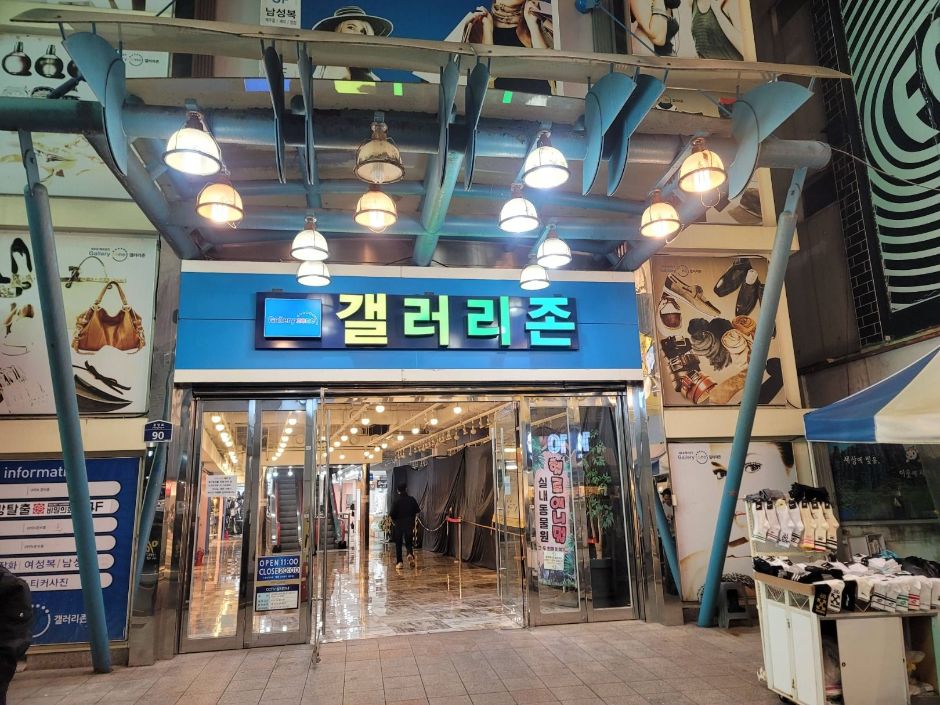
Geumnam-ro Street (금남로)
Geumnan-ro, Dong-gu, Gwangju
Geumnam-ro Street used to be in the government office quarters, and is now the center of the city's finacial sphere, with many banks, insurance companies and public offices lining the street. During the May 18 Movement, the citizens gathered at Geumnam-ro Steet and marched together to express their sadness and give support for the sublimation of the nation. In modern times, the street serves as a meeting space for citizens, with an underground shopping mall and a plaza around a fountain, where events and performances freely take place.
Geumneung Beach (금능해수욕장)
119-10 Geumneung-gil, Hallim-eup, Jeju-si, Jeju-do
Clear waters, a beautiful beach with white sand and seashells, fantastic sunset, and the view of Biyangdo Island beyond sum up to describe Geumneung Beach. The white sandy beach where the bottom of the shallow, blue water is clearly seen creates an illusion that one can easily walk all the way to Biyangdo.Geumneung Beach is directly connected to Hyeopjae Beach, another popular tourist spot on the west side of Jeju Island. However, despite the common charming elements the two beaches share, Geumneung Beach sees a relatively small number of visitors in comparison, so it exudes a more relaxing vibe. Moreover, the beach and the parking lot are directly connected, making it more convenient to move baggage and other belongings. The newly built showers supply warm water, which is another advantge of the beach. It is recommended to visit the beach during the hours of ebb tide. Once the sea water recedes afar, a vast, beautiful sandy beach appears. The water is shallow in many parts where natural swimming pools are formed, allowing little children to be able to play safely.

Geumneung Port (금능포구)
Geumneung-ri, Jeju-si, Jeju-do
A port with picturesque scenery Geumneung Port, where fishing boats are anchored, is as beautiful as a picture, and has been used as the background for many scenes in the drama. The vacant lot with the pavilion, which was a place for women divers (Haenyeo) to talk, is also special to those who watched the drama. Because it is the place where Jeong-jun used to park the bus and spend intimate time with Yeong-ok. If you enter the breakwater behind it, there is a cute mural painted on it, and there is a white lighthouse at the end.
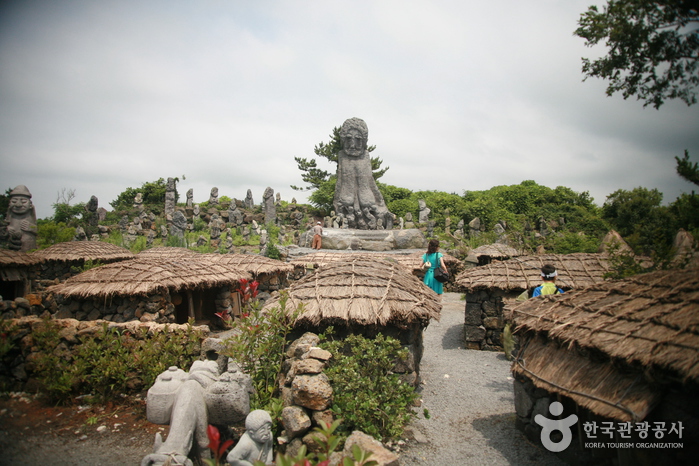
Geumneung Seokmulwon (Geumneung Rock Park) (금능석물원)
Location details are available on the place page.
Jeju is often referred to as Samda-do, which can be translated to “island of three abundances,” because it has many stones, wind, and women. Stones from Jeju are prohibited from being taken out of Jeju and only processed stones are exported. The most well-known processed stone production in Jeju is dol hareubang (“stone grandfather”). Geumneung Rock Park is a place where travelers who are tired of seeing the same-old dol hareubang can appreciate the essence of Jeju stones. It is a park created on a 33,058m² site by master craftsman Jang Gong-ik, who has been making dol hareubang for about 40 years, expressing aspects of Jeju life through stones. The park has a Buddhist-friendly atmosphere overall with statues of Buddha, which are all works of Jang Gong-ik, who has maintained this place for decades.
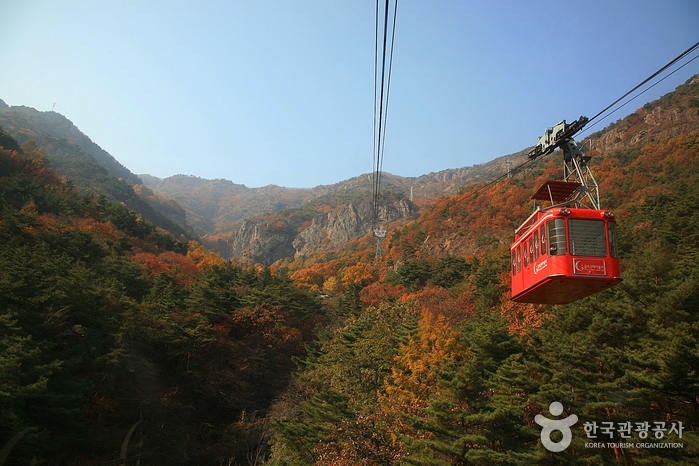
Geumosan Provincial Park (금오산도립공원)
San 33, Namtong-dong, Gumi-si, Gyeongsangbuk-do
Geumosan Mountain (976 m) is part of the Sobaeksan Mountain Range, and was designated as a provincial park in 1970. Daehyepokpo (Myeonggeum) Falls can be accessed via cable car. Additional attractions within the park include Yaksaam Hermitage, Rock-carved Standing Bodhisattva, Haeunsa Temple, Doseongul Cave, and Chaemijeong Pavilion.
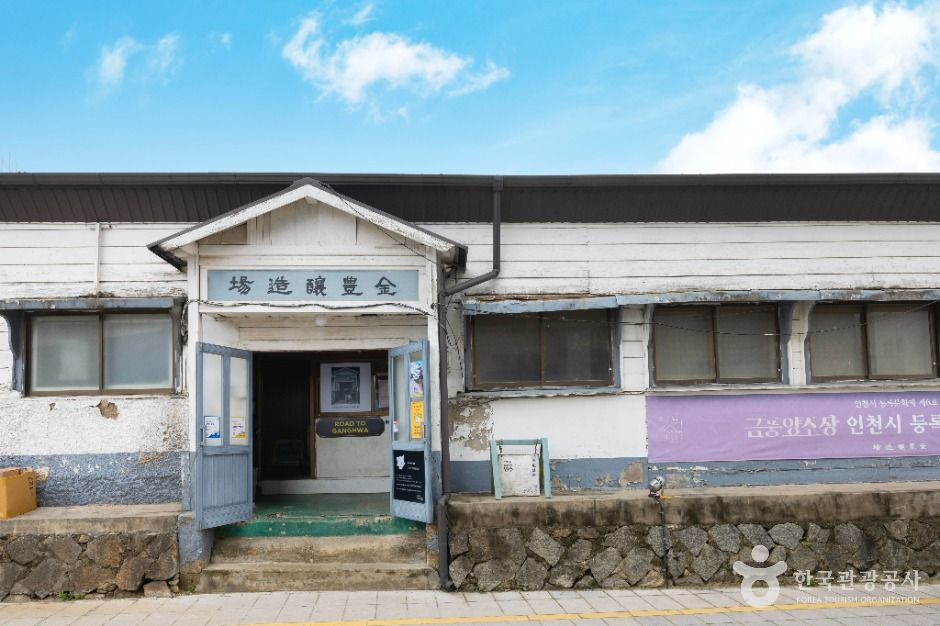
Geumpung Brewery (금풍양조장)
8 Samnangseong-gil, Gilsang-myeon, Ganghwa-gun, Incheon
Operated by the same family for three generations, Geumpung Brewery preserves the history of traditional Korean wine-making on Ganghwado Island. Its makgeolli (unrefined rice wine), with a 100-year tradition, is made from top-quality eco-friendly rice grown on the island. The brewery is committed to making science-based premium rice wine. In 2021, the brewery was the first on the island to obtain a license for brewing local specialty wine (unrefined and refined rice wine) with the goal of promoting makgeolli globally, while using local ingredients. Notably, the brewery's packaging, made by upcycling rice sacks, has grabbed much attention.
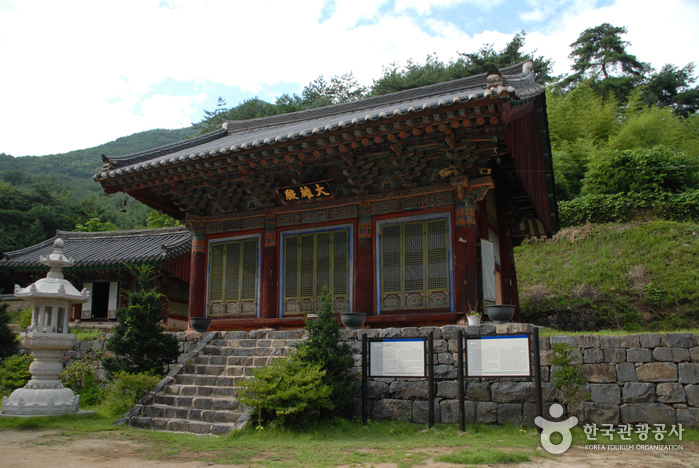
Geumsan Boseoksa Temple (보석사 (금산))
30, Boseoksa 1-gil, Geumsan-gun, Chungcheongnam-do
Located on the southeastern slope of Jinaksan Mountain (732 meters), about six kilometers away from Geumsan-eup, Boseoksa Temple was founded by the great Buddhist monk Jogu Daesa in 866 (12th year of King Heongang) during the Silla Kingdom. The temple’s name Boseoksa (boseok meaning jewelry) comes from the statue of Buddha in the temple that was cast from gold found in the mountain facing the temple. The temple is comprised of Daeungjeon Hall, Euiseongak Shrine and Sansingak Shrine. Close to the temple grounds are 12 stunning waterfalls. Visitors can also see a 1,100 year-old ginkgo tree or take a pleasant stroll along a 300-meter long fir tree road.
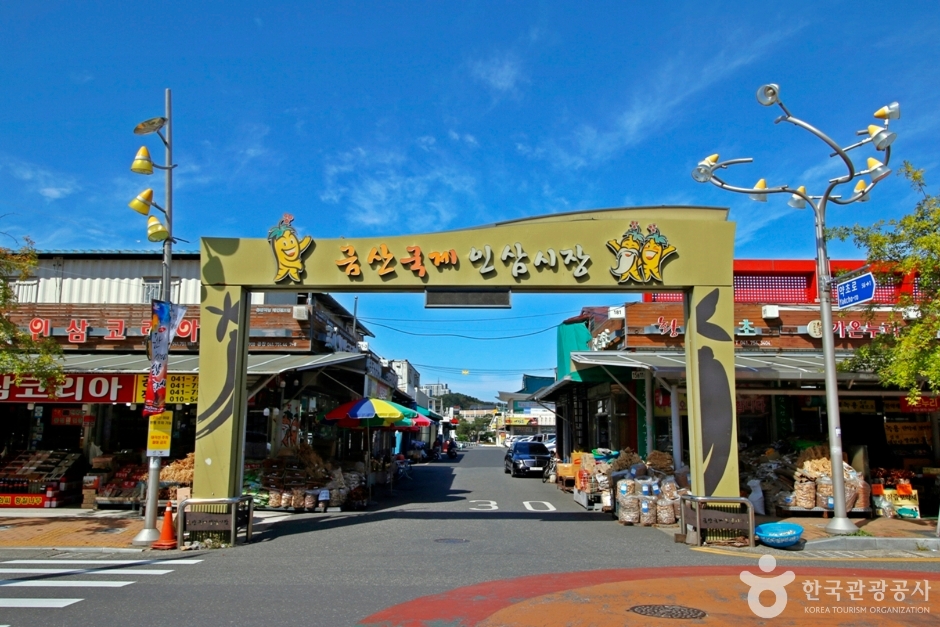
Geumsan Ginseng Market (금산인삼약령시장)
24 Insamnyakcho-ro, Geumsan-gun, Chungcheongnam-do
Geumsan is widely known as the largest ginseng market in Korea, holding 80% of the nation’s ginseng trade. Along with its enormous ginseng industry, Geumsan is also rising as the largest herbal medicine market in the country. The Geumsan Ginseng & Herbal Medicine Market is a traditional market with a long-standing history, offering a variety of health products at its international market, Susam Center, Ginseng Medicinal Market, and shopping center. Merchants and consumers from all over the country gather at the Geumsan Market on the 2nd, 7th, 12th, 17th, 22nd and 27th of every month starting early in the morning.
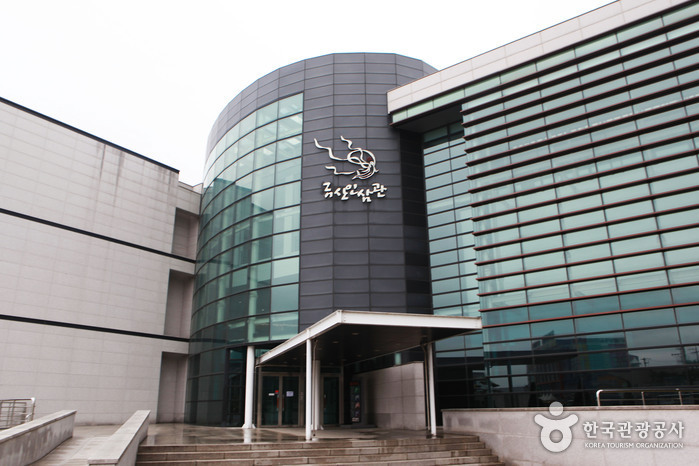
Geumsan Ginseng Museum (금산인삼관)
30 Insamgwangjang-ro, Geumsan-gun, Chungcheongnam-do
Geumsan Ginseng Museum was founded to spread the excellence of Korean (Geumsan) ginseng across the nation and the world. Ginseng cultivation implements and models, efficacy, foods, and other products containing ginseng are on display in this museum. Visitors can also watch ginseng-related videos to gain a better understanding of Korean ginseng.
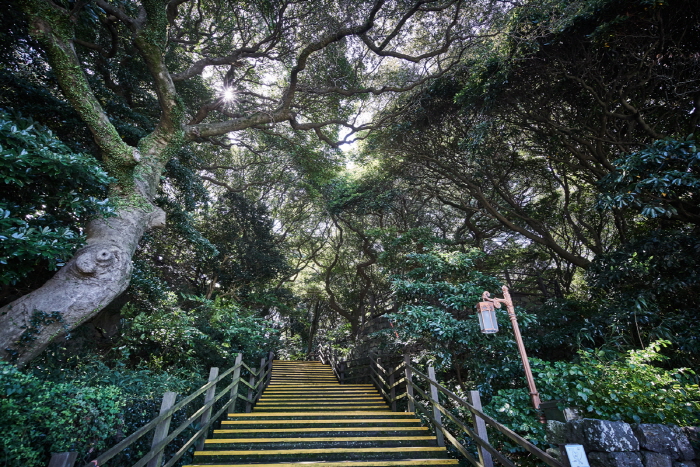
Geumsan Park (Nabeup Subtropical Forest Zone) (금산공원 (납읍난대림지대))
Nabeup-ri, Jeju-si, Jeju-do
Geumsan Park is a dense evergreen forest near a village in Aeweol-eup, Jeju-si. The forest is the sole evergreen forest remaining in the flatlands of western Jeju, and is home to tall evergreens and 60 species of subtropical plants. The forest is preserved and protected as a Natural Monument and a natural resource for academic research. Collecting plants and hunting in the forest are strictly prohibited.
Plan your Korea trip
Korea travel FAQ
How do I use the travel search?
Enter a place or interest, then narrow the results by region, category or sort order.
Will my filters stay selected on the next page?
Yes. Your search and filter choices stay in the page URL while you move through the results.
Can I find directions to each place?
Place pages include an external Google Maps search when coordinates or an address are available.
Source: Korea Tourism Organization, official website (https://knto.or.kr).