TRAVEL IN KOREA
Korea Places to Visit
Find attractions, culture, festivals, stays, restaurants, shopping and travel courses for a clear Korea trip plan.
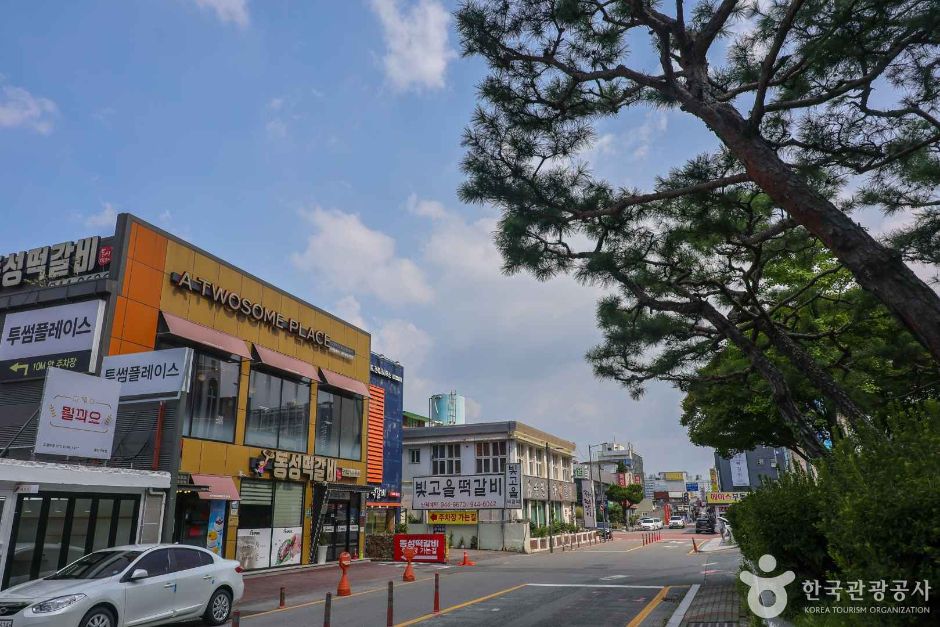
Gwangju Songjeong-dong Tteokgalbi Street (광주 송정동 떡갈비 골목)
Gwangsan-ro 29beon-gil, Gwangsan-gu, Gwangju
Tteokgalbi Street in Gwangju Songjeong-dong is lined with around 20 restaurants specalizing in tteokgalbi (grilled galbi patties). The area is a popular place to eat for locals and tourists alike, with many people visiting both during the week and the weekend. The tteokgalbi here stands out from tteokgalbi found in other regions in a few ways. Most places use 100% beef in the patties, but Songjeong-dong tteokgalbi uses a mix of beef and pork. This change was made in the 90s in order to keep the prices the same during a tough financial season. The restaurants here also serve a bone broth soup with the meal, made from boiling pork bones with kelp and radish for over a long period of time.
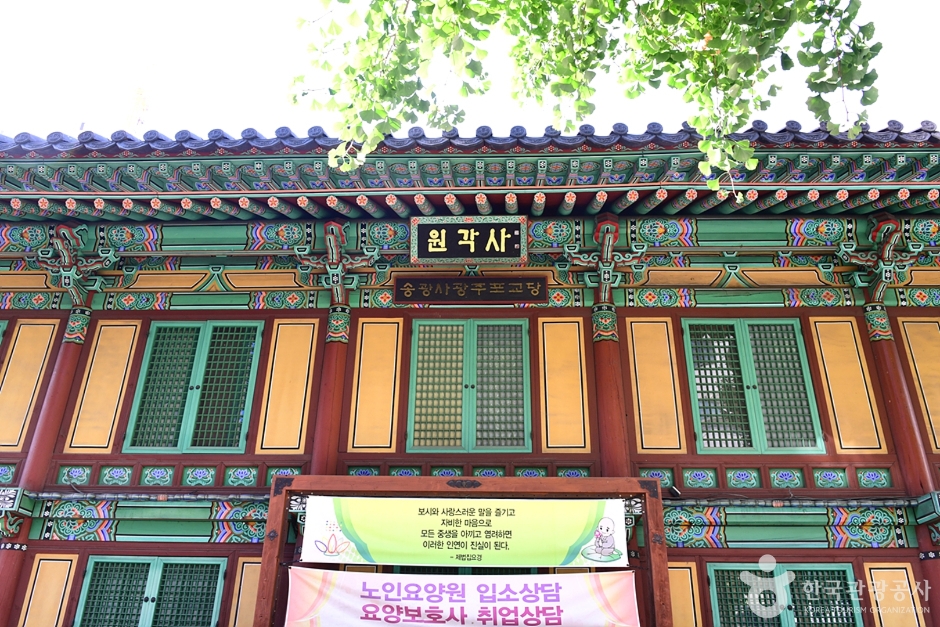
Gwangju Wongaksa Temple (원각사(광주))
197 Jungang-ro, Dong-gu, Gwangju
Gwangju Wongaksa Temple, a branch temple of Suncheon Seonggwangsa Temple, is part of the Jogye order of Korean Buddhism in Gwangju. Bustling with visitors, the temple offers various events, cultural activities, and Buddhist ceremonies for visitors.
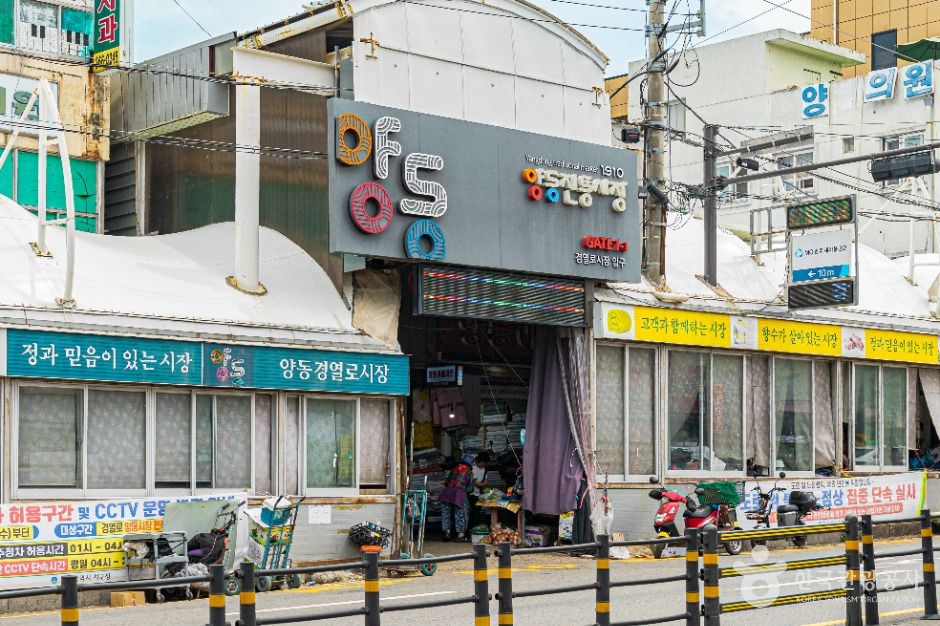
Gwangju Yangdong Market (광주 양동시장)
238 Cheonbyeonjwa-ro, Seo-gu, Gwangju
Yangdong Market started in the 1910s as a traditional market held on dates ending in 2 and 7 of every month on the white sand beach under Gwangjugyo Bridge. The market has a long history and local citizens have many sayings referring to the multitude of items available here. During the May 18th Democratic Uprising, both Yangdong and Daein Markets were a grand venue where the citizens of Gwangju gathered together to rally for democratization of the nation. Merchants of the markets provided food, beverages, and medicine to the protestors and participated in the movement alongside their fellow citizens. Yangdong Market is an outstanding traditional market among all markets throughout the nation. The market has upgraded with the times to include modern conveniences, including a consolidated market logo, online shopping mall, and merchant education classes.
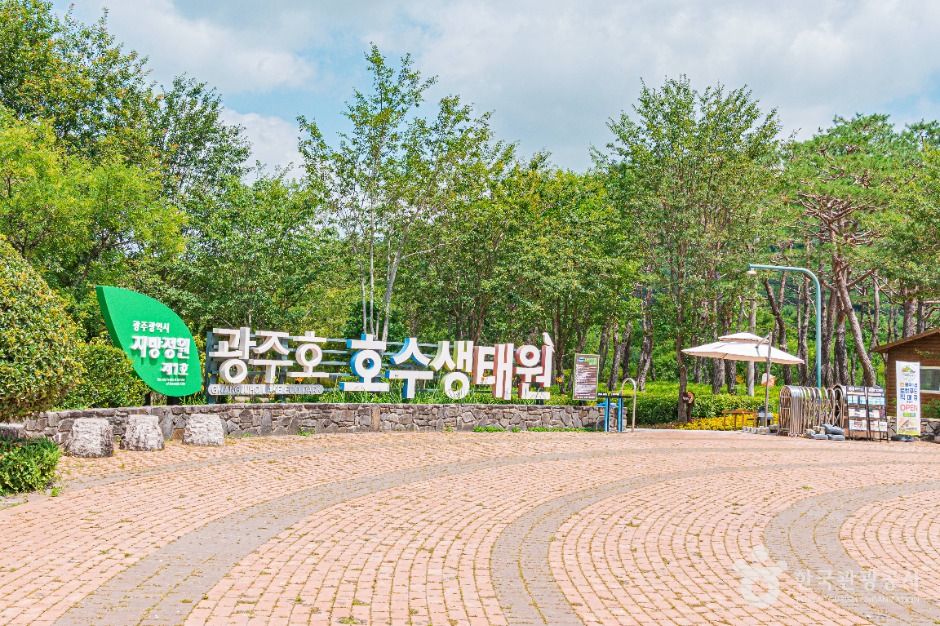
Gwangjuho Lake Eco Park (광주호 호수생태원)
Chunghyo-dong, Buk-gu, Gwangju
Gwangjuho Lake Eco Park is an ecological park located near the banks of Gwangjuho Lake, featuring a Nature Observation Center, Nature Learning Center, Lawn Area, and Waterside Wetland. The park is home to around 170,000 wildflowers and over 3,000 trees, offering opportunities to observe various flora and fauna up close. Visitors can witness diverse birds thriving in the wetlands.
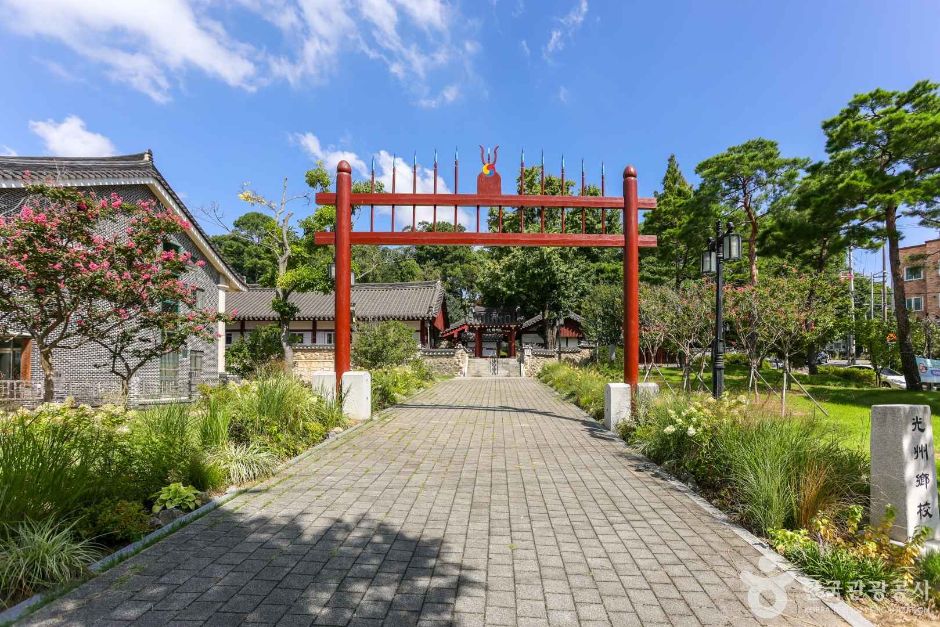
Gwangjuhyanggyo Confucian School (광주향교)
5 Jungang-ro 107beon-gil, Nam-gu, Gwangju-si
Hyanggyo was a national educational institution during the Joseon dynasty, where the tablets of distinguished Confucian scholars were enshrined, and rituals were held in their honor. In spring and fall, it hosts Seokjeon, a ritual honoring Confucius, along with Seodang (traditional Confucian school) experiences and traditional weddings, offering opportunities to immerse in Confucian culture. In summer, crape myrtle flowers bloom, and in fall, the old ginkgo tree turns golden yellow, beautifully contrasting with the traditional Joseon-style hanok architecture.
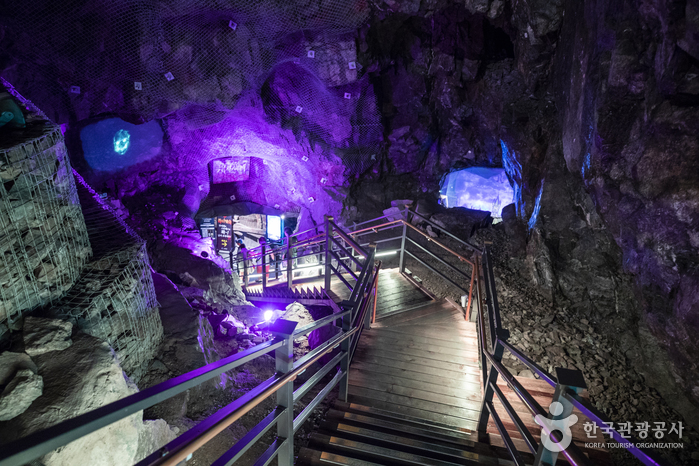
Gwangmyeong Cave (광명 동굴)
142 Gahak-ro 85beon-gil, Gwangmyeong-si, Gyeonggi-do
Gwangmyeong Cave was developed in 1912 during the Japanese colonial period to exploit resources, including gold mines, and continued to be developed for industrial purposes after liberation. After the mine was closed in 1972, it was used as a salted seafood warehouse for about 40 years. Gwangmyeong City purchased the site, reorganized it, and made it available to the public. It is currently recognized as a modern industrial heritage site with high historical value, and is well known as a cave theme park in the metropolitan area. Along with the cave, colorful lights and sculptures create a spectacular sight. Aside from tasting and purchasing Korean wine at the Gwangmyeong Wine Cave, visitors can also see the largest media art piece in Korea at the Lascaux Exhibition Hall, enjoying a more diverse travel experience.
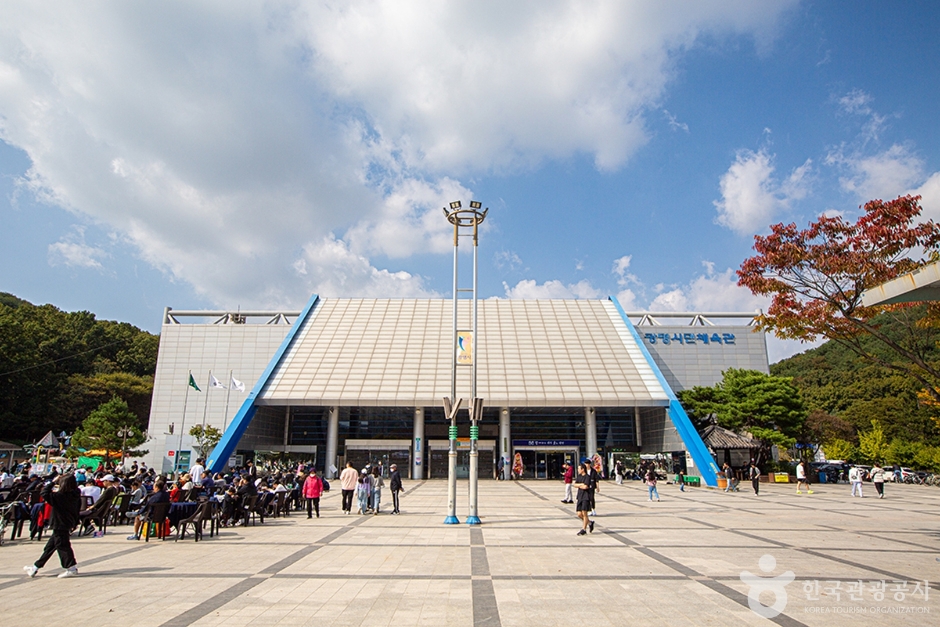
Gwangmyeong Indoor Gymnasium (광명시민체육관)
703 Ori-ro, Gwangmyeong-si, Gyeonggi-do
Gwangmyeong Indoor Gymnasium is a stadium equipped with seating for 3,000 spectators. It houses facilities for physical training, including golf, fitness, and table tennis. The spacious and vibrant lawn plaza immediately draws attention. This complex includes an open art hall for performances, sports facilities like an inline bicycle track and basketball courts, and amenities such as a children's playground and an outdoor water play area. Additionally, it features a 16-meter-high artificial rock-climbing wall.
](https://tong.visitkorea.or.kr/cms/resource/61/4024361_image2_1.jpeg)
Gwangmyeong Pharmacy Mapo Branch [Tax Refund Shop](광명약국 마포점)
1F, 191, Yanghwa-ro, Mapo-gu, Seoul
Gwangmyeong Pharmacy dispenses honestly with the heart of clearing away the darkness of disease and presenting bright health, matching its name which means 'brightness.' We help local residents manage their health with peace of mind through an experienced pharmacist's deep knowledge and kind explanations.
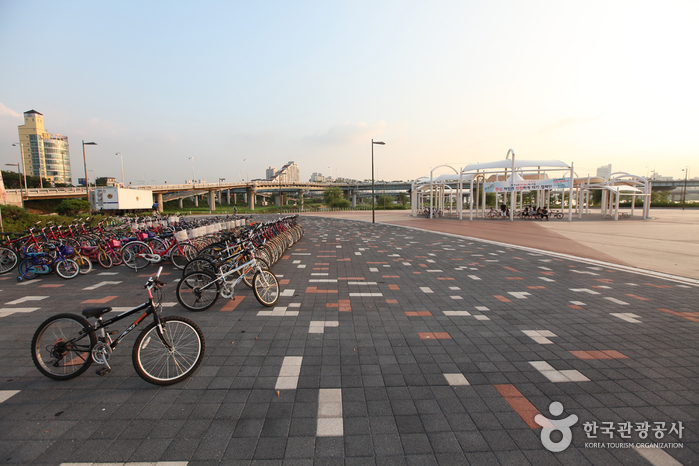
Gwangnaru Hangang Park (광나루한강공원)
83-66, Seonsa-ro, Gangdong-gu, Seoul
Hangang Citizen's Park, composed of 12 areas including Jamsil, Ttukseom and Jamwon, is an eco-friendly park providing areas for sports and leisure. The park is equipped with various cultural and recreational facilities and also has an ecological park. Gwangnaru Hangang Park formed naturally through rich silt that flowed in from the upper Hangang River that was then filled with reeds, creating an ideal habitat for groups of migratory birds.
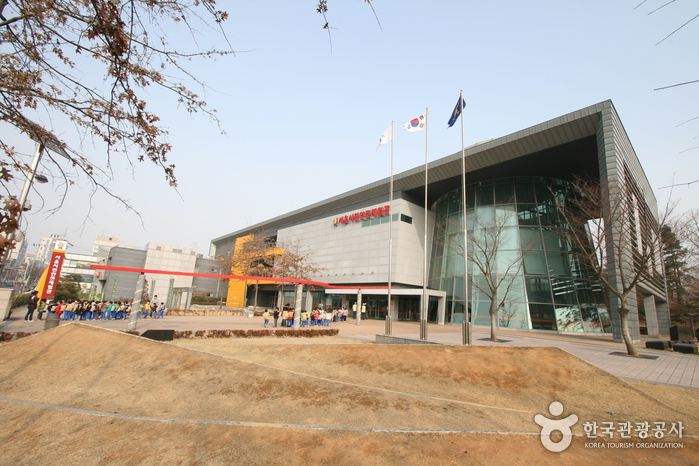
Gwangnaru Safety Experience Center (광나루안전체험관)
238, Neungdong-ro, Gwangjin-gu, Seoul
Gwangnaru Safety Experience Center was founded in 1999 after two fire accidents in which many children lost their lives. These tragedies emphasized the necessity of establishing a disaster training center for common citizens. Gwangnaru Safety Experience Center is a three-story building with one basement floor, covering an area of more than 5,000 m². The basement floor includes a small theater. The first floor is set up for natural disaster training and consists of an orientation hall, storm simulation training room, earthquake simulation room, computer tests on fire safety knowledge and others. The second floor is a place for artificial catastrophe training. It consists of a smoke escape training room, fire extinguisher training room, first-aid (CPR) training room and practice place for calling 119. The third floor is used for rescue training and consists of a rescue training room, screening room, training for professionals and video examples of the five biggest disasters that have occurred in Seoul. Overall there are about 20 training areas established, so citizens can experience the imitation of a disaster by themselves and learn easily and in an interesting way how to cope with a disaster.
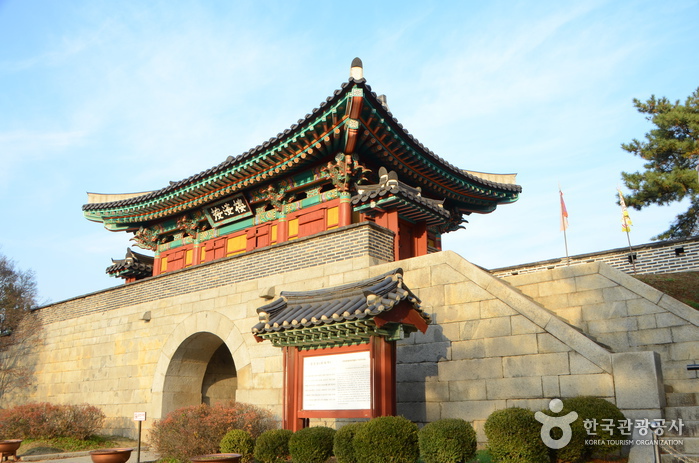
Gwangseongbo Fortress (광성보)
27, Haeandong-ro 466beon-gil, Ganghwa-gun, Incheon
Gwangseongbo Fortress’s outer wall from the Goryeo era was mended in 1618. The fortress was built in 1656 and the outpost was constructed in 1679. It was completely remodeled into a masonry castle with gates in 1745. During Sinmiyangyo (the American invasion in 1871), Gwangseongbo was the fiercest battle ground in Ganghwa. On April 24, 1871, a fleet with 1,230 American naval forces led by Rear Admiral John Rodgers landed on Ganghwado Island to demand the opening of Korea's ports and commerce. The armed forces attacked Chojijin Fortress and Deokjinjin Camp, then marched to Gwangseongbo Fortress, where they engaged in close combat with the warriors of Joseon. Although General Eo Jae-yeon and the other warriors were poorly equipped with far inferior weapons, they bravely fought to the death against the invading forces. The battlefield ruins of the fortress and the gate towers such as Anhaeru, Gwangseongdon, Sondolmokdon, and Yongdudon were repaired in 1977. The twin tombs of General Eo Jae-Yeon and his brother Eo Jae-seon, along with the anonymous tombs of warriors who died on the battlefield were also honorably arranged at the same time. Furthermore, a stone monument commemorating the restoration of Ganghwa Battlefield was erected on Yongdudondae Post. In 1988, an extensive rest area was created toward the shore for visitors’ convenience. Gwangseongbo Fortress is presently designated as Historical Relic No. 227. A religious service known as Gwangseongje is held annually to commemorate the patriotic spirits of General Eo Jae-yeon and other unnamed warriors. This service takes place at 11 a.m. on every April 24th of the lunar calendar.
](https://tong.visitkorea.or.kr/cms/resource/26/4022526_image2_1.jpg)
Gwangsil Pharmacy [Tax Refund Shop](광실약국)
1F, Samseong Plaza Shopping Center, 32, Dohwa-gil, Mapo-gu, Seoul
Gwangsil Pharmacy is a trust-centered pharmacy that practices honest consultations and professional pharmaceutical services for the health of local residents. Based on an accurate dispensing system, we provide medication guidance optimized for each individual patient to aid rapid recovery.
](https://tong.visitkorea.or.kr/cms/resource/96/4045496_image2_1.jpg)
Gwangusa[Tax Refund Shop](광우사)
52-1, Myeongdong 8na-gil, Jung-gu, Seoul
Gwang-usa is a traditional brand that has supplied superior-quality accessories and products to the community based on honesty and credit over a long time. Through reliable quality control and friendly service, we consistently provide necessary values to residents' daily lives.
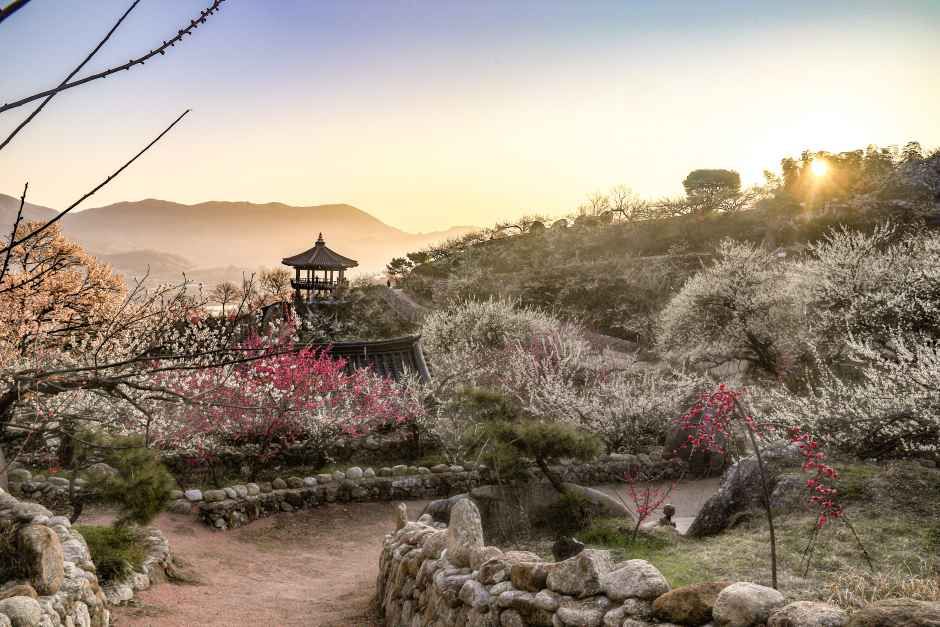
Gwangyang Maehwa Festival (광양 매화축제)
55 Jimak 1-gil, Gwangyang-si, Jeollanam-do
Gwangyang Maehwa Festival takes place next to the Seomjingang River in Gwangyang Maehwa Village, home of the largest number of plum blossom trees in Korea. During the festival period, visitors can enjoy a walk beneath the plum blossoms, and also sample and purchase local organic plum products.
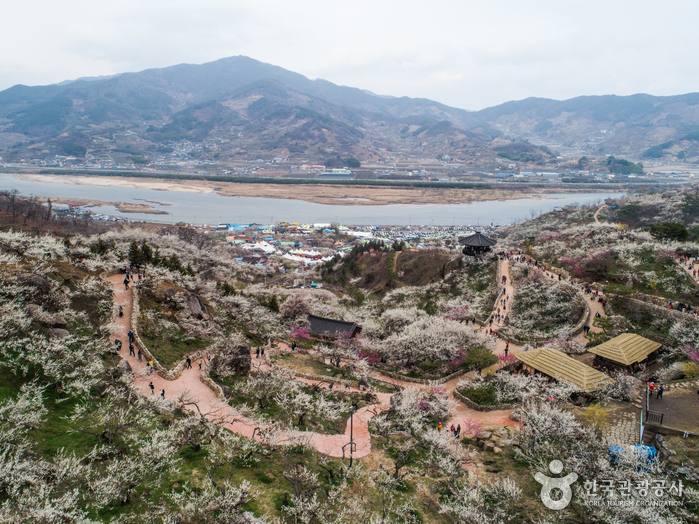
Gwangyang Maehwa Village (광양 매화마을)
1563-1 Seomjingangmaehwa-ro, Gwangyang-si, Jeollanam-do
Following the Seomjingang River flowing down the outskirts of Jirisan Mountain is a village filled with plum trees. This village, Seomjin Village, is also known as the Maehwa (plum) Village for its abundant number of plum trees. Instead of crops and grains, plum trees are cultivated on farmlands, boasting white snow-like blossoms in March and bearing ripe plums in June. The annual Plum Blossom Festival takes place in the village every March when the plum blossoms are in full bloom.
Gwangyang Wine Cave (광양와인동굴)
33 Gangjeong-gil, Gwangyang-eup, Gwangyang-si, Jeollanam-do
Opened in July 2017, the Gwangyang Wine Cave has transformed the historic Gwangyang Steel Cargo Transportation Tunnel into an immersive wine and cultural experience. Spanning 301 meters in length, 4.5 meters in x_width, and 6 meters in x_height, this unique space aims to introduce the world of wine to aficionados and novices alike. Here, visitors can journey through the global wine collections, gradually cultivating a deeper appreciation for this age-old beverage. In addition, the cave delights visitors with its diverse attraction. Visitors can revel in the cozy wine cafeteria, be mesmerized by the dynamic media façade video show, and snap quicky memories at the trick art photo zone. For those keen on hands-on experiences, the art of plum wine-making plum awaits. And for the perfect memento, an exclusive space offers Gwangyang's special products for purchase. Gwangyang Wine Cave also manages Gwangyang Eco Park, situated on the left side of the wine cave entrance after parking. This park offers a space where children can immerse themselves in media ecology, sparking their imagination and creativity. The experience center is designed for year-round enjoyment, maintaining a temperature suited for all four seasons.
Plan your Korea trip
Korea travel FAQ
How do I use the travel search?
Enter a place or interest, then narrow the results by region, category or sort order.
Will my filters stay selected on the next page?
Yes. Your search and filter choices stay in the page URL while you move through the results.
Can I find directions to each place?
Place pages include an external Google Maps search when coordinates or an address are available.
Source: Korea Tourism Organization, official website (https://knto.or.kr).