TRAVEL IN KOREA
Korea Places to Visit
Find attractions, culture, festivals, stays, restaurants, shopping and travel courses for a clear Korea trip plan.
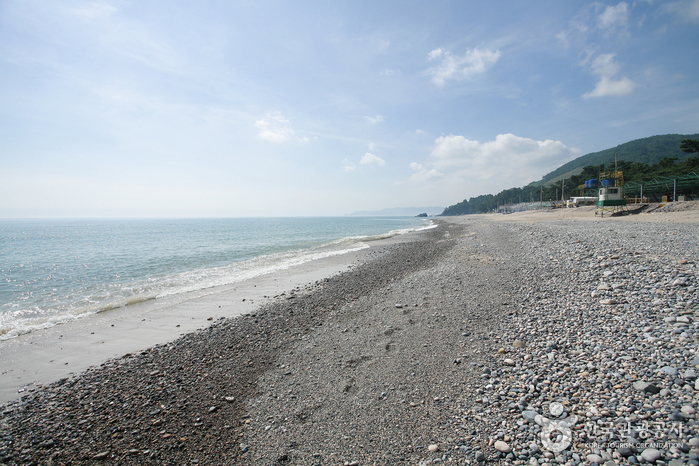
Gwanseong Solbat Beach (관성솔밭해변)
68-24, Yangnam-ro, Gyeongju-si, Gyeongsangbuk-do
Gwanseong Solbat Beach, formerly Gwanseong Beach, is known for its extremely clean waters, and the connecting pine grove creates a gorgeous semi-circle shape. Nearby in Sindae-ri, Yangnam-myeon is Kolon Garden Golf Club, allowing visitors to enjoy many other leisure activities in the area. The driving course along the coastal road is also popular among visitors.

Gwibigo (Yeonorang Seonyeo Theme Park) (연오랑세오녀테마공원 귀비고)
3012 Homi-ro, Donghae-myeon, Nam-gu, Pohang-si, Gyeongsangbuk-do
The legend of Yeonorang and Seonyo, a cornerstone of Pohang’s folklore, stands as Korea’s most significant solar and lunar myth. The tale tells of a devoted couple whose departure from the ancient Silla Kingdom for Japan caused the sun and moon to lose their light, plunging the land into darkness. According to the myth, the light was restored only after a ritual was performed using silk woven by Seonyo. Today, this story is preserved at Gywibigo, an exhibition hall located within the Yeonorang Seonyo Theme Park. The facility functions as a cultural space that combines regional storytelling with modern technology, featuring dedicated areas for animations, VR, and media exhibits. Through various educational programs and special exhibitions, the center provides visitors with an accessible way to explore the historical and aesthetic significance of this ancient narrative.
](https://tong.visitkorea.or.kr/cms/resource/39/4019939_image2_1.jpg)
Gwigeumdang - Renecite Branch [Tax Refund Shop](귀금당 르네시떼)
1F, 7, Gwangjang-ro, Sasang-gu, Busan
Gwigumdang is a jewelry brand that crafts precious metals of unchanging value based on long tradition and craftsmanship. It brightens a customer's precious anniversaries more beautifully through exquisite craftsmanship and reliable quality gold and gemstone products.
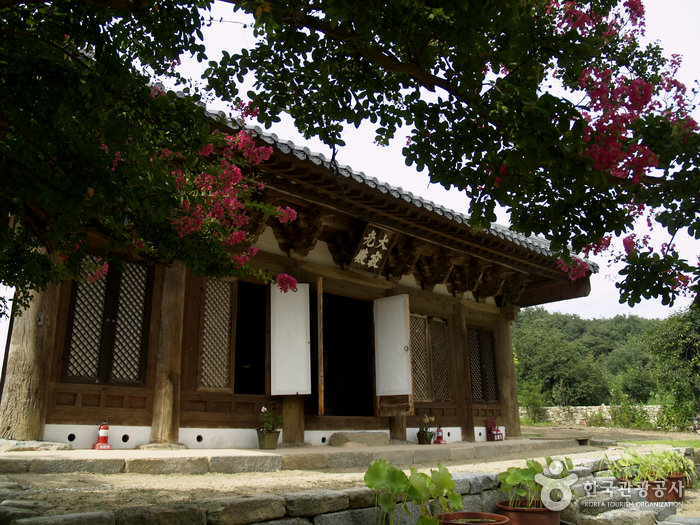
Gwisinsa Temple - Gimje (귀신사 - 김제)
40, Cheongdo 6-gil, Gimje-si, Jeonbuk-do
Gwisinsa, located in Cheongdo Village, Geumsan-myeon, Gimje-si, is now a temple of the Jogye Order, but once belonged to the Haweom Order. The temple is widely believed to have been established by the great monk Uisang Daesa during the 16th year of King Munmu (676). However, some experts site the existence of the Namgeunseok stone animal sculpture as proof that the temple was originally the private temple of King Beop of the Baekje Kingdom. Throughout history, the temple has had many names—Guksinsa, Gwisinsa, Gusunsa, and Gwisinsa (same English spelling, different meaning)—but not much is known about when the temple was called by which name. On the temple grounds are a 3-story stone pagoda and some stone sculptures including seoksu (animal statues) and budo (a stupa in honor of a great master). Inside the temple are Daejeokgwangjeon Hall (Treasure No.826), Myeongbujeon Hall, and Gongyangjib Chamber (a chamber for Buddhist offerings).
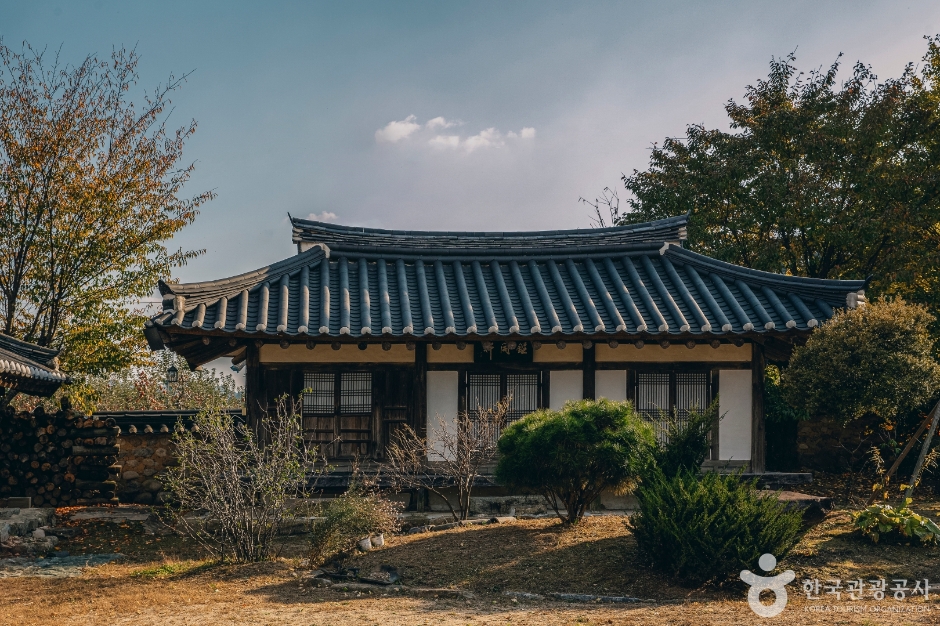
Gwonjinsadaek House (권진사댁)
39 , Nakcheondang-gil, Bonghwa-gun, Gyeongsangbuk-do
Gwonjinsadaek House is a magnificent historic house with a history of more than 130 years, also known as Seongam House located in Chunyang-myeon, Bonghwa-gun, Gyeongsangnam-do. The first thing you notice as you walk inside past the tall gate is the sarangchae (detached building). There four guest rooms, Keun Sarangbang (large room), Jakeun Sarangbang (small room), Saesarangbang (new study room), and Jungbang (medium-sized room), all of which are ondol (underfloor heated) rooms except for Keun Sarangbang. There are no showers, toilets, or cooking facilities inside the rooms. Breakfast is not provided, but rice cakes and tea are complimentary. Nearby tourist attractions include the Mansan House and the East and West Three-Story Stone Pagodas in Seodong-ri, Bonghwa.
Gyejoksan Red Clay Trail (계족산 황톳길)
San 85, Jang-dong, Daedeok-gu, Daejeon
Gyejoksan Red Clay Trail opened in 2006 as the nation's first eco-healing barefoot walking trail. Walking along this 14.5-kilometer-long trail filled with the fresh aroma of pine needles is a great way to get healthy. The Gyejoksan Mountain Barefoot Festa takes place every year in May and additional weekend programs are available from April to October. Visitors can also enjoy a view of downtown Daejeon from Gyejoksanseong Fortress, which was built during the time of the Three Kingdoms.
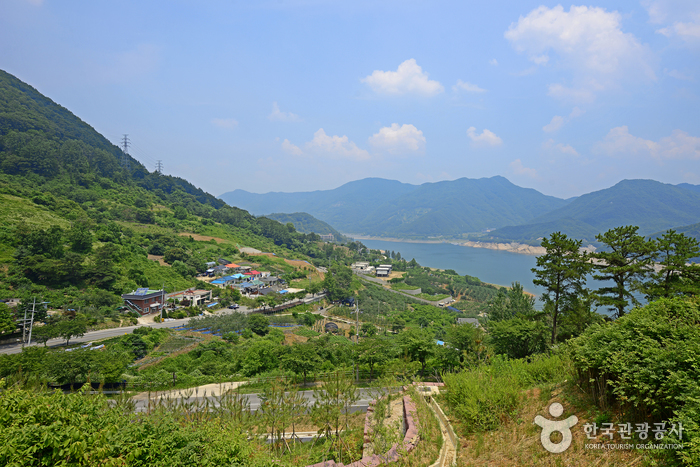
Gyemyeongsan Recreational Forest (계명산자연휴양림)
1170, Chungjuhosu-ro, Chungju-si, Chungcheongbuk-do
Gyemyeongsan Recreational Forest is located on Gyemyeongsan Mountain, part of the Sobaeksan Mountain Range, and has outstanding views of Chungjugho Lake. Although the park is small in size, the recreational forest provides a peaceful and relaxing getaway with lush pine tree forest along with diverse animals and plants. The trees are great for forest bathing, and are beautiful in autumn when the leaves turn crimson. <BR> Nearby attractions include Suanbo Hot Springs, Songnisan Mountain, Eight Sights of Danyang, and Chungjuho Lake. The park also has log cabins, providing a unique type of accommodation.
Gyeokpo Beach (격포해변)
29-14, Byeonsanhaebyeon-ro, Buan-gun, Jeonbuk-do
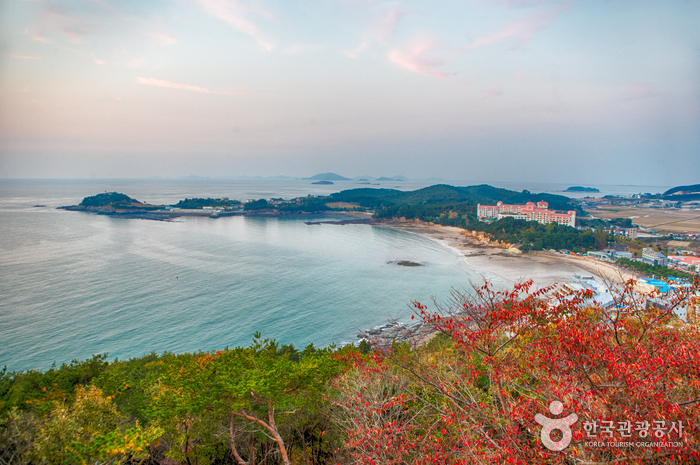
Gyeokpo Beach, located near Chaeseokgang River, is also called Chaeseokgang Beach. The beach is more famous for the view of Chaeseokgang River and the sunset over the west sea. The beach get popular in summer, full of visitors enjoying the scenery and water activities. Known for its clear waters and gentle slope, the 500 meter long white sand beach is especially popular among families. The pine forest around the beach provides a perfect rest area for those looking for a shade. There are also many accommodations and restaurants nearby.
Gyeokpo Port (격포항)
788-15, Gyeokpo-ri, Byeonsan-myeon, Buan-gun, Jeonbuk-do
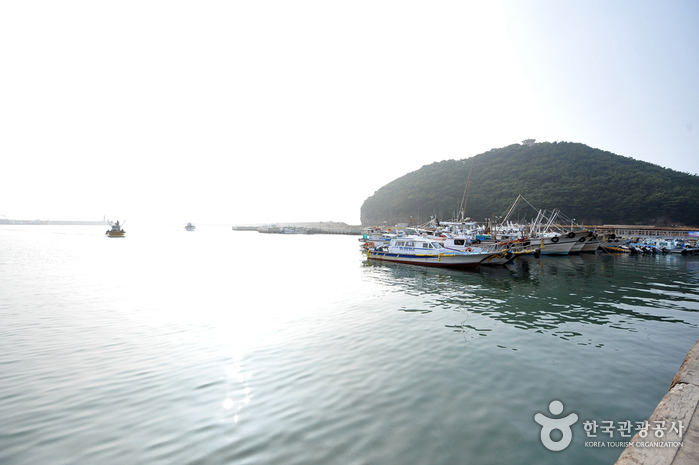
Gyeokpo Port is an important transit point for maritime transportation between the islands of the West Sea, such as Wido Island, Gogunsan Islands, and Hongdo Island. As a fishing port, it is known as the place through which delicious seafood from the clean waters of the West Sea arrives on land. This reputation is evident in the huge crowds of gourmands and tourists who flock to the port for webfoot octopus in spring and gizzard shad in fall. The port hauls large catches of webfoot octopus, cuttlefish, blue crab, monkfish, rockfish, spotty belly greenling, flatfish, gizzard shad, clam, and shellfish, which can be enjoyed in many seafood restaurants near the port. Gyeokpo Port is also known for its beautiful view of the sunset.

Gyeongam-dong Railroad Village (경암동 철길마을)
14 Gyeongchon 4-gil, Gunsan-si, Jeonbuk-do
Gyeongam-dong Railway Village is a retro-themed attraction built around a 2.5-kilometer railway in Gyeongam-dong, Gunsan, originally constructed in 1944 during the Japanese occupation to transport paper materials. A residential area gradually formed along the tracks and was fully developed by the 1970s. Although trains no longer run, the railway has been preserved as a cultural tourism site. Today, the village recreates the atmosphere of the 1970s and 1980s. Old houses and shops line the tracks, and vendors sell nostalgic Korean snacks such as dalgona candy. Visitors can also rent vintage-style school uniforms for photos, making it a popular destination for those seeking a retro Korean experience.
Gyeongbokgung Palace (경복궁)
161 Sajik-ro, Jongno-gu, Seoul
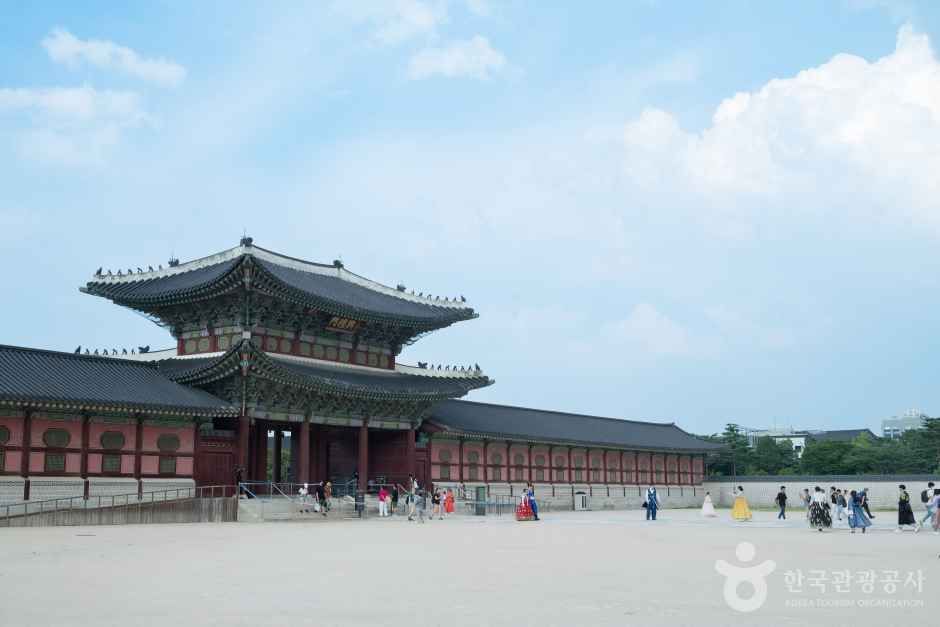
Gyeongbokgung Palace was built in 1395 as the official palace of the Joseon dynasty by Yi Seong-gye, the future King Taejo and founder of the new regime. Gyeongbokgung Palace is commonly referred to as the Northern Palace because of its location to the north, comparied to Changdeokgung Palace in the east and Gyeonghuigung Palace in the west. Gyeongbokgung Palace is arguably the most beautiful and is the largest of all five palaces. Many Joseon kings were crowned here. The premises were once destroyed by fire during the Imjin War (1592-1598). However, all of the palace buildings were later restored under the leadership of Heungseondaewongun during the reign of King Gojong. The assassination of Empress Myeongseong, however, resulted in Gyeongbokgung Palace losing its function as a royal palace, eventually witnessing the downfall of the Joseon dynasty. Gyeongbokgung Palace retains the original Gyeonghoeru Pavilion, a prime example of Joseon architecture, and the Hyangwonjeong Pavilion and pond. The sculptures in the Geunjeongjeon Hall exemplify Joseon-era sculpture techniques. The west side of the area outside Heungnyemun Gate is occupied by the National Palace Museum of Korea, while the eastern side of Hyangwonjeong Pavilion within the Gyeongbokgung Palace is occupied by the National Folk Museum of Korea.
Gyeongbuk Millennium Forest Garden (경북천년숲정원)
366-4 Tongil-ro, Gyeongju-si, Gyeongsangbuk-do
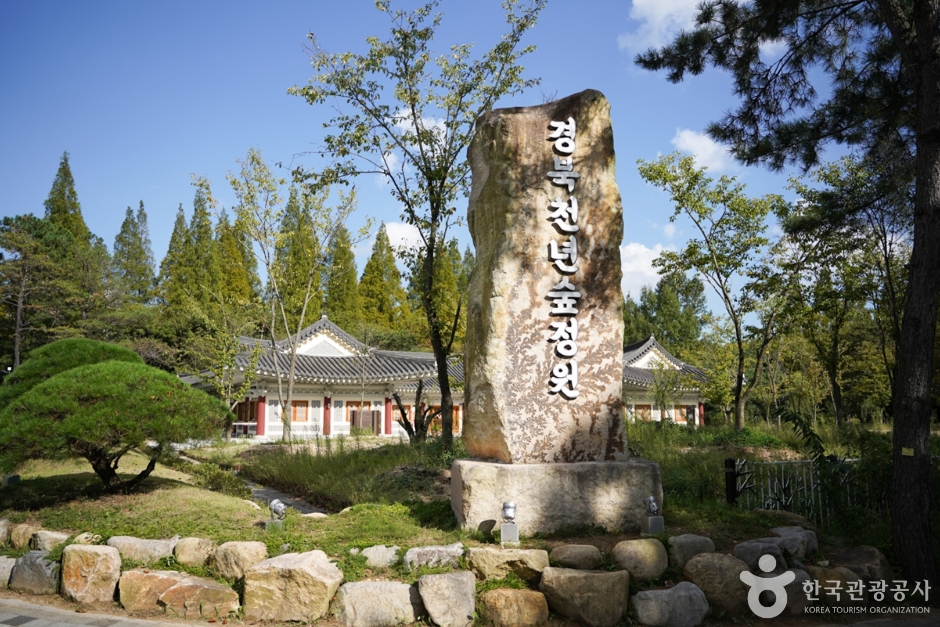
Located at the foot of Namdongsan Mountain in Gyeongju, the Gyeongbuk Millennium Forest Garden, a part of Gyeongsangbuk-do Forest Environment Research Institute, was officially opened to the public in 2023. It boast a variety of plants and flowers, with different species in each zone. Visitors can enjoy beautiful seasonal changes of diverse plants. The descriptions provided to explain each plant’s unique characteristics create a fun learning environment for kids, making it a perfect destination for a family trip. ◎ Travel information to meet Hallyu’s charm - TV series"Kang Deok-soon's Love History" This garden is the place where Deoksun breaks down and cries on a log bridge, overcome with her feelings about Seok-Sam and her parents. The area around the log bridge, which appeared in the show as a laundry site, is a famous photo spot.
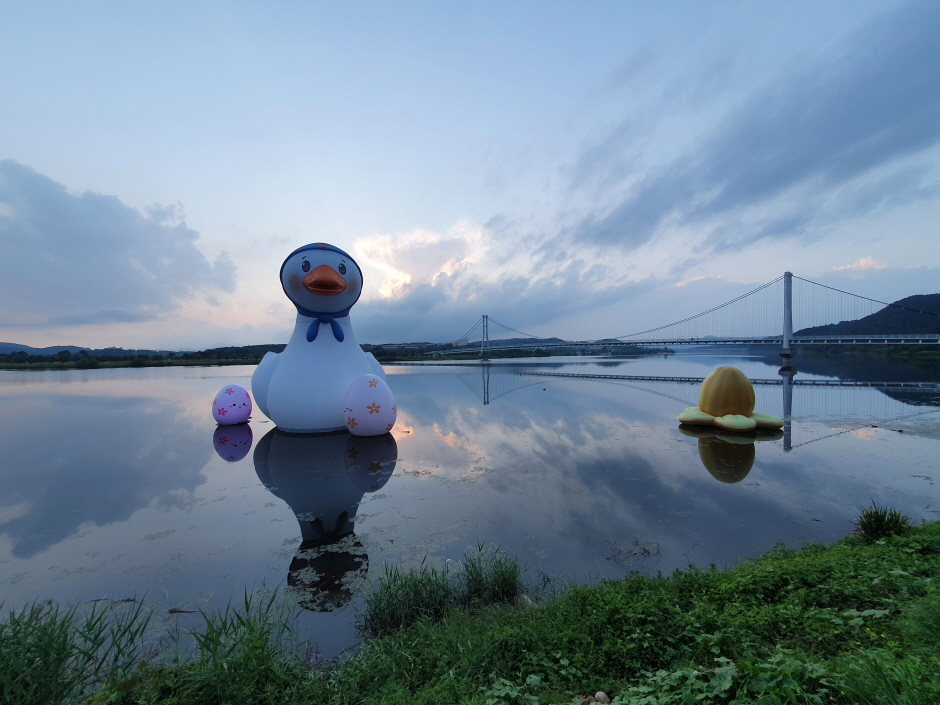
Gyeongcheonseom Island (Gyeongcheonseom Park) (경천섬(경천섬공원))
968-1 Osang-ri, Jungdong-myeon, Sangju-si, Gyeongsangbuk-do
◎ Travel information to meet Hallyu’s charm – TV series "Castaway Diva" Gyeongcheonseom Island served as the backdrop for the fictional Piljido Island, where Mok-ha stayed for 15 years, along with Hwanguchi Coast in Jeju. It is famous for its natural scenery of the Nakdonggang River, which harmonizes with the cliffs of Bibongsan Mountain. Following in Mok-ha’s footsteps to reach the Hak Observatory overlooking Gyeongcheonseom Island, you may find that the worries in your heart start to fade away.
Gyeongdo Hoegwan Main Branch (경도회관 본점)
전라남도 여수시 대경도길 2-2
This pike eel restaurant on Gyeongdo Island is said to be the first place in Korea to offer gaetjangeo shabu-shabu. It is located at the entrance to Gyeongdo Quay at Oedong Village, and you can enjoy a panoramic view of Yeosu as you dine. The restaurant serves pike eel dishes made with pike eel caught by the owner, and from late April to early November, it serves gaetjangeo shabu-shabu, also known as “hamo yubiki.”
Gyeongdo Hoegwan Yeocheon Branch (경도회관 여천점)
23 Sicheongseo 3-gil, Yeosu-si, Jeollanam-do
If entering Gyeongdo Island on a ferry is not an option, you can dine here instead. The restaurant serves the same pike eel dishes as the one served at Gyeongdo Hoegwan Main Branch. It also has private rooms, so this restaurant is ideal if you visit with a group or want to dine in a quiet ambience.

Gyeonggi Ceramics Biennale (경기도자비엔날레)
263 Gyeongchung-daero 2697beon-gil, Icheon-si, Gyeonggi-do
The Gyeonggi Ceramics Biennale features a range of exhibitions and educational events. The event takes place at various locations in Korea famous for ceramics, including Icheon, Yeoju, and Gwangju.
Plan your Korea trip
Korea travel FAQ
How do I use the travel search?
Enter a place or interest, then narrow the results by region, category or sort order.
Will my filters stay selected on the next page?
Yes. Your search and filter choices stay in the page URL while you move through the results.
Can I find directions to each place?
Place pages include an external Google Maps search when coordinates or an address are available.
Source: Korea Tourism Organization, official website (https://knto.or.kr).