TRAVEL IN KOREA
Korea Places to Visit
Find attractions, culture, festivals, stays, restaurants, shopping and travel courses for a clear Korea trip plan.
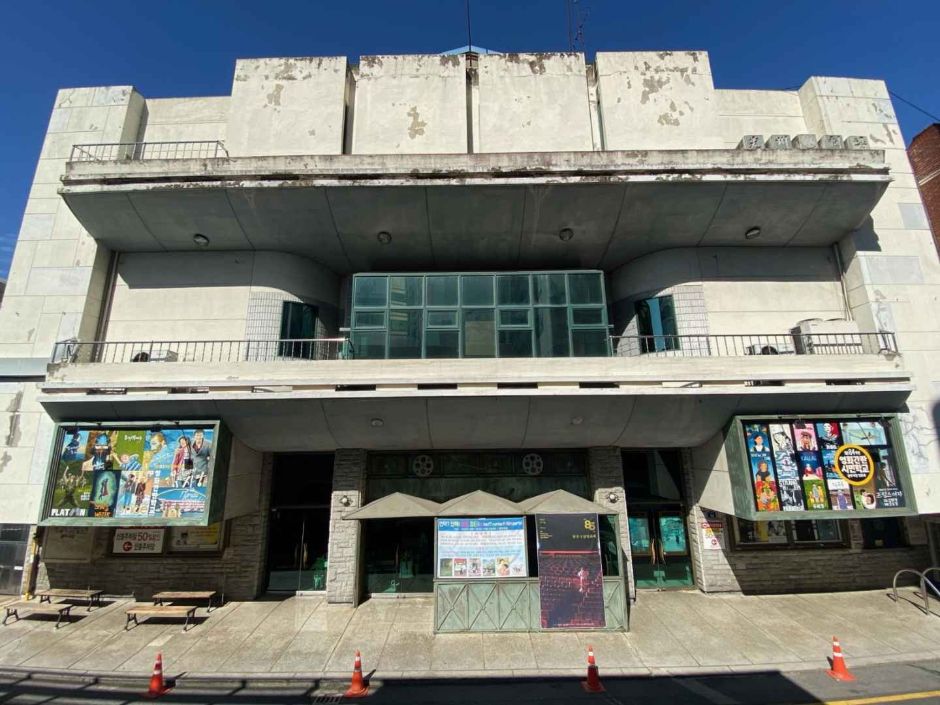
Gwangju Cinema (광주극장)
10 Chungjang-ro 46beon-gil, Dong-gu, Gwangju
Gwangju Cinema opened in 1935 as an artistic and independent film theater and is the sole single-screen cinema to operate in Korea. In the past, the cinema mainly focused on Korean-focused productions such as pansori, but also screen Japanese films to increase business.
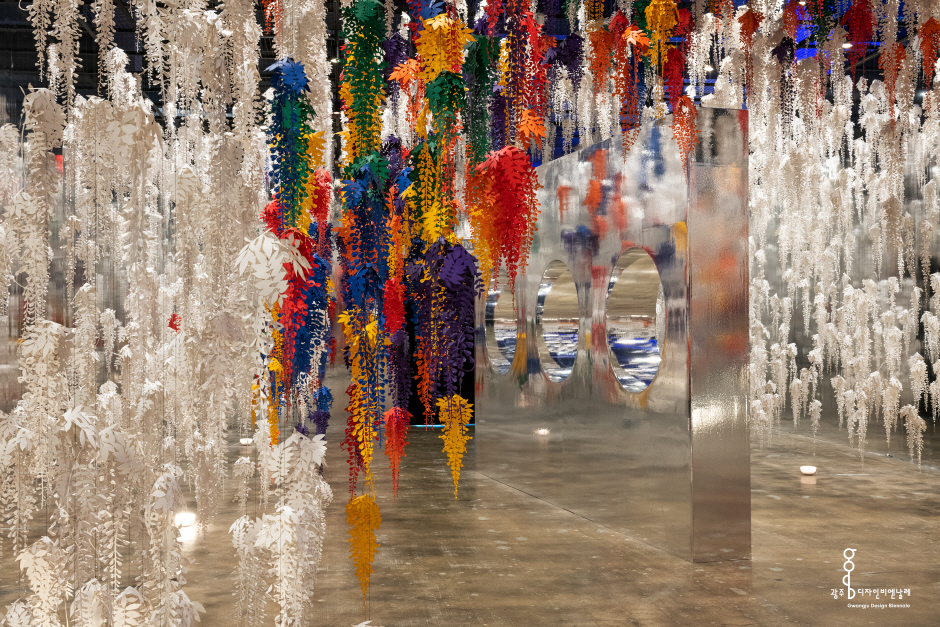
Gwangju Design Biennale (광주디자인비엔날레)
111 Biennale-ro, Buk-gu, Gwangju
The Gwangju Design Biennale is the world’s first design biennale and currently Asia’s only design biennale. With exhibitions centered on the concept of design, the biennale combines the industrial aspect of design with cultural elements.
Gwangju Family Land (광주 패밀리랜드)
677, Uchi-ro, Buk-gu, Gwangju
Gwangju Family Land is an amusement park equipped with dozens of exciting rides as well as recreational facilities such as a swimming pool, an ice rink, and a sledge park. Spanning 290 acres of land, it is the largest urban amusement park in all of Jeollabuk-do and Jeollanam-do Provinces. The amusement park also offers entertainment courses designed for couples, families and children.
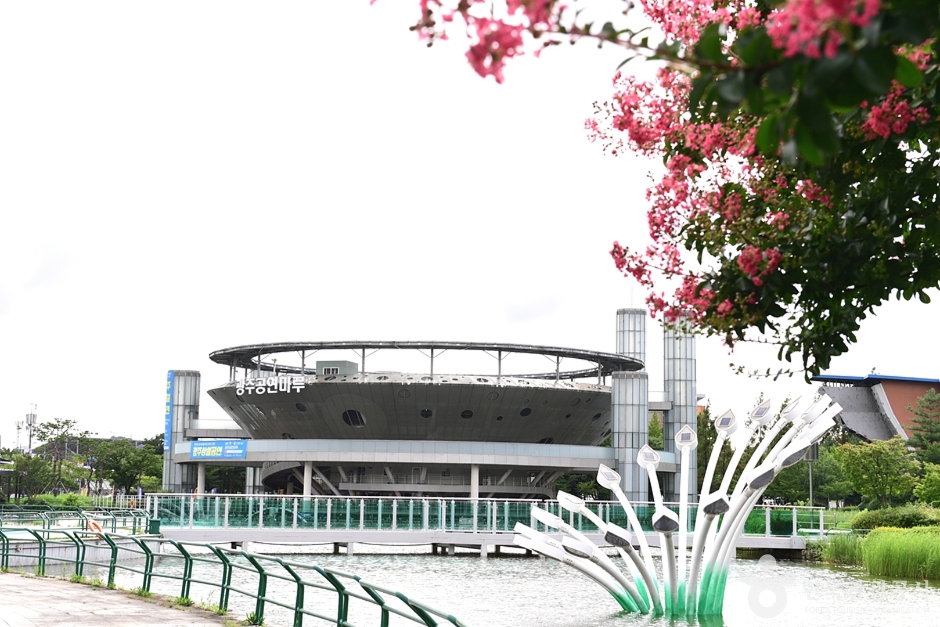
Gwangju Gongyeon Maru (광주광역시공연마루)
3 Sangmusimin-ro, Seo-gu, Gwangju
Gwangju Gongyeon Maru (Performance Maru) was the performance hall that was used during the World Photonics Expo 2010 Gwangju. After the Expo, the performance hall continued to host various events and performances. After becoming an official performance hall in 2014, it became a permanent performance hall of Gwangju in 2018 after a renovation.
Gwangju Gonjiam Ceramic Park (광주 곤지암도자공원)
727, Gyeongchung-daero, Gwangju-si, Gyeonggi-do
Located in Sam-ri, Gwangju in Gyeonggi-do, Gwangju Gonjiam Ceramic Park is largely comprised of a historic site from the Old Stone Age Era. This site was where porcelain was made and sold to the royal palace during the Joseon period. The park spans an area of over 6,611 ㎡, consisting of a sculpture park, ceramic shopping mall, cultural hall, performance hall, the Old Stone Age experiential madang, Jungang Lake Square, and other facilities that all visitors can freely enjoy within the park. Mosaic Park, built based on art works regarding ceramics, and Gyeonggi Ceramic Museum, exhibiting art pieces in sequential order, are the venues for various hands-on programs as well as food culture, outdoor, performances, events and other programs taking place all year round. The park features a multicultural complex that meets every need in tradition, culture, art, education, play, resting and others.
![Gwangju IAM Guest House [Korea Quality] / 아이엠게스트하우스 [한국관광 품질인증]](http://tong.visitkorea.or.kr/cms/resource/52/2017452_image2_1.JPG)
Gwangju IAM Guest House [Korea Quality] / 아이엠게스트하우스 [한국관광 품질인증]
23 , Gyeongyang-ro 165beon-gil, Buk-gu, Gwangju
The cozy and clean I Am Guesthouse in Gwangju, Jeollanam-do, stands right opposite Gwangju station. The guesthouse offers free Korean breakfast and brunch, there’s a personal locker for valuables and a powder room for female travelers. The location is convenient for sightseeing, with Mudeungsan Mountain nearby, and visitors can taste tteokgalbi and other delights of Namdo cuisine in local restaurants.
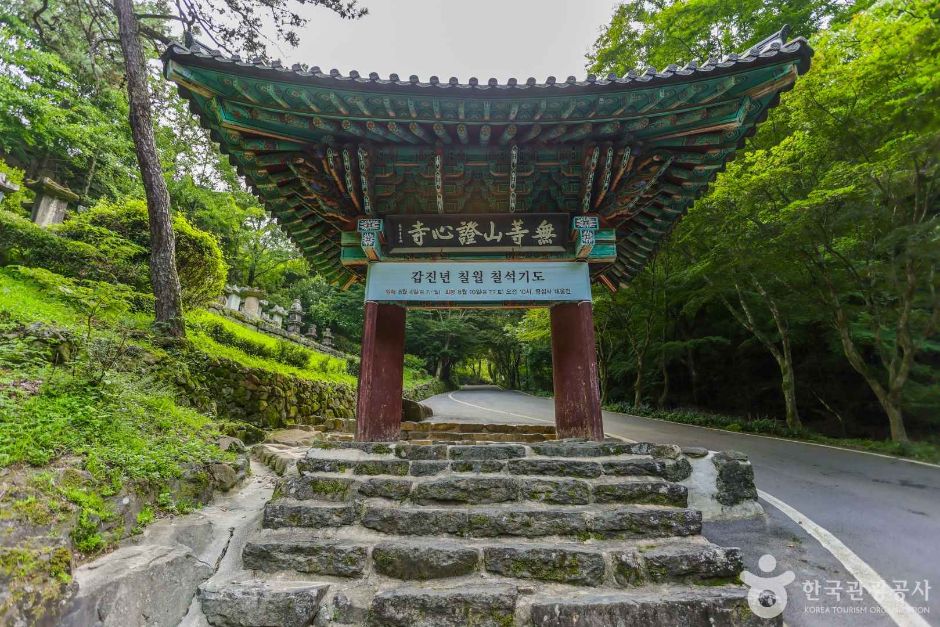
Gwangju Jeungsimsa Temple (증심사(광주))
177 Jeungsimsa-gil, Dong-gu, Gwangju
Located on the western foothills of Mudeungsan Mountain, Jeungsimsa Temple is a representative temple of Gwangju. First founded by Buddhist monk Cheolgamseonsa Do Yun during the Silla dynasty, the temple was re by Buddhist monk Hyesoguksa in 1094 (Goryeo dynasty) and again by Kim Bang in 1443 (Joseon dynasty). The temple was burned down during the Imjin War and was reconstructed in 1609 by three Buddhist monks: Seokgyeong, Sujang, and Dogwang. It underwent several additional restorations before being destroyed again by fire during the Korean War. Most of the existing buildings, including Daeungjeon Halll (main temple building), were rebuilt in the 1970s.
Gwangju KIA Champions Field (광주-기아 챔피언스 필드)
10 Seorim-ro, Buk-gu, Gwangju
Gwangju KIA Champions Field is the first open-air stadium in the country and houses INC COFFEE, making it a must-visit attraction for baseball fans. The café offers spacious seating and various bakery items– with the baseball-shaped bread being the most popular. There is also a photo zone, allowing visitors to capture the memories of their trip. With a seating capacity of 20,500, tickets for the seats can be purchased online or on-site.

Gwangju Kimchi Festival (광주김치축제)
111 Naebang-ro, Seo-gu, Gwangju
*The information below is based on the 2025 festivals. Details for the 2026 festivals will be updated as they become available.*The Gwangju Kimchi Festival is Korea’s representative kimchi festival, offering a variety of kimchi products for purchase and the chance to taste various kimchi dishes. Highlights include the “Thousand People’s Table” featuring diverse kimchi cuisine, a competition to discover kimchi masters, and a kimchi experience school with a range of engaging programs.
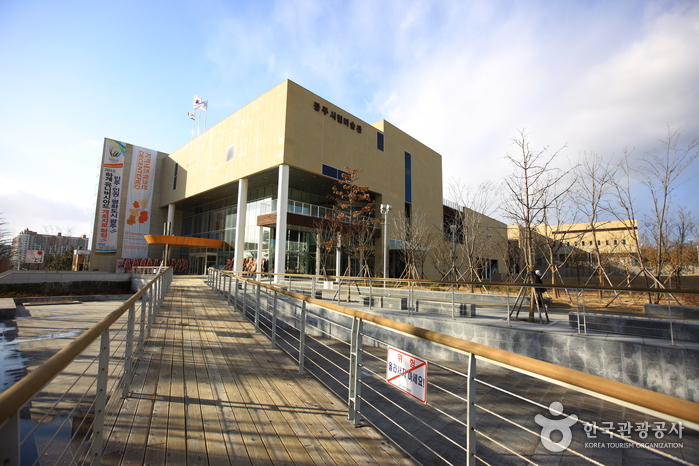
Gwangju Museum of Art (광주시립미술관)
52, Haseo-ro, Buk-gu, Gwangju
The Gwangju Museum of Art was founded on August 1, 1992, to promote local artists. In 1996, it served as the venue for the Gwangju Biennale. The museum holds over 560 works, including those from Heo Baekryeon, Oh Jiho, Yang Su-ah, and Im Jik-sun, all local artists. In addition to the permanent exhibitions, the museum also has special planned exhibitions and other cultural programs.

Gwangju National Museum (국립광주박물관)
110 Haseo-ro, Buk-gu, Gwangju
Gwangju National Museum, opened on December 6, 1978, was established to promote the development of cultural arts and to foster patriotism. Gwangju National Museum’s goal is to conserve cultural values through the collection and preservation of historical and valuable artifacts found in the Gwangju and Jeollanam-do regions as well as make contributions to the community through continuous research, exhibition, and education. With over 160,000 artifacts as well as various educational and experience programs, the museum aims to provide an enjoyable cultural center for visitors.
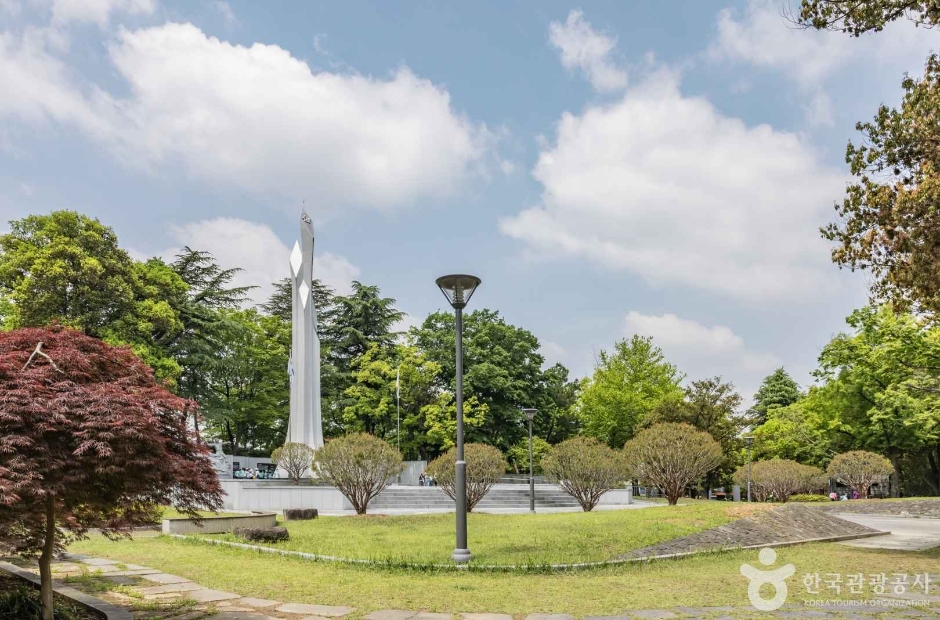
Gwangju Park (광주공원)
15 Jungang-ro 107beon-gil, Nam-gu, Gwangju
Gwangju Park, an urban Park in Gwangju, is a popular recreational spot among residents. Home to a memorial tower honoring the victims of the April 19 Revolution, Gwangju Municipal Museum, and a citizens’ hall, the park is a space where traditions and modernity coexist. Filled with trees and flower plants, it boasts beautiful scenery, especially in April, when cherry blossoms adorn the park. Nearby attractions include Gwangju Sajik Park, Asia Culture Center, and Gwangju Yangdong Market, with a stream flowing in front of the park.
](https://tong.visitkorea.or.kr/cms/resource/07/4043207_image2_1.jpg)
Gwangju Pharmacy [Tax Refund Shop](광주약국)
1F, 45, Toegye-ro, Jung-gu, Seoul
Gwangju Pharmacy is a trusted pharmacy that provides honest and professional pharmaceutical services based on a deep affection for the local community. We contribute to the health promotion of neighbors by sharing rich pharmaceutical knowledge and meticulous prescription preparation systems.
](https://tong.visitkorea.or.kr/cms/resource/86/4022786_image2_1.jpeg)
Gwangju Pharmacy Toegye-ro Branch [Tax Refund Shop](광주약국 퇴계로점)
1F, 45, Toegye-ro, Jung-gu, Seoul
Gwangju Pharmacy is a trusted pharmacy that provides honest and professional pharmaceutical services based on a deep affection for the local community. We contribute to the health promotion of neighbors by sharing rich pharmaceutical knowledge and meticulous prescription preparation systems.
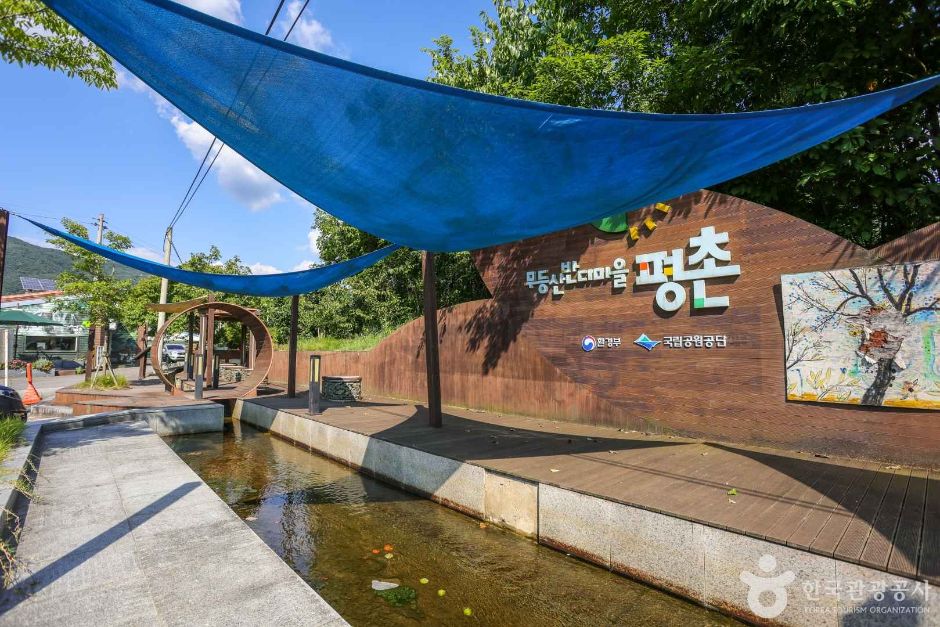
Gwangju Pyeongchon Village (광주 평촌마을)
15 Pyeongchon-gil, Buk-gu, Gwangju
Gwangju Pyeongchon Village, located north of Mudeungsan Mountain, is a cozy farming village made up of four villages Dongrim, Daman, Woosung, and Dangmoe. The village still has an excellence natural preservation, growing environmental-friendly rice in the fields and Punamcheon stream that runs through the middle of the village is home to fireflies and otters. The village also keeps the tradition of making pottery as the village was the place that made grayish-blue-powdered celadon during the Joseon dynasty. The village street corner offers visitors to Mudeungsan Mountain a place to rest with Mudol-gil shelter and Bandi lodging.
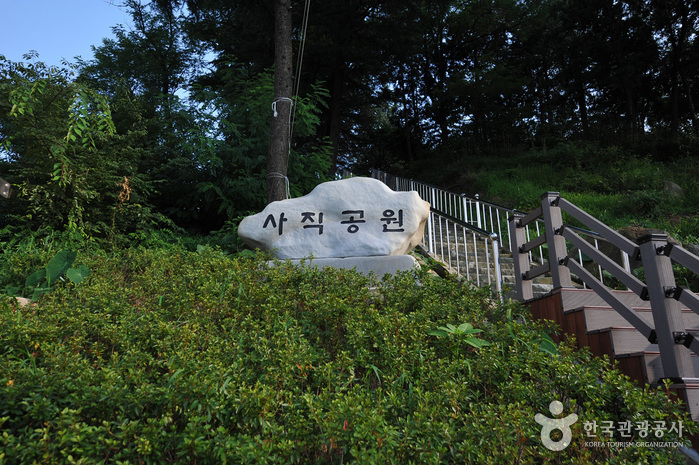
Gwangju Sajik Park (사직공원 (광주))
49, Sajik-gil, Nam-gu, Gwangju
Sajik Park is located at the previous site of Sajikdan Altar, a ritual site to pray for peace and prosperity during the Three Kingdoms Era. In the 1960s, the site was home to Sajik Zoo, with the ritual being abandoned in 1894 and the altar in disrepair. However, in 1991, it was decided to move the zoo to another location and begin restoring the site. It was reopened in April 1994, 100 years after the last ritual. Sajik Park is landscaped with various trees and flower beds. The park blooms pink and white with cherry blossoms annually in mid-April. During this time, the municipality of Gwangju installs lighting in the trees for citizens to enjoy the blossoms late into the night. The park has become established as a favorite rest area for Gwangju citizens. The park houses several attractions including Gwangju Broadcast Station (KBS), Memorial Tower for Policemen, Yangpajeong Pavilion, and Palgakjeong Pavilion overlooking downtown Gwangju.
Plan your Korea trip
Korea travel FAQ
How do I use the travel search?
Enter a place or interest, then narrow the results by region, category or sort order.
Will my filters stay selected on the next page?
Yes. Your search and filter choices stay in the page URL while you move through the results.
Can I find directions to each place?
Place pages include an external Google Maps search when coordinates or an address are available.
Source: Korea Tourism Organization, official website (https://knto.or.kr).