TRAVEL IN KOREA
Korea Places to Visit
Find attractions, culture, festivals, stays, restaurants, shopping and travel courses for a clear Korea trip plan.
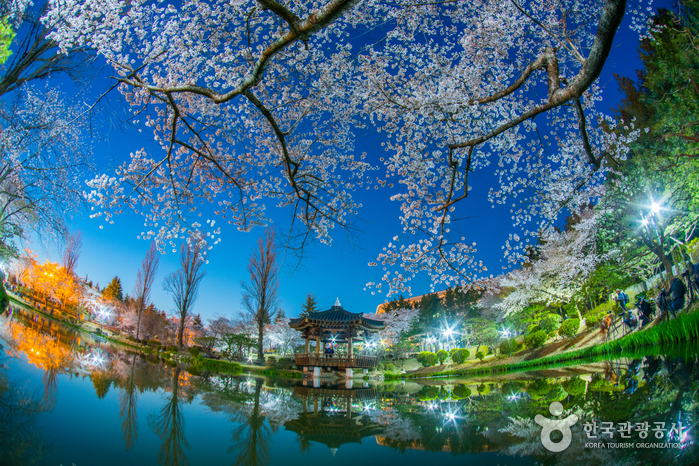
Gyeongju Bomunjeong Pavilion (보문정 (경주))
Sinpyeong-dong, Gyeongju-si, Gyeongsangbuk-do
Bomunjeong Pavilion has a beautiful scenery and was listed on CNN's "50 Beautiful Places to Visit in South Korea." The octagonal pavilion and two ponds are surrounded by cherry blossom trees and maple trees making it a must-visit spot all year round.
![Gyeongju Bulguksa Temple [UNESCO World Heritage] (경주 불국사 [유네스코 세계유산])](http://tong.visitkorea.or.kr/cms/resource/03/2678603_image2_1.jpg)
Gyeongju Bulguksa Temple [UNESCO World Heritage] (경주 불국사 [유네스코 세계유산])
385 Bulguk-ro, Gyeongju-si, Gyeongsangbuk-do
Bulguksa Temple is a representative relic of Buddhist culture from the Silla kingdom. The temple was built during the 15th year of King Beopheung's reign (514-540) to wish for peace and prosperity for all. It was later rebuilt in 751 by Kim Dae-seong. Unfortunately, the temple caught fire during the Imjin War (1592-1598). After the war, the temple suffered serious damage and was often the target of theft. Starting in 1920, the temple has undergone continual restoration work. The temple now holds seven national treasures and a number of additional important heritages and was designated a World Cultural Heritage Site along with the nearby Seokguram Grotto by UNESCO in December 1995.
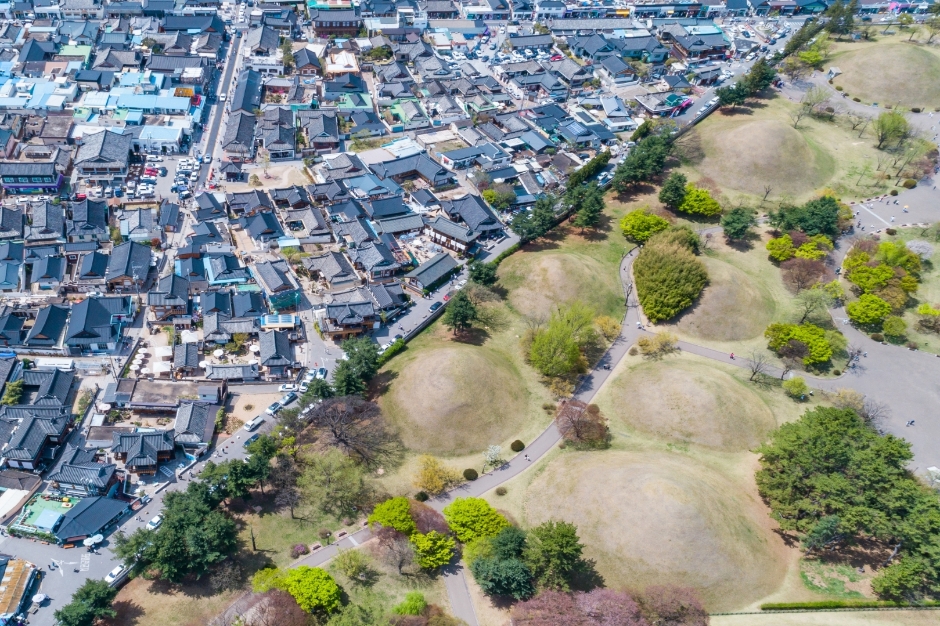
Gyeongju Daereungwon Ancient Tomb Complex (경주 대릉원 일원)
9 Gyerim-ro, Gyeonju-si, Gyeongsangbuk-do
Gyeongju Daereungwon Tomb Complex consists of five tombs, Ancient Tombs of Gyeongju Nodong-ri, Noseo-ri, Hwangnam-ri, Hwango-ri, and Inwang-ri. The tombs are distributed in Hwangnam-dong, Gyeongju-si, and are located in the Daereungwon area. Within Daereungwon Tomb Complex is Cheonmachong Tomb, which was excavated in 1973. Furthermore, Hwangnamdaechong Tomb was excavated between 1973 and 1975, and is a set of twin tombs belonging to a presumed married couple. ◎ Hallyu Travel Information - Drama This park, where Bora spent free time during her school trip in , is densely filled with ancient tombs. About 20 large tombs create a dreamy atmosphere as if drawing a ridgeline. The spot with a magnolia tree standing between the tombs is famous as a photo zone. We recommend visiting Cheonmachong, the only tomb with its interior open to the public.

Gyeongju EXPO Grand Park (경주엑스포대공원)
614 Gyeonggam-ro, Gyeongju-si, Gyeongsangbuk-do
Located in the Bomun Tourist Complex, Gyeongju EXPO Grand Park is where the Gyeongju World Expo, the world's first cultural fair themed around culture and arts, was held in 1998. Over the following 20 years, it served as the venue for ten Gyeongju World Expos, boosting Korean cultural pride and contributing to the development of human culture. Today, it is a popular attraction featuring diverse cultural content such as exhibitions, videos, performances, and hands-on experiences. Major facilities include Gyeongju Tower, Gyeongju Expo Solgeo Art Museum, and more.
Gyeongju Expo Solgeo Art Museum (경주솔거미술관(솔거미술관))
614 Gyeonggam-ro, Gyeongju-si, Gyeongsangbuk-do
Gyeongju Expo Solgeo Art Museum is Gyeongju’s first public art museum, opened in 2015 with the donation of 830 works by the Korean painter Park Dae-sung. Designed by the renowned architect Seung H-Sang, the museum’s architecture blends people, space, and nature. It features a permanent exhibition of works by Park Dae-sung, along with special rotational exhibitions by invited artists. For visitors seeking deeper insight into the artwork, the museum offers a docent program. The window in the permanent exhibition hall has become a popular SNS spot and is often referred to as a moving painting.
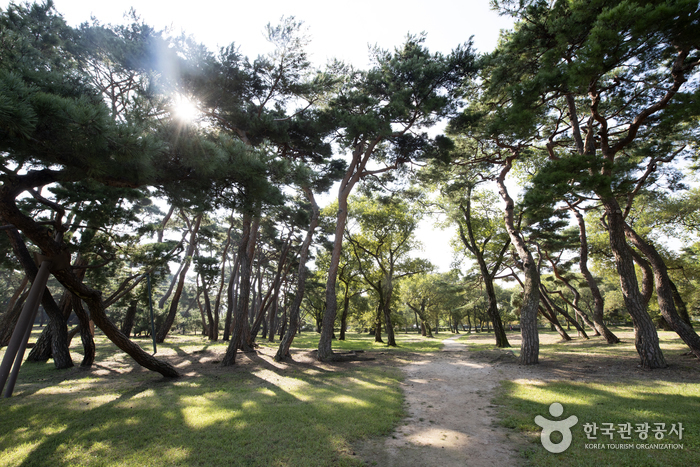
Gyeongju Five Royal Tombs (경주 오릉)
38-9 Geumseong-ro, Gyeongju-si, Gyeongsangbuk-do
The Five Royal Tombs (called Oreung in Korean) have been officially designated Historic Site No. 172 and are the final resting places of four kings of the Park clan—King Park Hyeokgeose (founder of the Silla Kingdom), King Namhae, King Yuri, and King Jabi—and one queen (Queen Aryeong, wife of King Park Hyeokgeose). To the east of the royal tombs lies Sungdeokjeon Shrine, which holds the ancestral tablet of King Park Hyeokgeose. Behind the shrine is the Aryeongjeong Well, said to be the birthplace of Queen Aryeong.
Gyeongju Golgulsa Temple (골굴사(경주))
101-5 Girim-ro, Munmudaewang-myeon, Gyeongju-si, Gyeongsangbuk-do
Golgulsa Temple is a temple located within the Hamwolsan Mountain, situated between Gyeongju City and the East Sea. With a history of over 1,500 years, it houses many Buddha statues preserved within its twelve grottoes. Maintaining the tradition of Korean Buddhism's practice of Seonmudo, visitors can witness Seonmudo performances. Additionally, there are templestay programs available, offering opportunities to experience Korean temple culture.
Gyeongju Gyochon Traditional Village (경주 교촌마을)
39-2 Gyochon-gil, Gyeongju-si, Gyeongsangbuk-do
At Gyeongju Gyochon Village, visitors can see the House of the Gyeongju Choi Clan (Important Folklore Material No. 27) and try some Gyeongju Gyodong Beopju Liquor (Important Intangible Cultural Asset No. 86-3). The village centers around the Gyeongju Choi Clan, a family known to have maintained their wealth for over 12 generations, producing many important people. Visitors can learn about the lifestyle and spending habits that enabled the family to do this. The village is also home to the site of Yoseokgung, the house of Silla Princess Yoseok. Nearby attractions include Gyerim Forest, Naemulwangneung Royal Tomb, and Gyeongjuhyanggyo Local Confucian School.
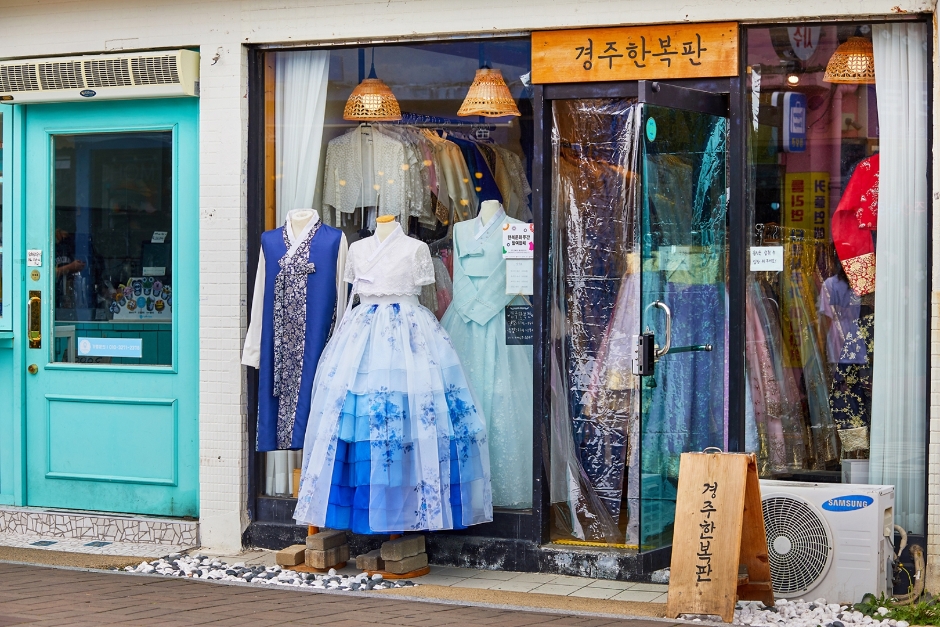
Gyeongju Hanbokpan (경주한복판)
1077-2 Poseok-ro, Gyeongju-si, Gyeongsangbuk-do
Gyeongju Hanbokpan is a hanbok rental store located in the middle of Hwangnidan Street. Hanbok attires are available in a variety of materials, colors, and seasons. There are many hanbok wears reflecting the latest trends, so they look good on anyone and are easy to wear. Besides changing clothes, the store owner also assists customers with hair accessories. There are many family customers as the store also offers hanbok for both men and children. Customers can also print the photos they took with their smartphone upon retrning the hanbok, making it an even more memorable experience.
![Gyeongju Historic Area [UNESCO World Heritage] (경주역사유적지구 [유네스코 세계문화유산])](http://tong.visitkorea.or.kr/cms/resource/03/2656603_image2_1.jpg)
Gyeongju Historic Area [UNESCO World Heritage] (경주역사유적지구 [유네스코 세계문화유산])
757 Taejong-ro, Gyeongju-si, Gyeongsangbuk-do
The Gyeongju Historic Area, registered as a UNESCO World Cultural Heritage on November 2000, is an area that embodies the time-honored history and culture of Gyeongju, the ancient capital of the Silla Kingdom (57 BC-AD 935). The Gyeongju Historic Area can be divided into 5 major sections. The first section is the Namsan Area, a treasure trove of Buddhist art masterpieces dating back to the Silla Kingdom. Gyeongju Namsan Mountain (often referred to as an ‘outdoor museum’) is home to many historical heritage sites from the Silla Kingdom. Major attractions include: Poseokjeong Pavilion Site (Historic Site), Rock-carved Buddhas in Tapgok Valley (Treasure), Three-story Stone Pagoda in Cheollyongsa Temple Site (Treasure), Rock-carved Buddhas at Chilburam Hermitage (Treasure), Rock-carved Seated Buddha in Bulgok Valley (Treasure), and 37 other Buddhist relics The second section is the Wolseong Area, one of the former palace sites of the Silla Kingdom. The area consists of Gyerim Forest (Historic Site); Donggung Palace and Wolji Pond (Historic Site), a Silla Royal Palace site; and Cheomseongdae Observatory (National Treasure), the oldest observatory in Asia. Daereungwon Ancient Tomb Complex, the third area, features a cluster of the royal graves of the kings and queens of Silla. Also in the same area are Ancient Tombs in Nodong-ri (Historic Site), Ancient Tombs in Noseo-ri (Historic Site), Ancient Tombs in Hwangnam-ri (Historic Site), and Five Royal Tombs (Historic Site), among others. Archaeologists have discovered a number of invaluable relics and historic items in this area such as Geumgwan (golden crown), Cheonmado (a painting of flying horses), and numerous pottery pieces. These finds are perhaps the greatest clues into the life of the people of the Silla dynasty. Area number four, the Hwangnyongsa Temple Site, is where the former site of the Hwangnyongsa Temple (Historic Site) and Bunhwangsa Stone Pagoda are located. Last is the Sanseong Area, housing remnants of the major defense system for the capital city. The site consists of Myeonghwalsanseong Fortress (Historic Site) which is estimated to be around 400 years old. The Gyeongju Historic Area has a total of 52 designated cultural assets that are registered as World Cultural Heritages.
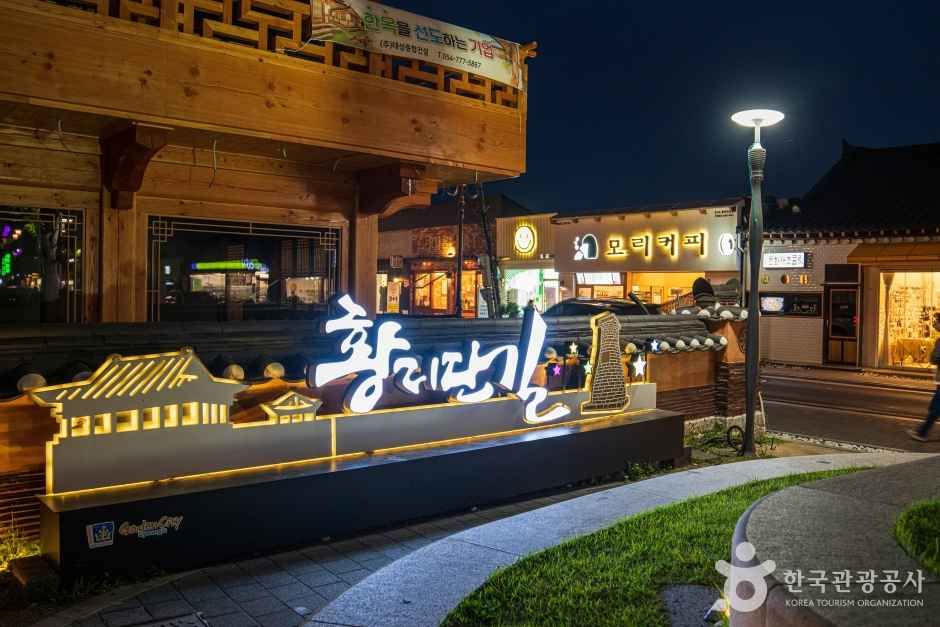
Gyeongju Hwangnidan Street (경주 황리단길)
1080 Poseok-ro, Gyeongju-si, Gyeongsangbuk-do
Hwangnidan Street was originally known as “Hwangnam Keungil” near Poseok-ro, Hwangnam-dong. Its name comes from the combination of Hwangnam-dong and Gyeongnidan Street in Itaewon, Seoul, meaning the “Gyeongnidan Street of Hwangnam-dong.” The street is home to numerous restaurants, cafes, photo studios, and shops housed in traditional hanok buildings, making it popular among the younger generations in Korea. The street also demonstrates newtro aesthetics due to the remaining old and worn buildings built during the 1960s and the '70s. Hwangnidan Street is near Cheomseongdae Observatory, Daereungwon Ancient Tombs, and other major tourist sites, allowing the street to become a popular Gyeongju attraction as well.
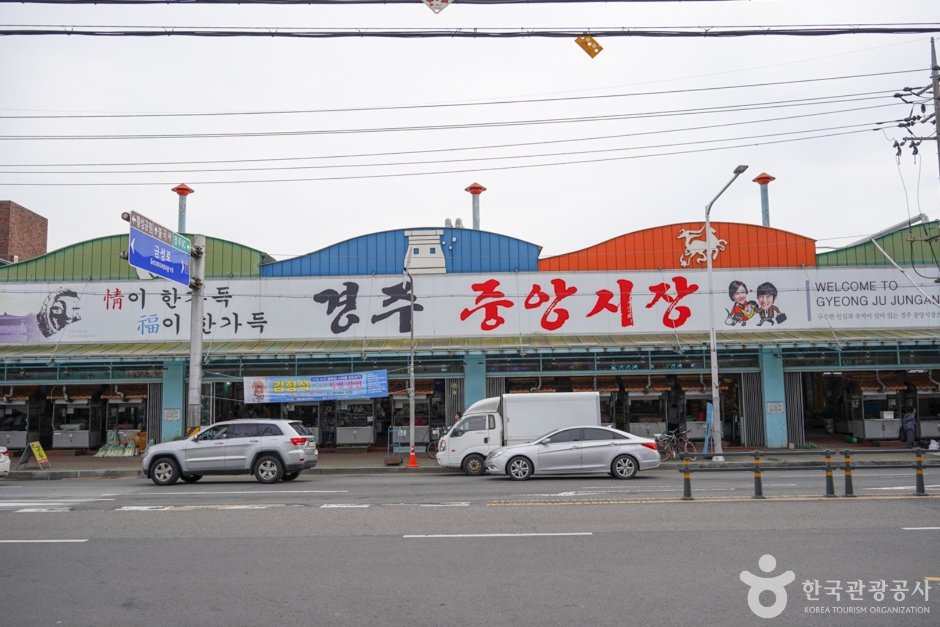
Gyeongju Jungang Market (경주 중앙시장)
295 Geumseong-ro, Gyeongju-si, Gyeongsangbuk-do
Opened in 1983, Gyeongju Jungang Market is the main marketplace for Gyeongju locals. Nearly 700 stores selling clothing, oils, rice cakes, vegetables, general goods, and meat operate with some 2,000 vendors. The market is open nearly every day, with the busiest days being those ending in a 2 or 7. The night market, open from Thursday to Sunday, is especially popular among both tourists and locals.
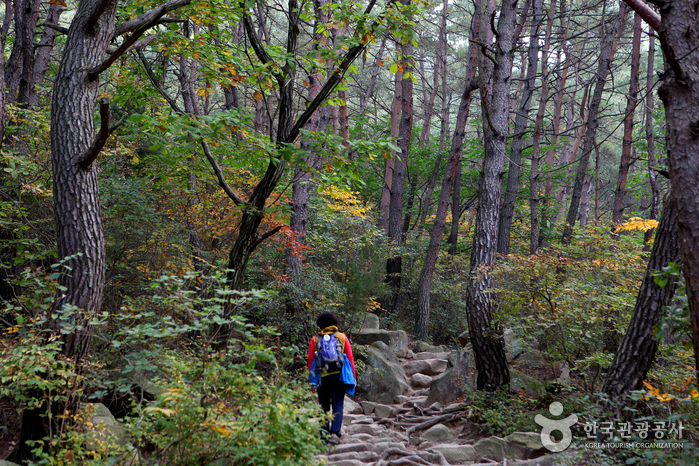
Gyeongju Namsan Mountain (경주 남산)
Namsan Mountain of Gyeongju (경주 남산)
Namsan Mountain of Gyeongju is a 466-meter mountain located south of the Gyeongju city center. Gyeongju was the capital of the Silla dynasty (BC 57-AD 935) from its inception to its end. The Silla people revered this mountain, considering it sacred, and left many traces of their presence, resulting in numerous cultural relics that still exist today. Therefore, visitors can enjoy both hiking and cultural heritage sightseeing on this mountain.
Gyeongju National Museum (국립경주박물관)
186 Iljeong-ro, Gyeongju-si, Gyeongsangbuk-do
Gyeongju National Museum houses numerous historical and cultural artifacts of the Silla dynasty (57 BC-AD 935). The museum provides various programs including at the Children’s Museum School. The newly renovated Silla Art Gallery and Silla History Gallery lobby by Teoyang Studio are popular among visitors. This multi-complex center provides the history of Silla with various artifacts.
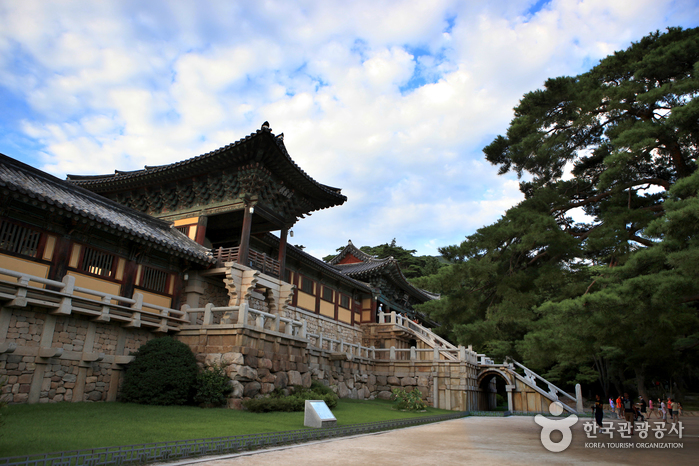
Gyeongju National Park (경주국립공원)
12 Cheonbungnam-ro, Gyeongju-si, Gyeongsangbuk-do
Gyeongju National Park, designated as a national park in 1968, holds a special status as Korea's only historical national park. The park spans 136.55㎢ across eight districts, including Tohamsan Mountain, home to the exquisite Buddhist treasures of Bulguksa Temple and Seokguram Grotto, as well as Namsan Mountain, known as the "Buddhist Museum," showcasing the pinnacle of Buddhist culture. The park boasts significant relics from the Silla dynasty alongside breathtaking natural landscapes. Recognized by UNESCO in 1979 as one of the top ten historic sites globally, it stands as a world-renowned cultural heritage site.
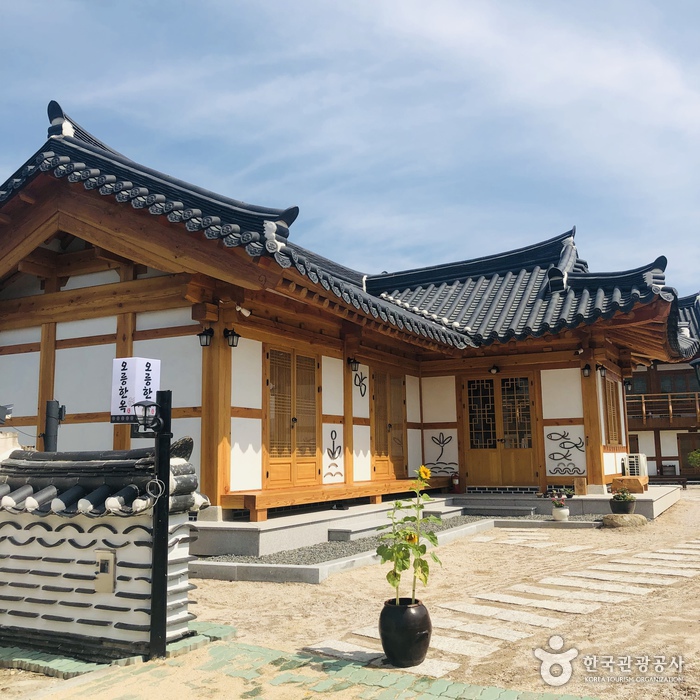
Gyeongju Oreung Hanok (경주오릉한옥)
12-17 , Gukdang 2-gil, Gyeongju-si, Gyeongsangbuk-do
Oreung Hanok in Gyeongju, is a guesthouse just across Namcheon Stream from Gyeongju’s Five Royal Tombs (‘oreung’ in Korean). The guesthouse’s location gives it a panoramic view not only of the tomb complex but over much of the 1,000 year old city of Gyeongju. The cozy rooms have double doors to block drafts and noise, and clean white bedding; while the spacious yard outside is a good spot for taking photos. The bustling Hwangnidan Street is a 15-minute walk away, while must-see sites Cheomseongdae, the Daereungwon tomb complex, Donggung Palace and Wolji Pond are 10 minutes away by car.
Plan your Korea trip
Korea travel FAQ
How do I use the travel search?
Enter a place or interest, then narrow the results by region, category or sort order.
Will my filters stay selected on the next page?
Yes. Your search and filter choices stay in the page URL while you move through the results.
Can I find directions to each place?
Place pages include an external Google Maps search when coordinates or an address are available.
Source: Korea Tourism Organization, official website (https://knto.or.kr).