TRAVEL IN KOREA
Korea Places to Visit
Find attractions, culture, festivals, stays, restaurants, shopping and travel courses for a clear Korea trip plan.
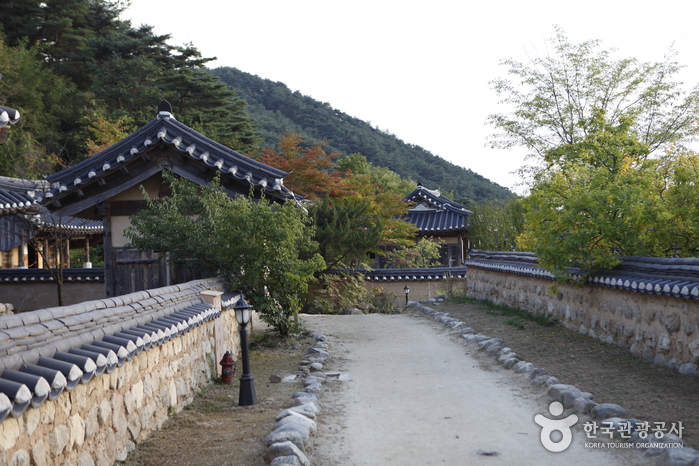
Seonbichon Village (선비촌)
2796, Sobaek-ro, Yeongju-si, Gyeongsangbuk-do
Seonbichon Village in Yeongju, Gyeongsangbuk-do, the cradle of Korean Confucianism, is where the spirit and cultural heritage of Korea’s classical scholars are preserved. The village is the perfect place to learn about traditional Korea, and is famous for its classical scholars’ loyalty and filial piety. Seonbichon village offers a variety of traditional activities for visitors, from pounding rice cake to hanging wish lanterns to attending a traditional wedding ceremony or playing folk games such as yutnori or jegichagi. Visitors can also enjoy traditional dining at Jeojatgeori Street and learn about history through the museum. Guests can also enjoy the unique experience of staying in a hanok house through the overnight program and participate in scholar programs.
![Seondol Cliff [National Geopark] (선돌 (강원고생대 국가지질공원))](http://tong.visitkorea.or.kr/cms/resource/00/2026100_image2_1.jpg)
Seondol Cliff [National Geopark] (선돌 (강원고생대 국가지질공원))
373-1, Bangjeol-ri, Yeongwol-gun, Gangwon-do
Seondol Cliff features a large split rock standing over the curving river below. The scene created by these two natural elements appears other-worldly. A rocky outcrop appears to have been cut away from the main cliff with a giant knife. Geologically, it was formed by corrosion of the limestone bedrock.
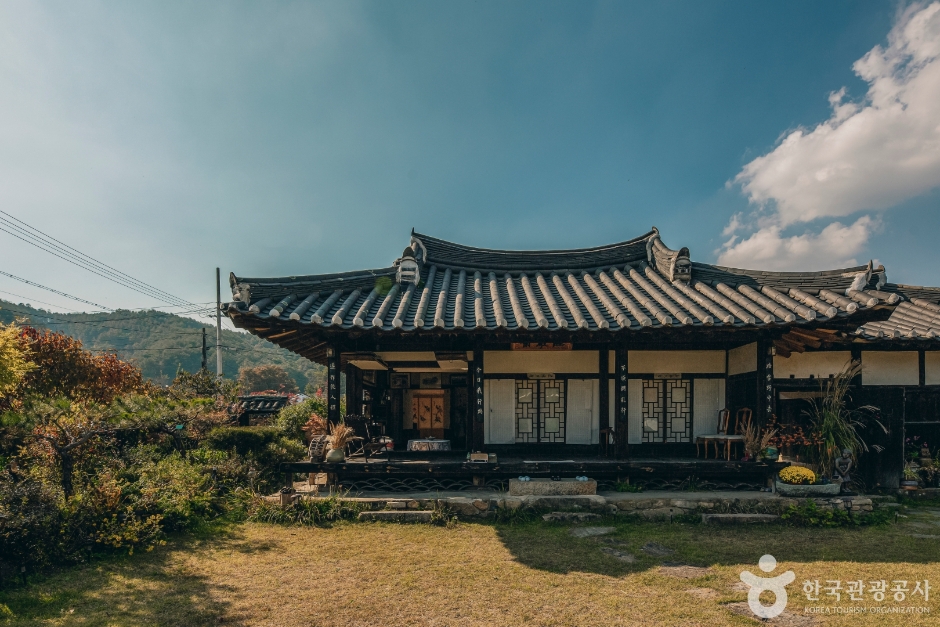
Seongamje / 성암재
19-18 , Seodong-gil, Bonghwa-gun, Gyeongsangbuk-do
Seongamjae in Chunyang-myeon, Bonghwa-gun, Gyeongsangbuk-do, was built in 1915 by Seongam Kang Seung-won, son of Uijae Kang Pil who was an early campaigner for independence from Japan. Built of pinewood, the house is now equipped with modern facilities. In-room cooking is not allowed, a pay-for brunch is available. Next door is Bonghwa Mansan Old House, a National Folk Cultural Asset which guests are free to look around. Chunyang Station on the Yeongdong Line is a 5-minute walk away, and a luggage storage service is available.
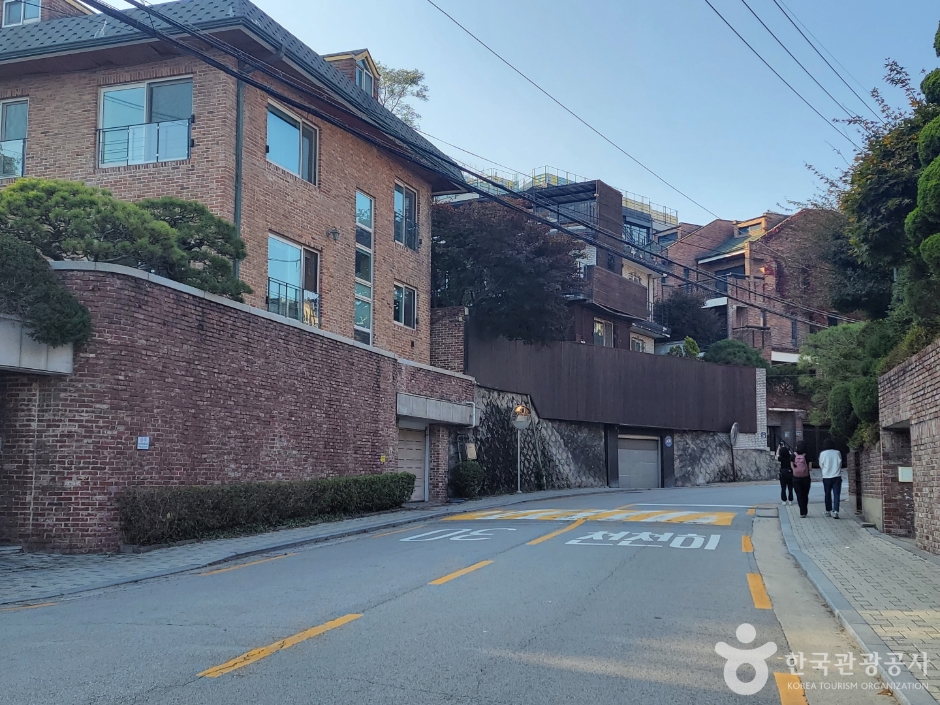
Seongbuk-dong–Bukchon Hanok Village Course (성북동고택북촌산책길)
68, Seonjam-ro 5-gil, Seongbuk-gu, Seoul
The Seongbuk-dong–Bukchon Hanok Village Course is a nostalgic path connecting famous old houses in Seongbuk-dong and Bukchon Hanok Village, divided by the old city walls. Along the way, you'll find historic sites like Gilsangsa Temple, Jeongbeopsa Temple, Han Yong-un’s Simujang House, and novelist Lee Tae-jun's House. The trail also features charming cultural spots, such as the traditional tea house Sooyeon Sanbang and the Seongbuk Museum of Art. ◎ Travel information to meet Hallyu’s charm - "Parasite" The scene in the alley where Ki-woo visited Mr. Park's house in a wealthy neighborhood for expensive tutoring was filmed in a residential area in Seongbuk-dong. Seongbuk-dong, an old wealthy village, has luxury mansions lined up in. There are many pretty cafés and galleries here and there, so it's good to take a leisurely look around. Mr. Park's house was a filming set, which was demolished after filming.
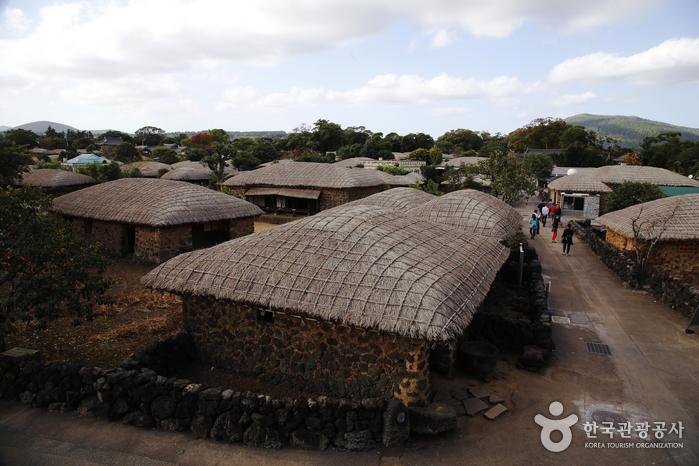
Seongeup Folk Village (성읍민속마을)
3294, Seongeup-ri, Pyoseon-myeon, Seogwipo-si, Jeju-do
Seongeup Folk Village has been designated and protected as a folk village, preserving the characteristics of Jeju's old private houses. Various tangible cultural heritage and intangible cultural heritage such as folk songs and games, local foods and craftmanship, and Jeju dialect are being passed down. The village offers traditional culture and traditional house experiences, and holds cultural events every October and November.

Seongeup Green Tea Cave (성읍녹차동굴)
4772 Jungsangandong-ro, Pyoseon-myeon, Seogwipo-si, Jeju-do
Seongeup Green Tea Cave is a well-known natural lava cave photo spot in Jeju, known for its subtle and mysterious atmosphere. Photos taken from inside the cave looking outward capture beautifully nuanced colors. Located within Seongeup Green Tea Village, the cave allows visitors to enjoy sweeping green tea fields and the cave scenery in one visit. The village also features a cafe where visitors can purchase green tea souvenirs and relax with a foot bath.

Seongeup Green Tea Village (성읍녹차마을)
4778 Jungsangandong-ro, Pyoseon-myeon, Seogwipo-si, Jeju-do
Seongeup Green Tea Village in Jeju is a tea plantation that produces green tea and a variety of green tea–related products. The village also operates a cafe offering green tea–based treats such as rice cakes and ice cream, along with unique experiences including a foot bath and cart rides. The tea is grown under natural conditions, benefiting from volcanic ash soil rich in organic matter and clean volcanic spring water. Along the path leading to the forest behind the village is the Green Tea Cave, a distinctive spot that has gained popularity for its scenic views of the tea fields, framed by Hallasan Mountain and Yeongjusan Mountain in the background.
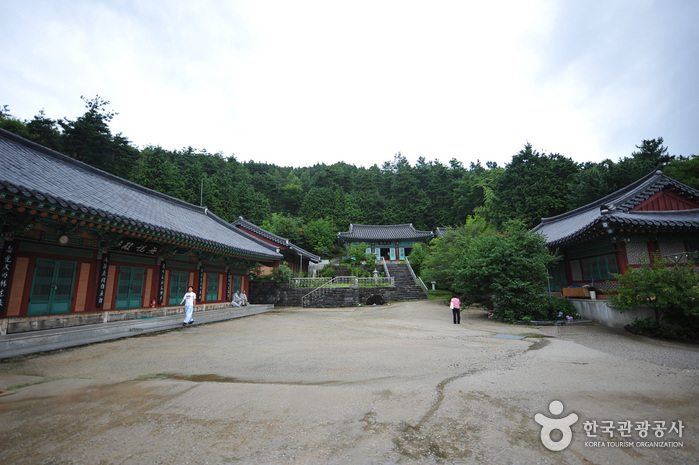
Seonggwansa Temple (성관사)
492-83, Jangmu-ro, Jangsu-gun, Jeonbuk-do
Seonggwansa Temple is located in Jangsu-gun in Jeollabuk-do. It is said that the temple was established during the Goryeo dynasty (918-1392). The temple was designated as a traditional temple in July 1999.
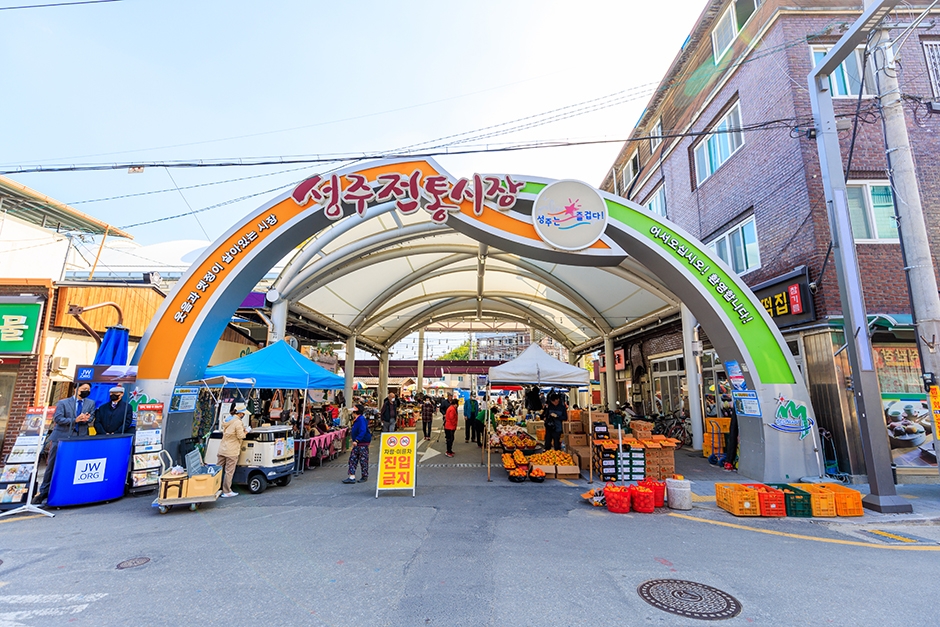
Seongju Traditional Market (성주 전통시장)
37 Sijang-gil, Seongju-gun, Gyeongsangbuk-do
Seongju Traditional Market is open for business on five-day intervals—every 5 days starting from the 2nd of each month—centered on local specialties, especially Chamoe (Korean melon). Naturally emerged in the 1800s, it was formally established in 1887 and thrived during the 1960s. Today, it is recognized as one of the oldest markets in the region. Open from early morning until sunset, it offers seasonal wild greens such as Dureup (fatsia shoot) and Chwinamul (aster leaf), the famously sweet Seongju Korean melon, and other local produce at fair prices.
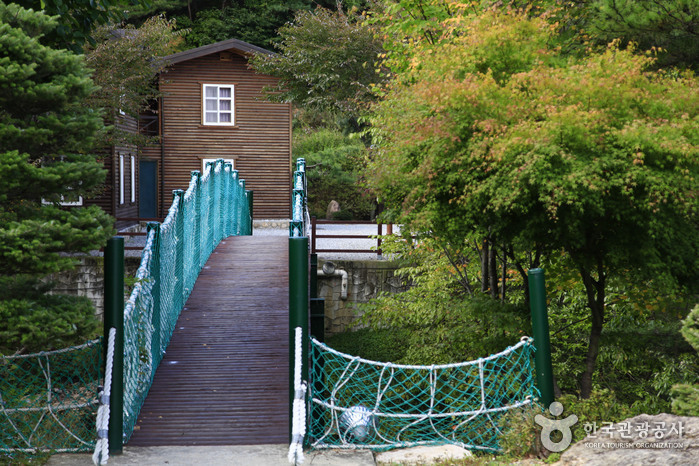
Seongjubong Recreational Forest (성주봉자연휴양림)
3, Seongjubong-ro, Sangju-si, Gyeongsangbuk-do
Seongjubong Recreational Forest is located in the foothills of Seongjubong Peak (alt. 606 m), and filled with a lush forest, clean water, and beautiful surroundings. The forest is equipped with basic facilities to maintain the natural environment and ambience for relaxation. Accommodation facilities include forest cabins, a training center, and camping sites. Additional amenities include seminar halls, a forest education center, pavilions, a water playground, and more. The forest also has walking trails of varying levels for all to enjoy.
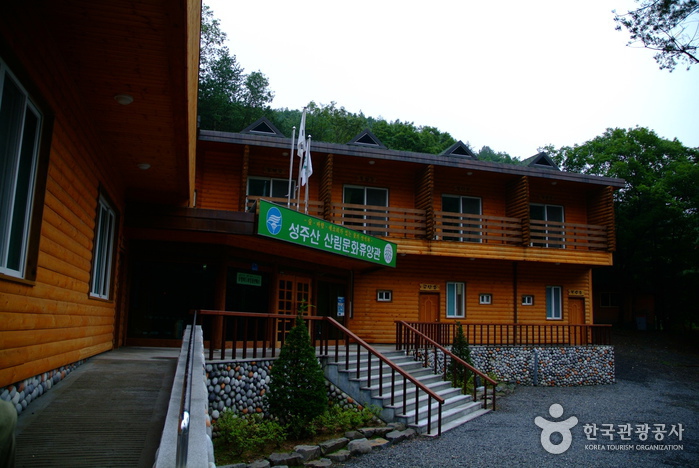
Seongjusan Recreational Forest (성주산자연휴양림)
57-228, Hwajanggol-gil, Boryeong-si, Chungcheongnam-do
Seongjusan Recreational Forest in Boryeong, Chungcheongnam-do is especially popular in spring because of its cherry blossoms and beautiful wildflowers. Also, the observatory 100 meters below the mountain peak (680 meters in elevation) offers a great view of Seongju-myeon and Oesan-myeon. Roundtrip hike to the peak takes approximately 2-3 hours. Nearby tourist attractions include the Seongjusaji Temple site and a coal museum (15 minutes on foot), as well as Daecheon Beach and Muchangpo Beach (20-30 minutes by car).
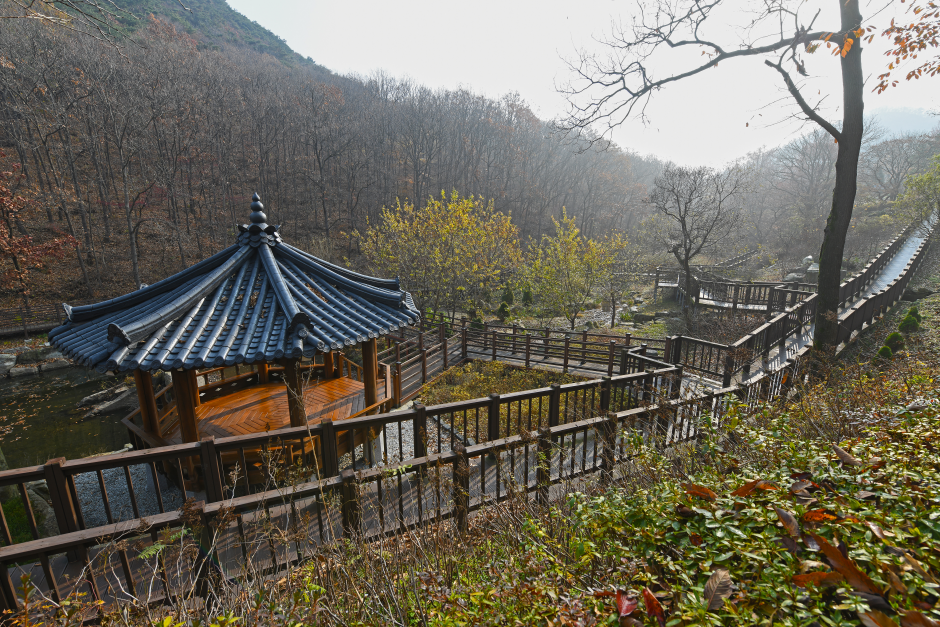
Seongmodo Island Arboretum (석모도 수목원)
161, Samsanbuk-ro 449beon-gil, Ganghwa-gun, Incheon
Seongmodo Island Arboretum was established on Seongmodo Island in recognition of its suitability for research on plants native to the Nothern Limit Line and marine plants in preparation for gloabl warming. In addition, it is built along the valley of the Seongmo-ri area and boasts a pollution-free natural environment. It is a tourist destination where the mountains and the sea coexist and conveys values and benefits of forests, allowing visitors to commune with nature.
Seongmodo Shrubby Sea-blite Habitat (석모도 칠면초 군락지)
29-3 Maeeum-ri, Samsan-myeon, Ganghwa-gun, Incheon
Seongmodo Shrubby Sea-blite Habitat is a habitat where a colony of shrubby sea-blite flourishes on tidal flats. Situated on the route to Minmeoru Beach, accessible via the Seongmodaegyo Bridge, this area is known for the robust growth of seepweed, which forms colonies in tidal flats or areas with high salinity. From September to mid-October, the landscape transforms with vibrant reddish-pink flowers, often referred to as the "fall foliage of the sea."
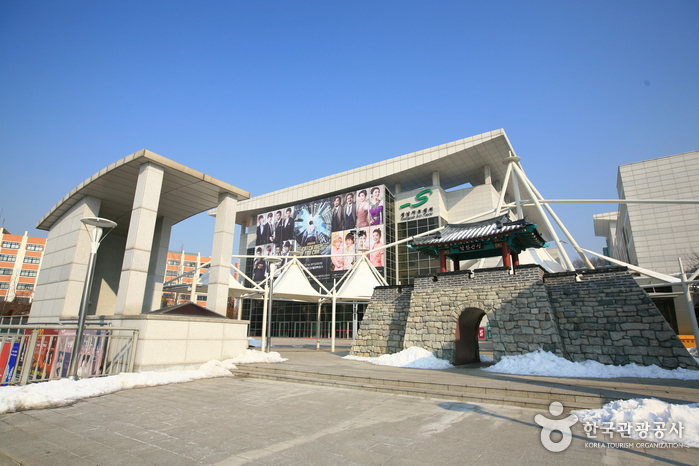
Seongnam Arts Center (성남아트센터)
808, Seongnam-daero, Bundang-gu, Seongnam-si, Gyeonggi-do
Opened on October 14, 2005 by Seongnam Cultural Foundation, Seongnam Art Center is oriented towards cutting-edge performance and exhibition art, and serves as a local-friendly cultural site. The art center operates three performance halls (Opera House, Concert Hall, and Ensemble Theater) and three exhibition halls (Cube Art Gallery & Gallery 808, Bandal Gallery, Permanent Gallery). The center has hosted a variety of cultural events, from Korea's first introduced performances, Seongnam's original performances, self-produced works, region-friendly programs and other creative cultural contents. In addition, the art center operates diverse facilities such as Seongnam Media Center, Central Park Outdoor Performance Hall, Book Theme Park, International Musical Instrument Exhibition Hall and others for the community's enjoyment. Its varied projects support culture and art, including Sarangbang Culture Club which became a famous cultural brand representing Seongnam and established the foundation to communicate and enjoy cultural arts. Anyone can participate in the creative education program at Seongnam Media Center and Academy.
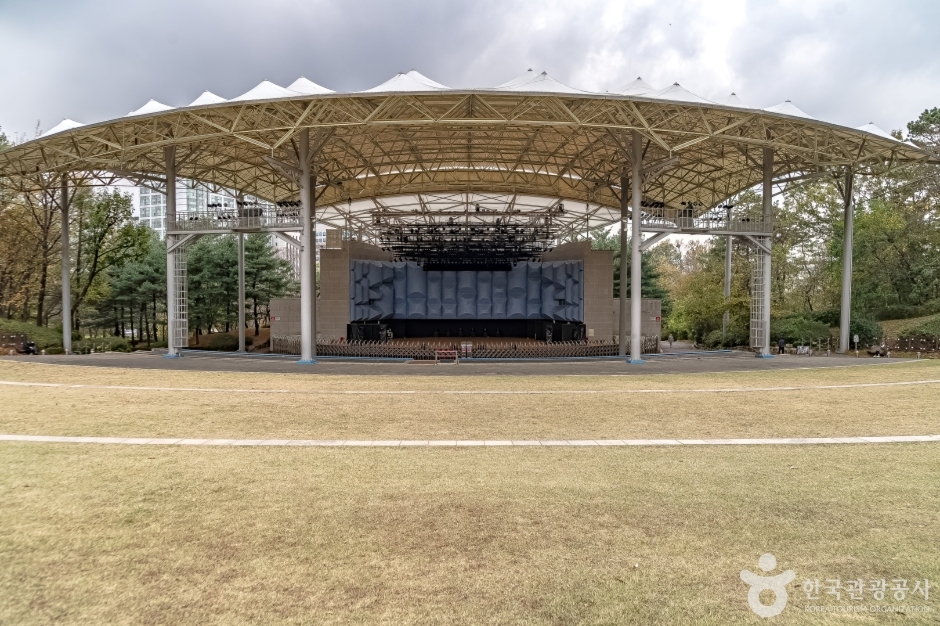
Seongnam Outdoor Theater (성남시 야외공연장)
550 Seongnam-daero, Bundang-gu, Seongnam-si, Gyeonggi-do
Seongnam Outdoor Theater, situated within the Bundang Jungang Park, offers seating for up to 11,000 visitors, featuring 480 fixed seats and a sprawling 6,600-square-meter grass seating area. Annually hosting concerts, art festivals, exhibitions, and diverse performances, it consistently delights its visitors with high-quality entertainment.
![Seongnyugul Cave [National Geopark] (성류굴 (경북 동해안 국가지질공원))](http://tong.visitkorea.or.kr/cms/resource/42/2613142_image2_1.jpg)
Seongnyugul Cave [National Geopark] (성류굴 (경북 동해안 국가지질공원))
221 Seongnyugul-ro, Geunnam-myeon, Uljin-gun, Gyeongsangbuk-do
Seongnyugul Cave, a Natural Monument of Korea, is a limestone cave with a general northeast-southwest orientation. It has a total length of about 870 meters, of which only a strip of 270 meters is open to the public. Inside the cave are a variety of cave formations, including stalactites, stalagmites, columns, and cave pearls, which are commonly found in limestone caves. Unlike other limestone caves in Korea, Seongnyugul Cave has twisted columns and submerged stalagmites. Twisted columns are often broken in the middle due to earthquakes that occurred after the columns were formed. Submerged stalagmites are notable because stalagmites usually do not grow under water as they are made from droplets that fall from the ceiling. As such, stalagmites found underwater were submerged after they were created, indicating that they were created during the Ice Age, when the East Sea was lower than the present level. (Credit: Gyeongbuk Donghaean Geopark)
Plan your Korea trip
Korea travel FAQ
How do I use the travel search?
Enter a place or interest, then narrow the results by region, category or sort order.
Will my filters stay selected on the next page?
Yes. Your search and filter choices stay in the page URL while you move through the results.
Can I find directions to each place?
Place pages include an external Google Maps search when coordinates or an address are available.
Source: Korea Tourism Organization, official website (https://knto.or.kr).