TRAVEL IN KOREA
Korea Places to Visit
Find attractions, culture, festivals, stays, restaurants, shopping and travel courses for a clear Korea trip plan.
Seongsan Ilchulbong Tuff Cone [UNESCO World Heritage] (성산일출봉 [유네스코 세계문화유산])
284-12 Ilchul-ro, Seogwipo-si, Jeju-do
Seongsan Ilchulbong Tuff Cone rose 180 meters above sea level due to a magma flow under the sea over 5,000 years ago. It was originally a separate island, but a build-up of sand and soil has connected it to the main island. A large crater, formed by the hot lava mixing with cold ocean water, is located at the top of Seongsan Ilchulbong Tuff Cone. The crater is about 600 meters in diameter and 90 meters deep. It has been featured in films, and was originally used for agriculture, but has now been given over to a field of silver grass. From the summit, visitors can see Udo Island, as well as take in the magnificent sunrise. The tuff cone area was designated as a natural reserve on July 19, 2000.
Seongsanpo Haenyeo Gongyeonjang (성산포 해녀물질공연장)
284-34 Ilchul-ro, Seongsan-eup, Seogwipo-si, Jeju-do
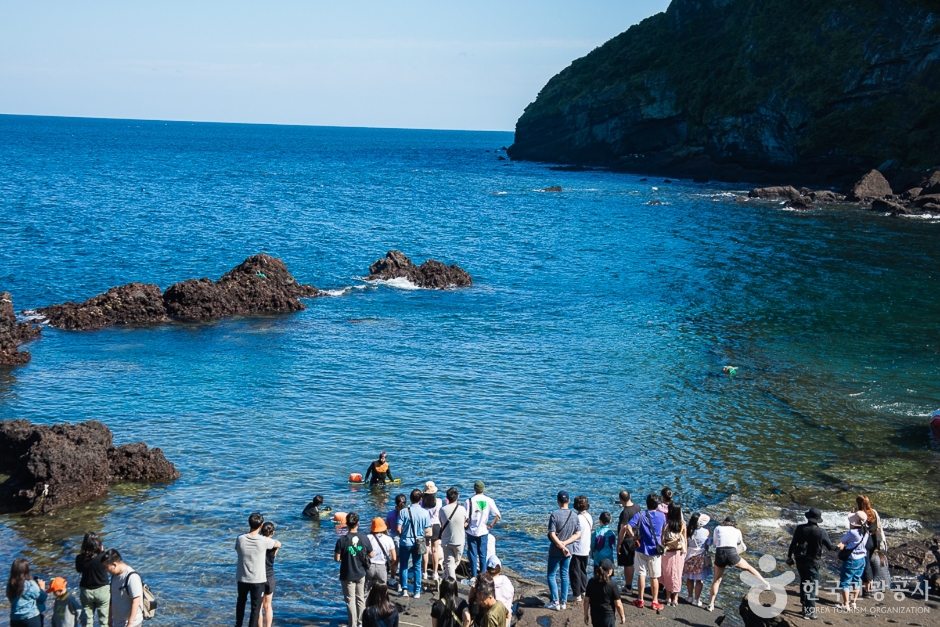
The site refers to Umutgaehaebyeon Beach, a fishing area near Seongsan Ilchulbong Tuff Cone where haenyeo (women divers) demonstrate their skills. The process is as follows: haenyeo introduction, sea diving, collecting seafood, taking pictures, selling seafood, and tasting. Visitors can taste sea cucumbers, sea pineapples, and conch at the Haenyeo's House restaurant run by the haenyeo. The schedule changes depending on the season and weather conditions.
](https://tong.visitkorea.or.kr/cms/resource/48/4024148_image2_1.jpg)
Seongsim Mart [Tax Refund Shop](성심마트)
736, Taejong-ro, Yeongdo-gu, Busan-si
Seongsim Mart is a community hub supermarket that supplies fresh and honest food with devotion and heart, as its name suggests. Through high-quality ingredients directly from production areas and convenient lifestyle services, we take responsibility for local residents' healthy eating habits and life joy.

Seongsu Museum (성수미술관)
39 Seongsuil-ro 8-gil, Seongdong-gu, Seoul
rom drawing to coloring This is a canvas drawing cafe where Yuna of ITZY visited and experienced art. It is decorated as a cultural living space where you can draw and color. Drawing tools such as sketches, acrylic paints, and brushes are provided. It is also interesting that there is a mobile phone holder so that you can capture your drawing as a time-lapse.
](https://tong.visitkorea.or.kr/cms/resource/59/4022359_image2_1.jpeg)
Seongsu Seoulsup Pharmacy [Tax Refund Shop](성수서울숲약국)
1F, 114, Wangsimni-ro, Seongdong-gu, Seoul
Seongsu Seoul Forest Pharmacy is a trusted pharmacy that meticulously looks after the health of Seongsu-dong residents alongside the fresh energy of Seoul Forest. We are a health partner helping neighbors live vibrant lives through professional medication guidance and warm health consultations.
Seongsu Stage 35 (스테이지35 성수)
35 Yeonmujang-gil, Seongdong-gu, Seoul
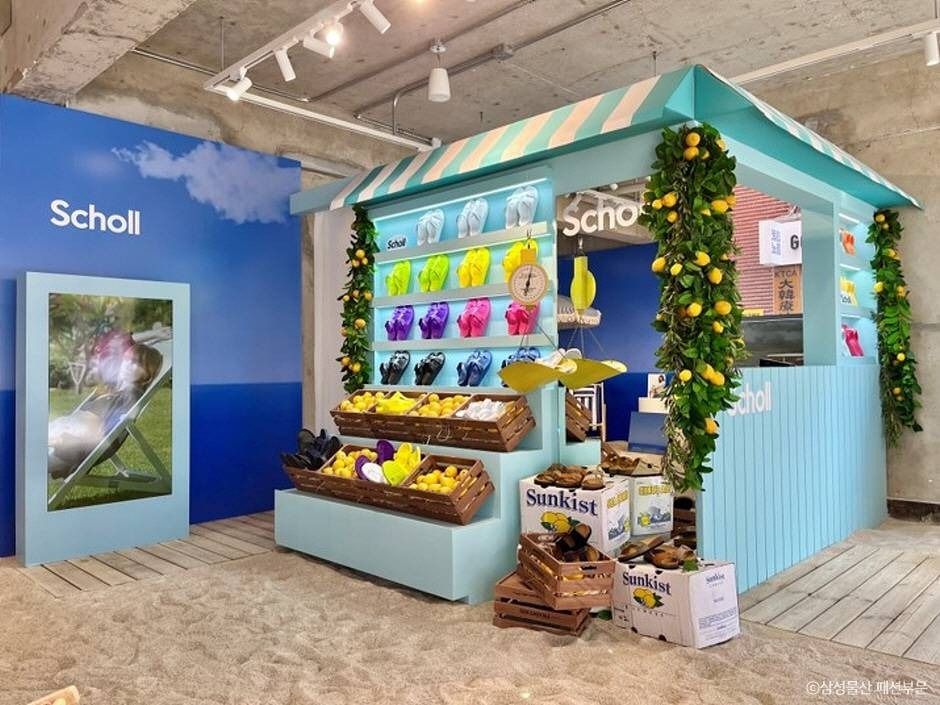
Located in Seongsu-dong, a popular neighborhood in Seoul, Stage 35 is a cultural complex spread across four floors. Capturing the unique vibes of Seongsu-dong and keeping up with trends, Stage 35 hosts pop-up stores, art exhibitions, showcase launches, and offers a space for content filming. It is considered a must-visit place for visitors who want to keep up with trends and experience brands' new season items. It has hosted collaborations with popular brands, including Levi's, Comme des Garçons, Thom Browne, and Bao Bao.
Seongsu-dong Cafe Street (성수동 카페거리)
Seongsu-dong, Seongdong-gu, Seoul
Yeonmujang-gil in Seongsu-dong, known for old factories and a shoe workshop street, has been reborn as a place of trendy cafes and culture. The energy of car repair shops, printing factories, and handmade shoes street still exist today but, as global restaurant brands, select shops, and cafes have set up amidst busily operating factories, an atmosphere unique to Seongsu-dong has been created. "Daerim Warehouse" led to the change in the Seongsu-dong streets and can be said to be the originator of all warehouse-style cafes that are popular throughout Cafe Street today. The red-brick structure, antique signboards, and a vast indoor space of an old warehouse have been maintained and, with the addition of a sensuous interior design, it has become a space suitable for fashion shows and exhibits, thus showing new potential for old Seongsu-dong architecture. Every day, new cafes, bakeries, restaurants, and cultural complexes open their doors and are busy welcoming visitors.

Seongsu-dong Handmade Shoes Street (성수동 수제화거리)
15, Yeonmujang 7-gil, Seongdong-gu, Seoul
Handmade shoe manufacturers began to gather in the 1970s to form a street and make history. Today, there are some 350 handmade shoe manufacturers, 100 intermediate processing and raw materials companies, and new cafes with unique vibes opening up one after another. Thanks to its vintage appeal, many people visit on dates and to take cool photos.
Seongsunoru (성수노루)
110 Achasan-ro, Seongdong-gu, Seoul
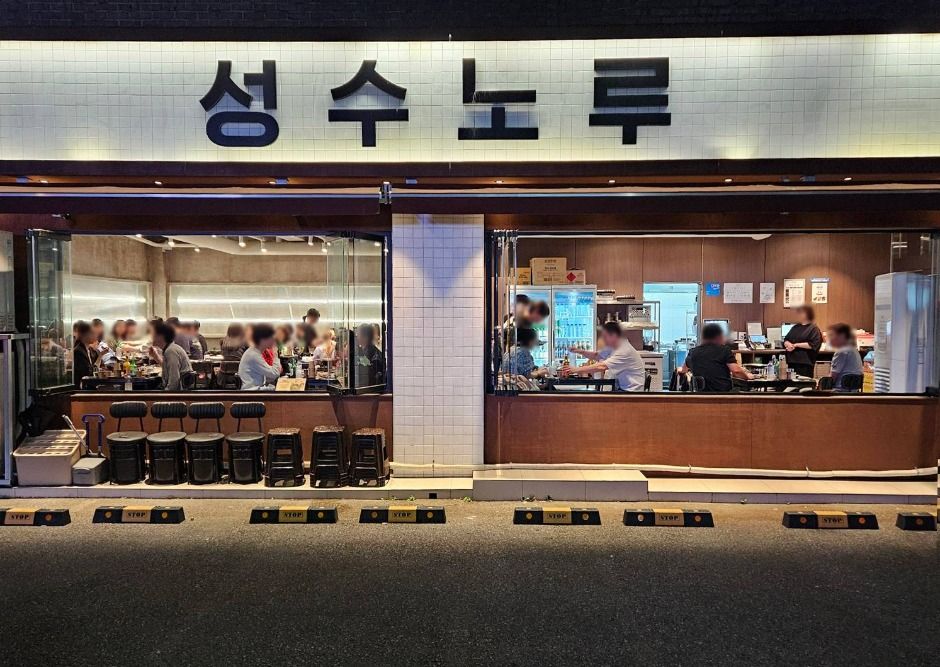
Seongsunoru is a hanu grilled gopchang (Korean beef small intestines) restaurant. The meat is grilled by staff, ensuring crispy on the outside and soft on the inside. Besides grilled gopchang, the restaurant also offers a variety of menu items using Korean beef daechang (large intestines) and makchang (tripe) as the main ingredient. Popular add-ons and side dishes include yukhoe (beef tartare), cheese fried rice, kimchi noodles, and soft bean curd jjigae. The restaurant is equipped with a parking lot and has a corkage fee system.
Seongyojang House (강릉 선교장)
63, Unjeong-gil, Gangneung-si, Gangwon-do
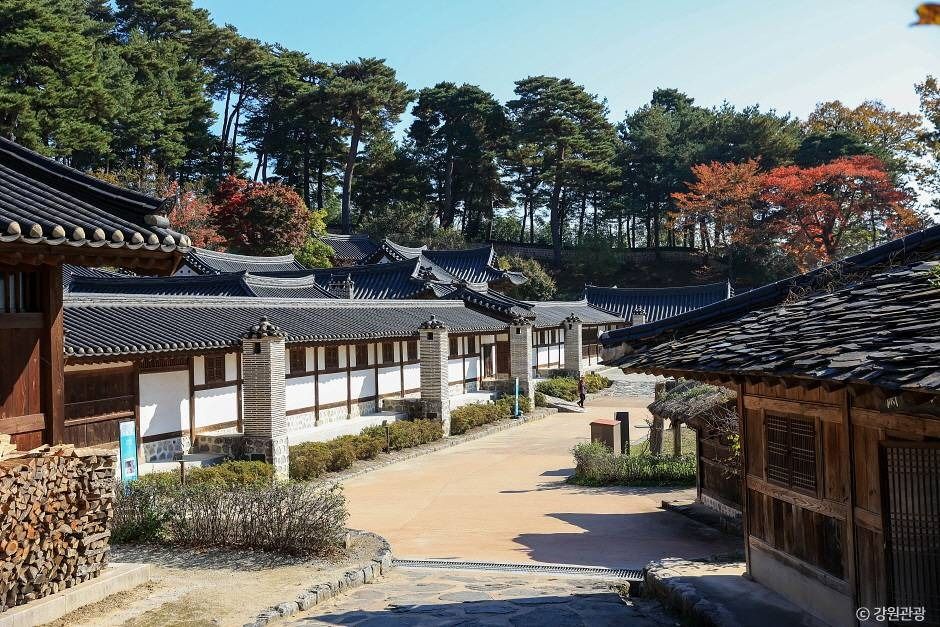
Seongyojang House is the former upper class residence of Lee Nae-beon (1703-1781) and his family in Gangneung, Gangwon State. It was designated as a National Folklore Cultural Heritage in 1967. The one-syllable word "Seon" in Seongyojang means boat. Gyeongpoho Lake was right in front of Seongyojang House at the time it was built, thus making is accessible by boat. Seongyojang House has all the features of a typical upper class residence during the Joseon period. The complex even has a large pond with a pavilion named Hwallaejeong Pavilion. While the building still blends beautifully with the surrounding nature, Seongyojang House has been well-preserved and is considered a valuable resource in the historical research of living conditions of upper class households during the Joseon dynasty.
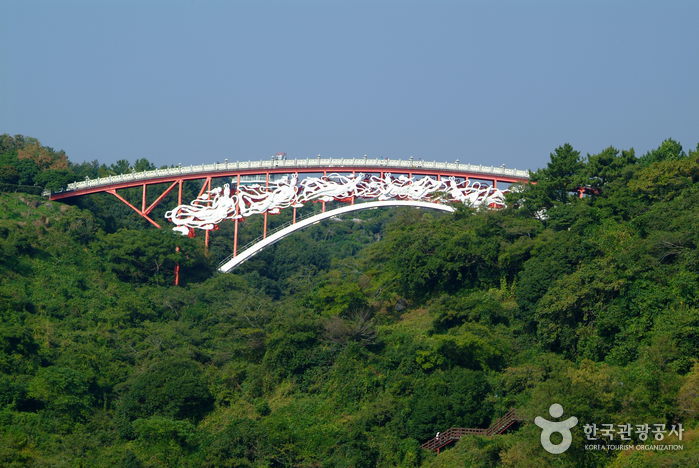
Seonimgyo Bridge (선임교)
27 Saekdal-ro 189beon-gil, Seogwipo-si, Jeju-do
Seonimgyo Bridge is a 130-meter-long arched iron bridge connecting Cheonjeyeonpokpo Falls to the Jungmun Tourist Complex. Legend says that the Seven Fairies descended from the sky and landed on the bridge, hence earning the name "Seonimgyo." The bridge is also known as the Fairy Bridge or the Cloud Bridge, and there are statues of the Seven Fairies on both sides of the bridge. Thirty-four stone lanterns between the 100 railings make it a beautiful night view spot.
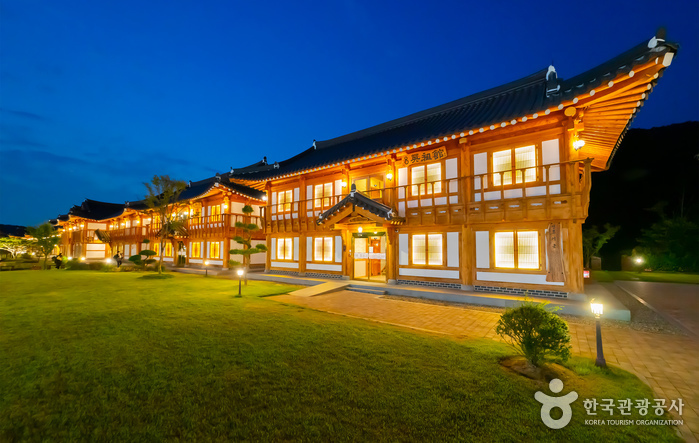
Seonjogwan of the Royal Room (왕의지밀 선조관)
5218-16 , Chunhyang-ro, Wansan-gu, Jeonju-si, Jeonbuk-do
Wangui Jimil Seonjogwan (‘Royal Room of King Seonjo’) in Jeonju, Jeollabuk-do, is a hotel combining hanok style with modern facilities - one of a group of hotels named after Joseon kings. The hotel has six rooms graded 2, 3 and 5, with Silver rooms on the 1st floor, and Gold rooms on the 2nd floor; as there is no elevator, it’s recommended that elderly guests book into a 1st floor room. Additional facilities include a hanok cafe, a restaurant, and a convention center. Major tourist attractions such as Namgosa Temple and Jeonju Hanok Village are 10 minutes away by car.
Seonnyeobawi Beach (선녀바위해수욕장)
60 Seonnyeobawi-ro, Jung-gu, Incheon
Seonnyeobawi Beach is renowned for its stunning rock formations, especially the Seonnyeobawi Rock, attracting numerous visitors eager to witness the rock's striking silhouette against the sunset. Behind the Seonnyeobawi Rock, visitors can observe small, aged fishing boats and fishers at work on the quaint quay. In comparison to the more popular Eurwangni Beach nearby, Seonnyeobawi Beach usually experiences fewer crowds, making it a perfect spot for those seeking a peaceful retreat.
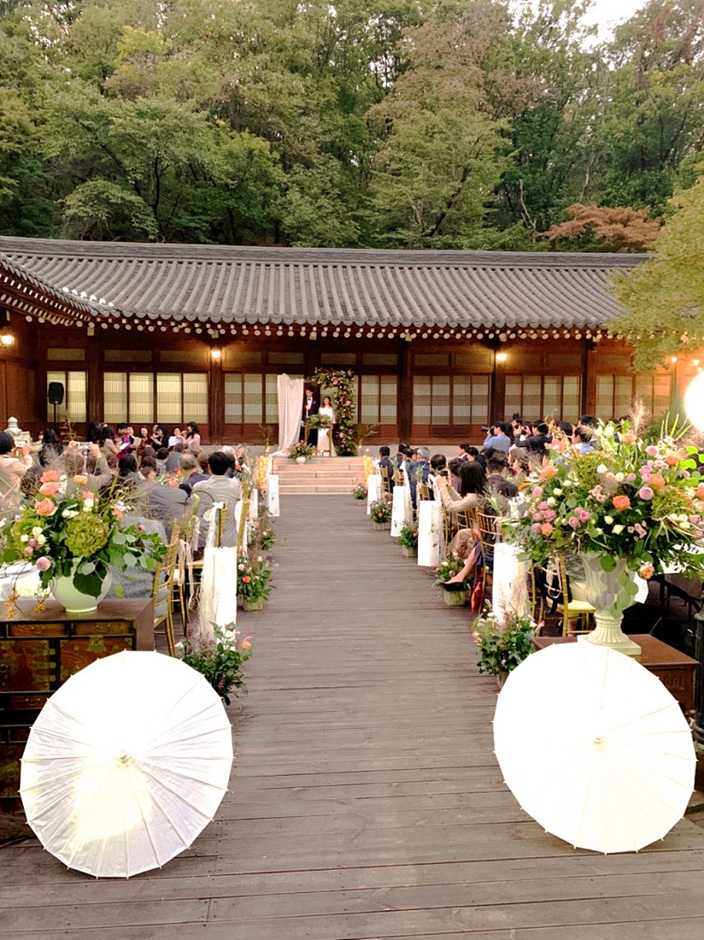
Seonungak (한옥카페 선운각)
223 Samyang-ro 173-gil, Gangbuk-gu, Seoul
Seonungak is a hanok cafe facing Doseonsa Temple at the foot of Bukhansan Mountain, the perfect location to take in the beauty of the changing seasons. The cafe is also the largest hanok building outside of the royal palaces in Seoul. Previously limited to weddings and filming events, the hanok has reopened as a cafe, selling a range of traditional Korean drinks.
![Seonunsan Mountain [National Geopark] (선운산 (전북 서해안 국가지질공원))](http://tong.visitkorea.or.kr/cms/resource/64/2678864_image2_1.jpg)
Seonunsan Mountain [National Geopark] (선운산 (전북 서해안 국가지질공원))
158-6, Seonunsa-ro, Gochang-gun, Jeonbuk-do
Seonunsan Mountain is famous for its sunrise views at Nakjodae Overlook and Cheonmabong Peak. The mountain is mostly comprised of hard volcanic rocks, creating a landscape of sharp cliffs softened by the forest vegetation.

Seonyu Sky Sunline (선유 스카이썬라인)
136 Seonyubuk-gil, Okdo-myeon, Gunsan-si, Jeonbuk-do
The Seonyu Sky Sunline is a zipline attraction at the entrance to Seonyudo Beach. From a 45-meter-high tower, riders descend 700 meters over the sea toward a small islet near Mangjubong Peak. The ride offers panoramic views of the Gogunsan Archipelago and Seonyudo Beach. Observation decks on the upper floors provide views of Mangjubong Peak and Seonyudo Island’s famous sunset. Part of the Saemangeum sunset tourism project, the facility is equipped with modern safety systems and has become a popular experiential attraction.
Plan your Korea trip
Korea travel FAQ
How do I use the travel search?
Enter a place or interest, then narrow the results by region, category or sort order.
Will my filters stay selected on the next page?
Yes. Your search and filter choices stay in the page URL while you move through the results.
Can I find directions to each place?
Place pages include an external Google Maps search when coordinates or an address are available.
Source: Korea Tourism Organization, official website (https://knto.or.kr).