TRAVEL IN KOREA
Korea Places to Visit
Find attractions, culture, festivals, stays, restaurants, shopping and travel courses for a clear Korea trip plan.
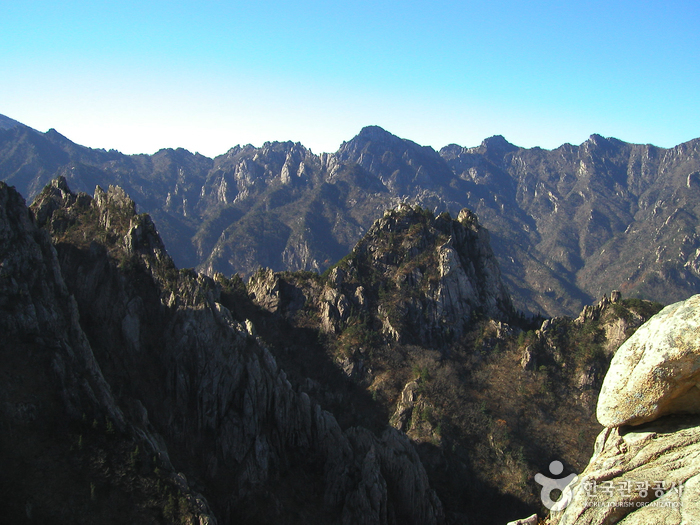
Seoraksan Gwongeumseong Fortress (설악산 권금성)
1091 Seoraksan-ro, Sokcho-si, Gangwon-do
Gwongeumseong Fortress is a stone castle from the Goryeo dynasty and is located 800 meters above sea level in Seoraksan National Park. From a distance, Gwongeumseong Fortress looks like a rising peak, while up close, the expansive stone floor and remnants of castle walls become visible. Visitors can access the fortress via hiking trails or by taking a cable car. From the fortress, visitors can enjoy the majestic view of Seoraksan Mountain and the blue waters of the East Sea.
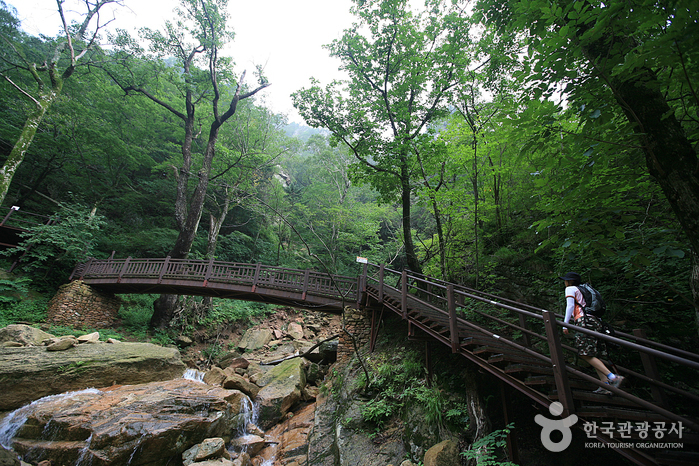
Seoraksan Heullimgol Valley (설악산 흘림골)
San1-71, Osaek-ri, Seo-myeon, Yangyang-gun, Gangwon-do
Yangyang’s Heullimgol Valley, named for its cloud-like, foggy appearance due to the surrounding high mountains and deep valleys, offers a spectacular view and serves as the gateway to Deungseondae. This spot provides an expansive view of the southern side of Seoraksan Mountain. Notable sites near Heullimgol Valley include Yeosimpokpo Falls, Deungseondae, Deungseonpokpo Falls, Geumgangmun Gate, and Jujeongol Valley. Access to Heullimgol Valley is strictly limited to 5,000 visitors per day, with entry based on time reservations. Therefore, visitors must make a reservation through the Korea National Park Service's reservation system before visiting.
Seoraksan National Park (Outer Seorak) (설악산 국립공원 (외설악))
1 Daecheongbong-gil, Yangyang-gun, Gangwon-do
Seoraksan Mountain is renowed for its natural splendors and breathtaking views. It holds the distinction of being Korea's first UNESCO Biosphere Reserve and is also listed on the IUCN Green List. The mountain is divided into Inner Seorak, South Seorak, and Outer Seorak, which includes Daecheongbong peak (1,708 meters above sea level), ranking as the third highest peak in Korea. The area is celebrated for its popular hiking trails, with the sunrise and sunset views from the top being particularly spectacular.
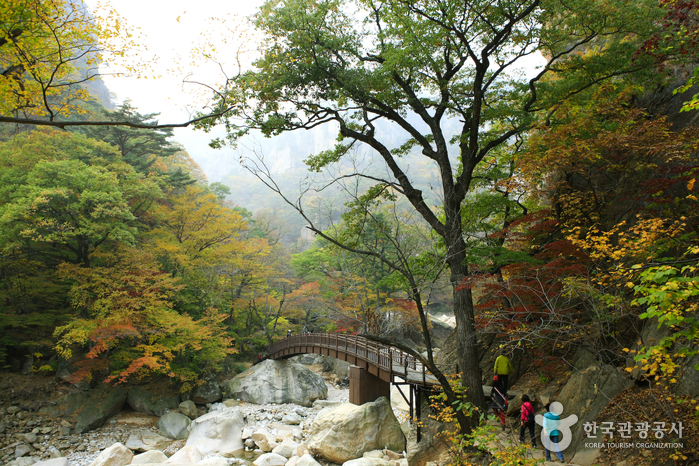
Seoraksan National Park (Southern Section) (설악산국립공원 (남설악))
801 Seorak-ro, Yangyang-gun, Gangwon-do
Seoraksan Mountain, the highest amid the Taebaek Mountain Range, boasts beautiful landscape and scenery all year round. To the east of Hangyeryeong and Misiryeong Passes is classified as the outer section ("Oeseorak"), to the west is the inner section ("Naeseorak"); and to the south of Hangyeryeong Pass as the southern section ("Namseorak"). The southern section is famous for its mineral water, hot springs, and waterfalls including Yongsopokpo, Sibipokpo, and Yeosinpokpo Falls. Jeongbongsan Mountain (1,424.2 meters) is also included in the area. There are also several different hiking courses varying in distance and duration.
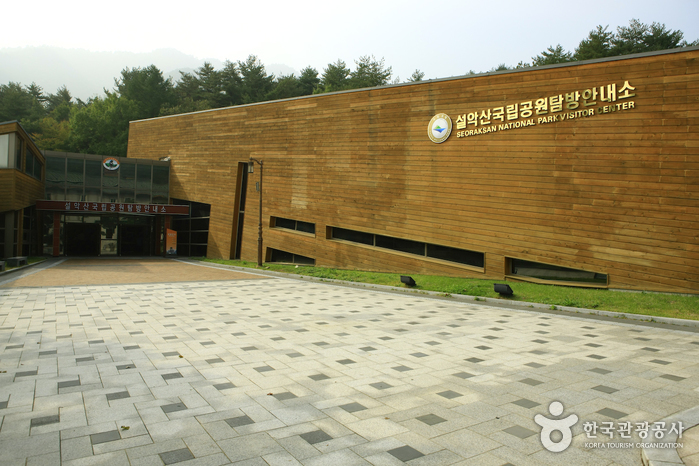
Seoraksan National Park Visitor Center (설악산 탐방안내소)
833, Seoraksan-ro, Sokcho-si, Gangwon-do
Seoraksan National Park Visitor Center provides comprehensive information on the national park for visitors, and serves as a cultural center. Themed exhibits are presented throughout the building to promote environmental awareness about the park’s special ecology.
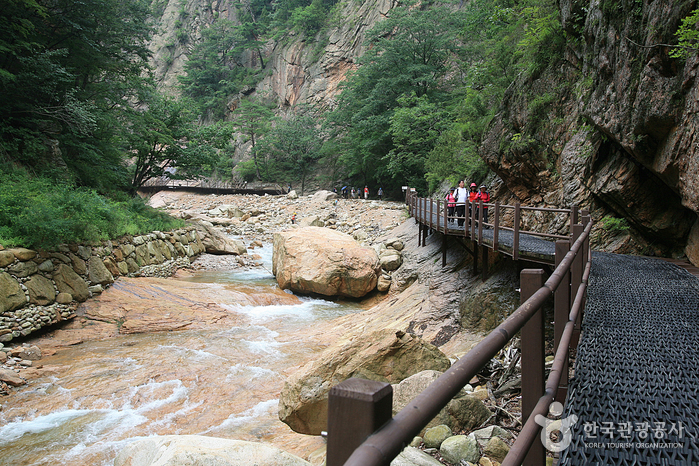
Seoraksan Osaek Jujeongol Valley (설악산 오색주전골)
Yaksu-gil, Seo-myeon, Yangyang-gun, Gangwon-do
Osaek Jujeongol Valley in Seoraksan Mountain is renowned for its vibrant autumn maple leaves. The area features a 7-kilometer trail stretching from Oksaek Mineral Spring to Yongsopokpo Falls, accessible to all visitors. The valley boasts stunning scenery, with a mix of valleys and rock formations. When the autumn leaves begin to change colors, the landscape turns into a breathtaking masterpiece.
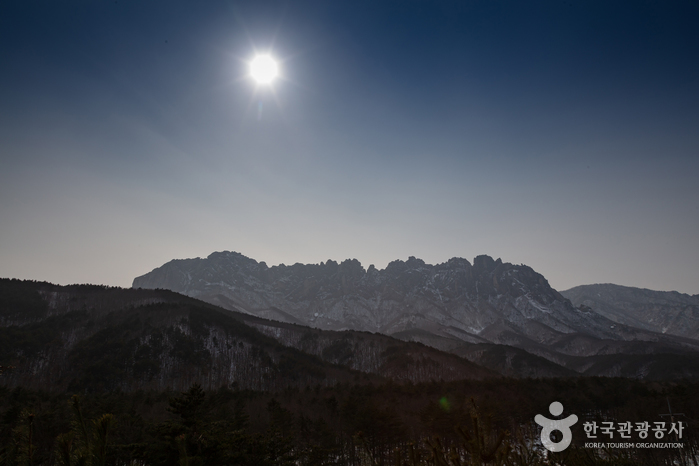
Seoraksan Ulsanbawi Rock (설악산 울산바위)
1091 Seoraksan-ro, Sokcho-si, Gangwon-do
Ulsanbawi is a rock formation in Seoraksan Mountain that consists of six massive peaks, each reaching 900 meters above sea level. The name "Ulsanbawi" is derived from the shape of the peaks, which spread out like a fence, and it is located at the center of Seoraksan Mountain. This rock is celebrated for its unique shape, the scenic beauty surrounding it, and its hiking trails. It takes about three hours to reach the top of Ulsanbawi from Sogongwon Park.
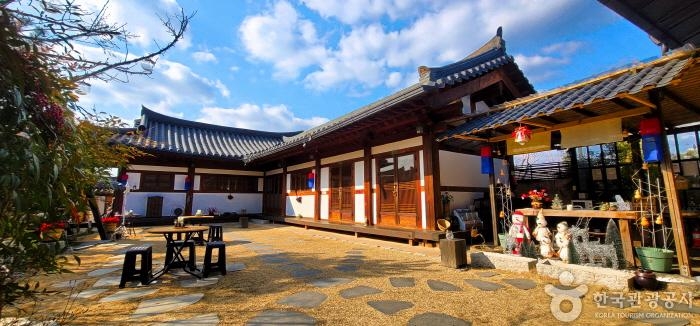
Seoro (서로)
100-12 , Hanji-gil, Wansan-gu, Jeonju-si, Jeonbuk-do
Seoro is a traditional hanok accommodation located in the Jeonju Hanok Village that offers guests a peaceful and quiet atmosphere. There are 10 different types of rooms, including ondol-type rooms, duplex-type rooms, and pension-type rooms. Traditional Korean red clay and ondol floors are installed in each room using the traditional Korea gudeul method (underfloor heating system), and the finest Korean wonanggeumchim (lovebird bedding) are provided. At night, you can rest under the stars on the large yard or toenmaru (narrow wooden porch).
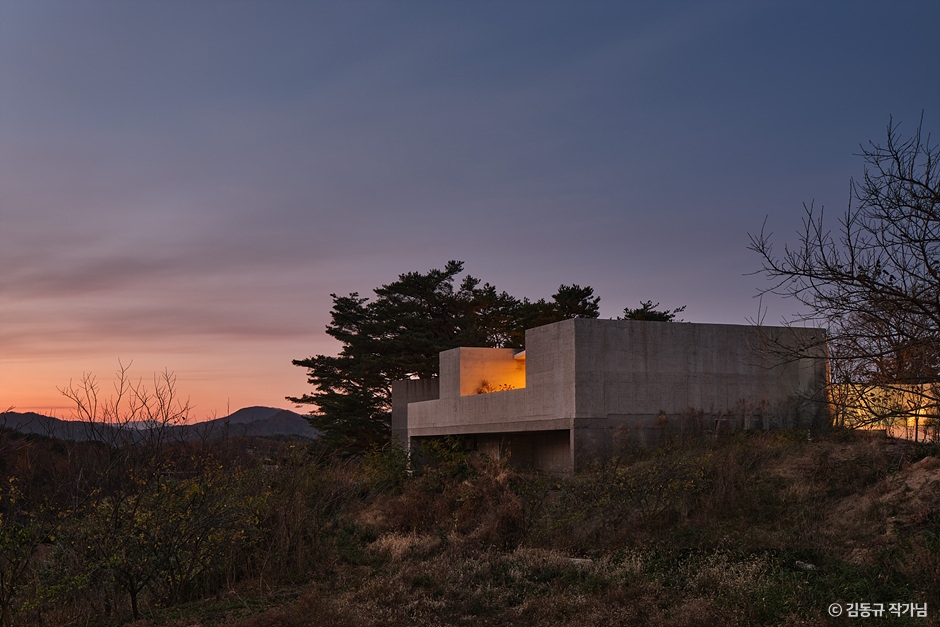
Seorojae (서로재)
118 Bongsudae-gil, Jugwang-myeon, Goseong-gun, Gangwon-do
Seorojae is a beautiful accommodation with a name meaning "house which greets the morning dew." Guests can relax in nature, enjoying the breeze blowing through the pine forest, and listen to the birds chirping in the trees while relaxing in the garden or using the outdoor bath.
Seosan Buseoksa Temple (부석사(서산))
243 Buseoksa-gil, Seosan-si, Chungcheongnam-do
Located on Dobisan Mountain in Seosan, Chungcheongnam-do, Buseoksa Temple was built by the Great Monk Uisang in 677, the 17th year of King Munmu of Silla, and was later rebuilt by Great Monk Muhak during the Joseon dynasty. The temple houses eight seated Buddha statues and attracts many visitors due to its magnificent surrounding scenery.
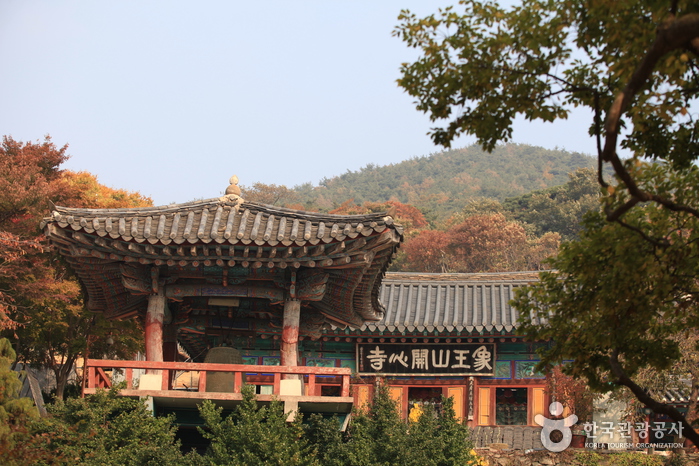
Seosan Gaesimsa Temple (개심사(서산))
321-86, Gaesimsa-ro, Seosan-si, Chungcheongnam-do
Situated in a dense forest in Sangwangsan Mountain and 6 kilometers away from Haemi-myeon, Gaesimsa Temple is one of the four major temples in Chungcheongnam-do. The path from the parking lot to the temple site is quite remote and curved, but beautiful especially in spring when cherry blossoms are in full bloom. The temple was built in 1484 during the 15th year of King Seongjong and designated as a Treasure. The architecture of the temple stands out, as the buildings use bent tree trunks for pillars.
Seosan Ganworam Hermitage (간월암(서산))
119-29, Ganwoldo 1-gil, Seosan-si, Chungcheongnam-do
Ganworam is a small hermitage located in Ganwoldo-ri in Seosan-si, Chungcheongnam-do. Ganworam Hermitage was created by the Great Monk Muhak, the monk to King Taejo of the Joseon dynasty. The name of the hermitage is directly tied with Muhak himself as it is said Muhak became enlightened while meditating under the moon ( wol means moon in Korean) at this hermitage. At low tide, Ganworam Hermitage is connected to shore via a natural walkway, but at high tide, the walkway is submerged and the hermitage becomes an island. At night time, in particular, the hermitage and its surrounding islets create a breathtaking view as the moonlight reflects off the sea.
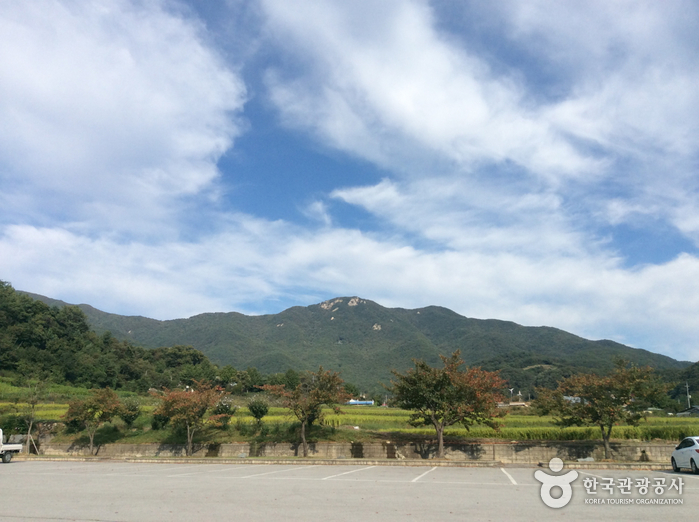
Seosan Gayasan Mountain (가야산(서산))
Sansu-ri, Seosan-si, Chuncheongnam-do
Gayasan Mountain has easy and enjoyable hiking trails connecting Gayabong Peak, the main peak, with other peaks and mountains, namely Wonhyobong Peak (677 m), Ogyangbong Peak (621.4 m), Illaksan Mountain (521.4 m), Sujeongbong Peak (453 m), and Sangwangsan Mountain (307.2 m). The trails are as easy and suitable for all hikers including the elderly and young hikers. A distant view of the west sea is even visible from the top of the mountain. Gayasan Mountain offers amazing scenery all year round, most notably in spring when azaleas, royal azaleas, and an array of wildflowers are in full bloom. The mountain also contains the Seosan Rock-carved Buddha Triad (National Treasure), which is considered the best rock-carved Buddha from the Baekje period. The mountain is also home to Bowonsa Temple Site, Gaesimsa Temple, and Illaksa Temple. With one National Treasure, six Treasures, and four cultural heritages preserved on the mountain, it is safe to say that Gayasan Mountain is the heart of Naepo Culture Zone (northwestern region of the province of Chungcheongnam-do), making the entire mountain a cultural asset.
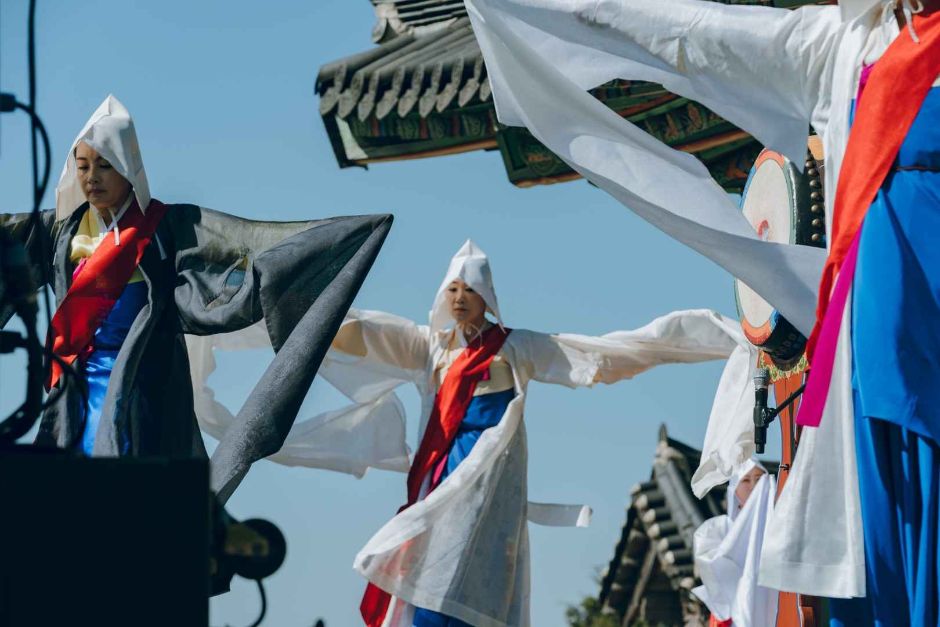
Seosan Haemi Eupseong Festival (서산해미읍성축제)
143 Nammun 2-ro, Seosan-si, Chungcheongnam-do
The Seosan Haemi Eupseong Festival is a cultural festival held at Seosan Haemieupseong Walled Town, an ancient fortress with a 600-year history. The festival combines light, music, and the historic fortress to create a fantastic nighttime scenery and offers content for all generations. During the day, visitors can enjoy sophisticated performances while picnicking, and at night, they can partake in a vibrant evening stroll.
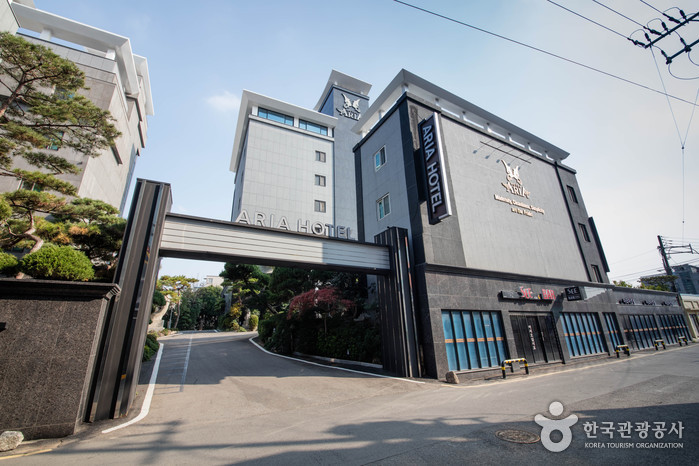
Seosan Hotel Aria (서산아리아호텔)
94 , Dongheon-ro, Seosan-si, Chungcheongnam-do
Seosan Aria Hotel, near Central Lake Park in Seosan-si, Chungcheonnam-do, consists of a main building, new building, an annexe, and a deluxe building, and has 80 rooms accommodating up to 160 people. There are three types of room: Garden rooms have access to the roof-top garden; Studio rooms are equipped with home theatres and accomodate up to four people; and Duplex rooms. Public transport connections are good, and the hotel is just 1km away from Seosan City Hall and adjacent shopping malls. There’s a large parking lot (one car per room).
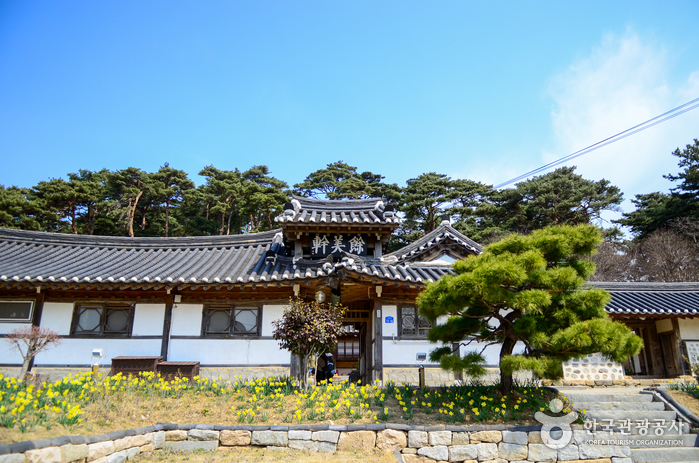
Seosan House of Yu Gibang (서산 유기방가옥)
72-10 Imunan-gil, Seosan-si, Chungcheongnam-do
House of Yu Gibang was built in the early 1900s and measures 4,770㎡. As a valuable historical asset, it was designated as a Chungcheongnam-do Folk Culture Heritage on October 31, 2005. The house faces south on a low mountain with a thick pine forest background. A courtyard is at the center of the house, created by the straight line-shaped anchae to the north, the haengnangchae to the west, and a chat room with anchae to the east. Initially, there was a middle gate in front of the anchae, but it was demolished in 1988 and replaced with a pavilion-shaped gate as seen now.
Plan your Korea trip
Korea travel FAQ
How do I use the travel search?
Enter a place or interest, then narrow the results by region, category or sort order.
Will my filters stay selected on the next page?
Yes. Your search and filter choices stay in the page URL while you move through the results.
Can I find directions to each place?
Place pages include an external Google Maps search when coordinates or an address are available.
Source: Korea Tourism Organization, official website (https://knto.or.kr).