TRAVEL IN KOREA
Korea Places to Visit
Find attractions, culture, festivals, stays, restaurants, shopping and travel courses for a clear Korea trip plan.
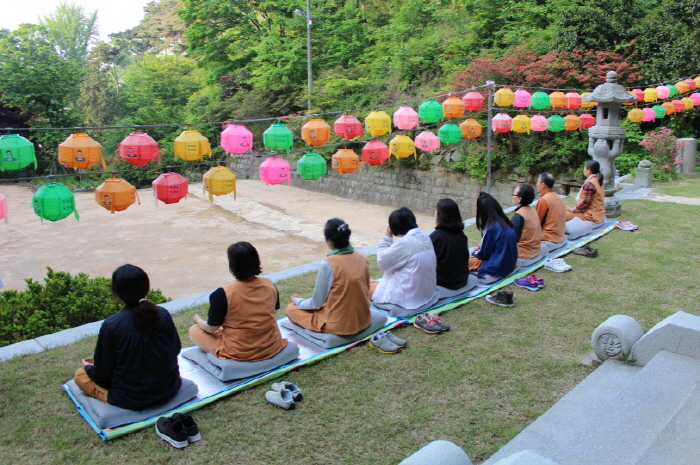
Seosan Seogwangsa Temple (서광사(서산))
44, Buchunsan 1-ro, Seosan-si, Chungcheongnam-do
Seongwangsa Temple is located in the quiet downtown area of Eupnae-dong, Seosan in Chungcheongnam-do. Its convenient location makes it easily accessible from almost anywhere in town. The temple was built by Great Monk Daegyeong in 928 in the late Silla period and the scholar Choi Chiwon came here to study while he was serving as the governor of Buseong-gun (currently Seosan) in 893. Originally, the temple was called Samseonam, or Three Hermitages, for there had been three hermitages in the upper, middle, and lower part of Buchunsan Mountain. During the late Joseon dynasty, the hermitages in the upper and middle part were closed and only the one at the bottom survived. In 1987, the name was changed to Seogwangsa Temple.
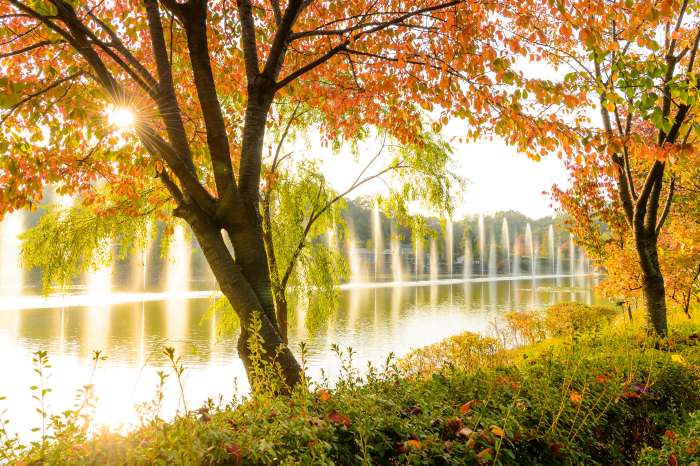
Seoseoul Lake Park (서서울호수공원)
20, Nambusunhwan-ro 64-gil, Yangcheon-gu, Seoul
Covering over 225,000 ㎡ of land in the southwestern part of Seoul, Seoseoul Lake Park, also known as West Lake Park, was to resolve the regional imbalance in the city. The park is a eco-friendly park designed with the themes of "water" and "recycling." Before turning into a park, the area was used as a purification plant that produced approximately 120,000 tons of tap water to Seoul. The park has a children's playground, sports facilities like the soccer field, basketball court and badminton courts, and a cultural plaza. With its vast space and 24-hour operation, the park provides a relaxing ground for the citizens of Seoul.
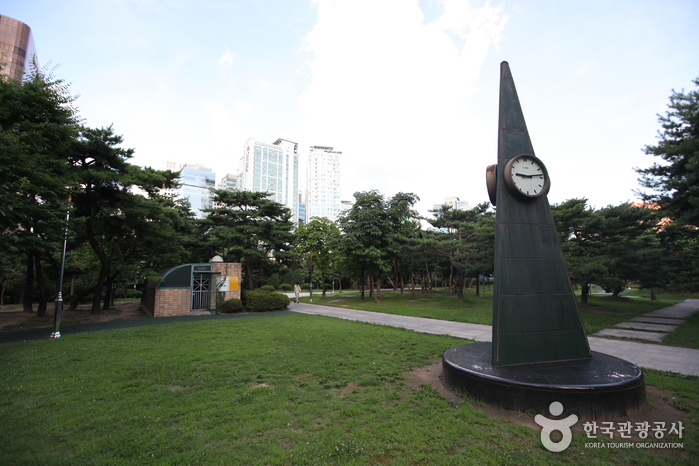
Seosomun Historical Park (서소문역사공원)
5, Chilpae-ro, Jung-gu, Seoul
The Seosomun Gate area, which is located outside Seosomun Gate, was used as a persecution site in the 19th century before it turned into the local park of today. Many Catholics were suppressed and martyred here, making the area a holy site for Korean Catholics. Seosomun Gate was a gateway to Chilpae Market located near Namdaemun Gate. It was always busy with passerbys and the persecution site was established outside the gate to set an example of crime punishment to all the witnesses. On May 15, 1999, a memorial tower was raised at the center of the park in honor of the martyrs. In 2013, Seoul's Jung-gu district also founded Seosumun Holy Shrine History Museum with a memorial exhibition hall in their honor.
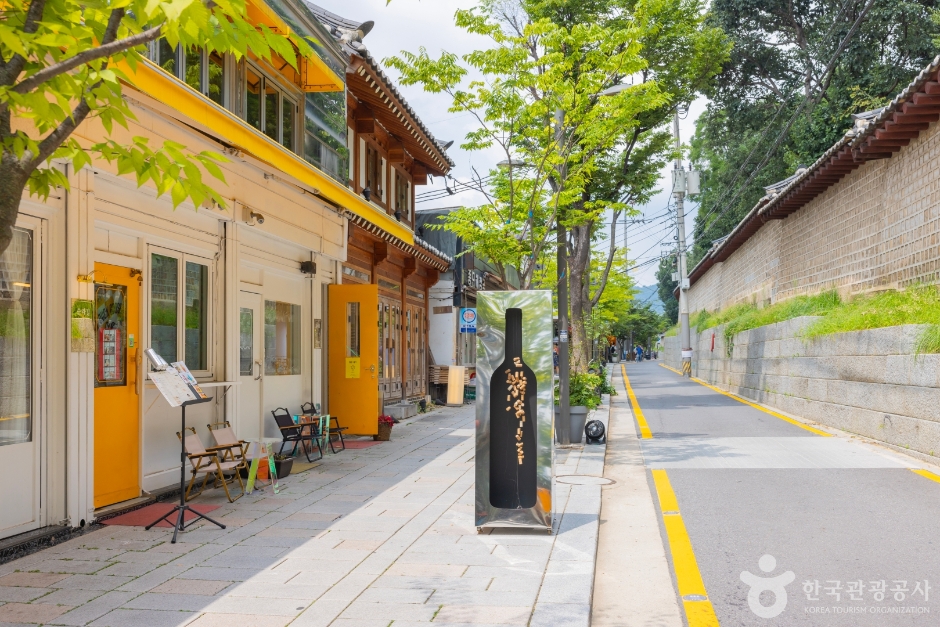
Seosulla-gil Road (서순라길)
150-3 Jong-ro, Jongno-gu, Seoul
Seosulla-gil Road is a road that was used by the nightguards during the Joseon dynasty. The road is on the west of Jongmyo Shrine with various attractions nearby including Ikseon-dong, Insa-dong, Bukchon, and Samcheong-dong, as well as restaurants, cafes, and handicraft workshops. The road is also a beautiful date course with flowers in spring and fall foliage in autumn..
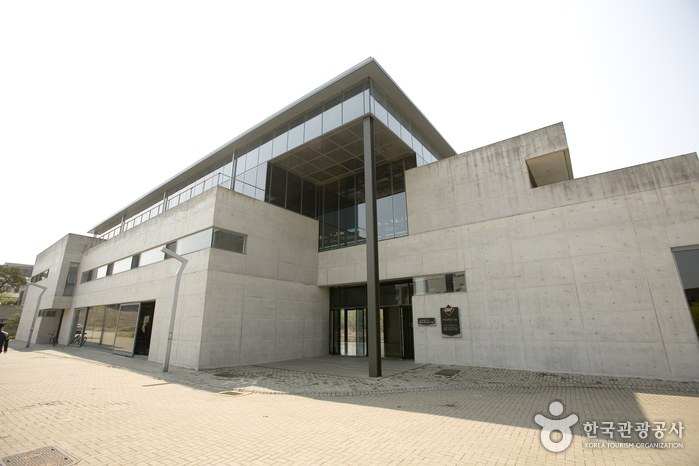
Seoul Action School (Martial Arts Center) (서울액션스쿨 (마샬아트센터))
18-61, Heyrimaeul-gil, Paju-si, Gyeonggi-do
Seoul Action School, located in the artist village of Heyri in Paju-si, Gyeonggi-do, started out as Stunt Academy. The school was founded on July 1, 1998 by Kim Yeong-Bin (director and screenwriter) and Jeong Du-Hong (actor and martial arts director), who believe that revitalizing action film is one way to contribute to and develop the film industry. Seoul Action School is the only action training institution in Korea that teaches not only acting, but also action techniques that can be used in a variety of film genres to help performers become even more marketable in the ever-globalizing film industry.
Seoul Arts Center (예술의전당)
2406 Nambusunhwan-ro, Seocho-gu, Seoul
The Seoul Arts Center is the representative art complex of Korea. It is comprised of the Opera House, Concert Hall, Art Gallery, Calligraphy Museum, Art Material Hall, and an outdoor stage. You can enjoy various performances and exhibitions all in one site. The Opera House and Concert Hall consist of a total of five performance halls offering an average of 800 performances ever year, whereas the Art Gallery and Calligraphy Museum has seven exhibition halls providing various exhibitions throughout the year. The outdoor stage also provides various genres of performances all year round.
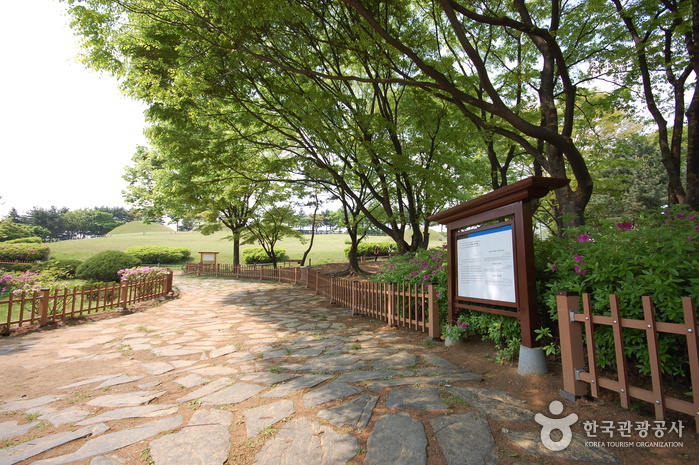
Seoul Bangidong Ancient Tombs (서울 방이동 고분군)
219, Ogeum-ro, Songpa-gu, Seoul
The ancient tombs in Bangi-dong were discovered during the land readjustment project of Jamsil-jigu District in 1975. A total of eight ancient tombs were excavated until 1976, and the site was restored into a park in 1983. The Bangi-dong area was originally a low line of hills with an altitude of 30-50 meters above sea level, but it has been made into flatland for urban development purposes. Tomb numbers 1 to 6 lie on the same hill, while tomb no. 7 and 8 are located on another hill a short distance away. All eight tombs have circular burial mounds. The insides of the a tomb feature a square or rectangular-shaped burial chamber with earthen ground and stone walls, and a passage leading from the tomb entrance to the chamber. However, details of the burial chambers vary by tomb. Most of the tombs had been robbed before the investigation, but a few relics such as plates and pots have been excavated. At the time of excavation, the relics were presumed to have come from the Baekje dynasty (18 BC-660 AD), but it is now estimated that they date back to the Unified Silla Period (676-935 AD).
Seoul Battleship Park (서울함공원)
407 Maponaru-gil, Mapo-gu, Seoul
Seoul Battleship Park is the city's first-ever battleship-themed park established through a sisterhood relationship with the city of Seoul and by using three retired vessels - Seoul-ham, Chamsuri, and a submarine - that had retired after serving the mission of protecting Korea's waters for 30 years. The three vessels whose original appearances have been preserved intact offer unique exhibits and entertainment and aim to present a special experience to citizens who visit Seoul Hangang Park through new and exciting things to see and enjoy.
Seoul BGSS Eye Clinic (서울밝은세상안과)
2F & 5F-7F, 823 Seolleung-ro, Gangnam-gu, Seoul
BGSS Eye Clinic has specialized in vision correction since its establishment in 1997. It is the first-generation eye clinic that introduced LASIK and LASEK surgeries in Korea. The clinic consists of the Vision Correction Precision Examination Center, General Surgery Center, General Consultation Center, and the Vision Correction Research Center perched over four floors. The Vision Correction Precision Examination Center is divided into the LASIK Precision Examination Center and the Post-surgery Consultation Center. The Vision Correction Precision Examination Center conducts approximately 50 types of precision examinations and a 10-phase special diagnostic examination, leveraging the largest number of examination devices in Korea. The clinic's DNA Genetic Testing Lab conducts the Avellino Lab Universal Test for all surgical patients to ensure safer surgeries. It is the only clinic in Korea capable of handling the entire process in-house, from collecting DNA to in-house analysis and result confirmation, so patients can get surgery on the day of the test.
Seoul Bongeunsa Temple (봉은사 (서울))
531 Bongeunsa-ro, Gangnam-gu, Seoul
Once known as Gyeonseongsa Temple, Bongeunsa Temple is located north of COEX, and was constructed in the 10th year of Silla King Weongseong’s reign (794). In 1498, Queen Jeonghyeon refurbished Gyeonseongsa Temple and renamed it Bongeunsa Temple. Originally located near the Royal Tomb of King Seongjong, the temple was transferred to its current location during Joseon King Myeongjong’s reign. The temple is home to 3,479 Buddhist scriptures of 13 types, including the works of Kim Jeong-hee. The Buddhist ceremony called Jeongdaebulsa is held on the ninth day of the eighth month of the lunar calendar, where monks march carrying the scriptures on their heads and recite the Beopseongge (Buddhist rites).
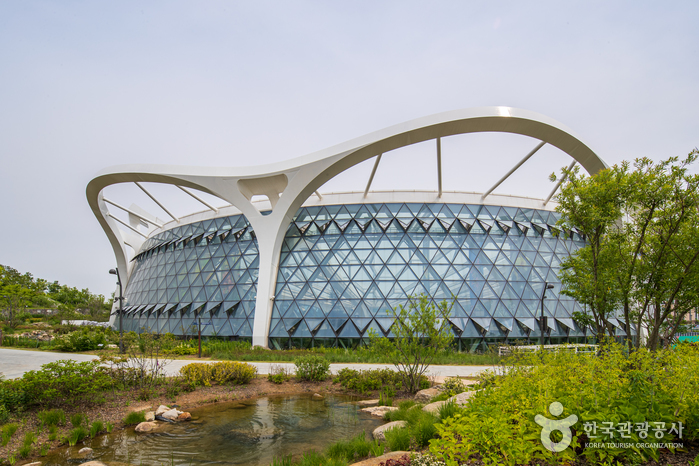
Seoul Botanic Park (서울식물원)
161 Magokdong-ro, Gangseo-gu, Seoul
The Seoul Botanical Garden was created in Magok, the last remaining development site in Seoul, to introduce native plants and horticulture of 12 different cities from around the world and raise ecological awareness in the city. Seoul Botanic Park integrates a botanical garden and a public park, and the area is the size of 70 soccer fields. It serves as a bridgehead and lifelong education institution with the aim of spreading urban garden culture while staying true to its original role as a plant research conservation institution through expanding endangered wild plant habitats, researching the proliferation of species, and developing varieties. The botanical garden is divided into four spaces: Open Forest, Themed Garden, Lake Garden, and Wetland Garden. The main highlight is the Themed Garden that comprises the Botanic Center, Mogok Cultural Hall, and an outdoor themed garden.
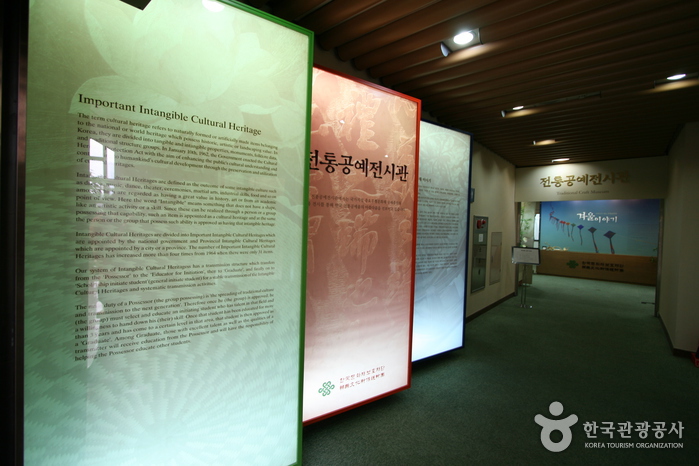
Seoul Center for National Intangible Cultural Asset (서울국가무형문화재전수회관)
406, Bongeunsa-ro, Gangnam-gu, Seoul
Created by the government to hand down traditions and preserve important, intangible cultural assets, the center supports cultural masters in the training of their pupils and their efforts to promote Korean traditional culture to the general public. The center houses 8 groups that represent the music field. Serving not only as a training ground for those specializing in the arts, the center also seeks to reach out to the general public through regular programs and recitals. Musicians also participate in musical conferences, events and performances on a national and international level. There are 12 craft groups at the center that are directed by craft masters who have been designated 'National Intangible Cultural Assets.' Craft groups host a number of training programs. Other special features of the center include the 'Pungryu,' a 147-seat folk theatre; the 2 or 3 story 'Traditional Craft Hall' with an open-run exhibition hall and planned exhibition hall; a shop selling the works of the artists; a seminar room; a training room; and a practical training room.
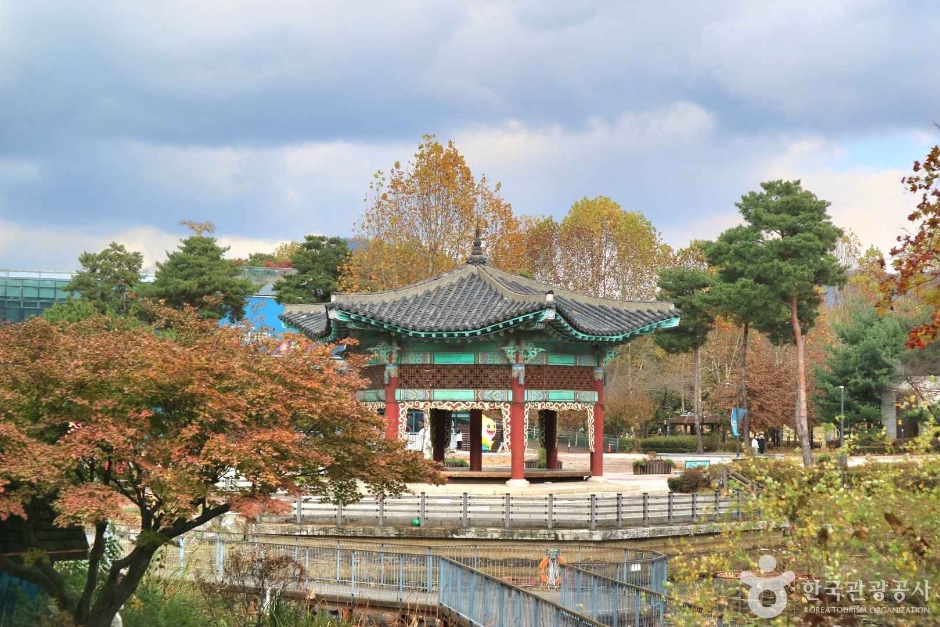
Seoul Children's Grand Park (서울어린이대공원)
216 Neungdong-ro, Gwangjin-gu, Seoul
Opened in May 1973, Seoul Children’s Grand Park is a theme park situated among green forests and fields with a total area of 56,552㎡. It contains a zoo, arboretum, amusement park, and performance venues. Seoul Children’s Grand Park has been a beloved part of Seoul, a paradise for children and a living venue for education. For grown-ups, it functions as an area of refuge and culture within the city. The Grand Park offers facilities that everyone in the family can enjoy, so everyone can find their own fun in the Grand Park.
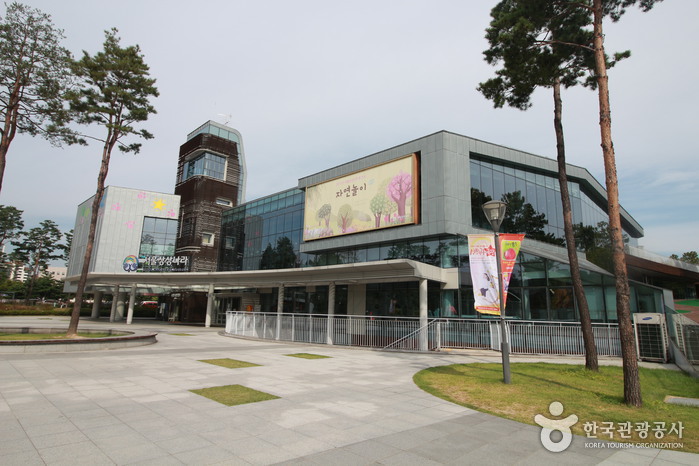
Seoul Children's Museum (서울상상나라)
216 Neungdong-ro, Gwangjin-gu, Seoul
Seoul Children's Museum is a multifaceted cultural space established in 2013 to foster children's creativity and imagination. Spanning from the basement floor to the third floor, it boasts over a hundred interactive exhibits. These exhibits cover a wide range of areas including art, imagination, thought, and physical play, organized into ten distinct zones. It's a popular destination where children can learn and expand their imagination through play. Advanced booking is required, and reservations can be made through the website.
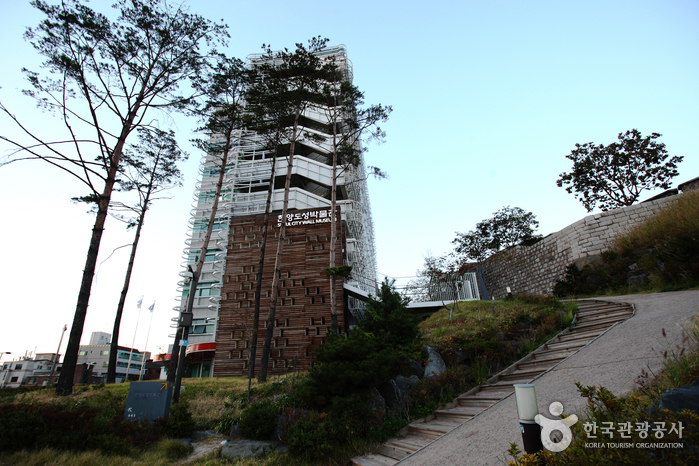
Seoul City Wall Museum (한양도성박물관)
283, Yulgok-ro, Jongno-gu, Seoul
Hanyangdoseong, the Seoul City Wall, built in 1396, was the city fortress wall that protected the capital city Seoul for over 600 years. The fortress wall was built along the terrains and although it became partially damaged during the modernization process, its original form remains well to this day, making it a cultural heritage that coexists with the modern city. The Seoul City Wall Museum, located in Heungjinjimun Park, is a museum containing the history and culture of city wall from the Joseon dynasty to the present. It is a cultural space with a permanent exhibition hall, special exhibition hall, city wall information center, and study room.
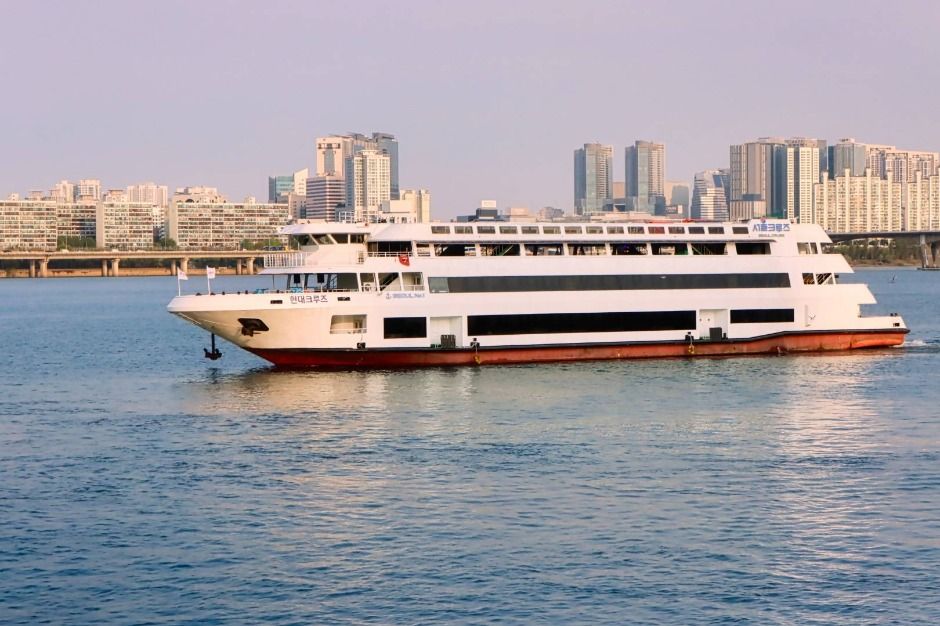
Seoul Cruise (서울크루즈)
231 Yeouidohanganggongwon-gil, Yeongdeungpo-gu, Seoul
Hyundai Cruise Line, Korea's first marine tourism cruise operator, was founded in 1983 and renamed Seoul Cruise after building a new terminal in Yeouido. With Yeouido Ferry Terminal as its base, Seoul Cruise is the only passenger cruise operator that can travel from the Hangang River to the West Sea, passing through the Ara West Sea Lock. The company currently operates from two terminals: Yeouido Ferry Terminal and Ara Gimpo Terminal. In addition to offering tours that showcase the scenic beauty of the Hangang River, Seoul Cruise also provides other options, such as the Dinner Fireworks Cruise, which lets passengers enjoy a fireworks show along the Ara Waterway in Gimpo.
Plan your Korea trip
Korea travel FAQ
How do I use the travel search?
Enter a place or interest, then narrow the results by region, category or sort order.
Will my filters stay selected on the next page?
Yes. Your search and filter choices stay in the page URL while you move through the results.
Can I find directions to each place?
Place pages include an external Google Maps search when coordinates or an address are available.
Source: Korea Tourism Organization, official website (https://knto.or.kr).