TRAVEL IN KOREA
Korea Places to Visit
Find attractions, culture, festivals, stays, restaurants, shopping and travel courses for a clear Korea trip plan.
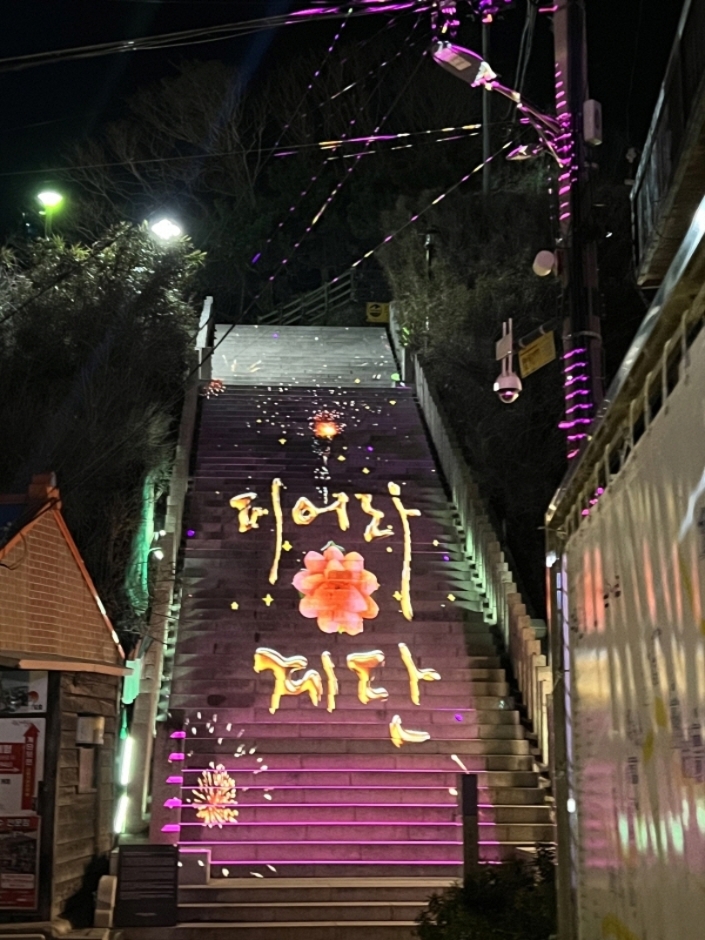
Guryongpo Pieora Stairway Media Art (구룡포 피어라계단 미디어아트)
277 Homi-ro, Guryongpo-eup, Nam-gu, Pohang-si, Gyeongsangbuk-do
Guryongpo Pieora Staircase Media Art takes place on the large staircase heading up the hill behind Guryongpo Japanese House Street. The lighting display uses anamorphic techniques to create a beautiful show on the stairs. The performance lasts for approximately 10 minutes and goes through four themes, including the ocean and POSCO.
Guryongpo Port (구룡포항)
222-1 Homi-ro, Nam-gu, Pohang-si, Gyeongsangbuk-do
Guryongpo Port, located on the way from Pohang Homigot to Gampo, is a place that took the shape of a port when a pier and a breakwater were built in 1923 during the Japanese colonial period. Currently, it has facilities of about 600 meters of the northern breakwater, 400 meters of the southern breakwater, and 600 meters of a wharf and has a loading capacity of 334,000 tons. Guryongpo Modern Culture and History Street is nearby, where visitors can see traditional Japanese houses. Guryongpo Market is also nearby, allowing visitors to enjoy the friendly atmosphere of the local market and delicious food. Many places are selling half-dried saury, a local specialty, and it is known as the nation's largest producer of snow crabs, so visitors can enjoy good quality half-dried saury and fresh snow crabs.
Guryongsa Temple (구룡사)
500, Guryongsa-ro, Wonju-si, Gangwon-do
Guryongsa Temple is located 6 kilometers from Birobong Peak on Chiaksan Mountain, in the direction of Hakkok-ri. It was believed that Monk Uisang (625-702) of the Silla Kingdom (57 BC - AD 935) built and named the temple Guryongsa in 668 during the reign of King Munmu. However, it is now known that the temple was built after King Sukjong, the 19th King of the Joseon dynasty (1392-1910), who reigned from 1674 to 1720, because of the architectural style of Daeungjeon Hall. There is a legend that the Guryongsa Temple site was originally a lake where nine dragons lived. The name Guryong comes from the story that the lake was filled up to build the temple on it. There are many buildings such as Daeungjeon Hall, Bogwangnu Pavilion, Samseonggak Pavilion, Simgeomdang Hall and Seolseondang Hall. Daeungjeon Hall has maintained its original shape though it was repaired many times.
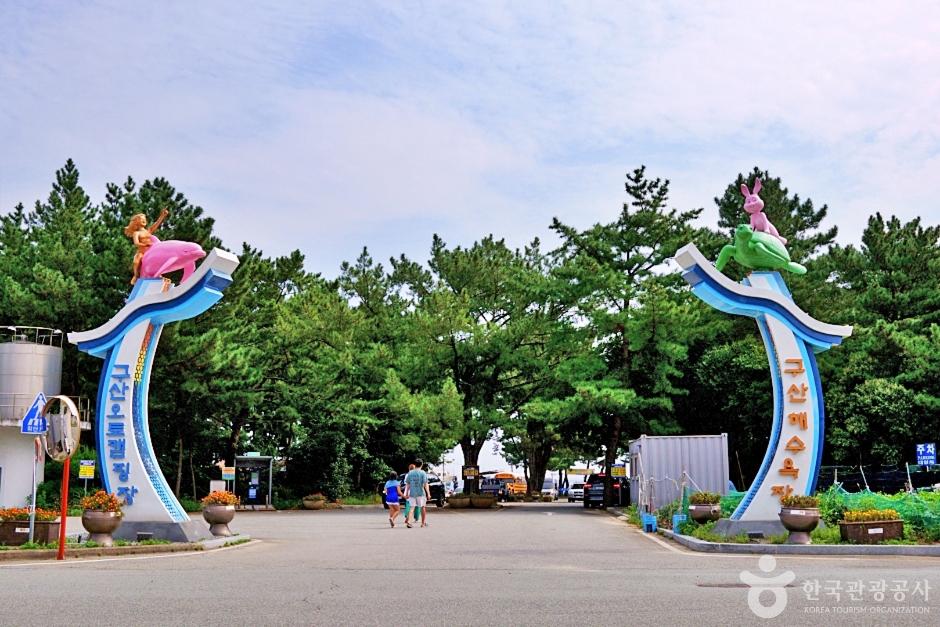
Gusan Beach (구산해수욕장)
Gusan-ri, Giseong-myeon, Uljin-gun, Gyeongsangbuk-do
Gusan Beach, situated to the north of Wolsongjeong Pavilion, is a picturesque coastal spot stretching over 400 meters in length, with water depths reaching approximately two meters. This beach is celebrated for its clear waters, expansive stretches of white sand, gently sloping shores, and a surrounding lush pine forest, making it an ideal destination for family vacations. Visitors can enjoy swimming at the beach annually from mid-July to the end of August. Within the serene pine forest, visitors can find drinking fountains and campsites, offering a perfect setting for relaxation, shade, and forest bathing. In addition to the beach, the area boasts nearby attractions such as Wolsongjeong Pavilion, Aewolheon House, and the Myeonggyeseowon Confucian Academy.
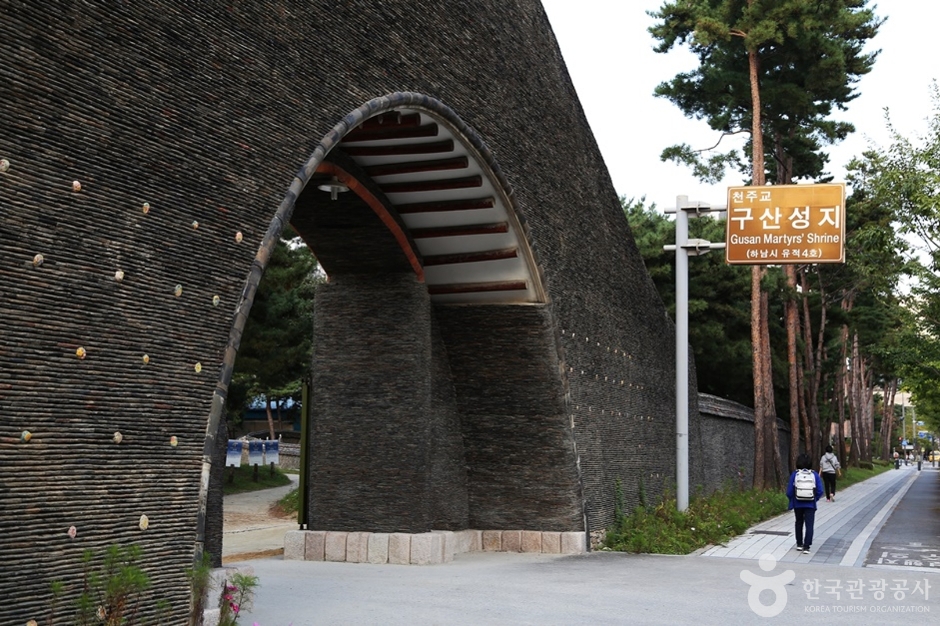
Gusan Martyrs' Shrine (구산성지)
387-16 Mangwol-dong, Hanam-si, Gyeonggi-do
Gusan Martyrs' Shrine, located in Gusan Village, named for its turtle-shaped mountain, is a Catholic holy site. It houses the graves of nine martyrs, including Kim Seongwoo Antonio. The history of the martyrs, their persecution, and their lives, imbued with a spirit of martyrdom, attract Catholic pilgrims to the site. The area's picturesque landscaping also makes it a favored location for TV drama, commercial, and film productions.
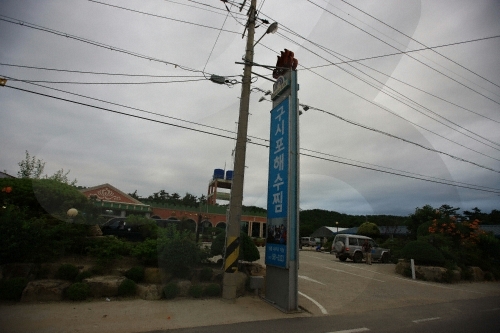
Gusipo Haesu World (Gusipo Seawater World) (구시포 해수찜월드)
540, Jinamgusipo-ro, Gochang-gun, Jeonbuk-do
The Gusipo Haesu World provides a diverse selection of jjimjilbang facilities. There is a “ Haesuyakjjim (Medicinal Seawater Bath)” full-body bath, where special healthy ingredients are added to heated seawater. This is believed to effectively treat neuralgia, arthritis, and obesity. This process extracts unnecessary substances from the skin, creating a more beautiful radiance. There are also other enjoyable facilities such as the indoor sand bathing room and a green tea spa.
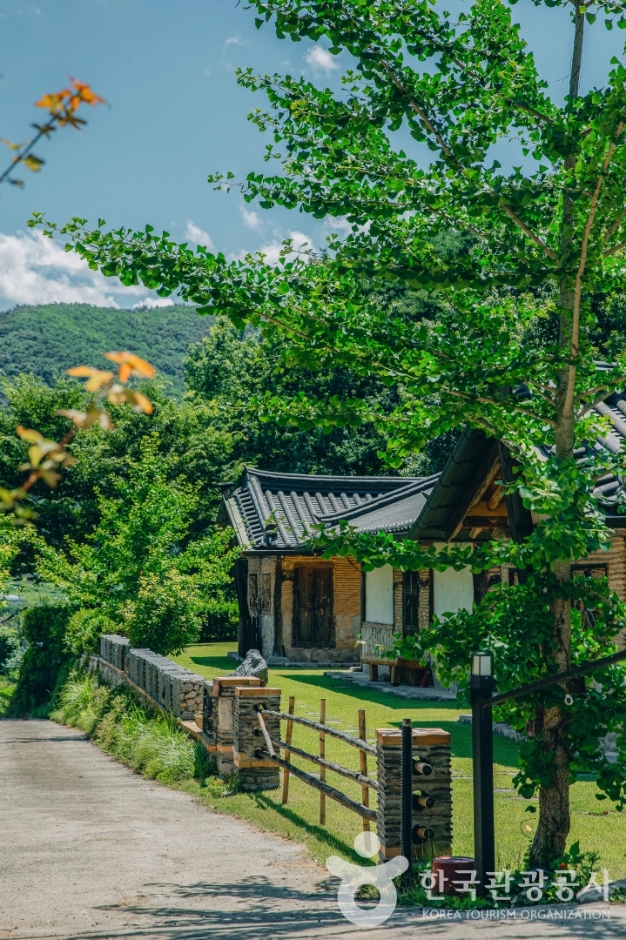
GUTORAN (구토란펜션)
17-25 , Gwigye-gil, Gyeongju-si, Gyeongsangbuk-do
Gutoran is a hanok pension in Naenam-Myeon, Gyeongju, Gyeongsangbuk-do, owned by a ceramic artist who has hand-painted and decorated the house with his own roof tiles and pottery. In front of the house is a garden and lotus pond, also decorated with ceramic works. Nearby is the owners’ pottery workshop called (‘Gutoranyo’) where visitors can take part in ceramic classes.
Guwol Oracle Dermatology & Plastic Surgery (구월동 오라클피부과)
(6th Floor, LINK 126), 126 Yesul-ro, Namdong-gu, Incheon
Guwol Oracle Dermatology & Plastic Surgery always places customer satisfaction and safety first. We are staffed by three male and female dermatologists and one gynecologist on site. We have more than 70 different laser machines and equipment, allowing us to operate a specialized total care system for tailored services depending on the patient's skin condition. Located a 30-minute drive from the Incheon Airport, we offer a one-stop service encompassing everything from skin diseases to cosmetic surgery, skin care, laser treatment, petit plastic surgery, obesity/body shaping treatment, hair loss treatment, hair removal, hair transplant, liposuction, and vaginoplasty. We have participated in business briefings and fairs at home and abroad, built a multilingual website, prepared multilingual medical forms, and attracted international patients through social media. For international patients visiting our hospital, Chinese, English, and Russian-speaking coordinators provide assistance, help patients book accommodations, and arrange pickup services upon request.
Gwacheon Chusa Museum (추사박물관(과천))
78, Chusa-ro, Gwacheon-si, Gyeonggi-do
Gwacheon was where Chusa Gim Jeong-hui immersed himself in studies and arts to ignite his final artistic spirit in the twilight of his life. The city of Gwacheon opened Chusa Museum in order to promulgate the essence of the learning and arts that Chusa flowered. The museum features the life exhibit of Chusa, an art and science exhibit, a planned exhibit hall, an experience room, lounges, a museum shop and an education room for thoroughly researching, exhibiting and experiencing Chusa.
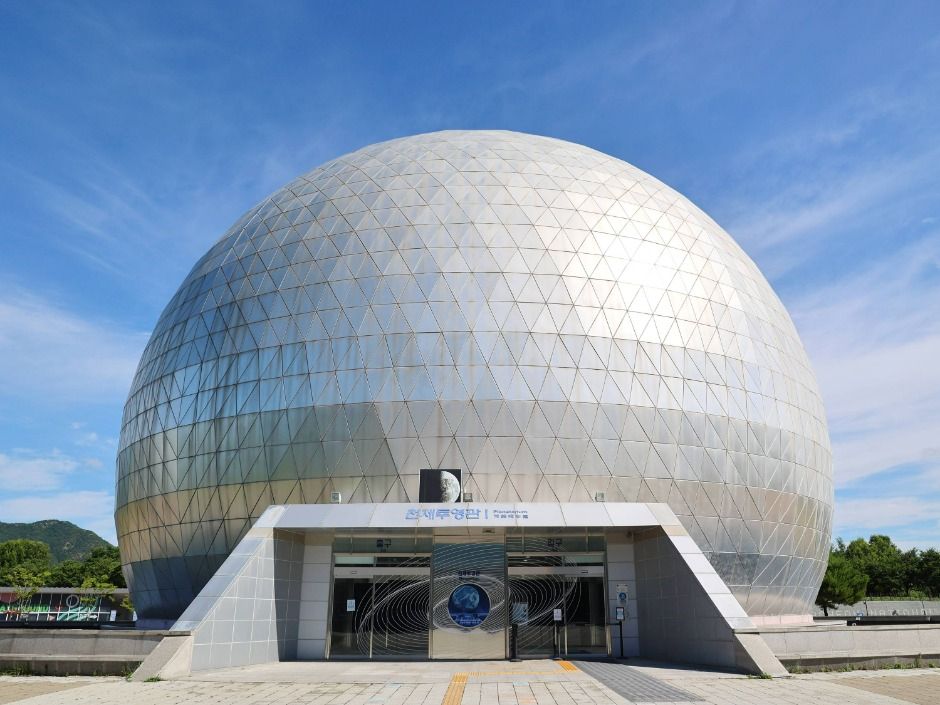
Gwacheon National Science Museum (국립과천과학관)
110, Sanghabeol-ro, Gwacheon-si, Gyeonggi-do
As a landmark facility representing Korea’s advanced science and technology capabilities, Gwacheon National Science Museum strives to encourage young visitors to become interested in science and shares with the public scientific principles that govern daily life. The museum has permanent exhibition halls, special exhibition halls, a planetarium, outdoor exhibitions, and more. Over 50% of the exhibition items on display are interactive, allowing visitors to jump in and experience science first-hand using their minds and their imagination.
Gwacheon Wildflower Nature Learning Center (과천야생화자연학습장)
118, Gyoyugwon-ro, Gwacheon-si, Gyeonggi-do
Gwacheon Wildflower Nature Learning Center was opened to provide a place to learn about nature and harmony. The area is 6,900㎡ and has approximately 112 species of wildflowers. The learning center is divided into sections according to the type and use of wildflowers. The learning center also houses a traditional tightrope walking education center. Korean tightrope walking is registered as a UNESCO Intangible Cultural Heritage of Humanity. The site offers an educational tightrope walking experience program for those interested.
Gwakdo Island (곽도)
23 Maenggolgwakdo-gil, Jodo-myeon, Jindo-gun, Jeollanam-do
Gwakdo Island is an outlying island located furthest from Jindo, belonging to the Maenggolgundo area. Renowned for its high-quality seaweed, it is also known as Miyeokguk Island (Seaweed Island). Accessible through steep rocky shores and high waves, it attracts many fishermen seeking black sea bream in winter season due to its abundant seafood and pristine waters.
Gwakji Beach (Gwakji Gwamulhaebyeon Beach) (곽지해수욕장 (곽지과물해변))
Geumseong 5-gil, Jeju-si, Jeju-do
Gwakji Beach is a beach that has nice conditions including a 350-meter-long, 70-meter-wide white sand beach, an average water depth of 1.5 meters and a slope of about 5 to 8 degrees. Thanks to these conditions, a youth training facility was installed and groups of tourists visit here every year. Gwakji-ri is a historic village where shell mounds from prehistoric times were once excavated. According to a local legend, Gwakji Beach used to be a village in the ancient days, but one day, it became buried in the sand.
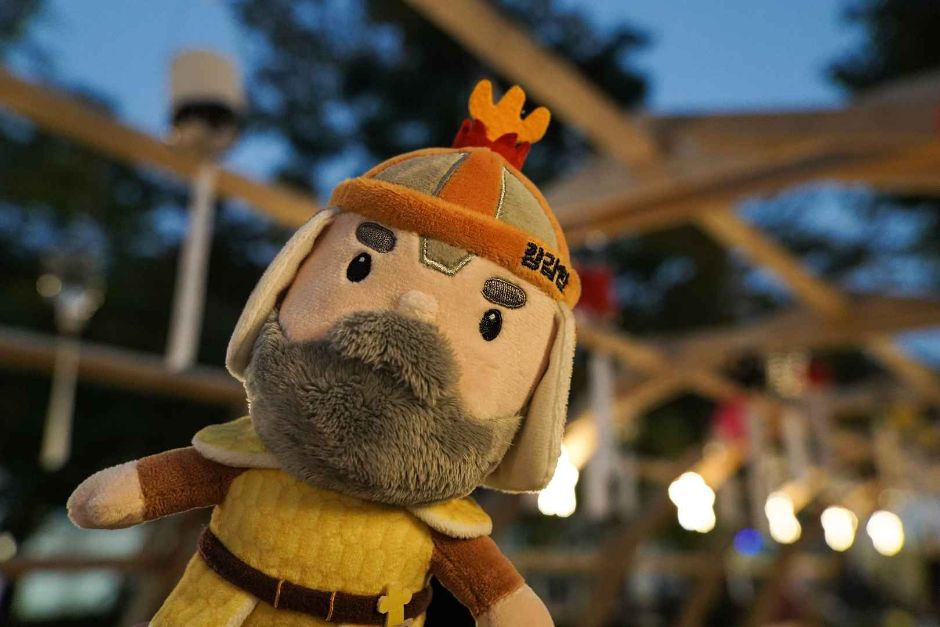
Gwanak Kang Gam-chan Festival (관악강감찬축제)
77 Nakseongdae-ro, Gwanak-gu, Seoul
The Gwanak Gang Gam-chan Festival is a historical and cultural event held to honor the patriotic spirit of General Gang Gam-chan, a famous general from the Goryeo Dynasty. The festival is known for its impressive night events, fitting for the location named after a falling star, and features a variety of parades and performances. ◎ Gang Gam-chan and Nakseongdae General Gang Gam-chan of Goryeo is said to have been born at the place where the fourth star of the Big Dipper fell. This place is called Nakseongdae, which means “the place where the star fell.”
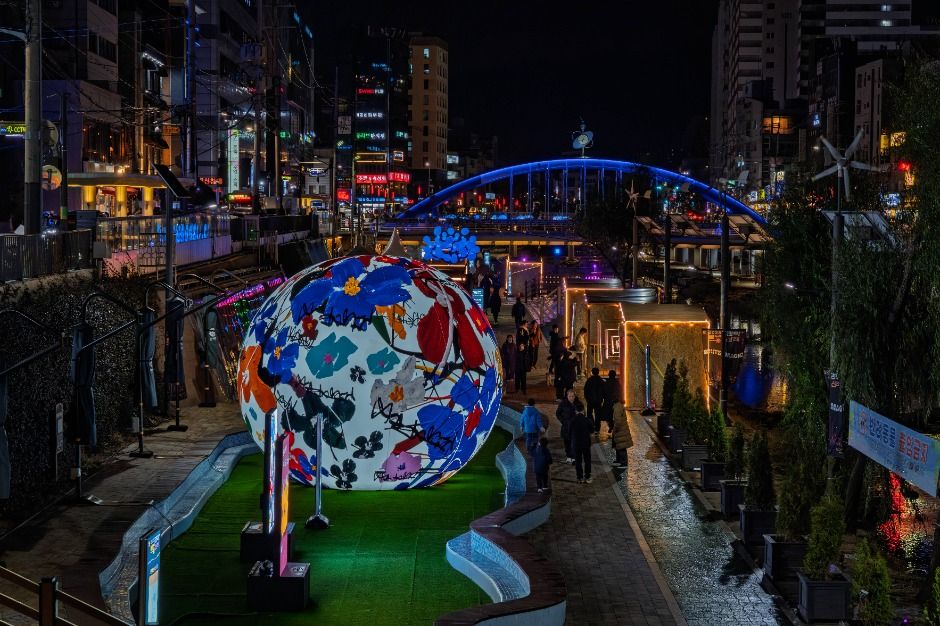
Gwanak Starlight Walk (관악별빛산책)
1642-7 Sillim-dong, Gwanak-gu, Seoul
Gwanak Starlight Walk is a signature winter festival of Gwanak-gu in Seoul. It's a lighting festival where visitors can enjoy beautiful light installation along Byeolbitnaerincheon Stream. The event area spans 300-meters from Sillimgyo Bridge to Bongnimgyo Bridge. The diverse lighting artworks created by ten different Korean artist teams come together to create a space where stories of individuals all become one as a community. Various hands-on programs offer visitors a chance to see and enjoy the sights and sounds of the city throughout the festival period.
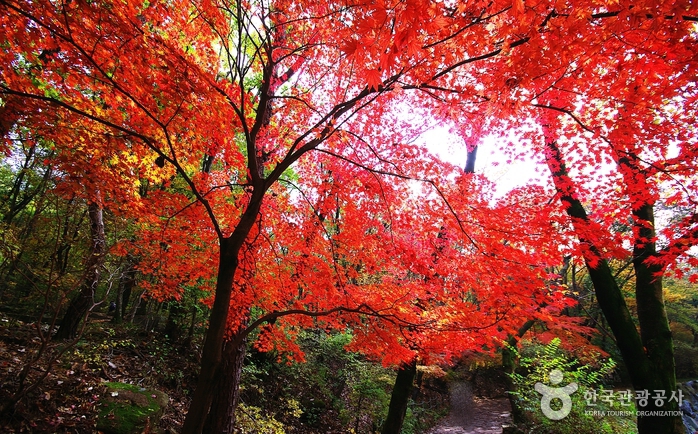
Gwanaksan Mountain (관악산)
Gwanak-ro, Gwanak-gu, Seoul
Reaching 632.2 meters in x_height, Gwanaksan Mountain is the symbol and pride of Gwanak-gu district in Seoul. Most of the cultural heritage of the district originates from Gwanaksan Mountain. Since it was designated as a city natural park in 1968, it has continued to serve as a favorite place for relaxation and excursion for Seoul citizens. The various rocky peaks and the deep valleys give the mountain a rugged feel. The mountain's size and close proximity to Seoul make it easy for Seoul residents to make a day trip. In the spring, cherry blossoms are in full bloom near the entrance to the mountain, and a Rhododendron Festival is held when the rhododendrons are in full bloom. At the mountain's summit are Wongaksa Temple and Yeonjuam Hermitage, which were built by Taejo Yi Seong-gye (the founder of the Joseon dynasty) to ward off misfortune when he decided to move the capital to Seoul. There are also other temples and hermitages, and a ground radar observation post. Yeonjudae Hermitage, located atop a cliff, is where all the hiking trails of Gwanaksan Mountain meet.
Plan your Korea trip
Korea travel FAQ
How do I use the travel search?
Enter a place or interest, then narrow the results by region, category or sort order.
Will my filters stay selected on the next page?
Yes. Your search and filter choices stay in the page URL while you move through the results.
Can I find directions to each place?
Place pages include an external Google Maps search when coordinates or an address are available.
Source: Korea Tourism Organization, official website (https://knto.or.kr).