TRAVEL IN KOREA
Korea Places to Visit
Find attractions, culture, festivals, stays, restaurants, shopping and travel courses for a clear Korea trip plan.
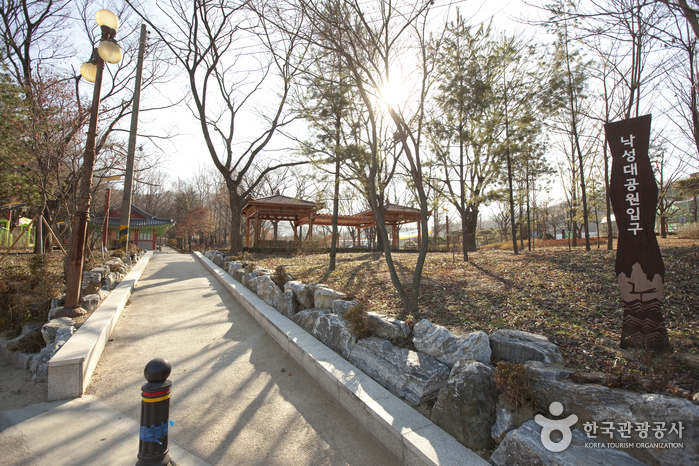
Gwanaksan Mountain Nakseongdae Park (관악산 낙성대공원)
77, Nakseongdae-ro, Gwanak-gu, Seoul
Nakseongdae Park was built as a tribute to General Kang Gam-chan (948-1031) of the Goryeo dynasty. In 1973, the city of Seoul reorganized the birthplace of General Kang, resulting in changes to the park. Located inside the park are Anguksa Shrine, the general’s birthplace, and a three-story stone pagoda, which was made during the Goryeo dynasty. The 4.48-meter-high pagoda is made of granite, and is called “Kang Gam-chan Tap (pagoda)” or “Kang Gam-chan Nakseongdae Tap”. *Anguksa Shrine Anguksa is a shrine built in 1974 emulating the wooden architecture style of the Goryeo era. The shrine has high ceilings and houses the portrait of General Kang Gam-chan. The shrine is located on the road leading to the back gate of Seoul National University and has become a popular place in the area. *Nakseongdae Yuji Nakseongdae Yuji is the birthplace of General Kang Gam-chan and the original location of the three-story pagoda. During the maintenance of Nakseongdae area in 1973, the pagoda was moved into the vicinity of Anguksa Shrine, and a two-meter tall monument was erected in its original location to mark the historical significance of the site.
Gwanbangjerim Forest (관방제림)
1, Gaeksa-ri, Damnyang-gun, Jeollanam-do
Located in Damyang, Jellanam-do, Gwanbangjerim Forest (Natural Monument) is a forest that was made along the banks of Damyangcheon Stream. The two-kilometer-long forest stretches from Dongjeong Village in Namsan-ri to Hwanggeum-ri, Subuk-myeon and Gangui-ri, Daejeon-myeon. Gwanbangjerim Forest is a special manmade forest that was planted to prevent flooding along Damyangcheon Stream. It is comprised of large trees such as muku trees, zelkova trees, nettle trees, and cherry trees that are about 200 to 300 years old. The forest’s beauty is so well known that it was even selected as “Korea’s Most Beautiful Forest” by the Korean Forest Services. Visitors enjoy this gorgeous natural getaway all year round, with many stopping by the forest Sculpture Park for pictures. Nearby attractions include the Jungnogwon Bamboo Garden and the Metasequoia-lined road.
![Gwandeokjeong Pavillion (Jeju) [관덕정(제주)]](http://tong.visitkorea.or.kr/cms/resource/75/2513575_image2_1.jpg)
Gwandeokjeong Pavillion (Jeju) [관덕정(제주)]
19 Gwandeok-ro, Jeju-si, Jeju-do
One of the oldest buildings in Jeju, Gwandeokjeong Pavilion was established in 1448 by the magistrate of Jeju with the purpose of training local soldiers. This historical edifice is renowend for its intricately painted girders, adorned with murals depicting the ten symbols of longevity, scenes from the Battle of Red Cliffs, and hunting imagery. Additionally, the pavilion's signboard is reputed to feature the handwriting of Prince Anpyeong, a notable figure from the Joseon era. Gwandeokjeong Pavillion is part of the Jeju-mok Government Office complex.
Gwaneumdo Island (관음도)
Cheonbu-ri, Buk-myeon, Ulleung-gun, Gyeongsangbuk-do
Gwaneumdo Island is the third largest island among the islands around Ulleungdo Island. Gwaneumdo Island was originally connected to Ulleungdo Island, but as a result of being eroded by the sea for a long time, it separated from Ulleungdo Island. There is a suspension bridge between the two islands, so visitors can travel on foot. Gwaneumdo Island has three observatories and two trails (Courses A and B), allowing one to enjoy the scenic highlights of Ulleungdo Island. Also worth seeing are the coastal cliffs of Gwaneumssanggul Twin Caves and the columnar joints that appeared due to cooling lava flows. The scenery with the various seasonal plants is spectacular. Strong winds can cause access restrictions, so it's best to check the Ulleung-gun county government office's website before visiting.
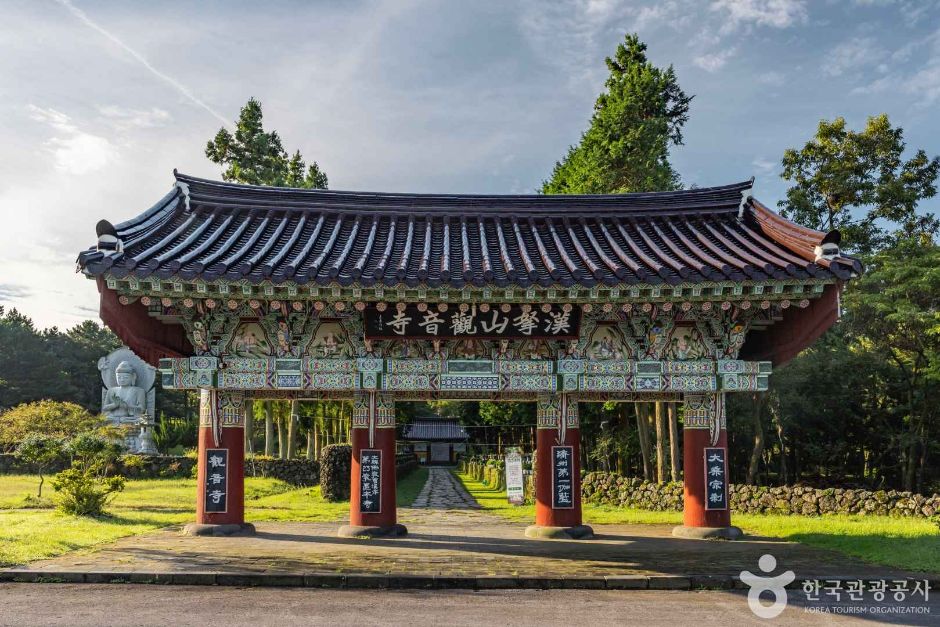
Gwaneumsa Temple (Jeju) (관음사(제주))
660 Sallokbuk-ro, Jeju-si, Jeju-do
Gwaneumsa Temple is a historic Buddhist temple located about 650m up on the slopes of Hallasan Mountain. The road leading to the temple is exceptionally scenic, framed by cedar trees and adorned vibrant with chrysanthemum flowers, creating a striking yellow path. The temple grounds host siginificant structures such as the Cheonwangmun Gate, Daeungjeon Hall, and the Gwaneumgul Cave. For visitor convenience, the complex includes a café and a restaurant specializing in Buddhist temple cuisine. Additionally, the temple offers a templestay program, providing guests with a unique opportunity to engage in rest and meditation, embracing the tranquil solitude of the temple environment.
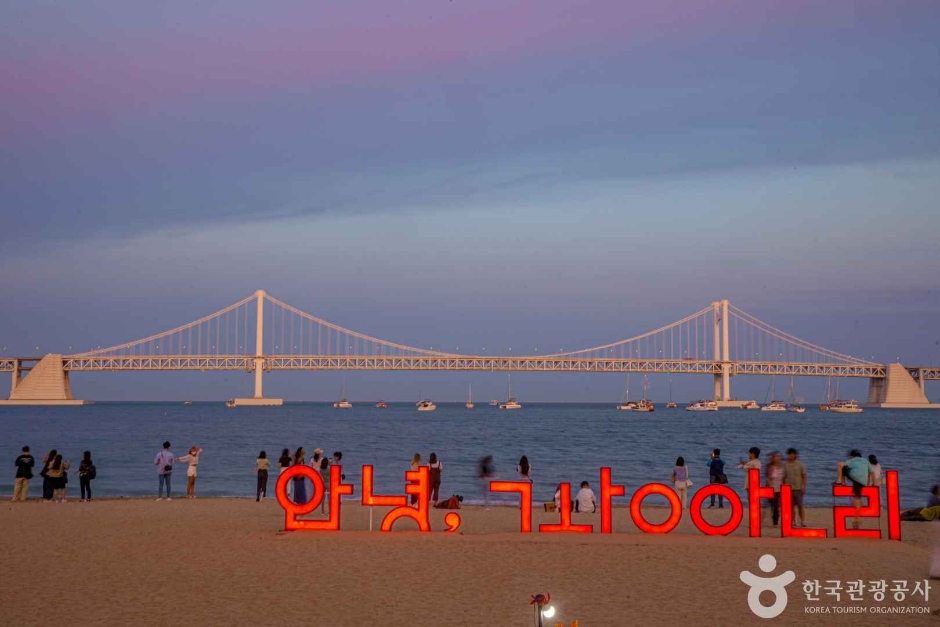
Gwangalli Beach (광안리해수욕장)
219 Gwanganhaebyeon-ro, Suyeong-gu, Busan
Located to the west of Haeundae Beach, Gwangalli Beach is 1.4 kilometers long and 25~110 meters wide, and is famous for its fine sand. The area underwent a water purification process, which led the ecosystem to flourish in the nearby river waters. In addition to the beachfront, the Gwangalli area is filled with delicious restaurants and romantic cafes, as well as stores selling famous fashion brands. The area has plenty to offer, but many people come in the evening to take in the bright lights of Gwangandaegyo Bridge, stretching across the horizon.
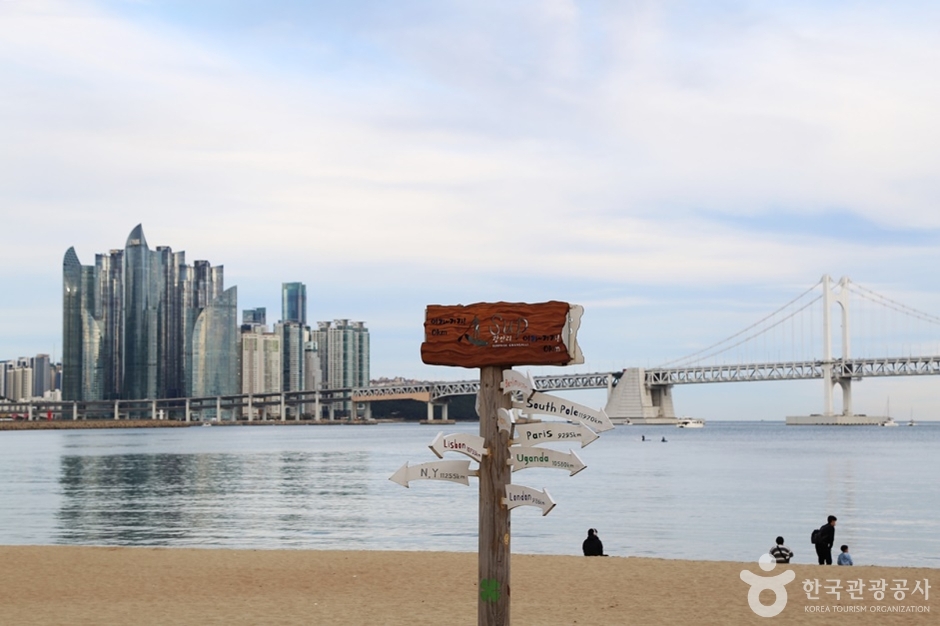
Gwangalli Beach Theme Street (광안리해변 테마거리)
Millak-dong, Suyeong-gu, Busan
Gwangalli Beach Theme Street, stretching 1,250 meters along the Gwangalli coast, is lined with artificial palm trees, sculptures, benches, and lush green zones. This scenic road is a popular venue for a variety of festivals and events. The street is divided into three themed sections: Romantic Street, Sunrise Square, and Youth Street, each offering its unique charm. Visitors can immerse themselves in a blend of memories and romance, enjoying the spectacular night view of the Gwangandaegyo Bridge, and savoring delicious offerings at Gwangalli Café Street and Millak Raw Fish Town. Additionally, every year in early November, Gwangalli Beach becomes a dazzling spectacle with its firework displays.

Gwangalli Eobang Festival (광안리어방축제)
219 Gwanganhaebyeon-ro, Suyeong-gu, Busan
The Gwangalli Eobang Festival, held on the famous Gwangalli Beach, known for its fireworks and drone shows, aims to showcase Gwangalli‘s rich history beyond its popularity as a tourist destination. The festival is a manifestation of the history and cultural value of Jwasuyeong Eobang Nori (Fishing Village Festival of the Left Naval Headquarters), a national intangible cultural heritage of Korea. The festival provides attractions and activities of a fishing village that retains its tradition and elements of modernity. A street parade reenacts the procession of Gyeongsang Jwasusa, commander of the Busan naval forces during the Joseon Dynasty. Visitors can check out the musical Eobang, which is the main event of the festival, as well as more than 20 exhibitions and activities in the folk village. The village has recreated the old naval barracks and fishing villages, and actors dressed as jwasusa, sugun (navy soldier), and jumo (barmaid) go around the village to entertain visitors. ◎ EobangFollowing the establishment of Gyeongsang Jwasuyeong (naval forces) in the Suyeong regions during the Joseon Dynasty, the affiliation “Eobang” was formed between the naval forces and local fishermen. “Eobang” holds a similar meaning to the fishery cooperatives of today.

Gwangalli Marvelous Drone Light Show (광안리 M(Marvelous) 드론 라이트쇼)
219 Gwanganhaebyeon-ro, Suyeong-gu, Busan
Every Saturday evening, hundreds of drones light up the night sky over Gwangallihaebyeon Beach in a range of fascinating formations through the Gwangalli Marvelous Drone Light Show. On special occasions such as during Chuseok (Korean Thanksgiving Day) or New Year's countdown, an even more spectacular show takes place. * Schedule subject to change depending on weather conditions.
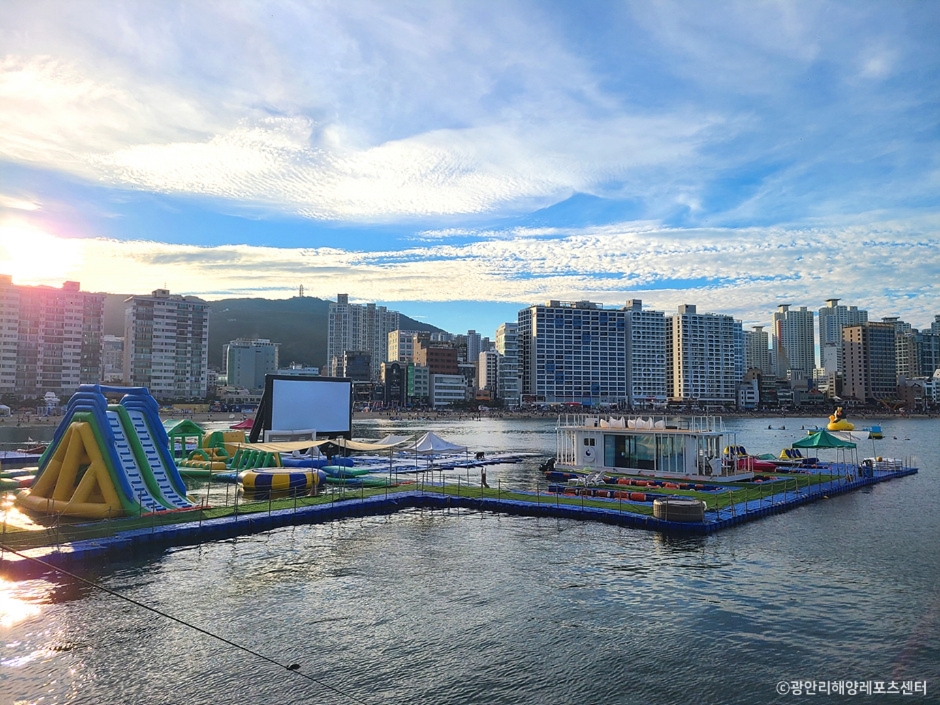
Gwangalli Ocean Leports Center (광안리 해양레포츠센터)
222 Gwanganhaebyeon-ro 54beon-gil, Suyeong-gu, Busan
Gwangalli Ocean Leports Center is a large-scale water sports facility located at Gwangalli Beach in Busan. The center offers a wide range of water programs, such as jetboats, yachts, windsurfing, kayaks, and more with a focus on enjoying these activities safely.
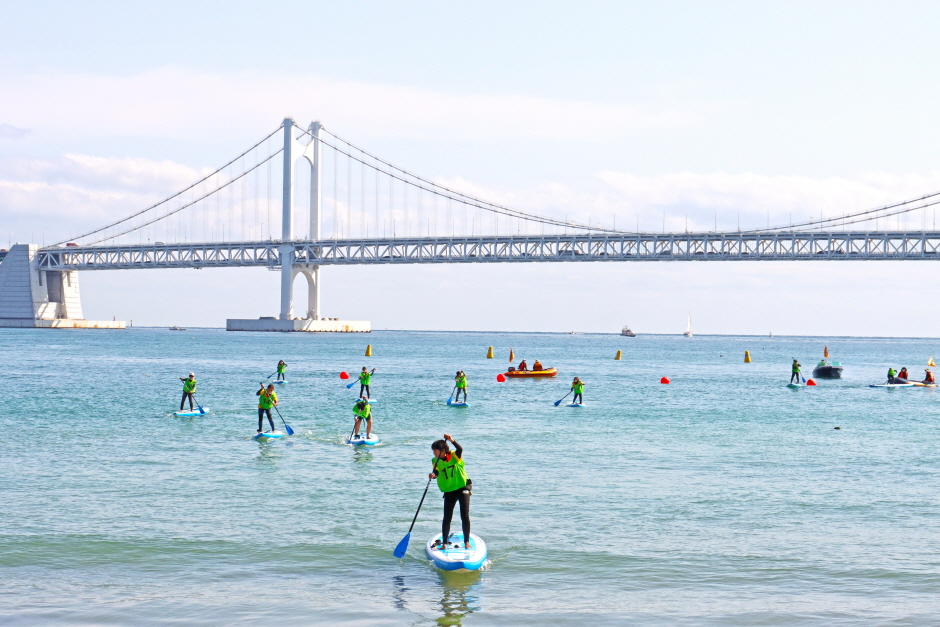
Gwangalli SUP Zone (광안리 SUP Zone)
Namcheon-dong, Suyeong-gu, Busan
Gwangalli SUP Zone is a space to make Gwangalli Beach the mecca of water sports. The peaceful waves of Gwangalli Beach makes it a perfect condition for people to ride Stand Up Paddleboard. After being designated as SUP Zone in 2020, the 400 meter area offers beach bar, beach bed, wind bed, SUP photo zone and more. In July and August, people who rent water leisure equipments can use reed parasol or beach bed for free. Visitors can also enjoy special experience using phone app "Real World" for an outdoor room escape.
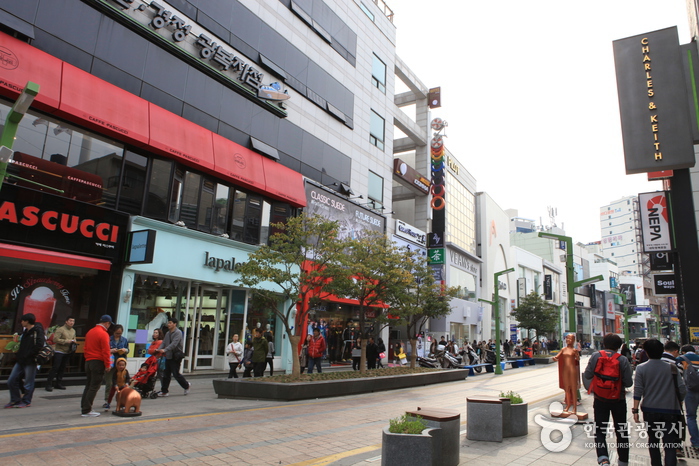
Gwangbok-dong Cultural & Fashion Street (광복로문화패션거리)
Gwangbok-ro, Jung-gu, Busan
Gwangbok-dong Cultural & Fashion Street is about 600 m long from the entrance to Gukje Market. The street has historically featured many clothing shops, and it is quite crowded at night or on weekends. Every December, the area also hosts the Busan Christmas Tree Cultural Festival, which turns the street into a pedestrian-only area. There are plenty of good restaurants in the area, which is a great place to feel the vitality and energy of Busan’s youth.
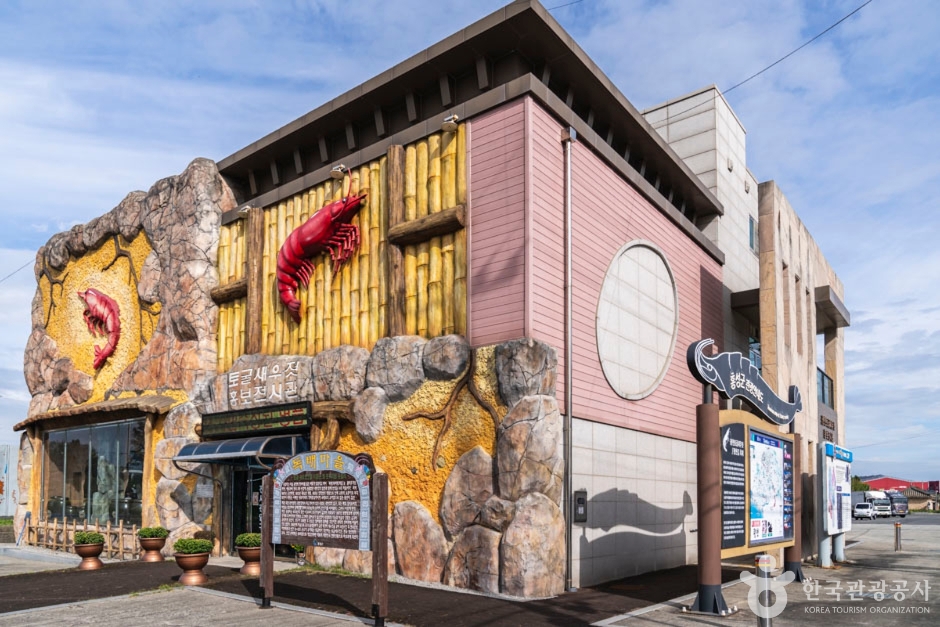
Gwangcheon Cave Salted Shrimp Complex (광천토굴새우젓단지)
119, Gwangcheon-ro, Gwangcheon-eup, Hongseong-gun, Chungcheongnam-do
Gwangcheon Cave Salted Shrimp Complex is a collection of shops offering saeujeot (salted shrimp), a specialty of Gwangcheon. Gwangcheon’s proximity to the Yellow Sea makes it a famous place for jeotgal (salted seafood), particularly those made with shrimp. Gwangcheon’s saeujeot (salted shrimp) is stored and aged in a former mine cave tunnel, so it has great quality. There is even an exhibition hall dedicated to Gwangcheon cave salted shrimp. The Gwangcheon Cave Salted Shrimp & Dried Laver Festival is held in October.
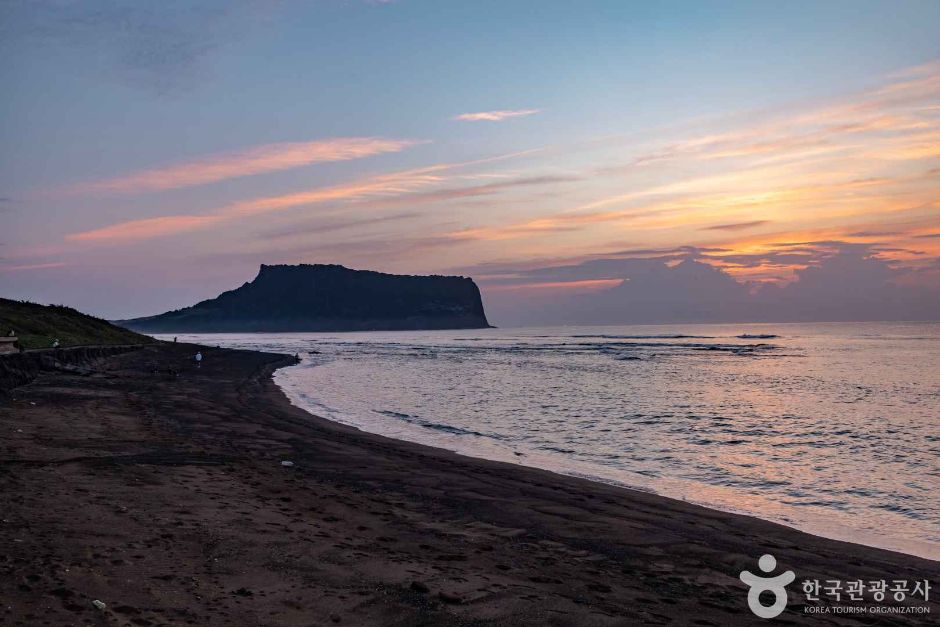
Gwangchigi Beach (광치기해변)
Goseong-ri, Seongsan-eup, Seogwipo-si, Jeju-do
Located on the way from Seongsan Ilchulbong Tuff Cone to Seopjikoji, Gwangchigi Beach marks the end point of Jeju Olle Trail Route 1 and the starting point of Route 2. It is known for its unique geological formation, where hot lava cools down immediately upon meeting the sea. During low tides, visitors can see hidden scenic spots. The frozen lava covered with green moss, creates a spectacular view. In particular, the stunning sunrise view with Seongsan Ilchulbong Tuff Cone in the backdrop attracts a lot of visitors. The beach is also known for its black sand. (Information courtesy: Visit Jeju)
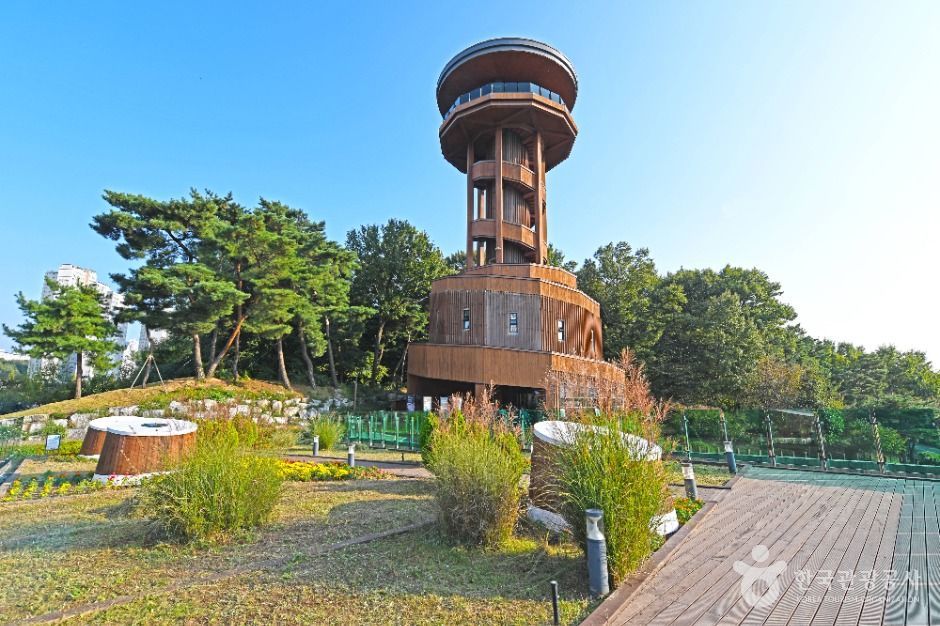
Gwanggyo Freiburg Observatory (광교 프라이부르크전망대)
127 Gwanggyohosu-ro, Yeongtong-gu, Suwon-si, Gyeonggi-do
The Freiburg Observatory in Gwanggyo Lake Park is inspired by the observatory in Freiburg, an eco-city in Germany, and represents Suwon’s commitment to becoming an eco-conscious city. The observatory offers a stunning view of the lakes nearby.
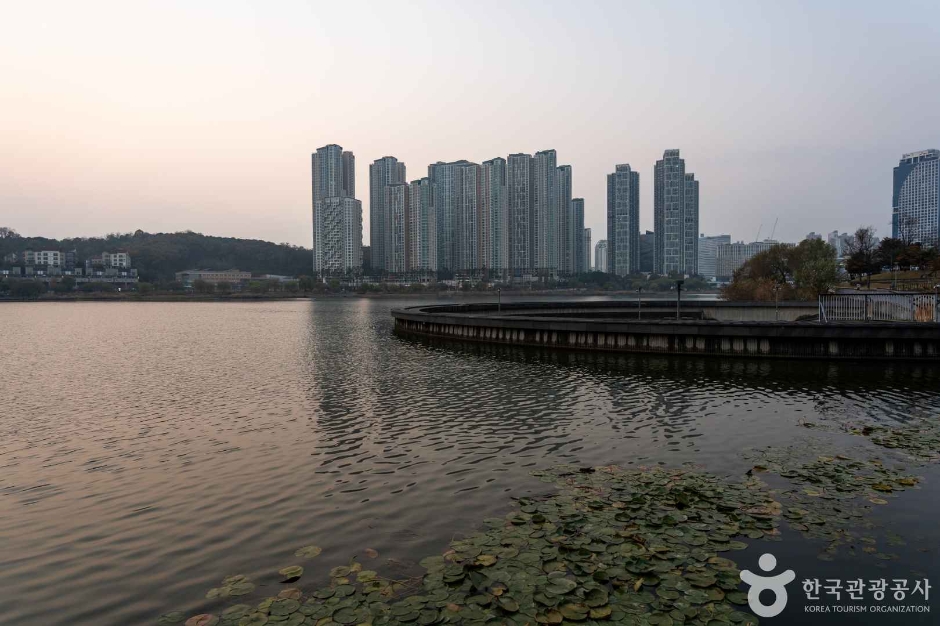
Gwanggyo Lake Park (광교호수공원)
165 Gwanggyohosu-ro, Yeongtong-gu, Suwon-si, Gyeonggi-do
Gwanggyo Lake Park is the largest lake park in the city center of Korea. The park is designed to blend the scenic nature of Gwanggyosan Mountain and the nearby reservoirs with urban culture. It consists of urban levees and 6 different themed "dumbeong," the Korean term for a pool of water.
Plan your Korea trip
Korea travel FAQ
How do I use the travel search?
Enter a place or interest, then narrow the results by region, category or sort order.
Will my filters stay selected on the next page?
Yes. Your search and filter choices stay in the page URL while you move through the results.
Can I find directions to each place?
Place pages include an external Google Maps search when coordinates or an address are available.
Source: Korea Tourism Organization, official website (https://knto.or.kr).